Blake and I just recently got back from a week in Utah, chasing the four native cutthroat of that state. Flights for the trip were booked seven months ago so it’s safe to say that the trip has been on my mind in some capacity throughout all of 2017. Admittedly though, having an infant certainly cut down on the amount of space that the trip, or any fishing trip for that matter, has occupied in my brain. Want to think about fishing less – keep having kids – it totally works!
Fishing in Colorado in 2012 was enough to convince me that I needed to take more trout trips out west. Having an interest in native fish and more specifically native trout meant that the Wyoming cutt slam was on a very short bucket list after Colorado. After the success we had fishing in Wyoming in 2015 I knew I wanted to do something similar for the next trip. I’m always thinking about the next trip, logging things I read in books or on the web for future use. I gravitate toward the slam style programs. They provide great outlines for planning a western trout trip. If you want to catch four different species in their native ranges you typically have to travel to four different watersheds. It’s a great way to fish a lot of different water and see a lot of sights that you can’t see back home. Driving to the destinations at times is as much fun as fishing.
I looked at California’s Heritage Trout Challenge, but that seemed impossible to achieve in a week and I wasn’t looking for a two or even three part trip just yet. Nevada has a Native Fish Slam that seemed a little more plausible, but I was a little hesitant about some of the remoteness of the destinations we would need to go to find those native fish. At some point I want to make it to New Mexico to chase Rio Grande cutthroat and Gila trout and Arizona for Apache trout, but those are likely separate trips, otherwise that would be a lot of driving for one week. Then in April of last year, my planning suddenly shifted to Utah as they debuted their own cutt slam program with a really fantastic website – www.utahcutthroatslam.org. After looking into it further it just made sense for the Utah cutt slam to be our next trip. Salt Lake City is an easy destination to fly to with relatively inexpensive flights and as a bonus you can catch all four cutthroat species within a three hour drive from the city.
To achieve the Utah cutt slam you’ll need to catch the four native cutthroat trout of the state – the Bonneville, the Bear River, the Colorado River, and the Yellowstone. Here’s where they live:
Since the Yellowstone cutthroat required the longest drive, was in the most out-of-the-way destination, and lived in some of the least impressive looking water I decided we should try and knock that one out first.

Joseph R. Tomelleri
We got the earliest flight we could into Salt Lake City from New Orleans and after a few stops for supplies we set off for the Raft River Mountains, in the NW part of the state.
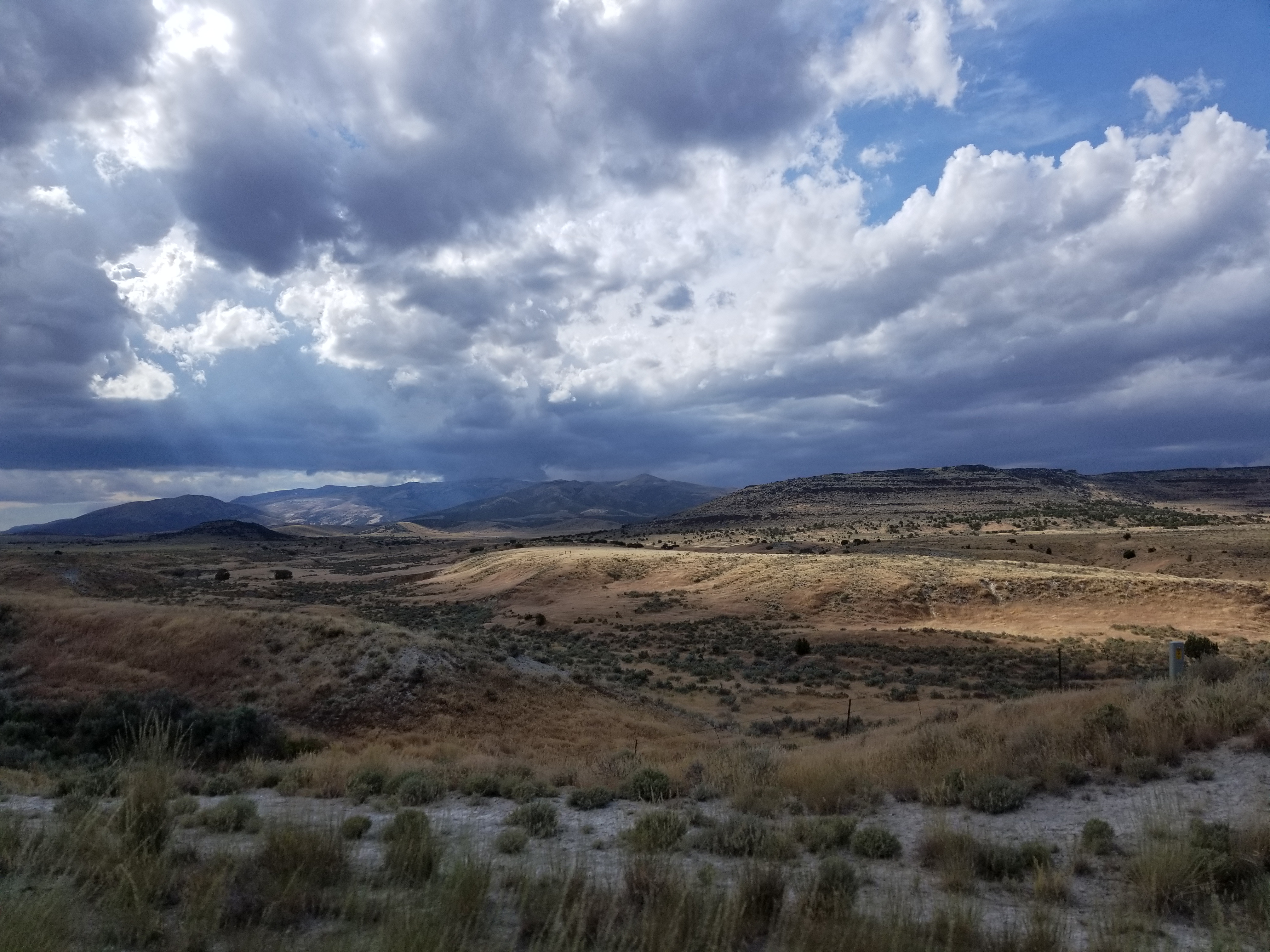
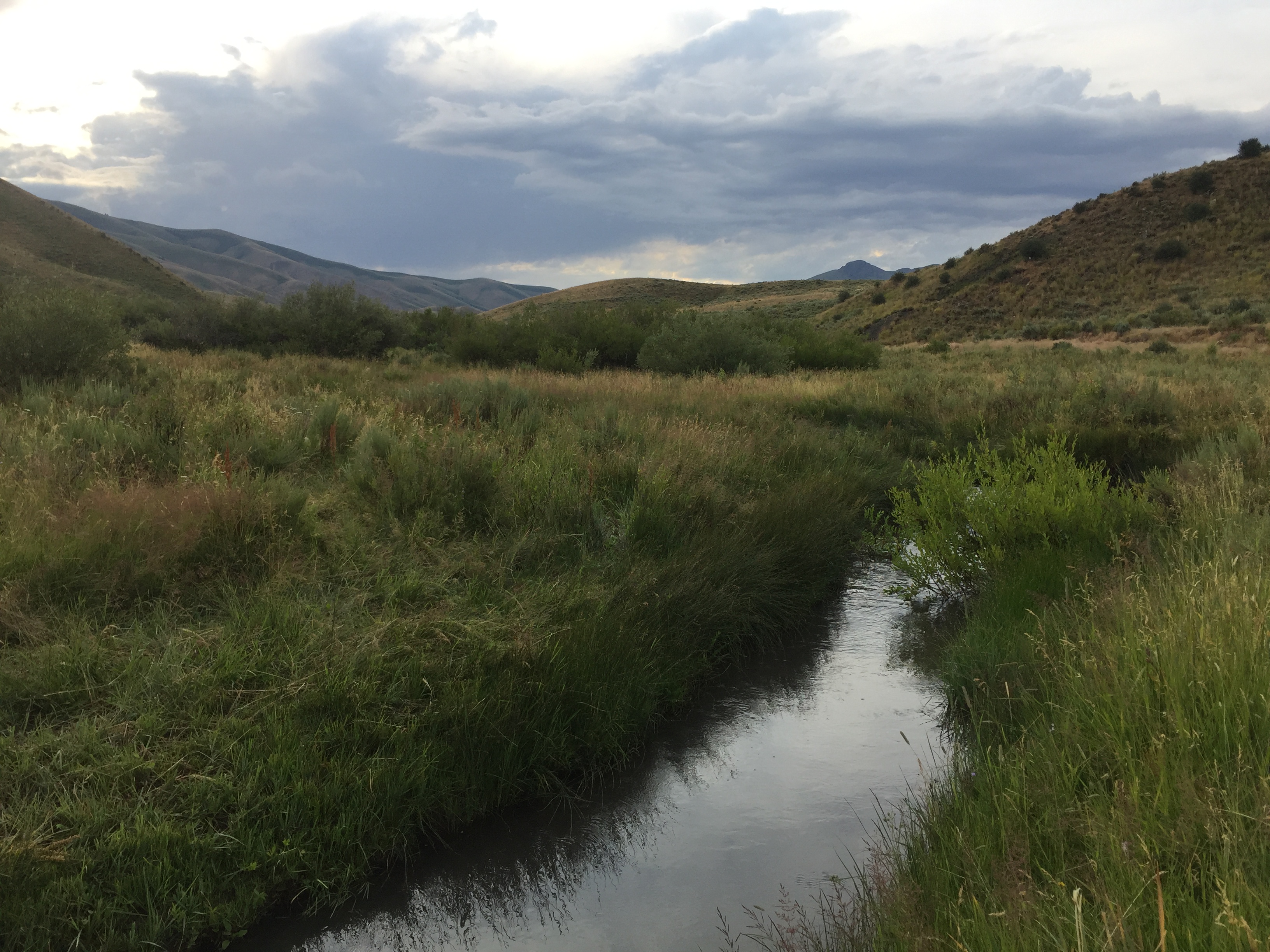
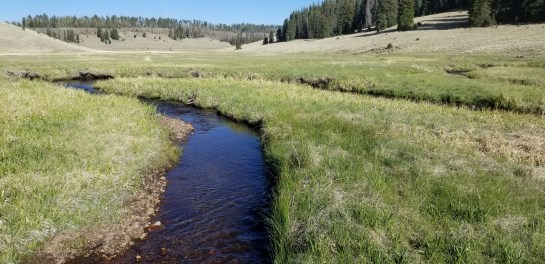
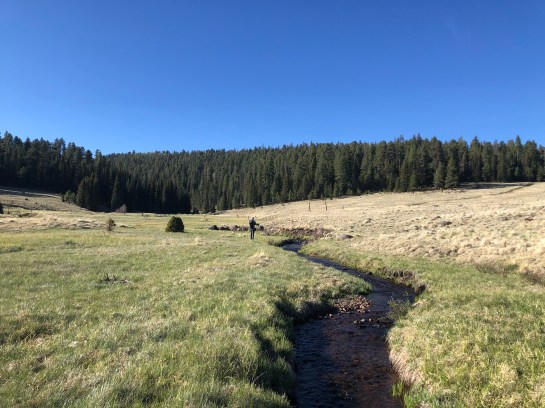
Miles of interstate were followed by miles of dirt roads, but we finally arrived that evening at our first creek. It was a small one and it was heavily used by cattle. The cattle and the creek shared the same narrow valley and there was only so much space for the both of them. The Yellowstone cutthroat were supposed to be there too, but it was obvious there wasn’t a very large population in the creek, so we went to work and started covering ground.
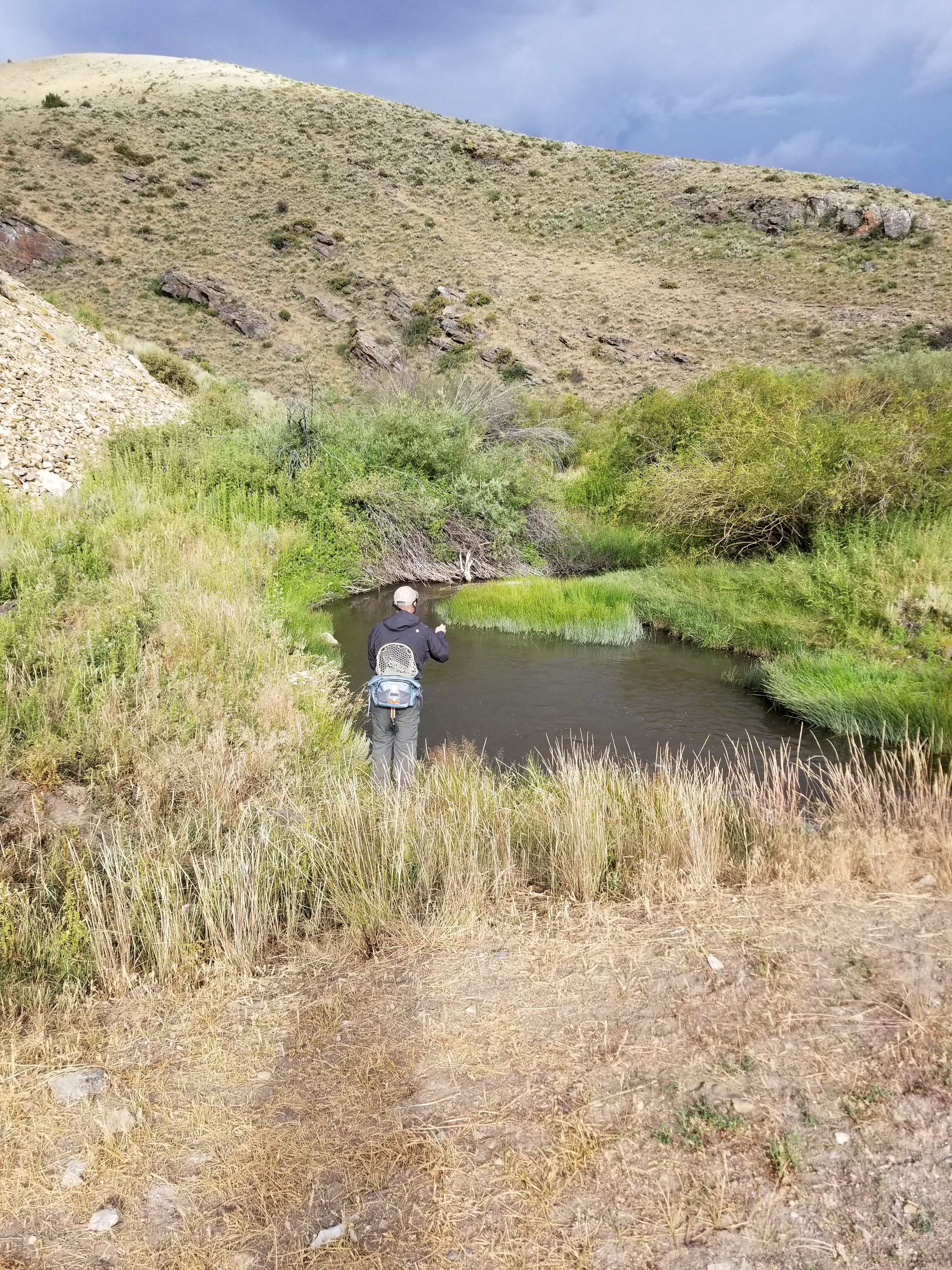
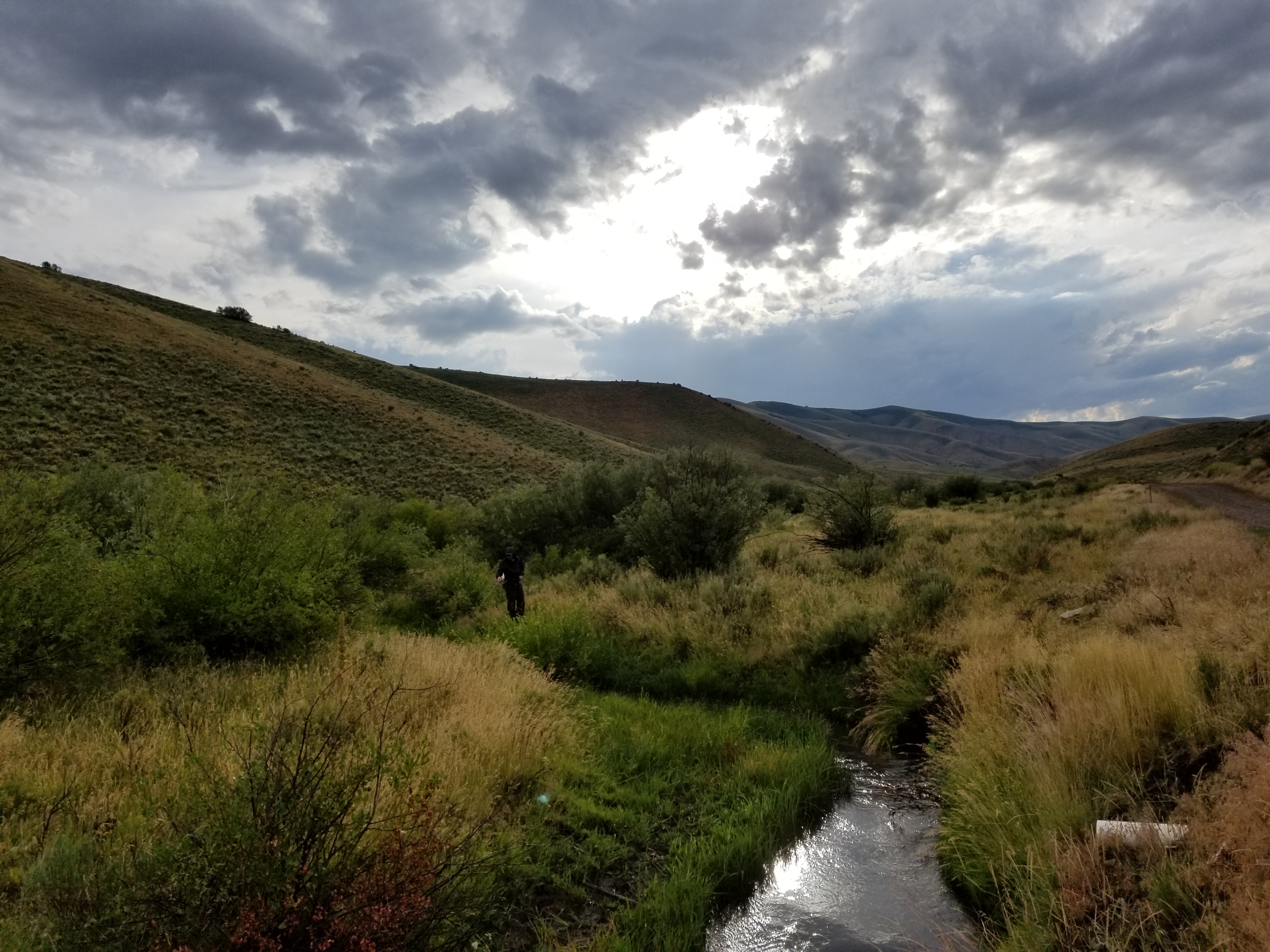
Thankfully the cattle weren’t around at the time, but the cow shit was still there and avoiding it was impossible. I noticed how covered my boots were when walking back to the car. After fishing a few prime runs with nary a bite I was a little nervous. It didn’t make me feel any better when the skies opened up, so I took off my dry and started fishing a nymph. All we had to do was catch one right?
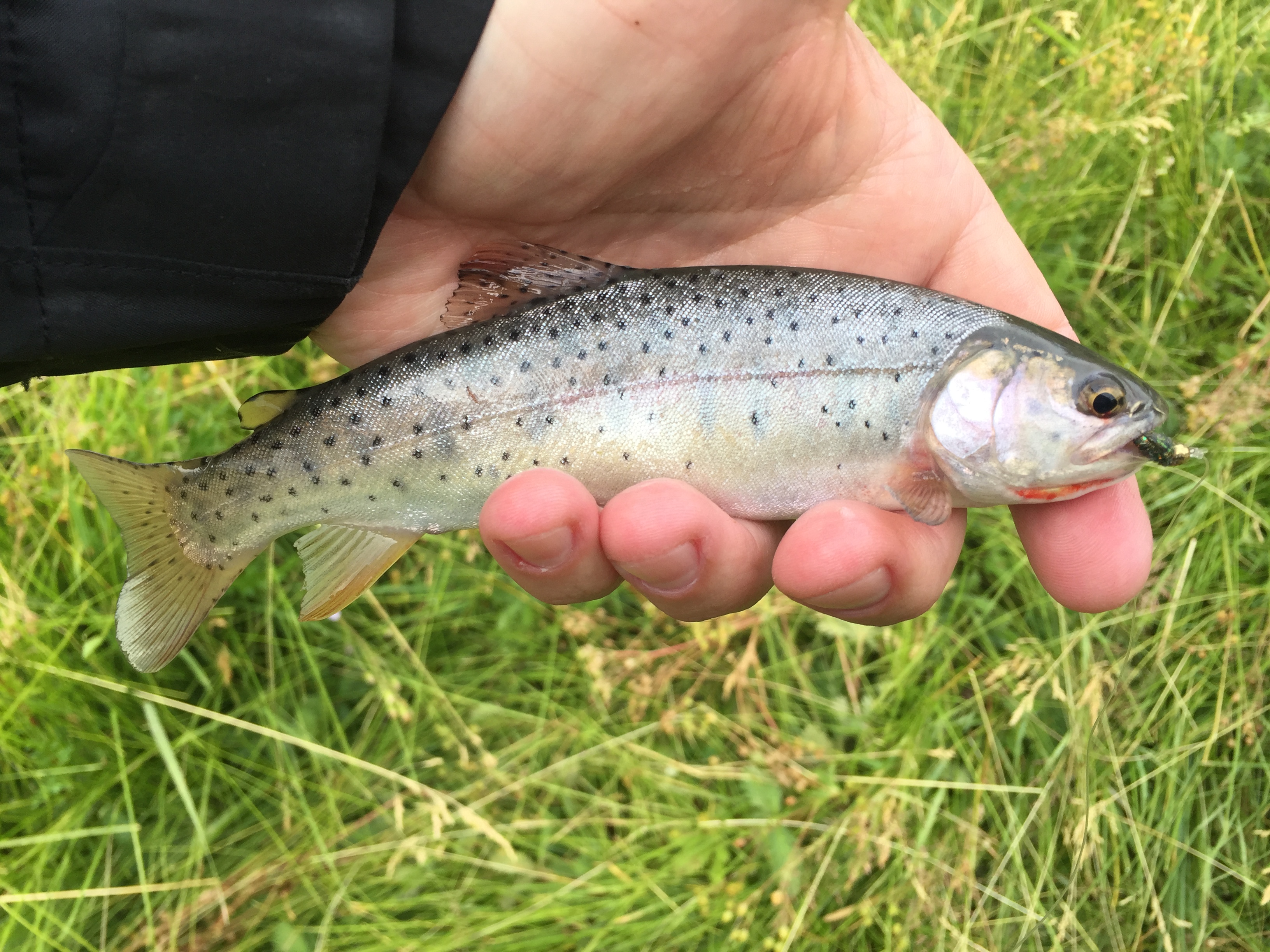
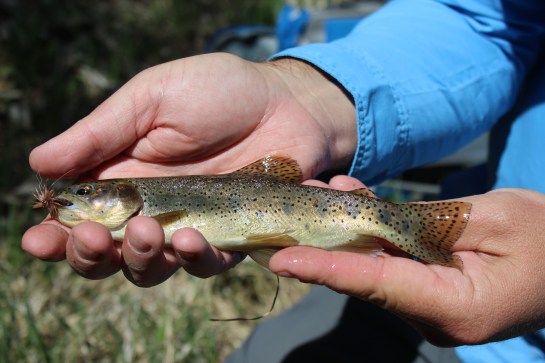
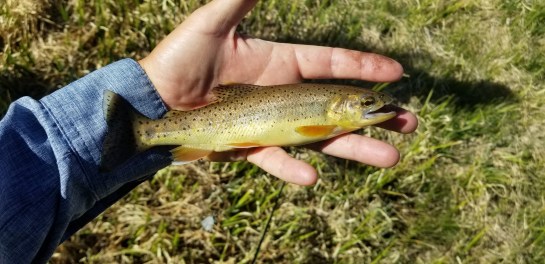
The heavy rain didn’t last long and as we moved up the stream things started to look better. Blake caught a trout to get things rolling.
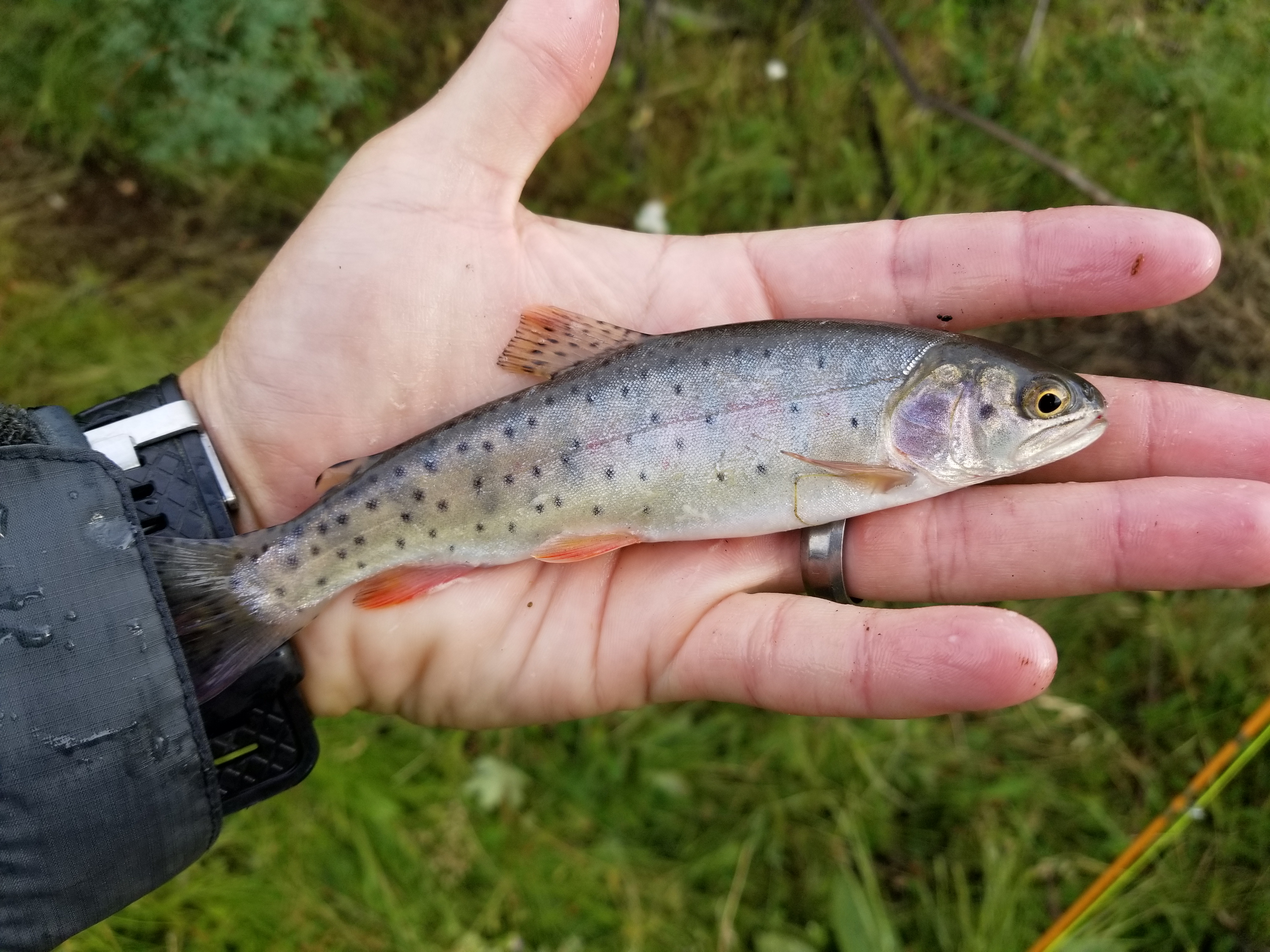
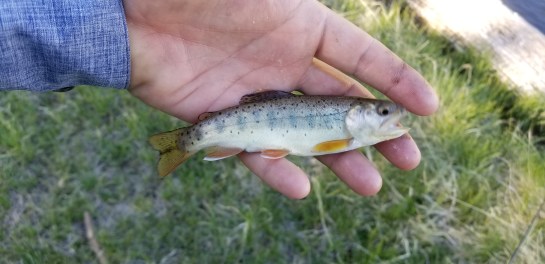
I followed up with one of my own and all was right in the world again.
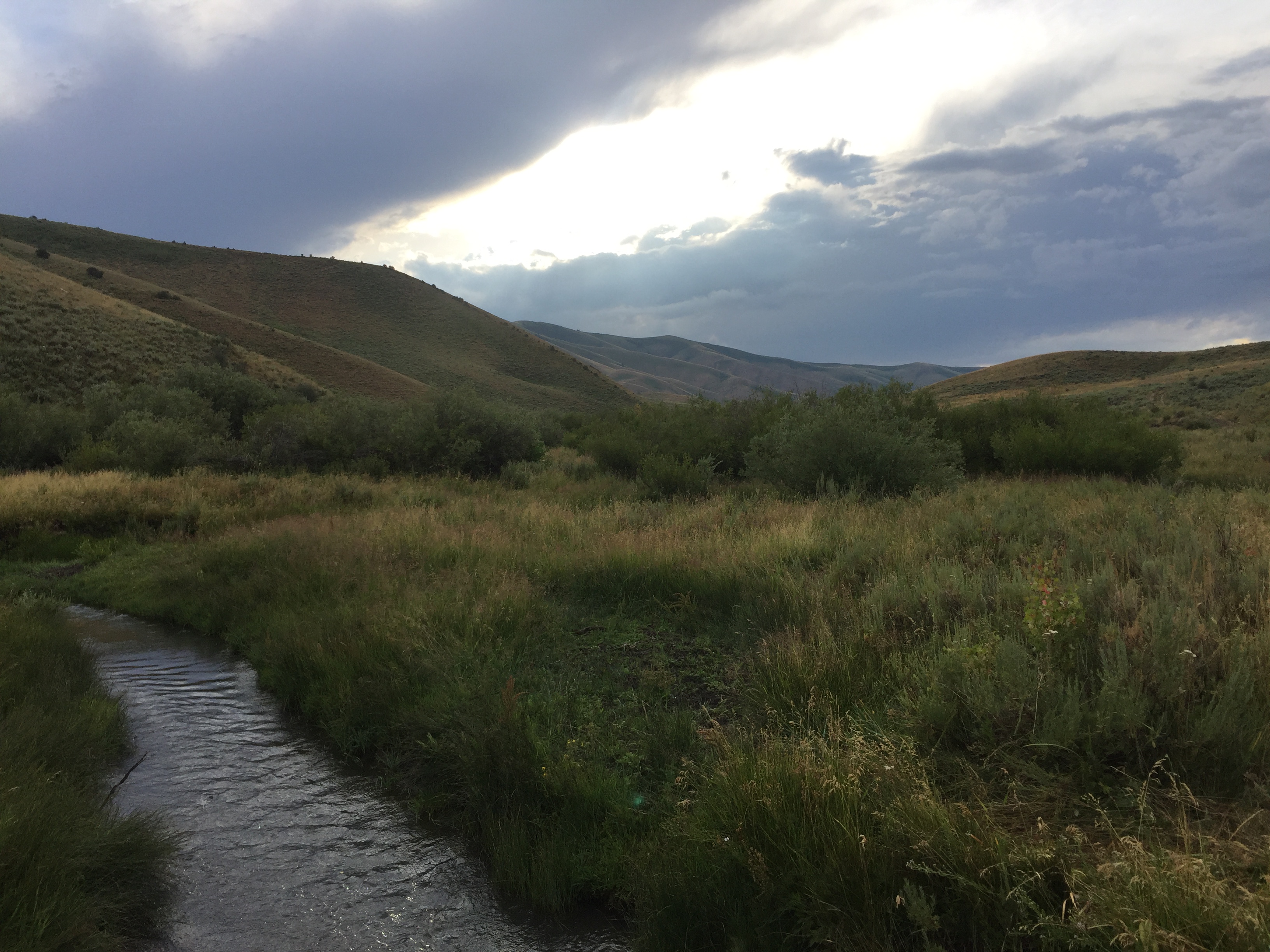
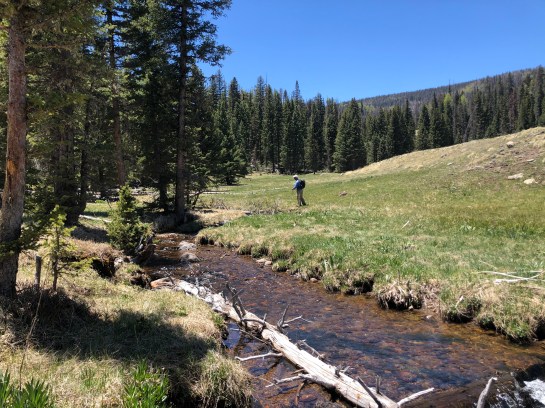
More fish were caught and once you got past all the cow shit the stream wasn’t really that bad of a place to fish. The treeless mountains at the head of the valley made for a pretty cool backdrop too.
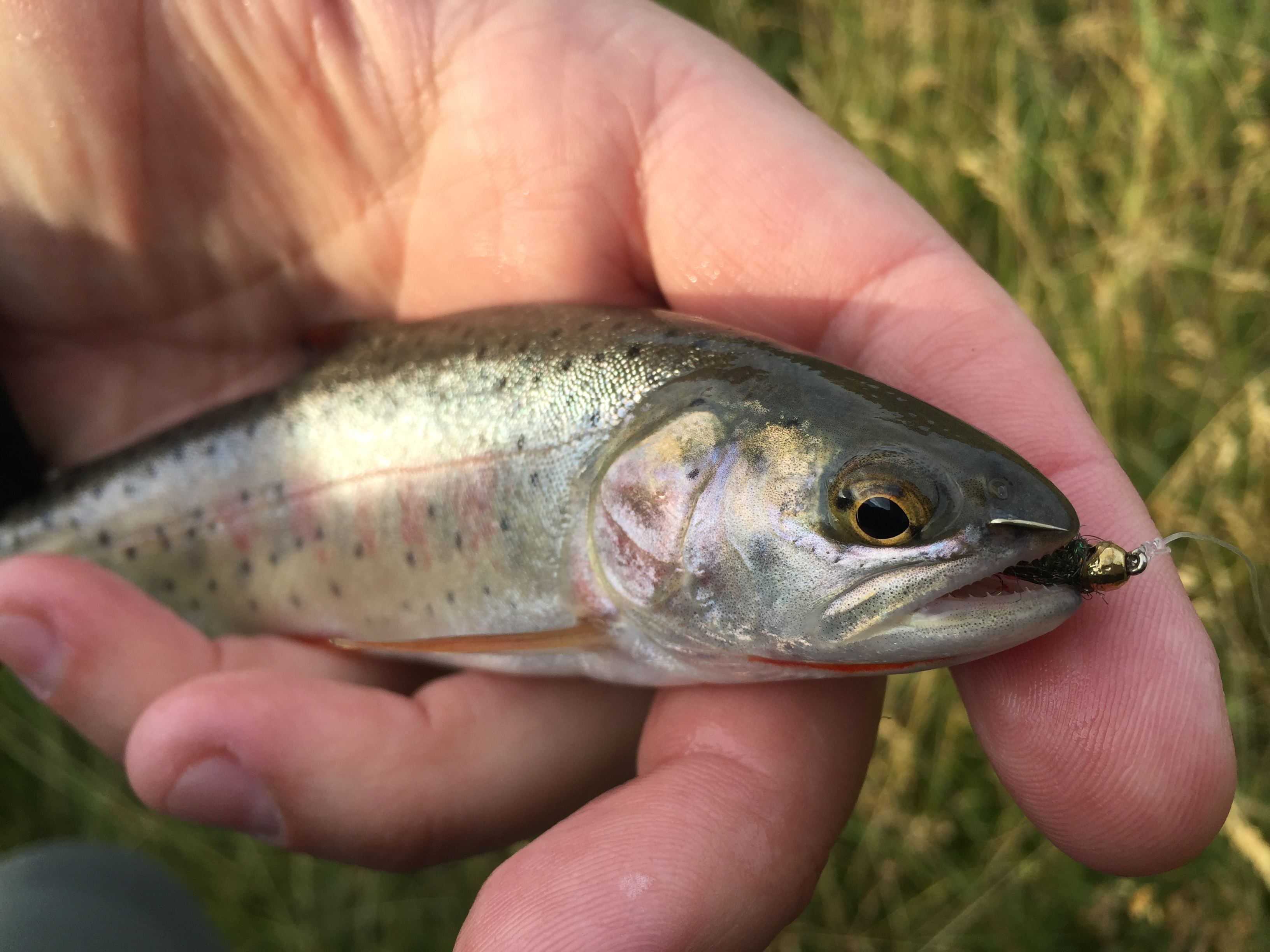
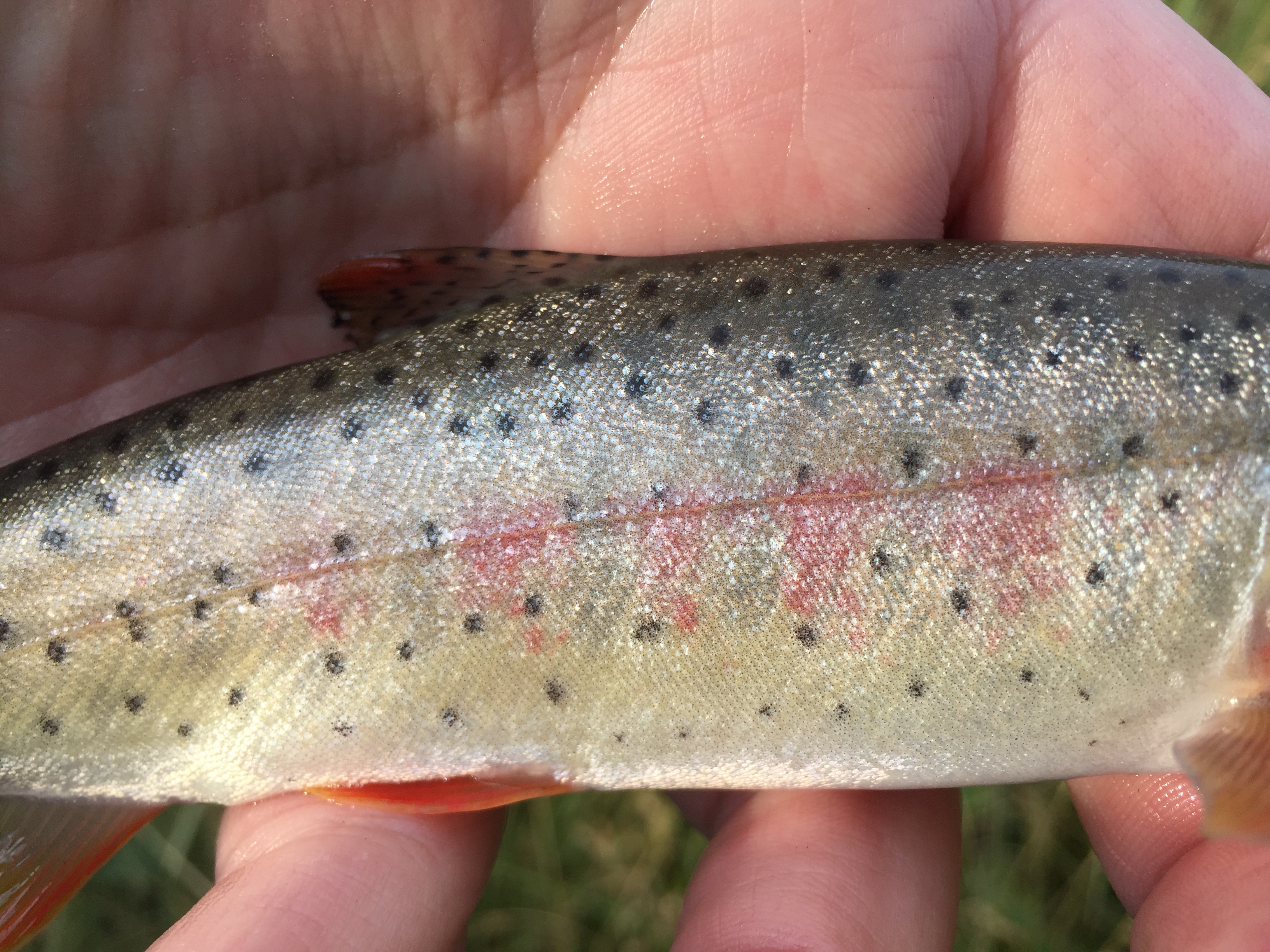
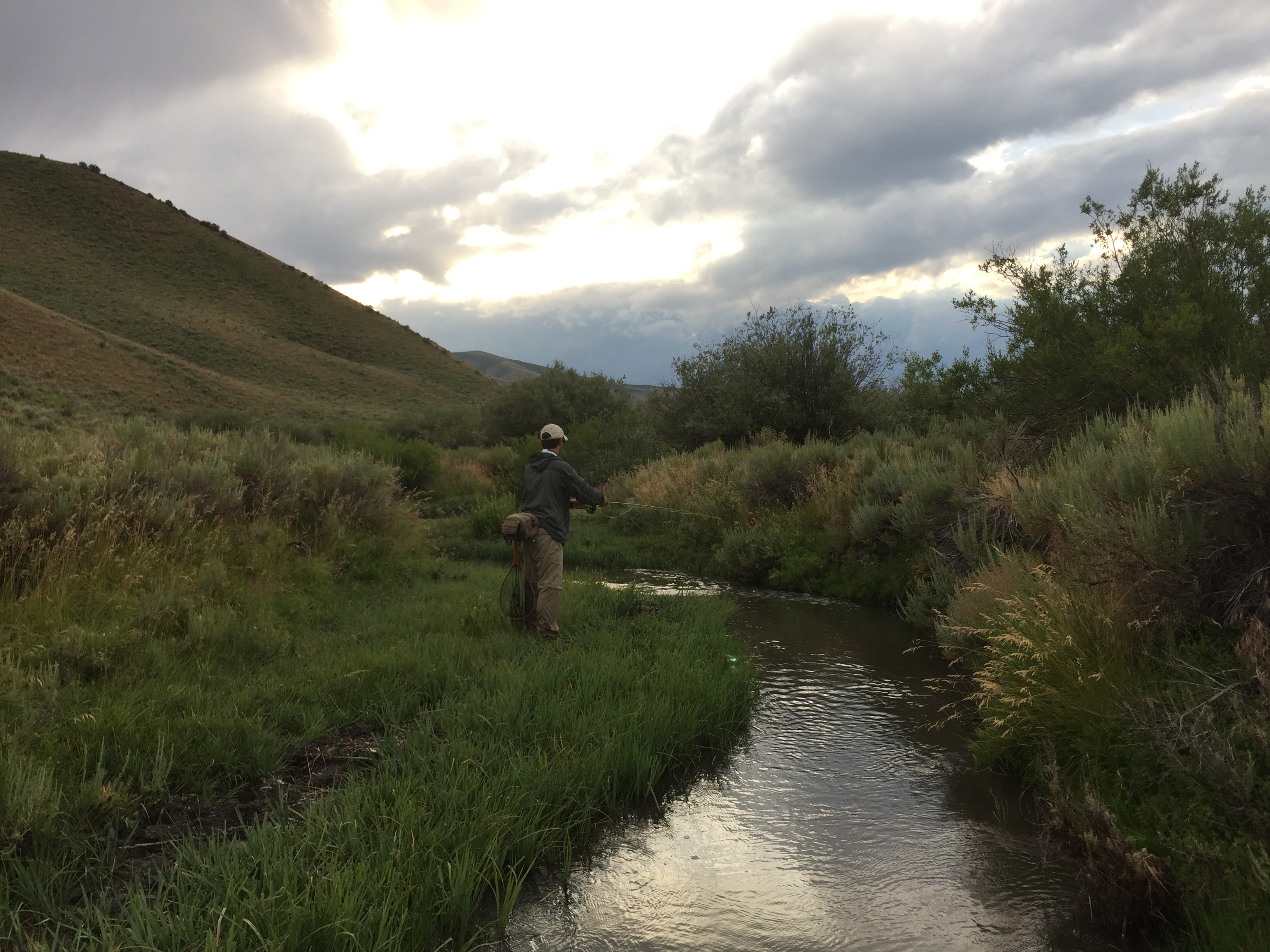
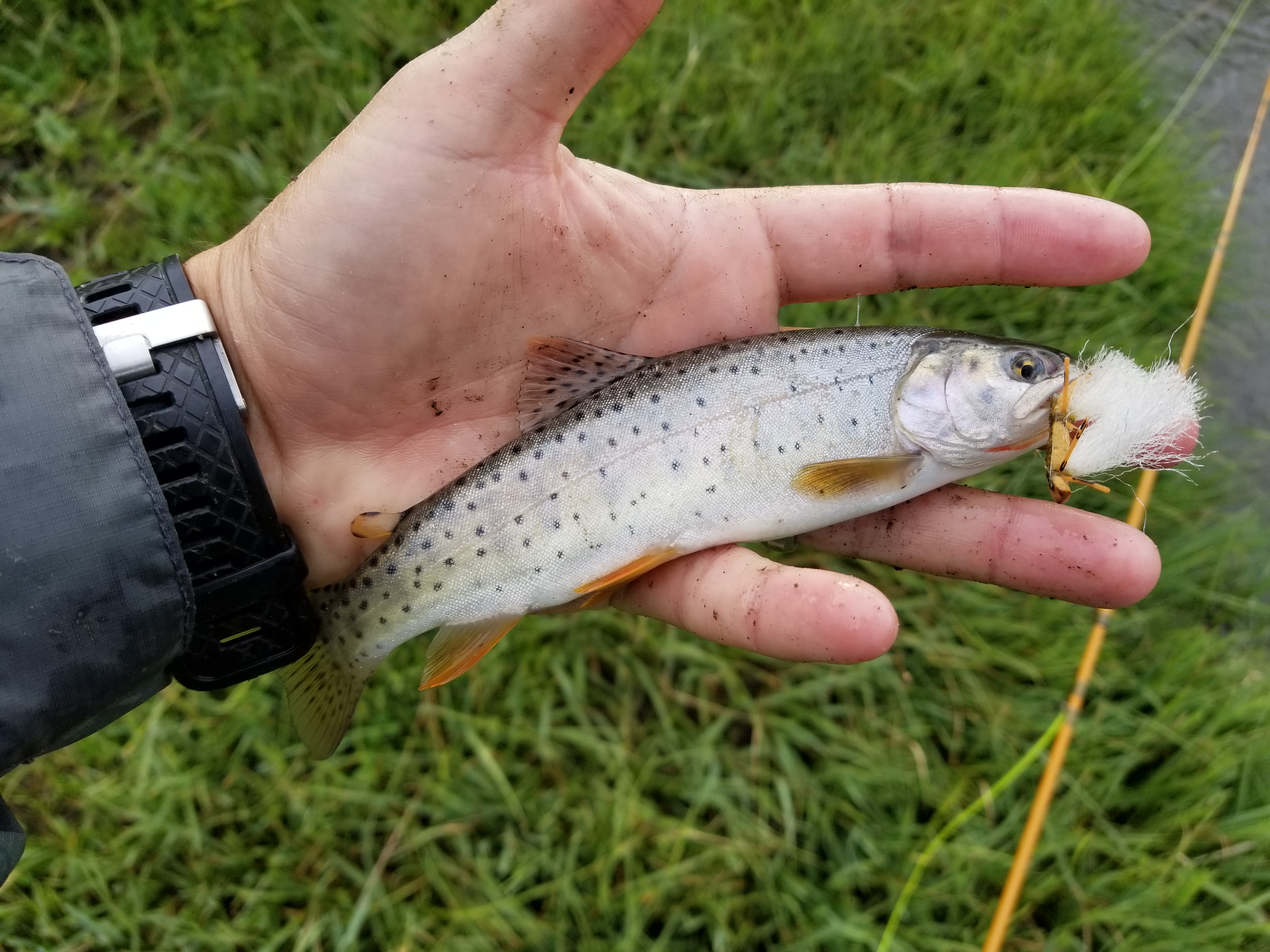
The size of the fish picked up as we went upstream, we never found any studs, but we found our target species and to catch the first of the four cutthroat species we needed on our first day in Utah was a pretty good feeling.
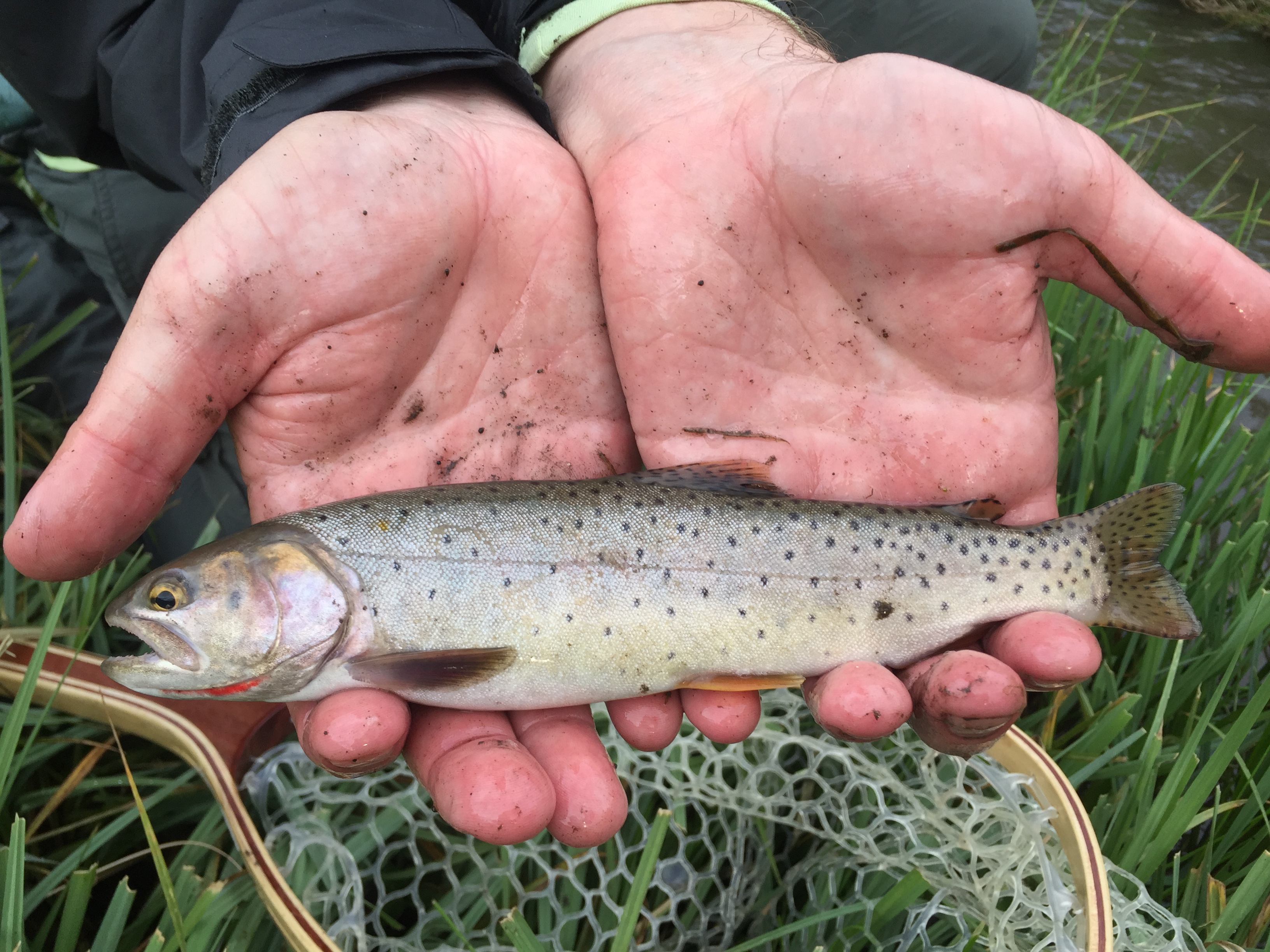
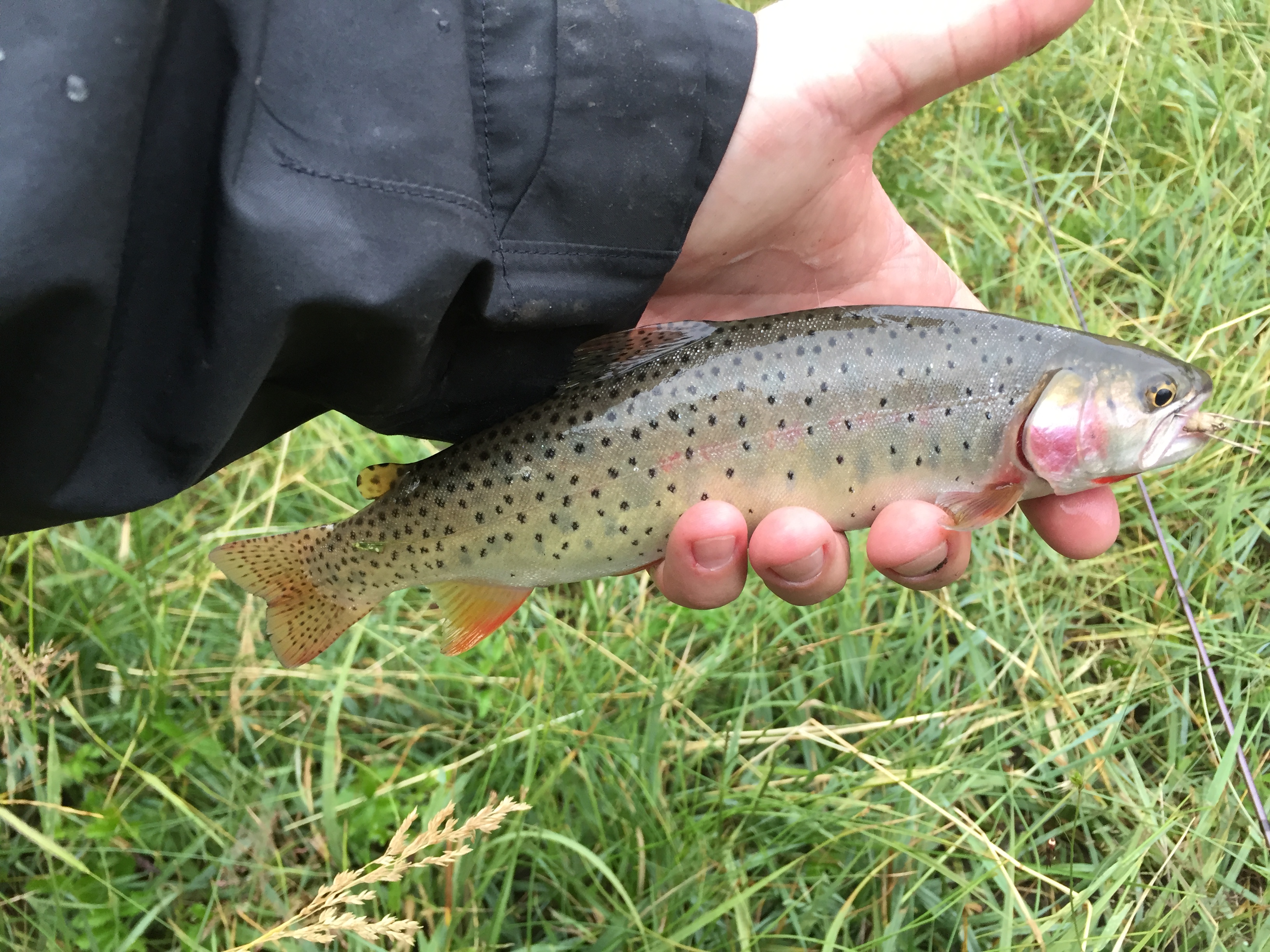
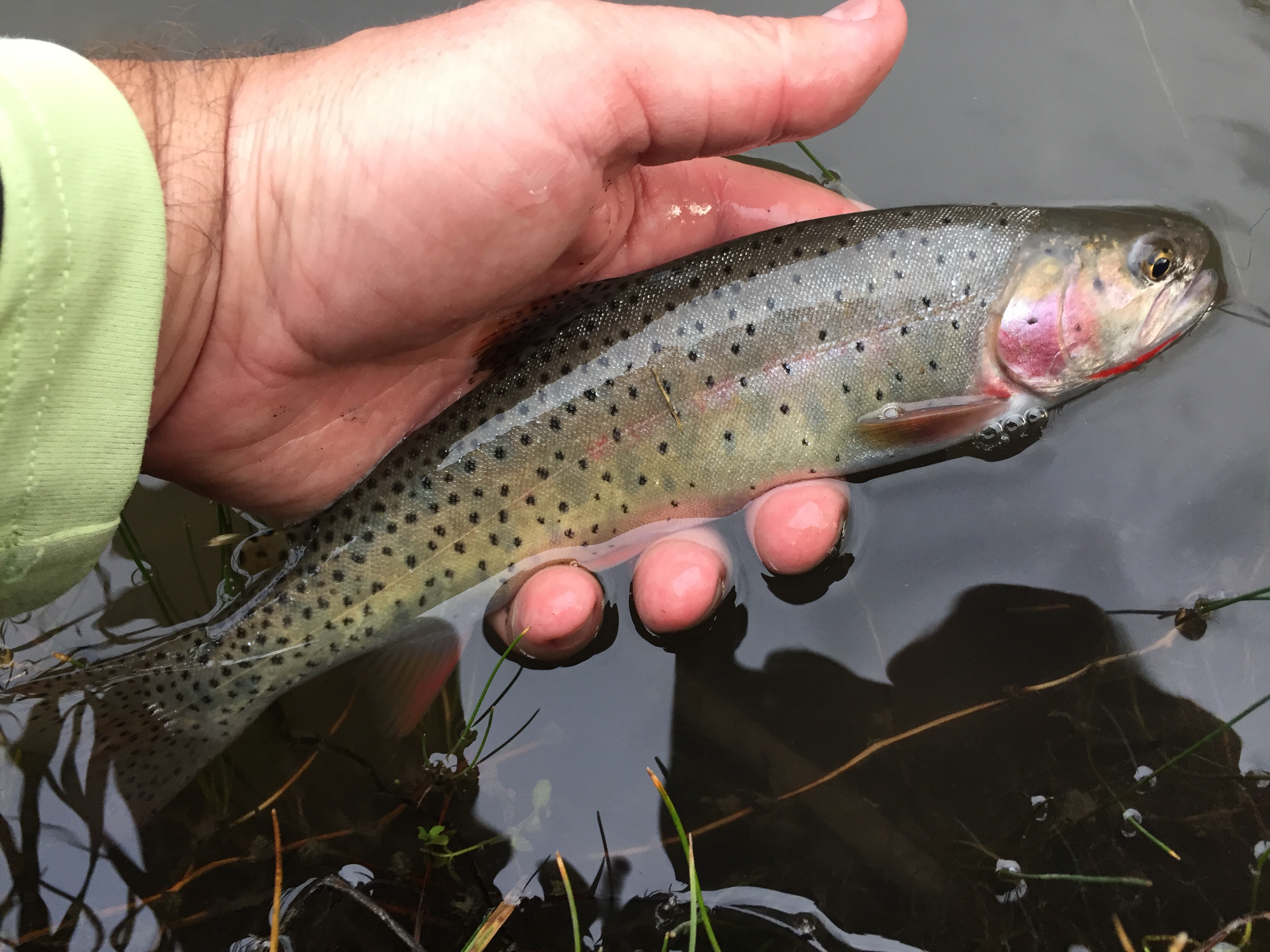
We only spent a couple hours on that stream before we figured it was late enough and we still needed to find a place to sleep and set up camp.
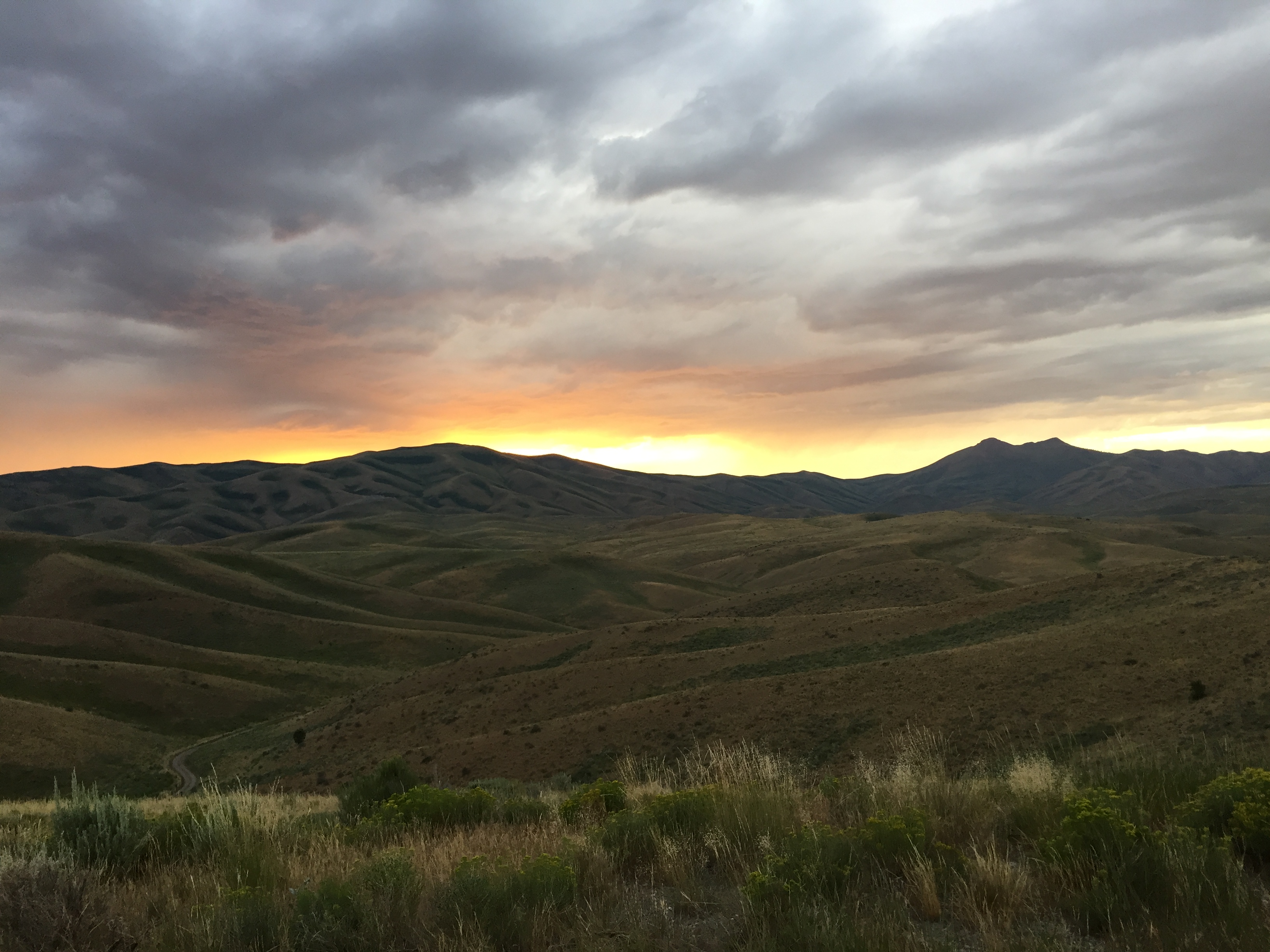
Much like Wyoming we’d be hammock camping each night in National Forest campgrounds (I like a real toilet). Unfortunately the nearest campground was still over an hour away, so we’d be navigating to and setting up camp in the dark. Thankfully I had printed out directions to get from place to place because there is not much cell coverage in rural Utah. We did well finding the roads we needed to turn on and dodging jackrabbits in the dark, but we were pretty confused when we pulled into someone’s driveway at 10:00 at night and three dogs surrounded the car barking up a storm, then we realized we made a wrong turn somewhere. We backtracked to the main road and righted the ship pretty quick, but that could have made for an interesting conversation should anyone have stepped out from that trailer.
The next day we’d wake up and head east, over to the Logan Canyon where we hoped to catch our second cutthroat species, the Bear River.

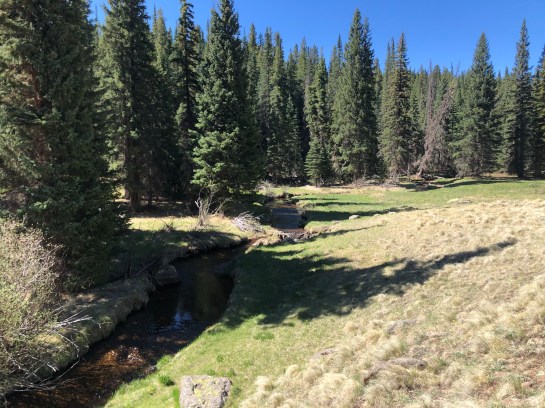
















 Mountains to Marsh