Archive

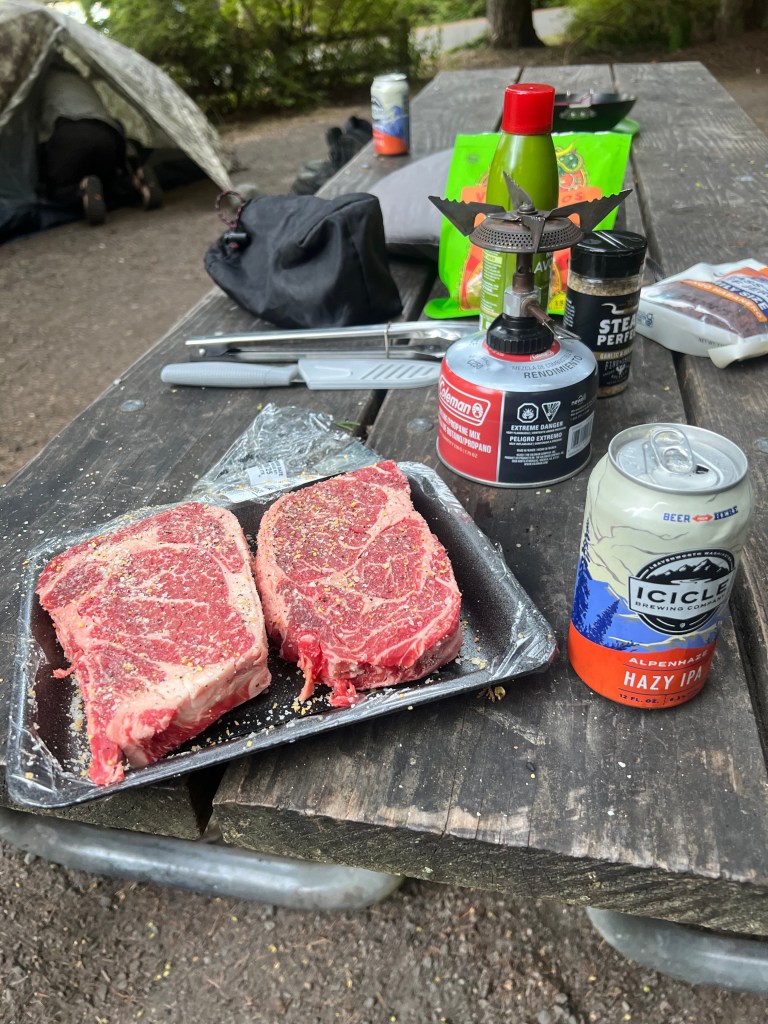
Camping

Blake and I took a trip last August up to the Olympic peninsula in Washington. We weren’t in search of steelhead, or salmon, but rather coastal cutthroat trout. Obviously, a salmon, or steelhead, would have been pretty badass to catch, but I really just wanted to experience fishing a temperate rainforest – or at least on the fringes of one – and catch the oldest form of cutthroat trout. I’m also not interested in taking trips to not catch fish, so steelhead aren’t high on the priority list as of right now.

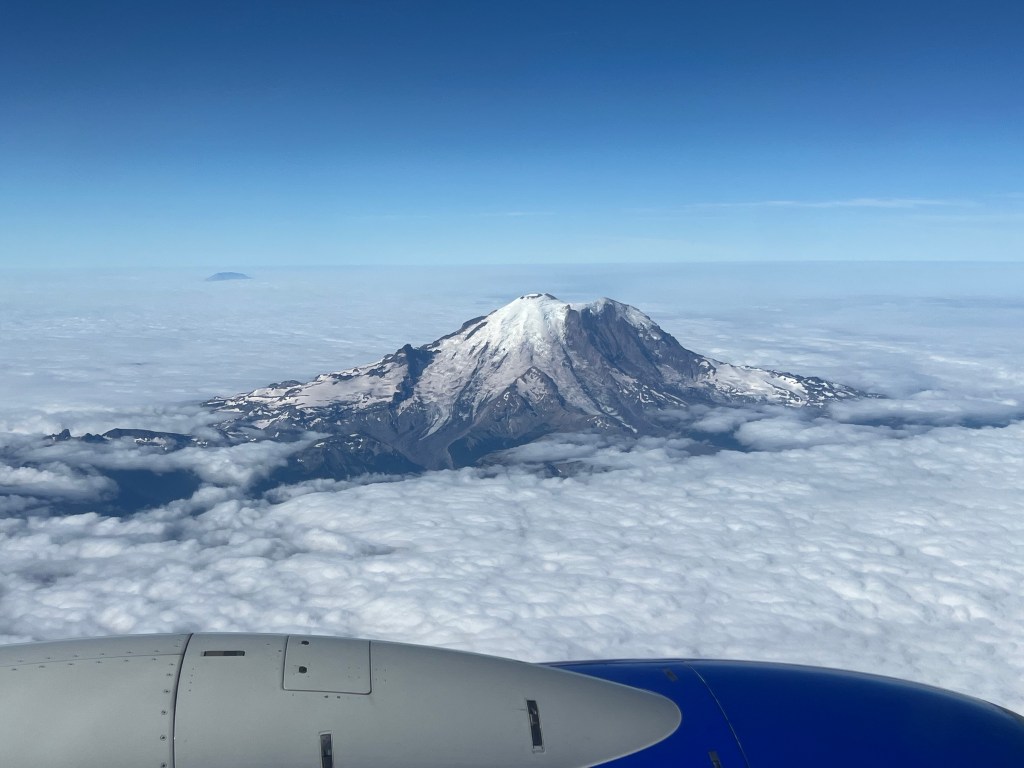
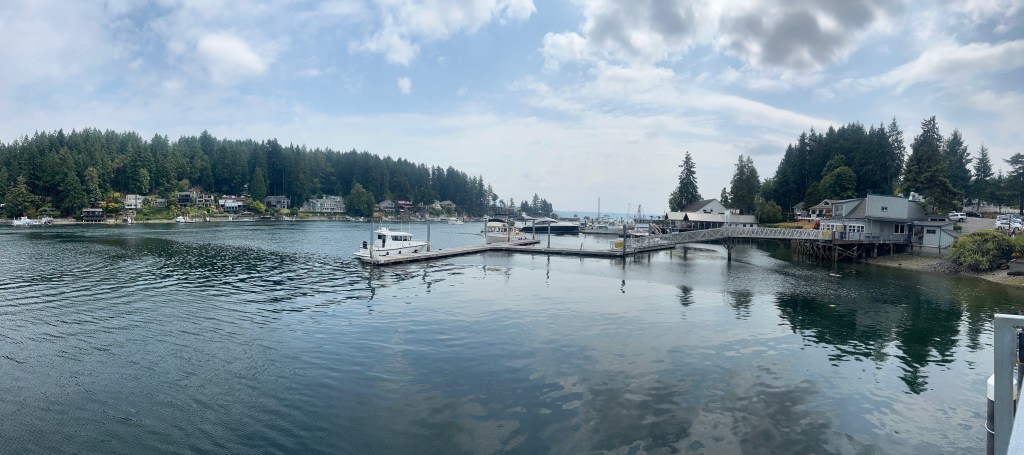
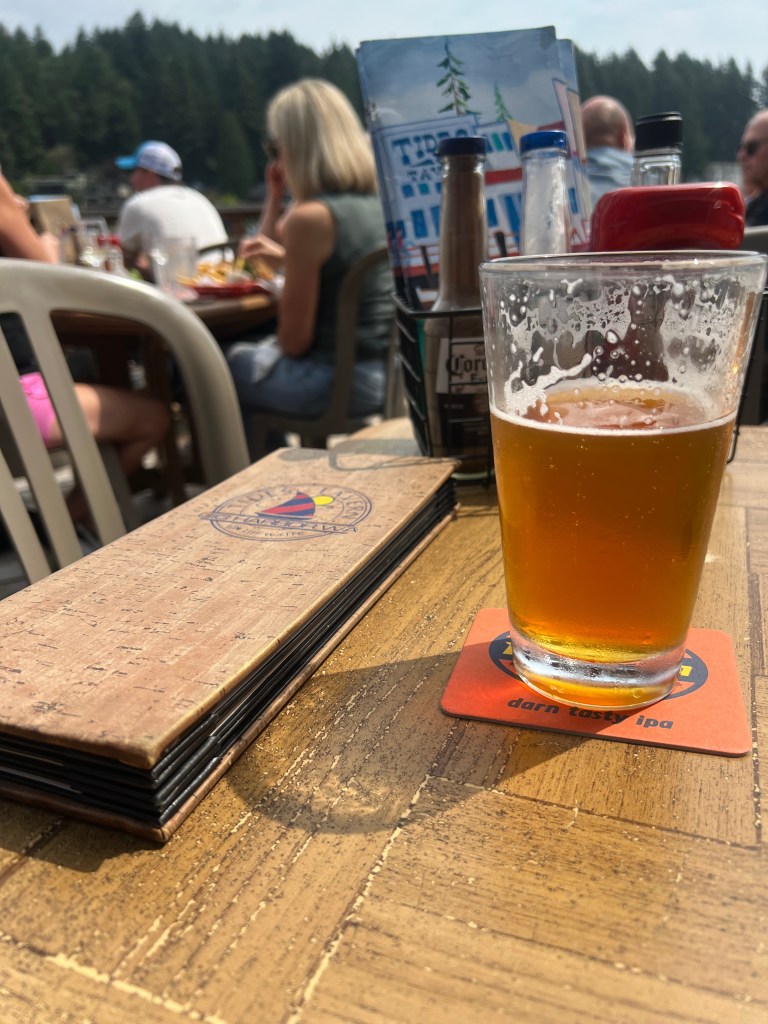
We got a pretty good look at Mt. Rainier on the flight into Seattle – this was my first time going to Seattle so this was a pretty cool site to see from the plane – a dormant volcano rising above the clouds. We picked up our Turo rental and headed to Gig Harbor – where we had lunch and made a stop at Gig Harbor Fly Shop. The young guy working was nice and as helpful as he could be being that they weren’t located on the Olympic peninsula so he didn’t get that way too often. The big takeaway for us was that he made it sounds like catching resident coastal cutthroat wouldn’t be too hard so long as we were on streams that had them. This is pretty much how it goes with native blueline fish everywhere, which is one reason I like them so much, they’re always hungry and generally not that picky. Lunch was good too and Gig Harbor was a cool little seaside town, but we weren’t staying long as we wanted to set up camp and try and get out and fish before it got dark.

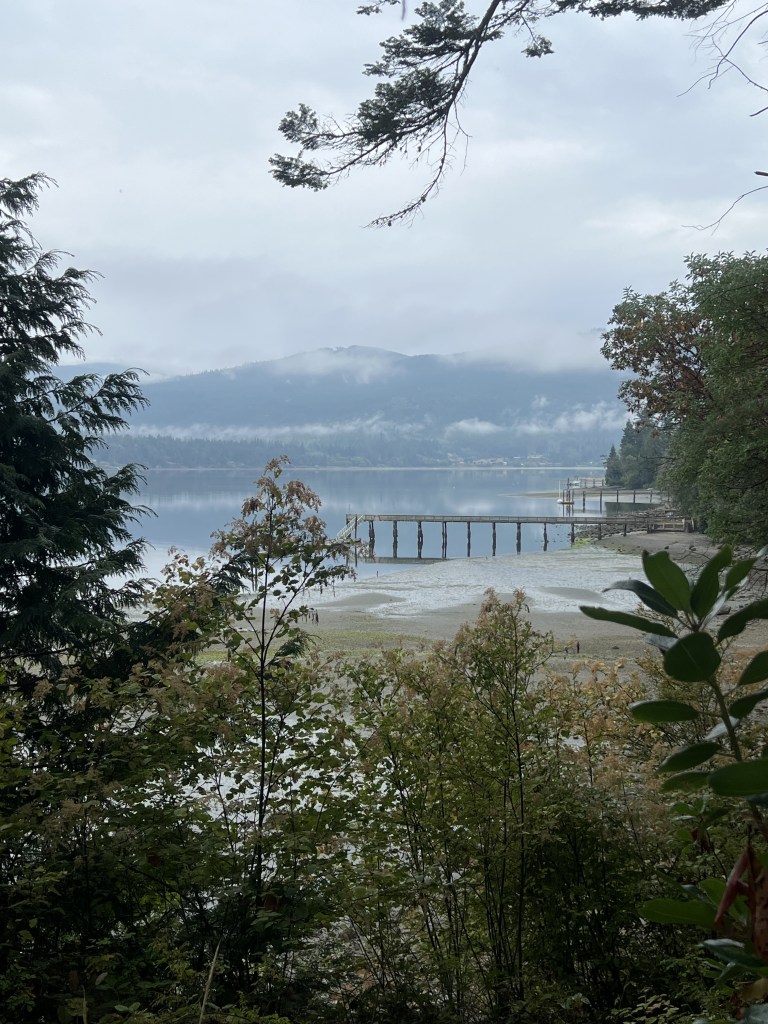
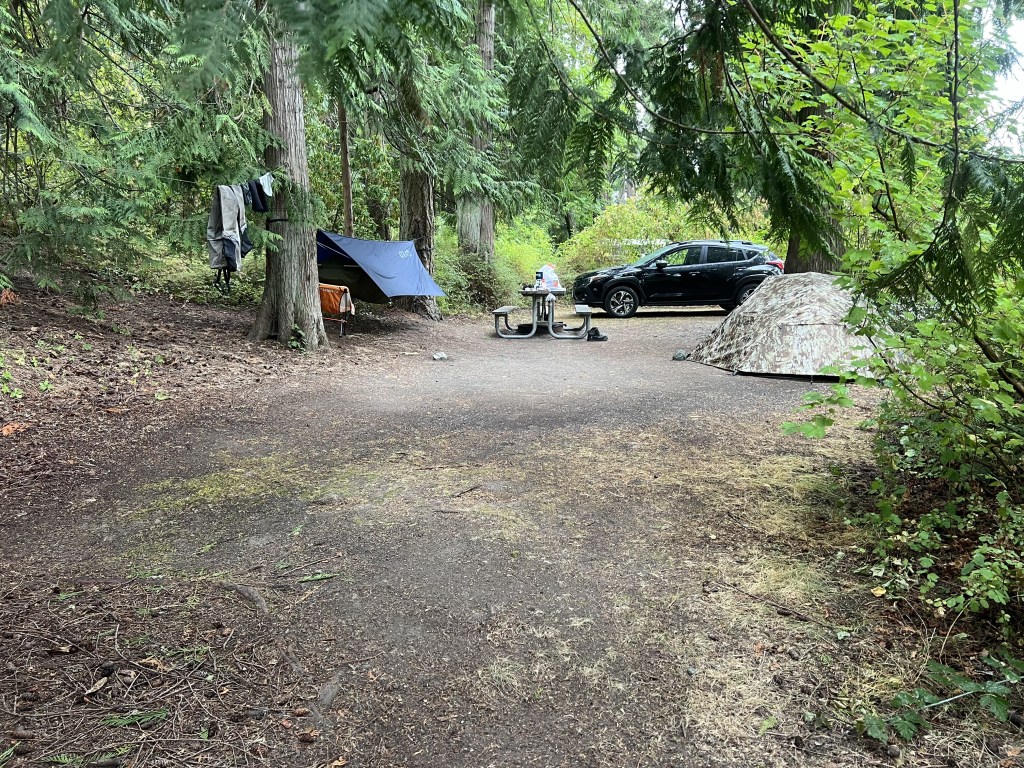
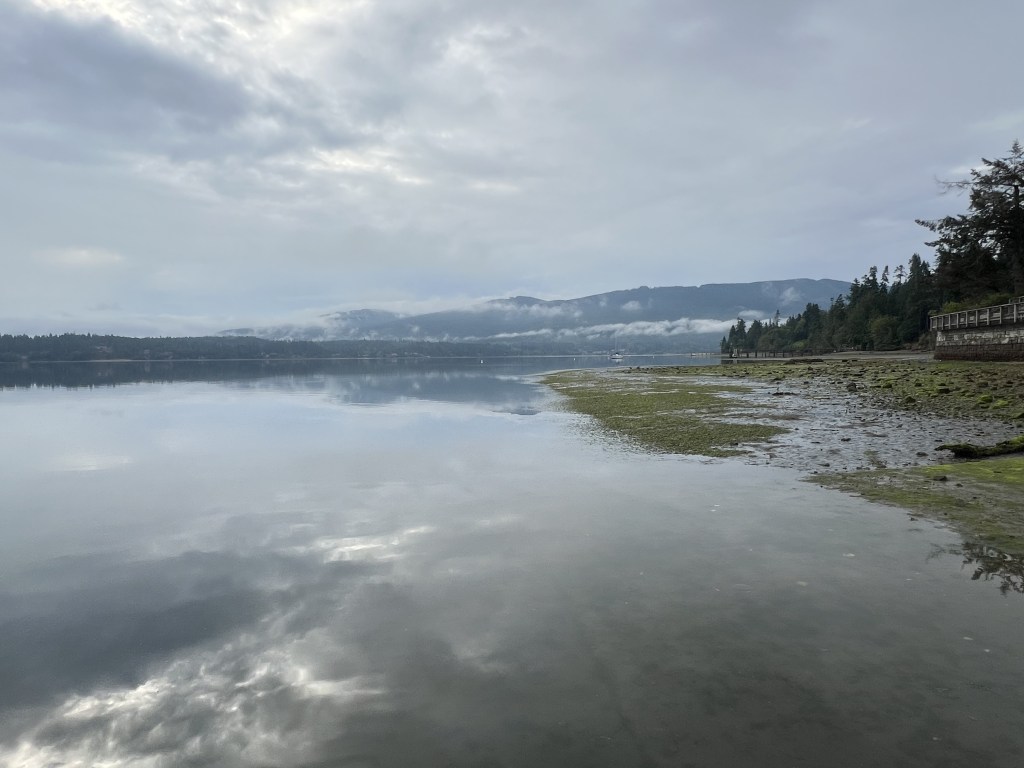
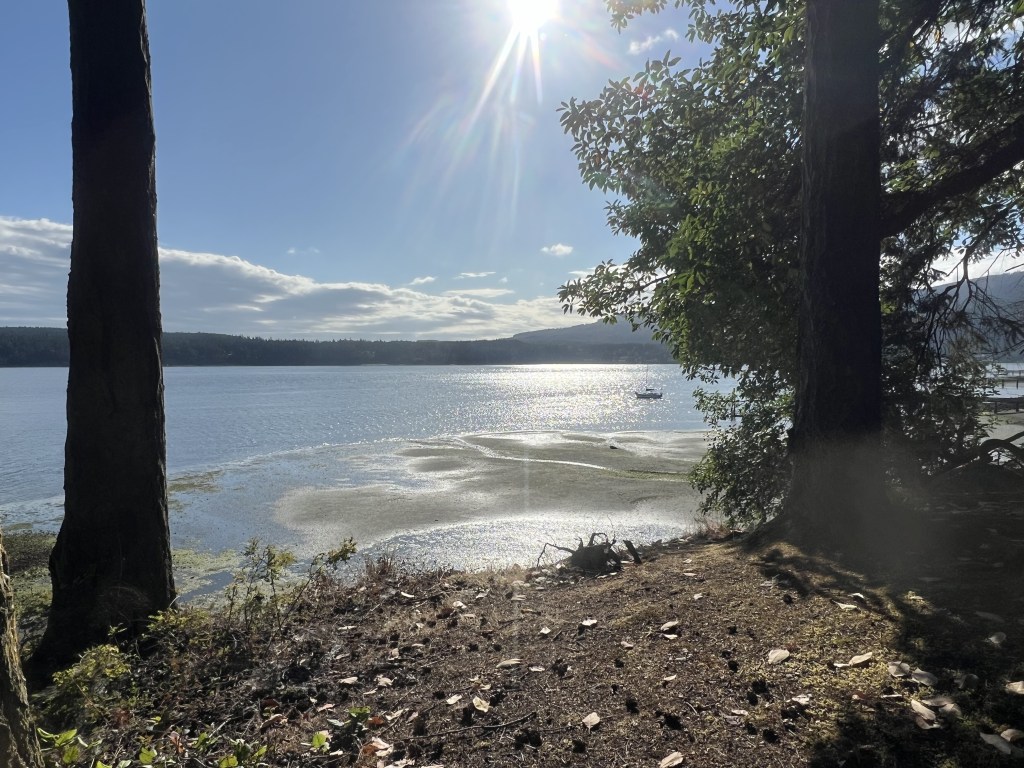
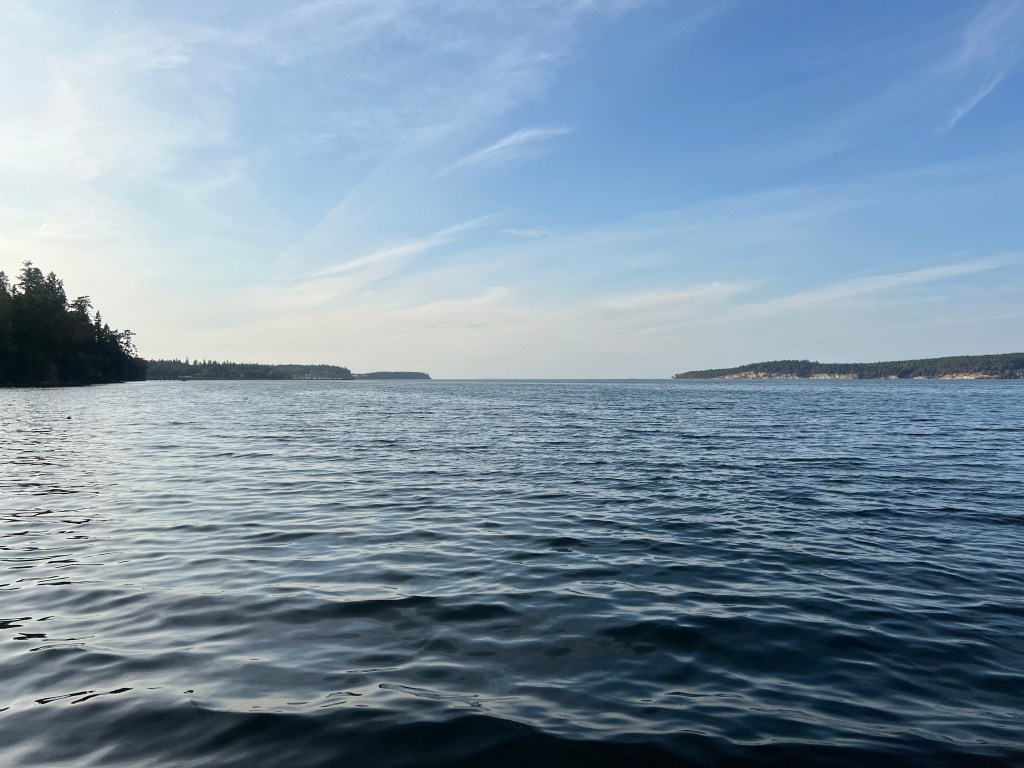
For this trip we decided to set up camp in one spot and just venture out from there. Our home base for the trip was Sequim Bay State Park. I picked that spot because I figured camping in the rainshadow part of the Olympic peninsula was probably a good idea and we weren’t that far from streams on the northern and eastern side of the peninsula. I was a little worried that being so close to the highway we’d hear road noise all night, but that wasn’t an issue at all. It was a beautiful little park, right on Sequim Bay, and ended up being a great spot for the whole trip. After we set up camp we set out for the Olympic NF to get some time on the water that evening.

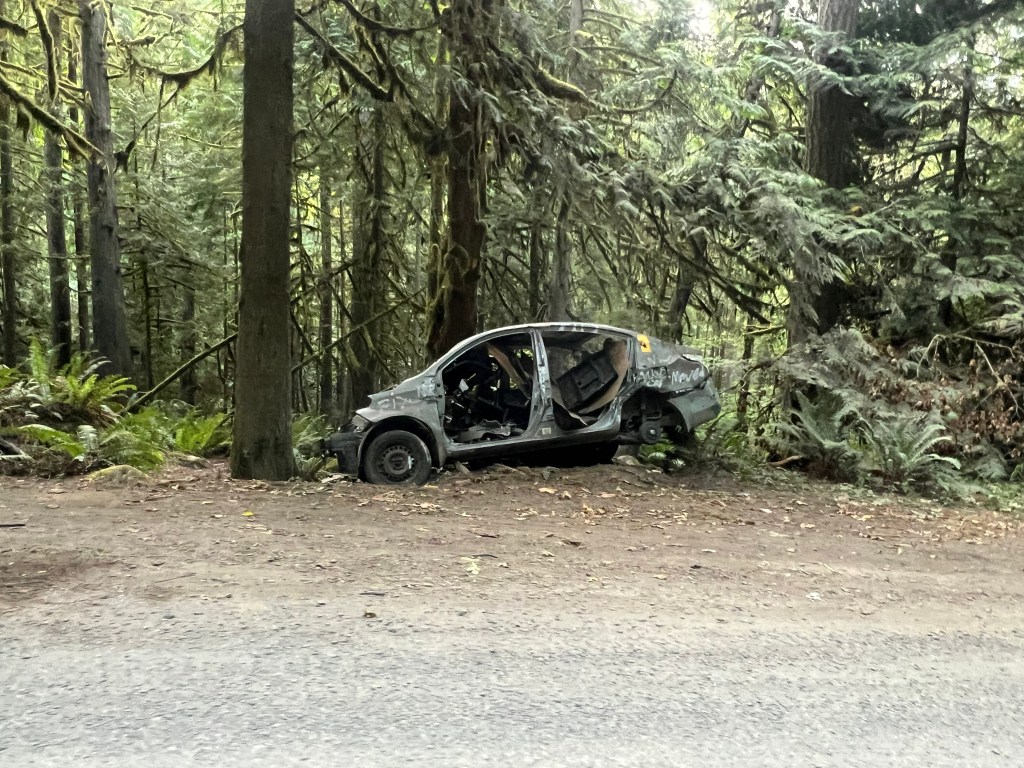
I’m so used to having to go high in elevation to fish for trout that these Olympic peninsula trout were throwing me off in my planning because that wasn’t the case here. We didn’t need to go high in elevation as they also live in the estuaries – they’re found throughout the entire system. That’s a wild concept to someone from the south, lol. So we drove into the national forest and headed for a creek we were told had them, parked at the first spot I could find, then hiked down to the creek. In hindsight I may have wanted to be a bit more discerning when it came to parking spots, as there was a small RV parked in a spot much further ahead, but I was eager to fish, and wasn’t sure the parking/hike-in situation further up. One would think seeing a burned out car right when you cross the forest service boundary would be a deterrent, but man I was itching to get on the water!
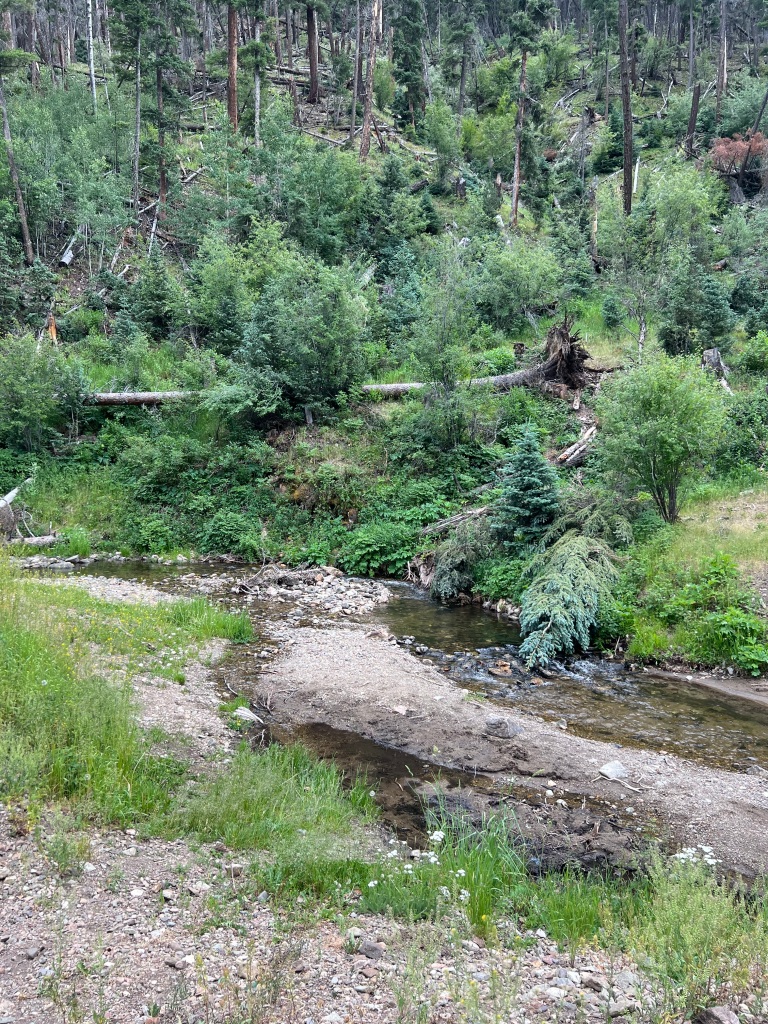
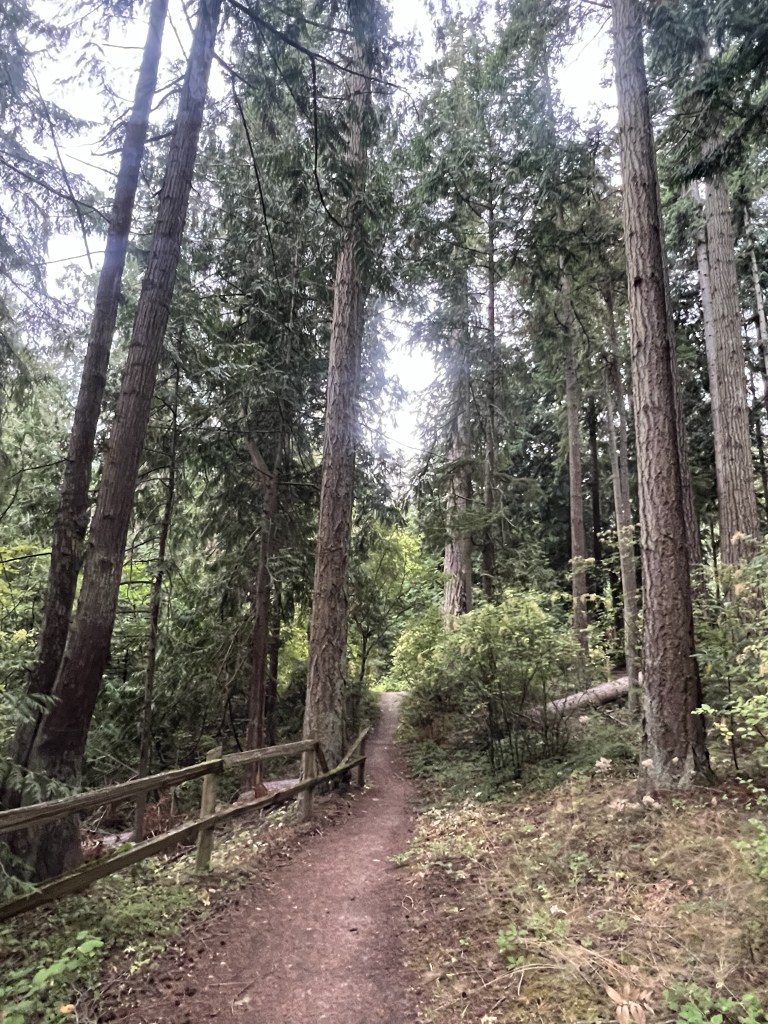
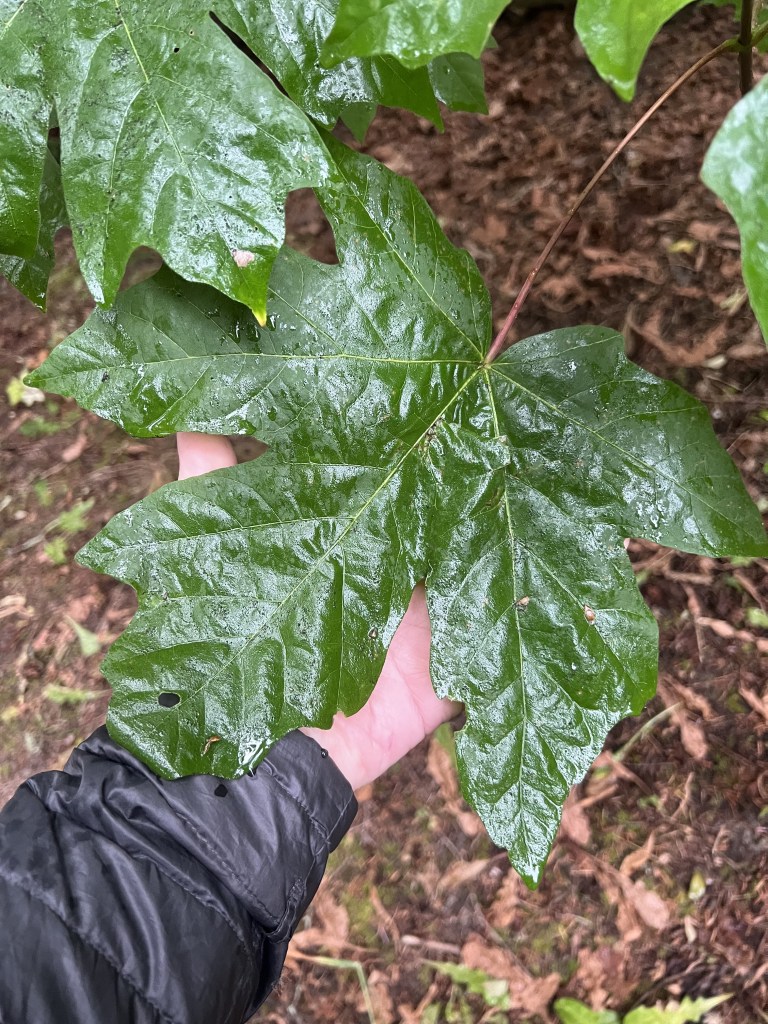
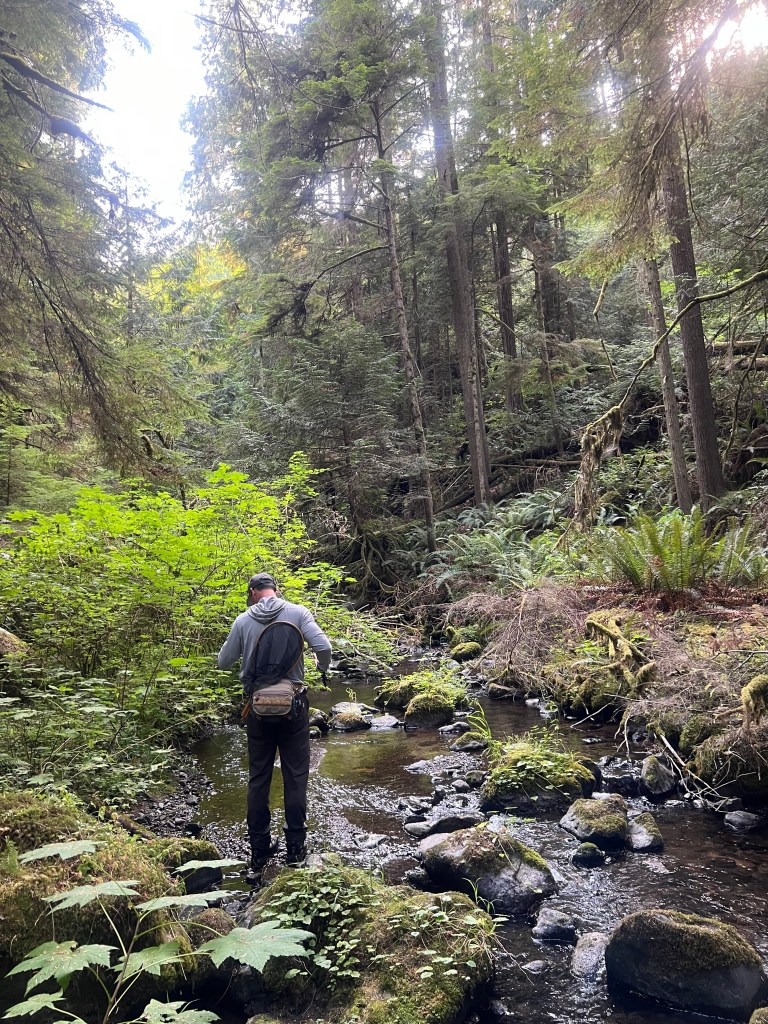
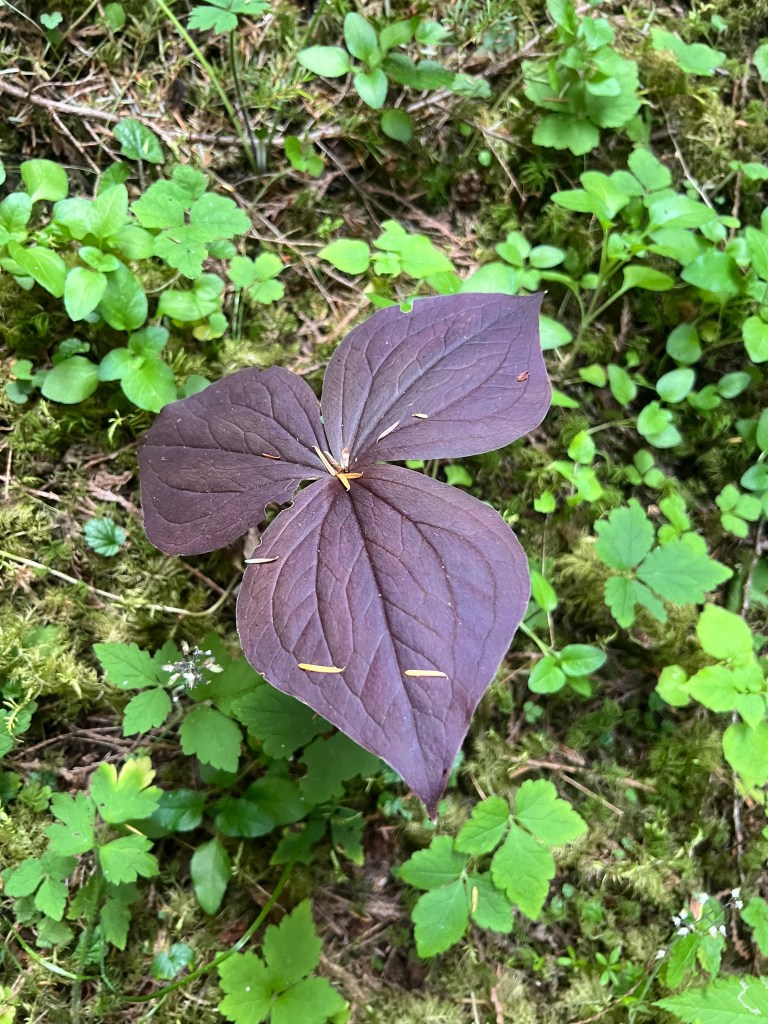
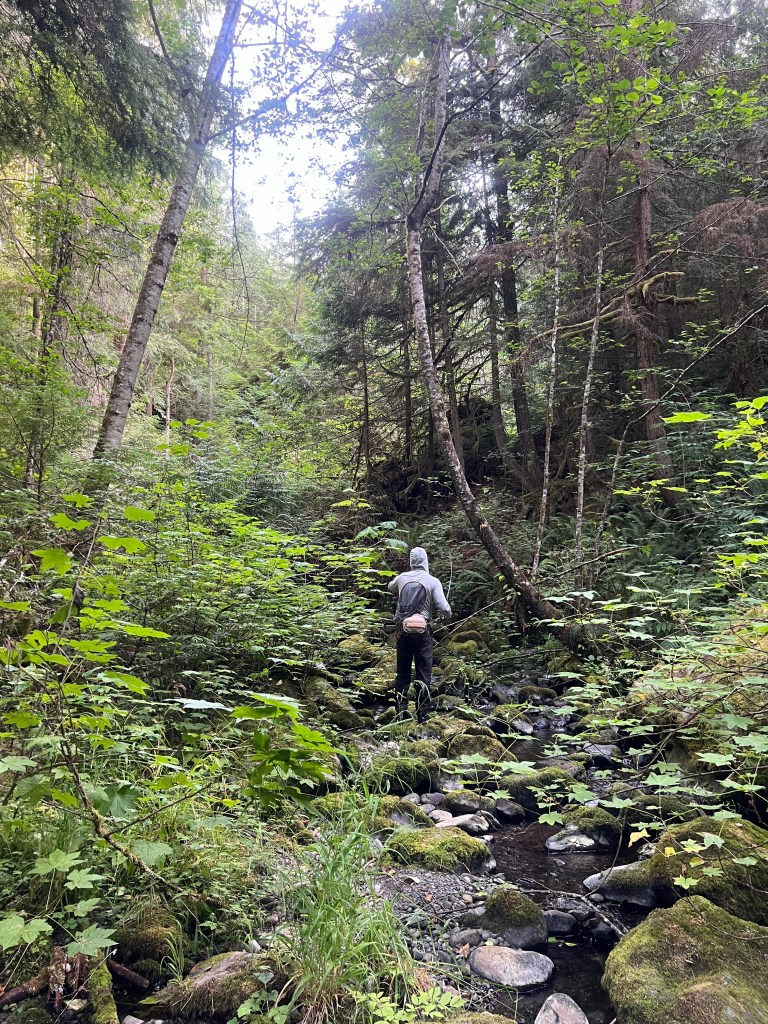
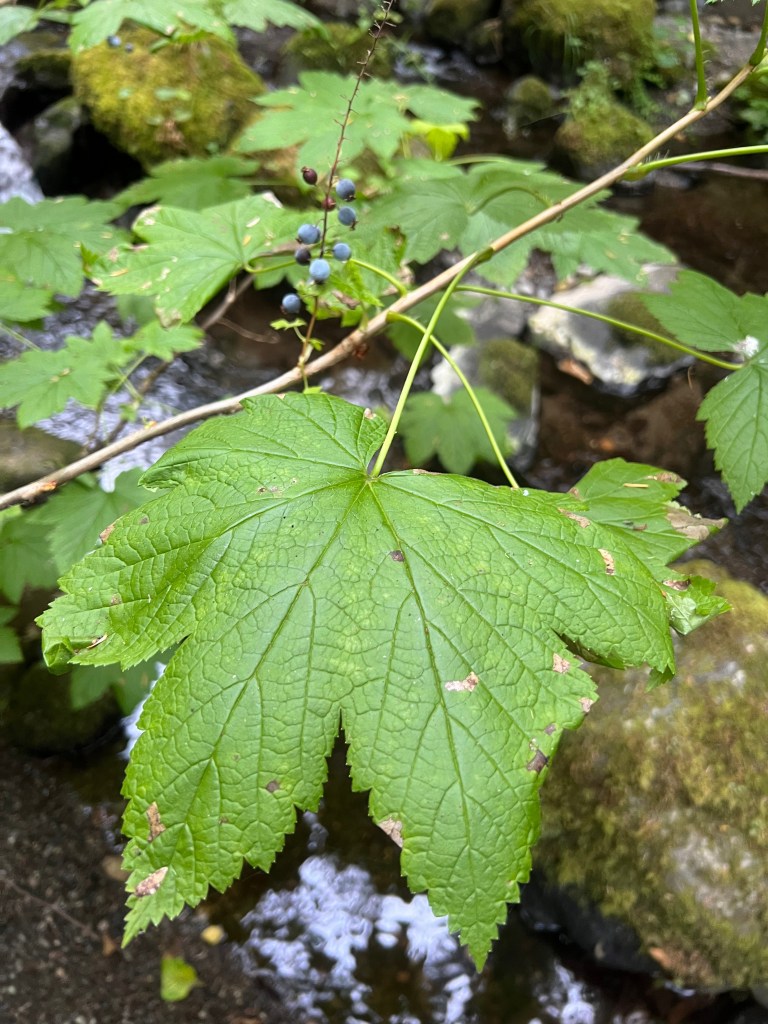
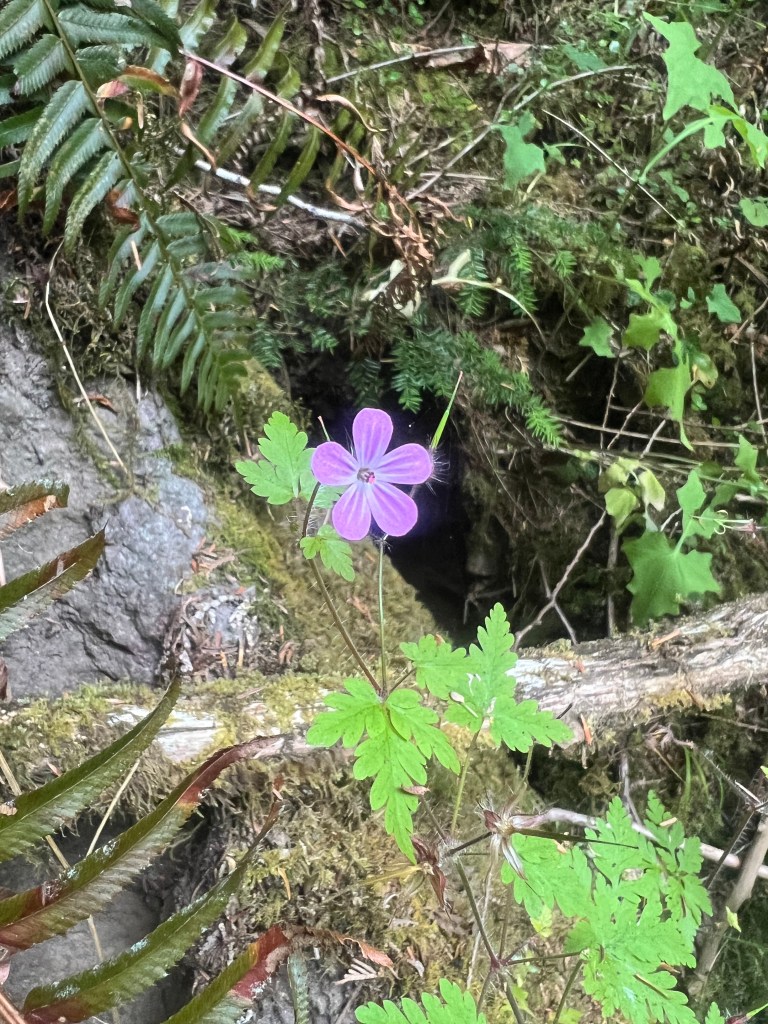
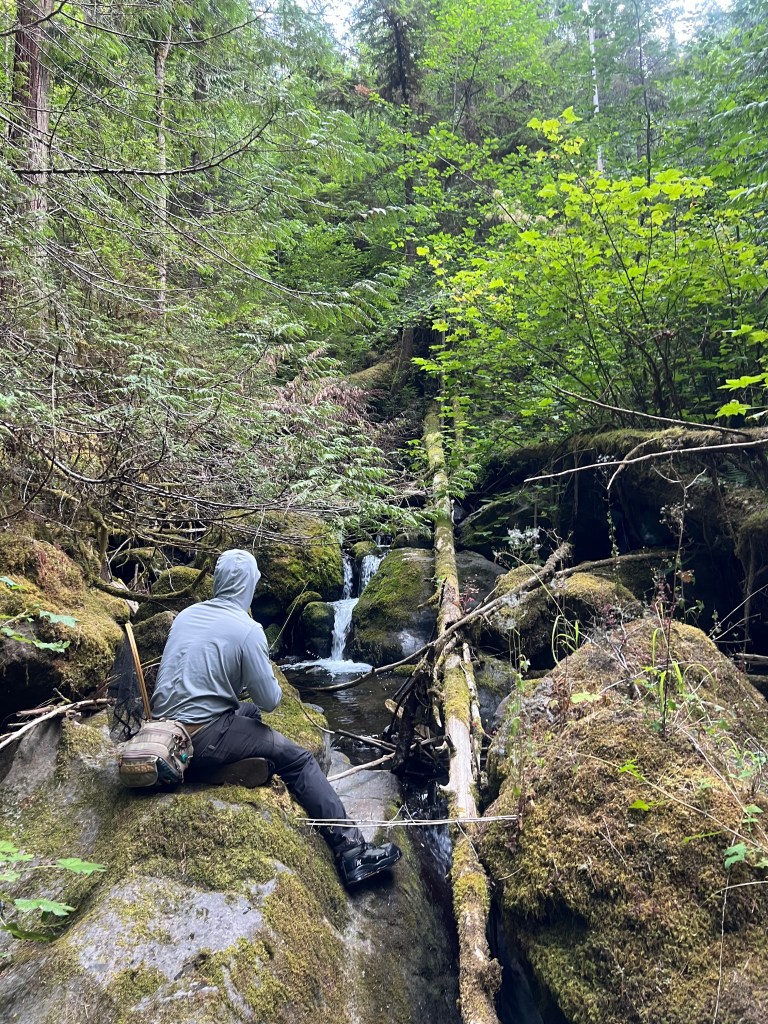
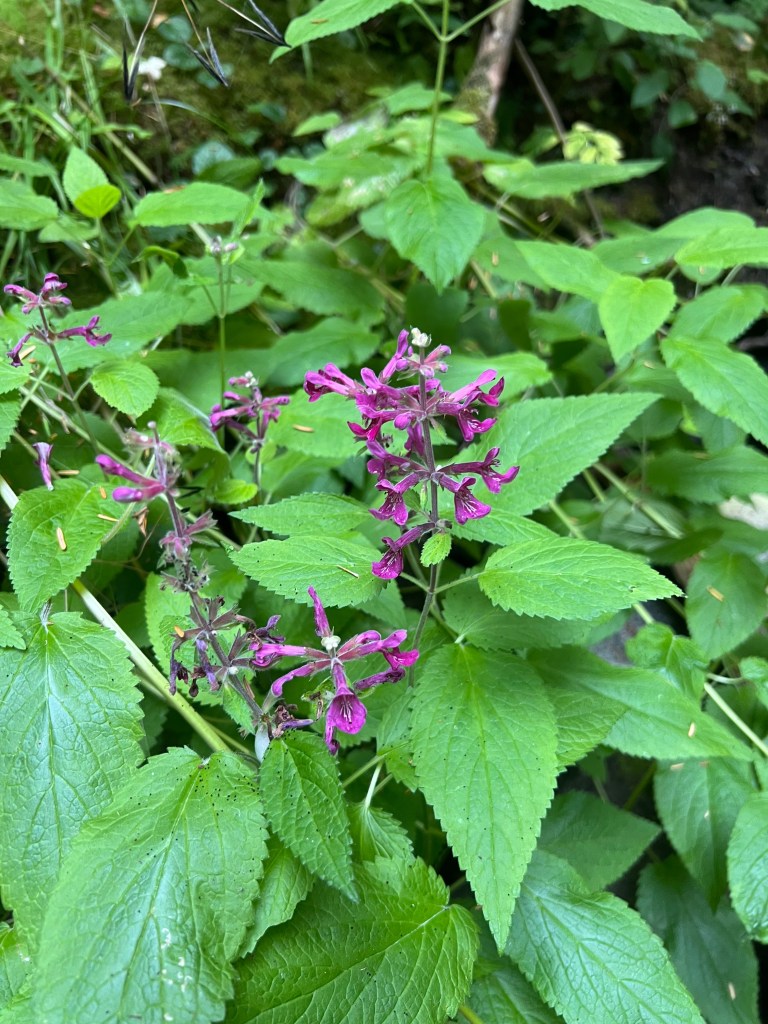
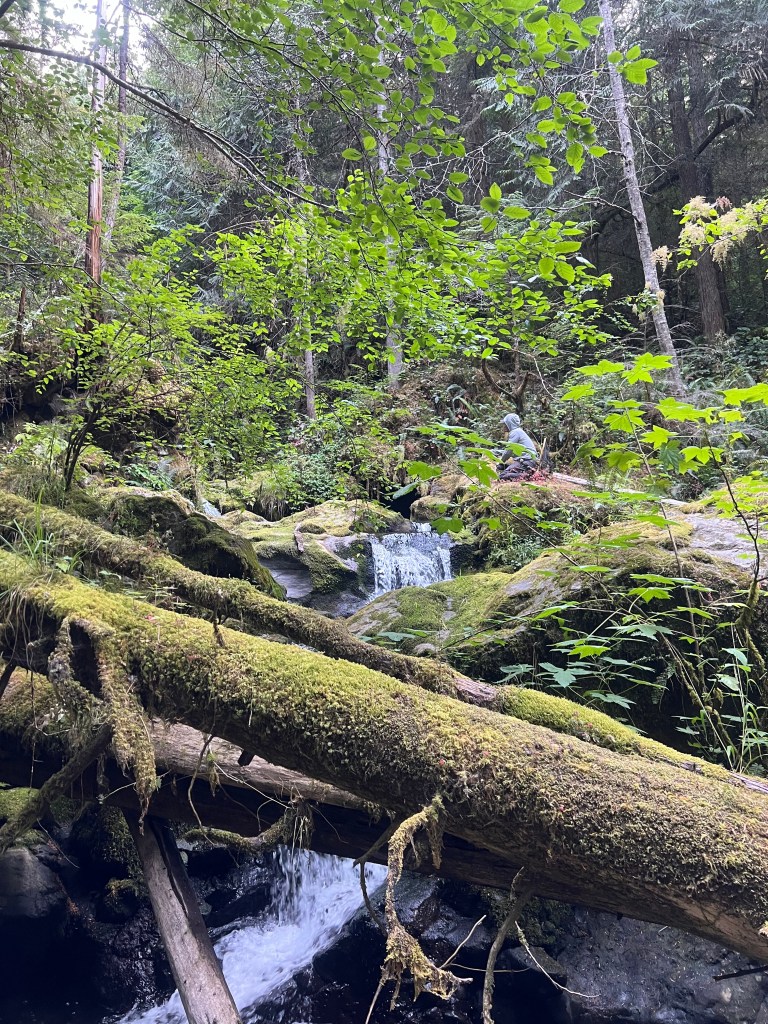
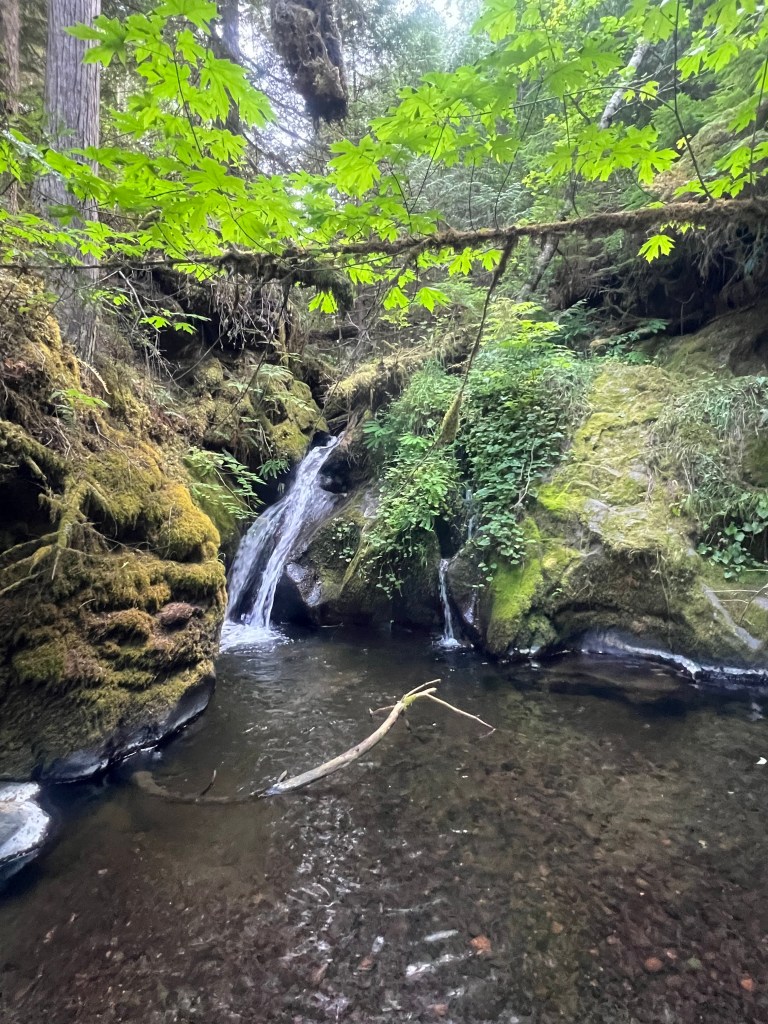
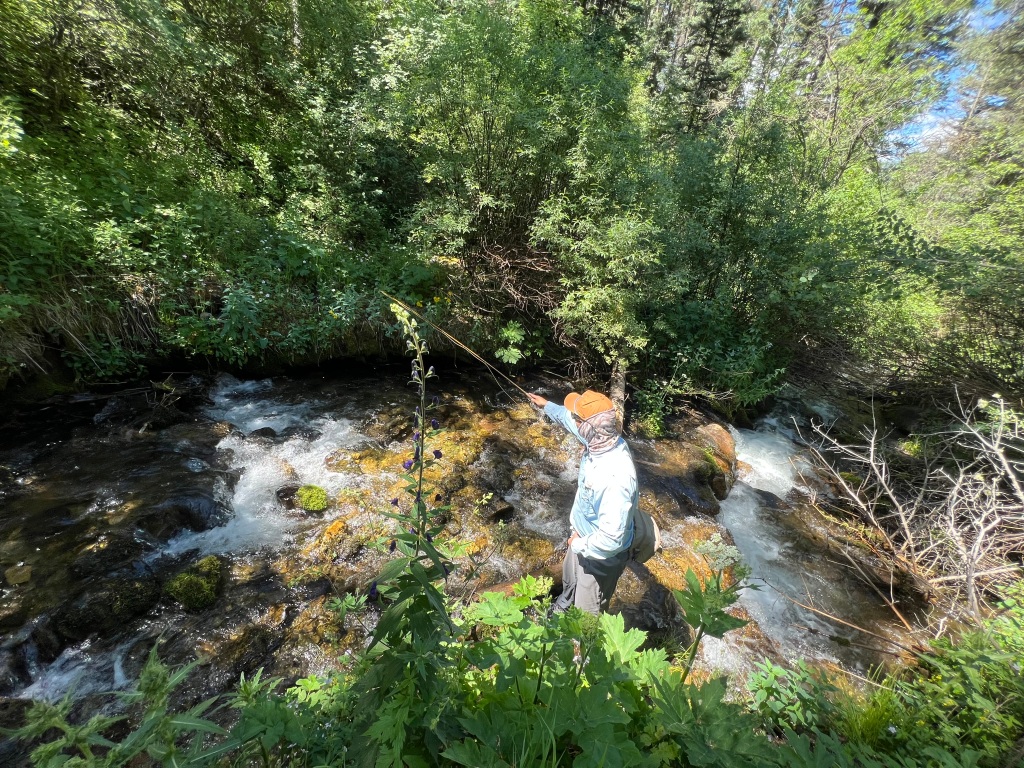
When we made it down to the creek it was pretty clear this was going to be some tight, technical fishing. The water was pretty low and clear as well. This seems like pretty typical late summer conditions in any mountain range. Honestly the creek didn’t seem that different than those you fish in North Georgia, so I really didn’t feel too out of place here. The forest felt different though – the plants were certainly different than what you’d see down south. The forest floor was porous too – bushwhacking in meant stepping through the ground in places – that’s how much organic material was on the ground, kinda wild stuff.

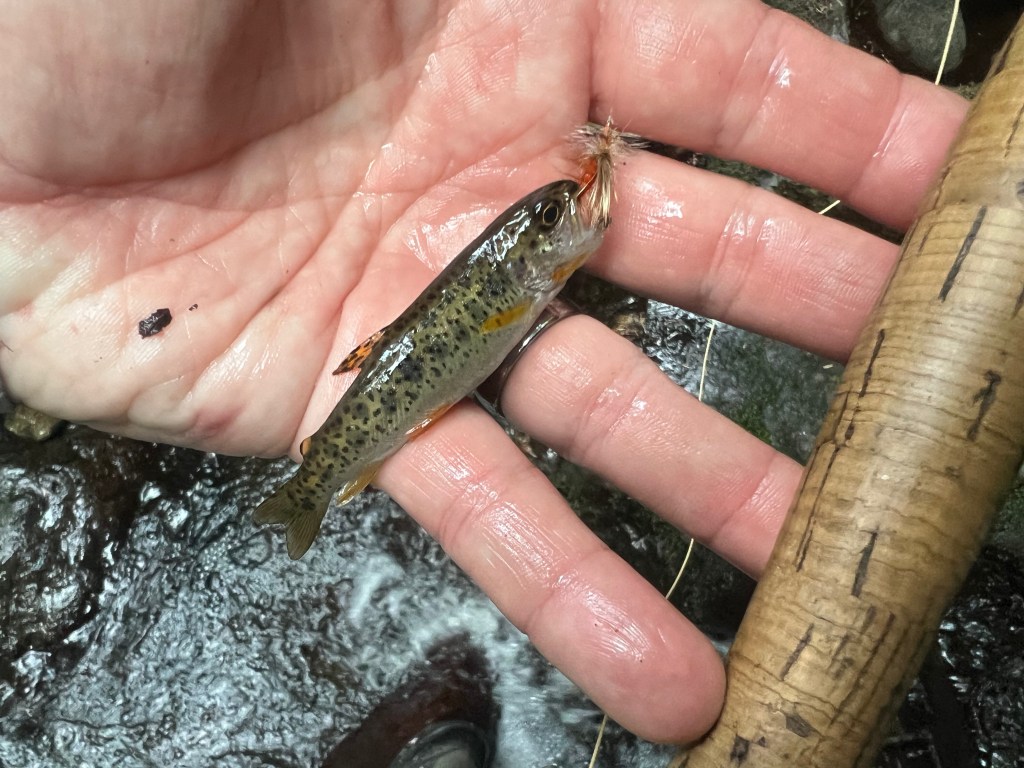
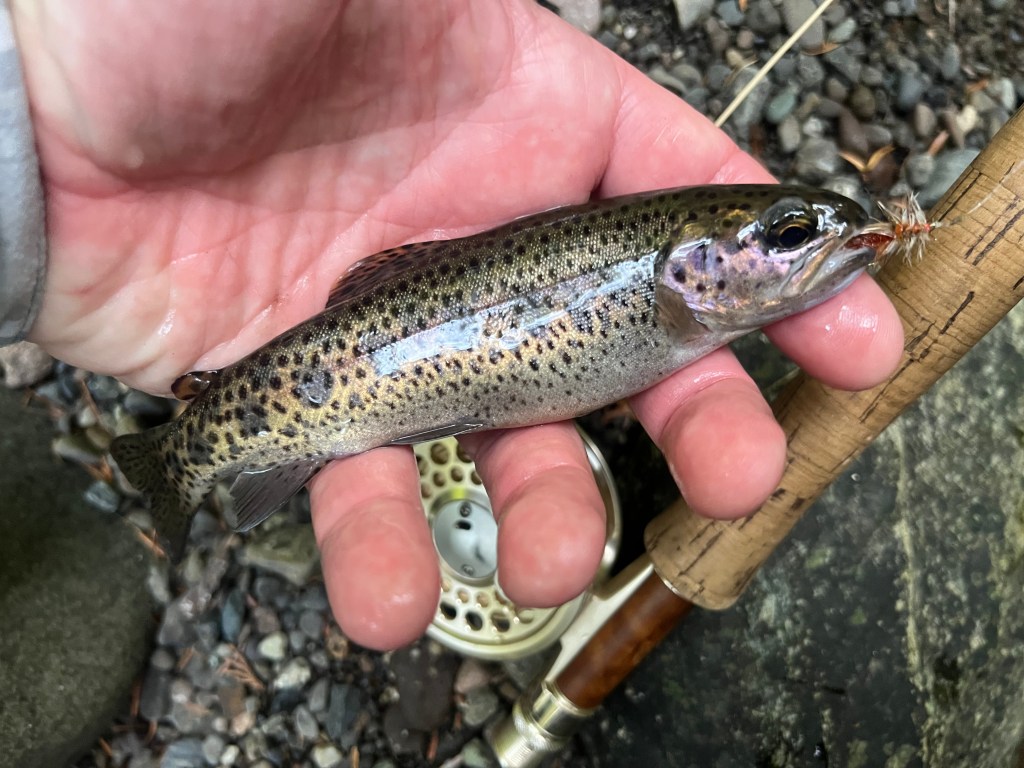
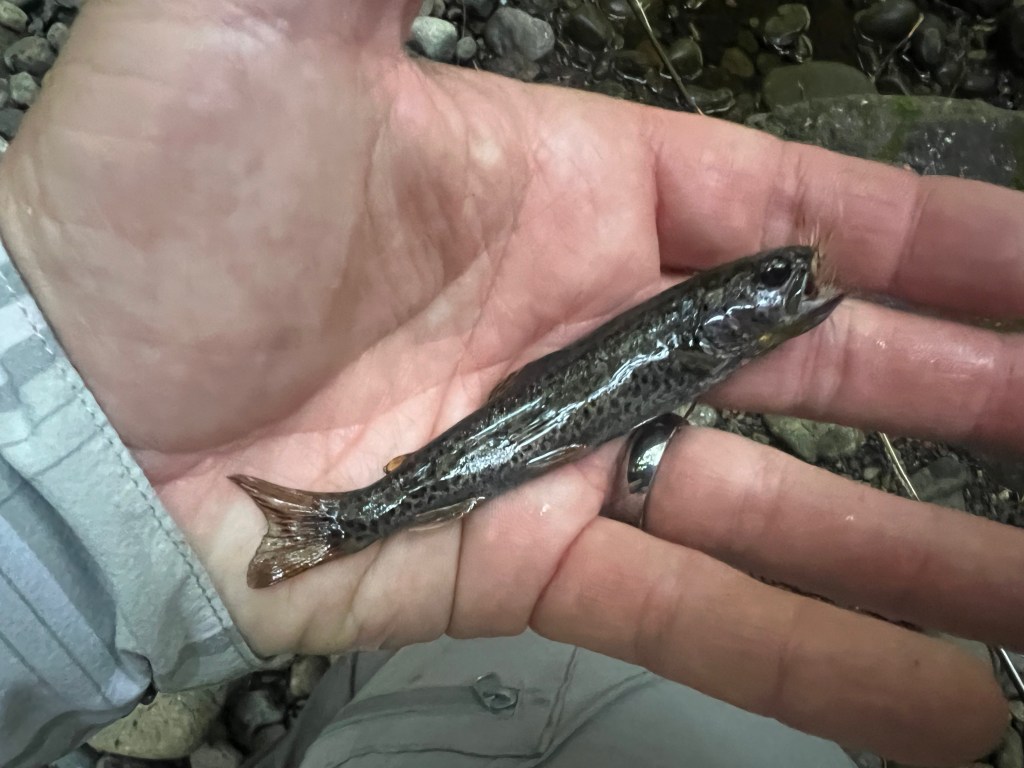
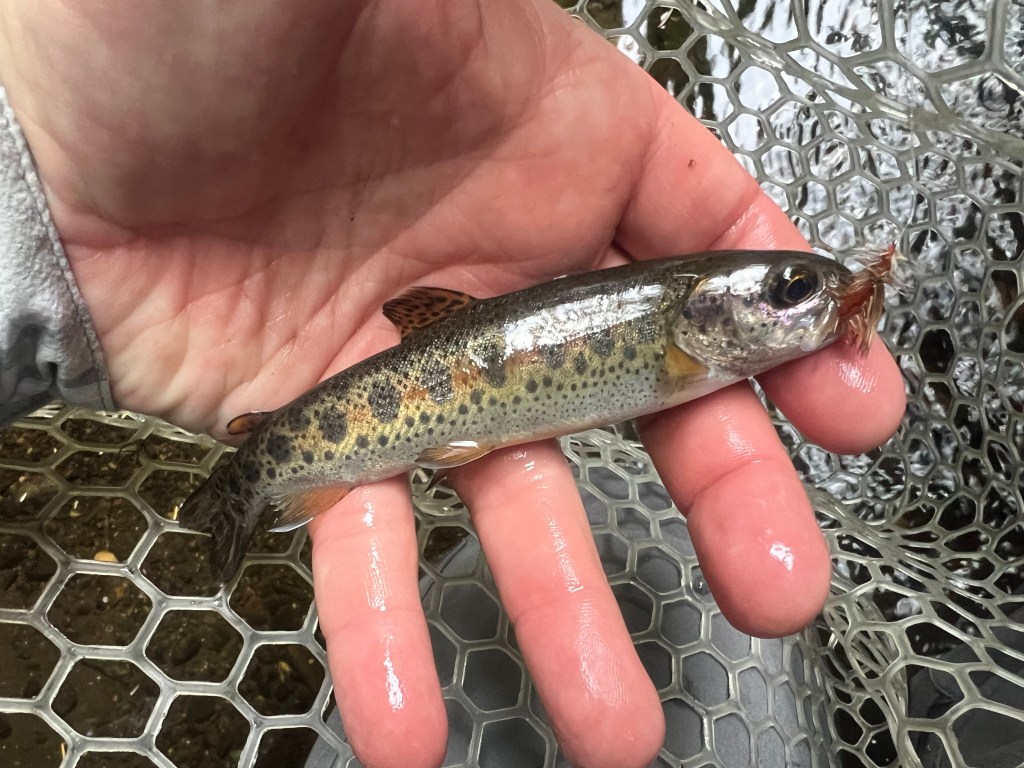
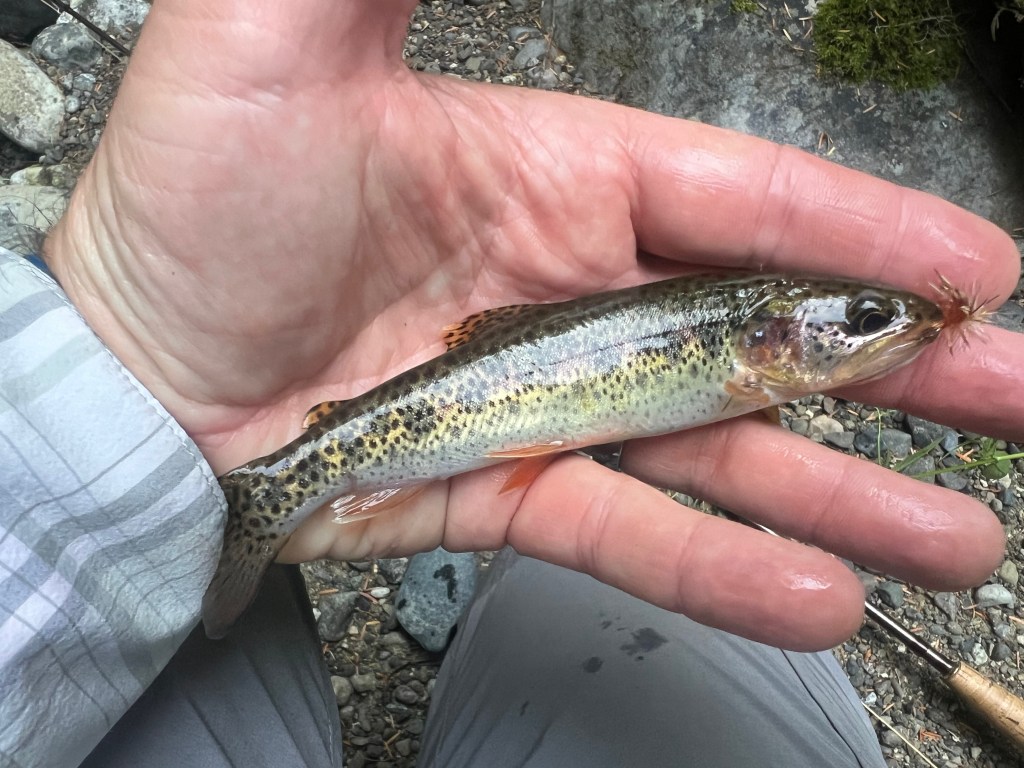
I caught a little trout pretty early on, that I think was a coastal cuttroat, then followed it up with a slightly bigger fish, but I honestly couldn’t tell you if it was a pure coastal cutt, or if there was some rainbow trout genetics here. I followed that up with another small salmonid that I honestly don’t know what it was – I’m just realizing this now as I’m looking back at the pictures, lol. There were lots of little fish here, but catching something is always better than catching nothing, so I was pretty happy about fish rising to take dries.

The stream elevation started to increase and with that the waterfall/pool complexes did as well, but we made it to a section of the creek that just really weirded us out. We started noticing a bunch of homemade shelters on the side of the hill and there were some obviously well worn paths around this part of the creek. I even found a stash of supplies. I was guessing we had made it below where the RV was parked. Seeing as how it was getting late anyway and we weren’t really interested in making new friends with anyone who may call this spot home, we decided to hike out. The easiest route out would take us right up to where the RV was parked, which in hindsight probably wasn’t very smart on our part, but thankfully no one was outside. As we passed Blake pointed out the Narcan packaging sitting out on their camp table ready to be put to use! It really did feel a lot like North Georgia up here after all, lol.

We caught some fish and made it back to the campsite without issue – so first day was a success. Tomorrow we’d try to catch some “no doubter” resident coastal cutts, hopefully a little bit farther away from civilization.

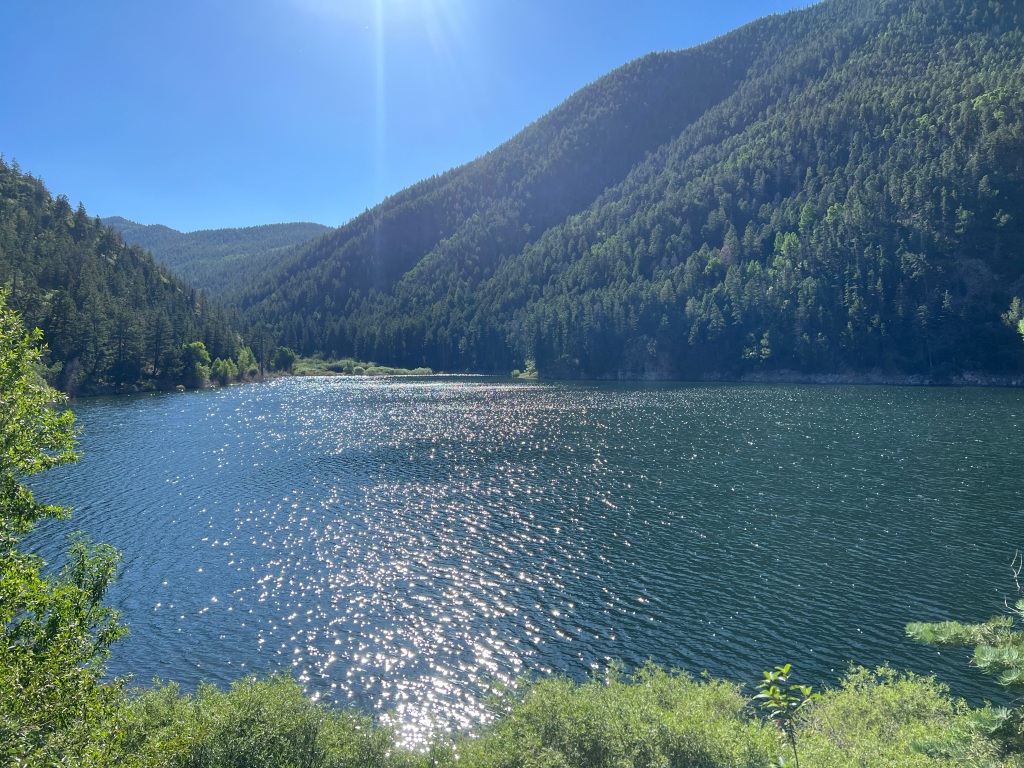
On day two we continued fishing our way through the New Mexico Trout Challenge. We packed up camp and headed to a nearby lake that held both Rio Grande cutthroat and brook trout, at least according to my prior research. We both needed a brook trout and Blake still needed an RGCT before we could move on and try our luck for anything else. The stream we would pass on our way out supposedly held all four species of fish, so the idea was to knock out brook trout and RGCTs at the lake and rainbow trout in the stream and finish out the Challenge before we left for southern Colorado that afternoon.

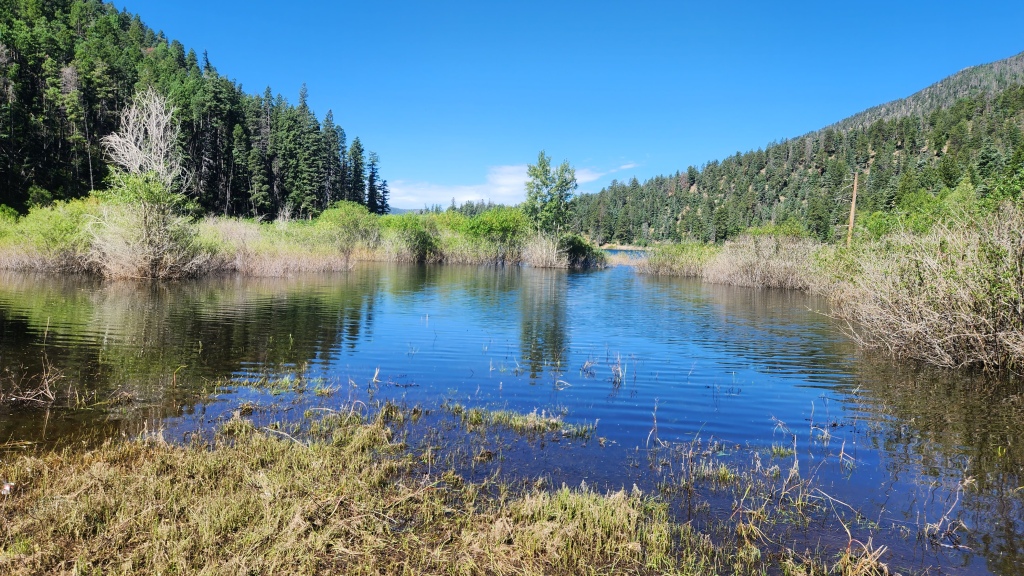
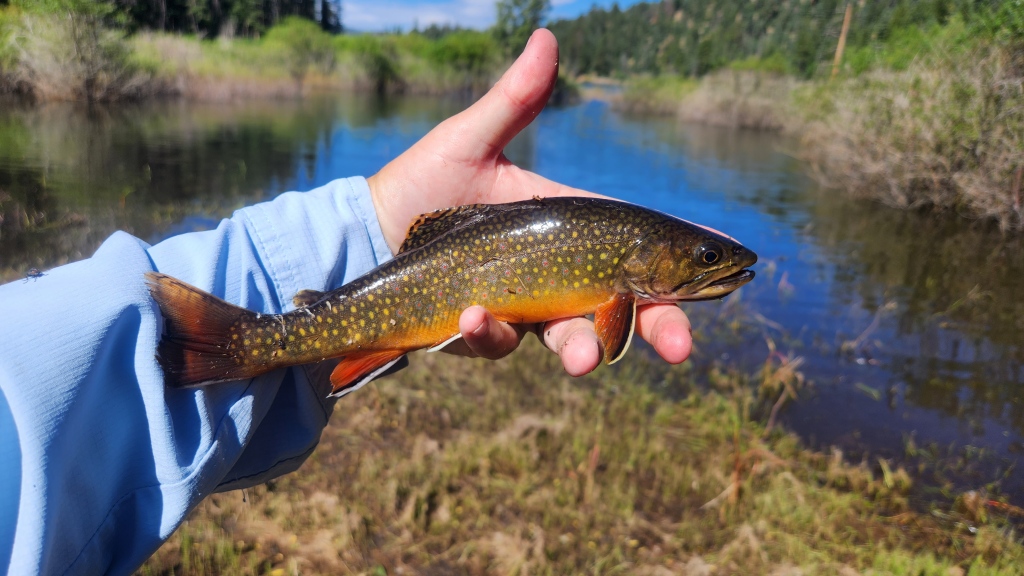
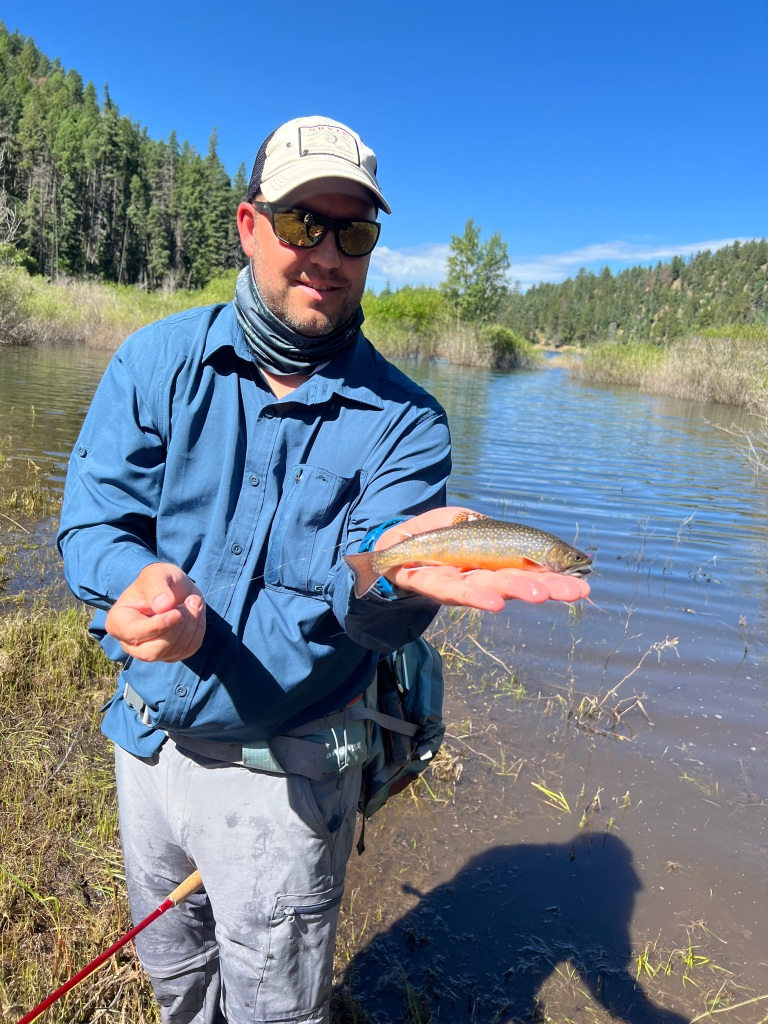
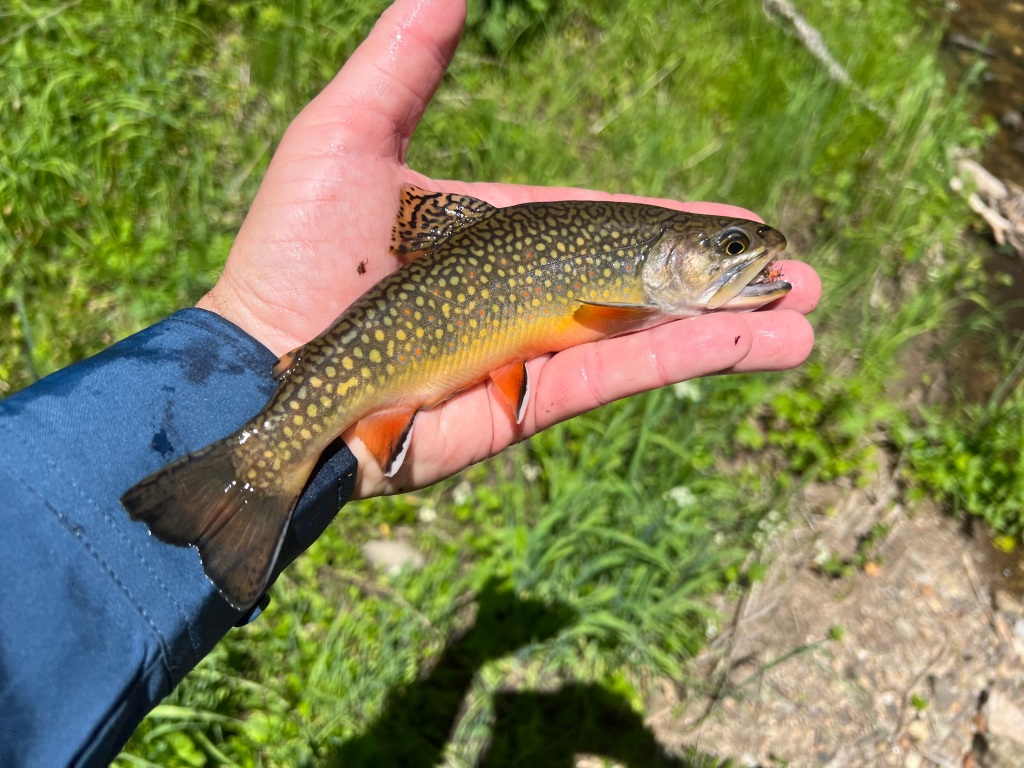
We hiked around to the far end of the lake, away from the parking lot, looking for where the feeder stream entered the lake hoping to target fish there. In my limited experience with trout in lakes, the inlets and outlets of those systems tend to hold fish. That area of the lake was a little difficult to access, but after some bushwhacking we made it through. Sure enough, Blake caught a gorgeous brook trout behind me to start things off and after a bit of probing, I settled down in a spot where I could see fish moving about.

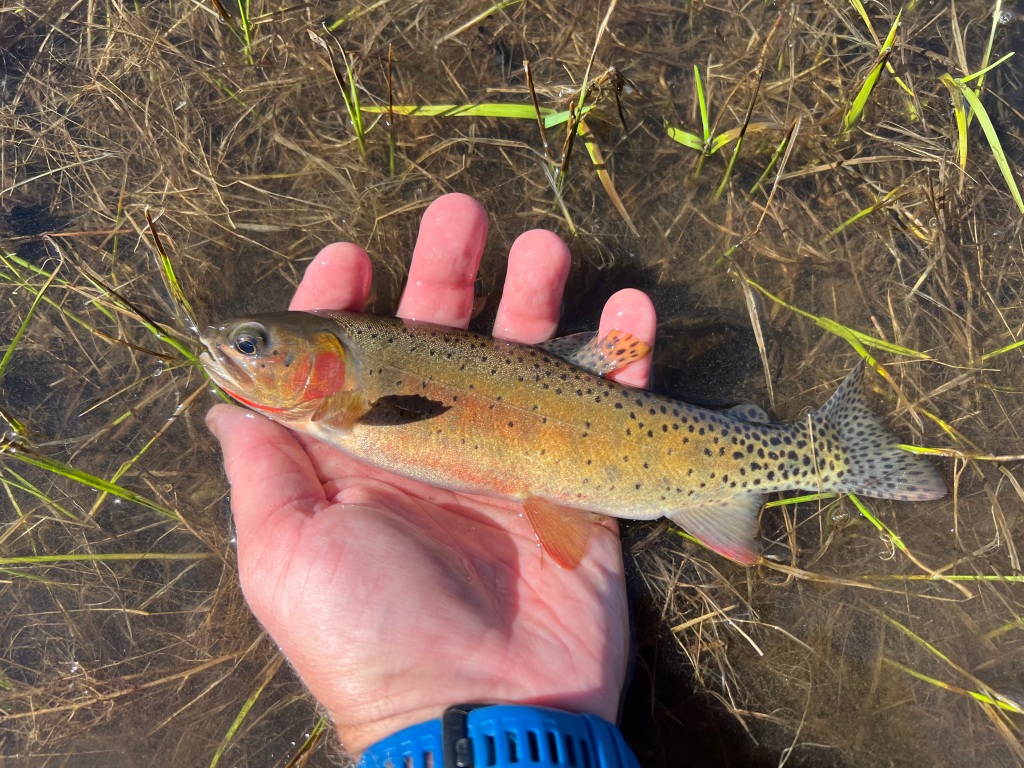
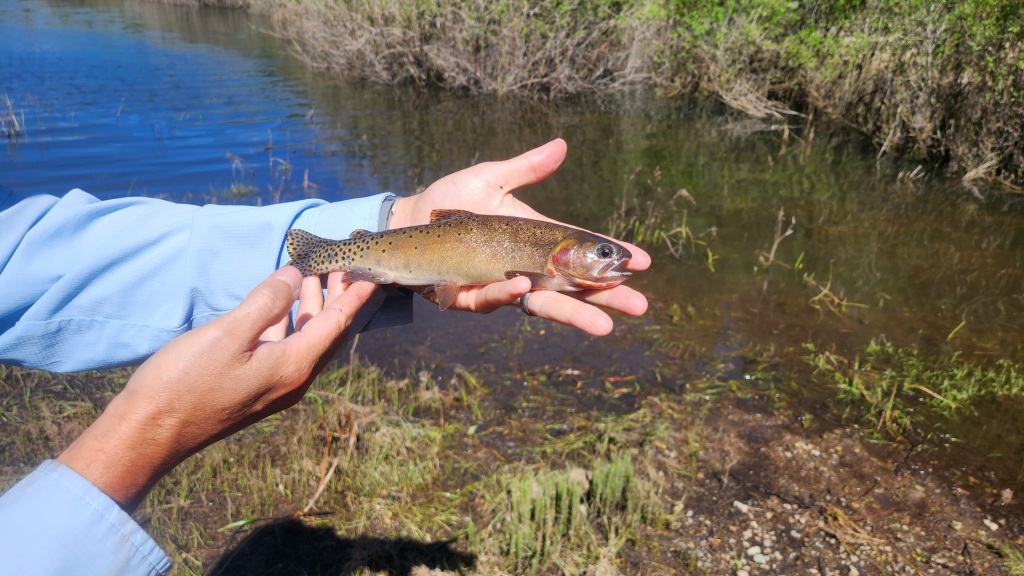
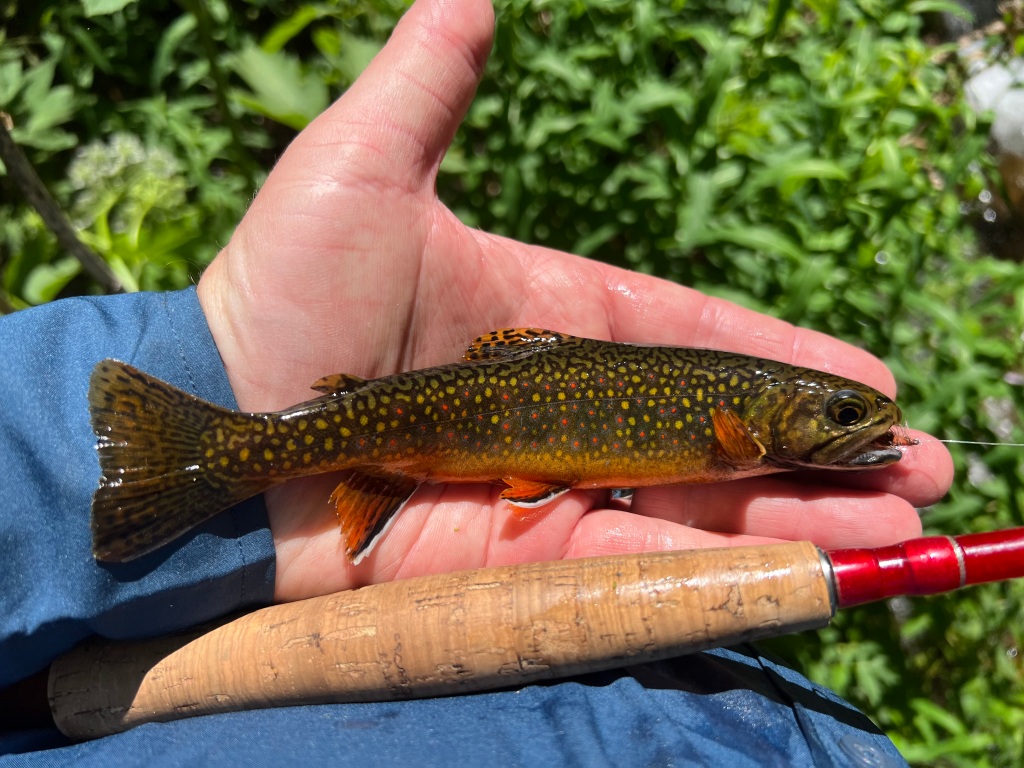
I caught a few Rio Grande cutthroat in that spot before I caught my first brook trout. I had found a pocket of cutts tucked up under some bushes and was teasing them out by swimming a nymph through the area they were holding in. After catching those I motioned to Blake to come over and give it a shot, which took a bit longer than expected, but he did manage to get on the board with an RGCT of his own.

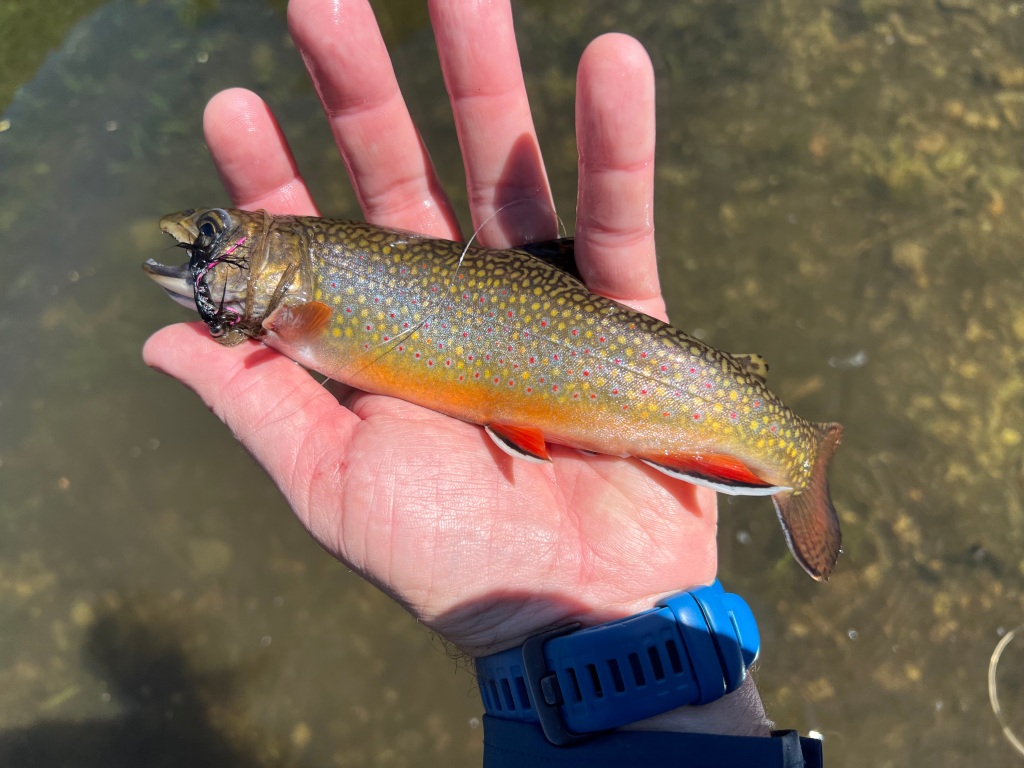
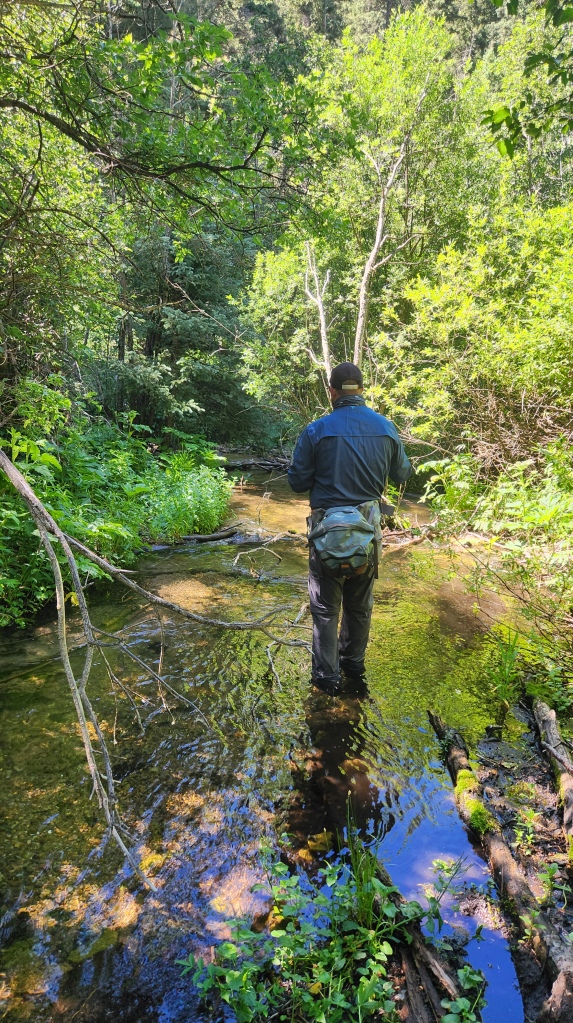
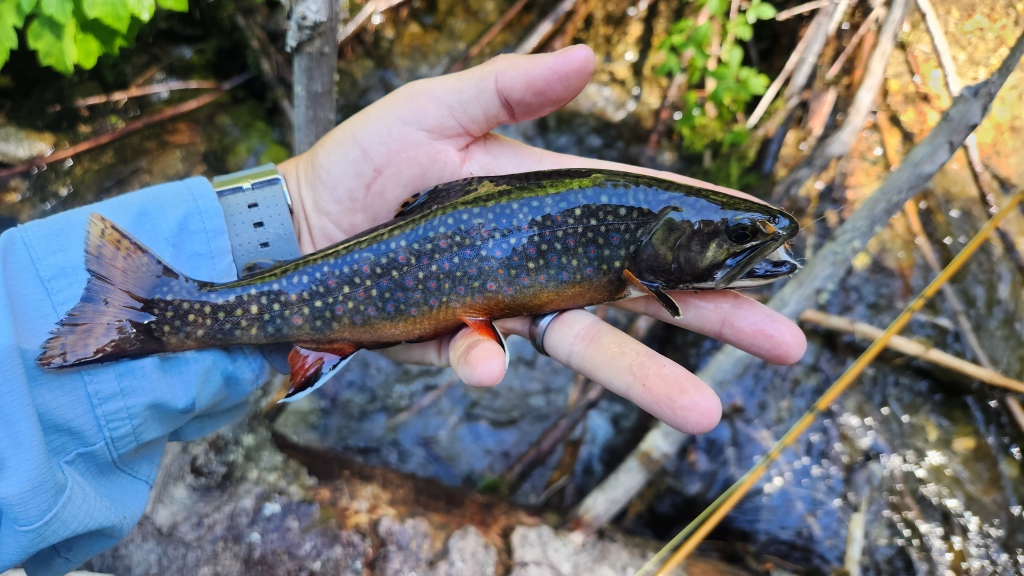
The lake was a success and we accomplished what we needed to there, but curiosity got the better of us and we had to follow the stream on up and see if we couldn’t find any more cutts above the lake. It was a tight stream and finding good places to actually fish the stream was challenging; when we did find good holes they were occupied by brook trout. After catching a few of those we decided to head back to the truck for lunch and then make our way back down the mountain.

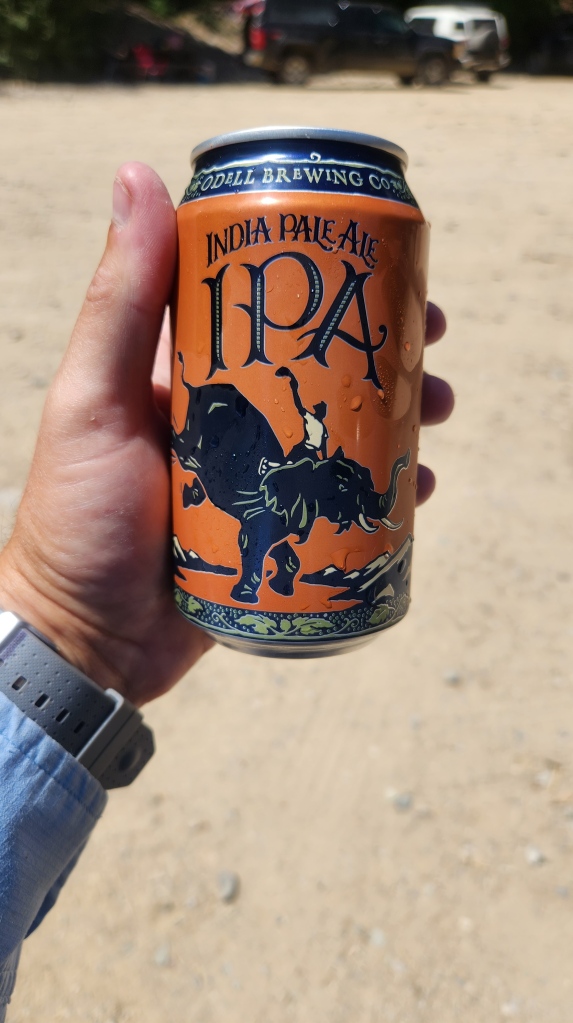
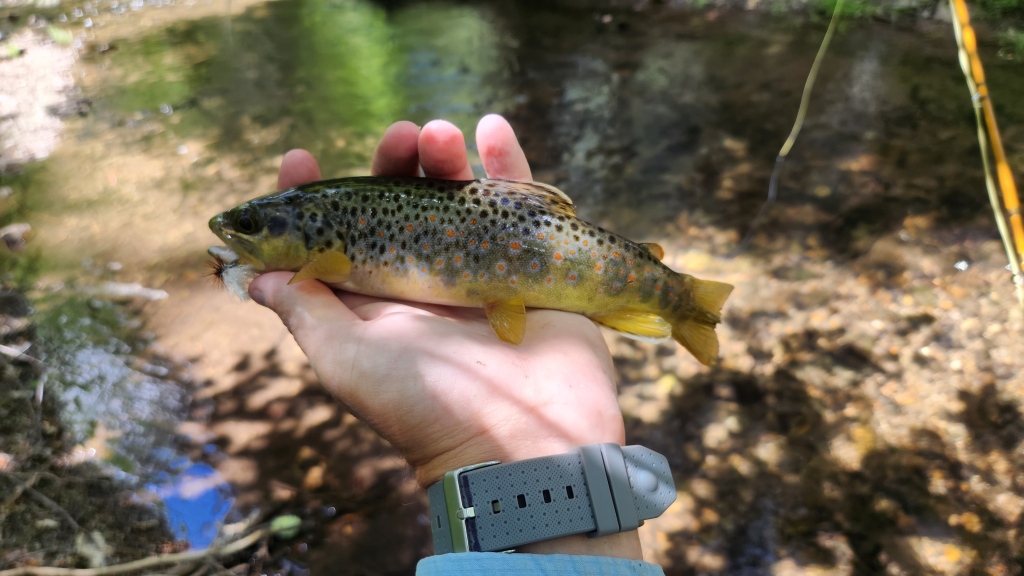
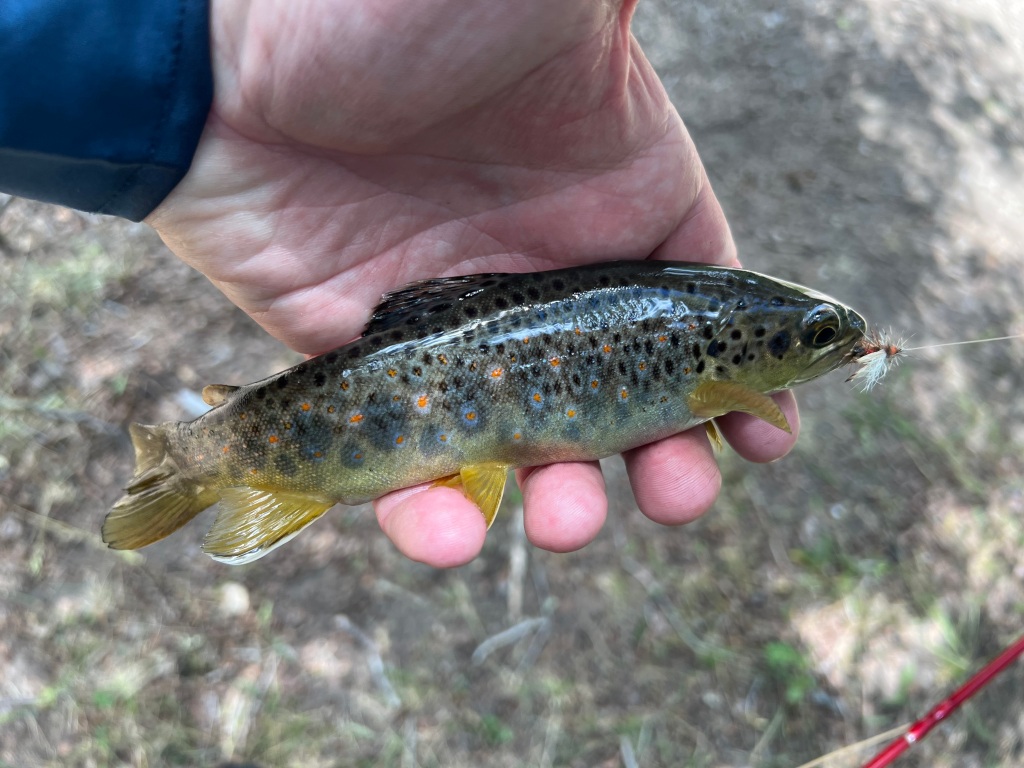
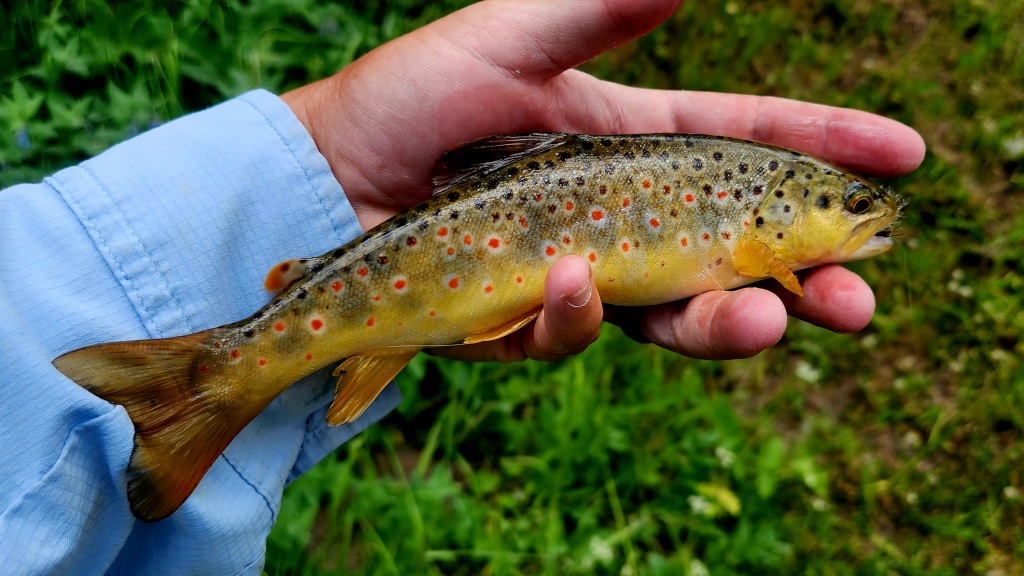
After a cold beer and a sandwich we went to fish the stream that paralleled the road we came in on and see if it did indeed have rainbow trout. It was small stream of it’s own, but it held plenty of trout, they just weren’t the kind we were after. We caught several gorgeous little browns. Brown trout, we learned, are very common in northern New Mexico.

It was at this point we decided to make a move upstream and head for some potential cutthroat water. I didn’t know of much more public water downstream, which is probably where the rainbows were, and I’d rather be catching native fish anyway, so we made our way back to the truck to keep following the stream up the road. When we got back to the truck Blake realized he didn’t have his phone……..this could be a problem. So we backtracked. Both of us searching anywhere we thought he had walked, fished, stopped to change flies; wherever. We learned that we covered a fair amount of stream in a short amount of time. Nothing was turning up. We surmised that should it have fallen in the water there would be no way we’d find it, it’s in a black case. Maybe for this very reason I shouldn’t have my phone in a black case. I was getting nervous. I know Blake was already nervous, but I had played it cool. Finally, with a gigantic sigh of relief, he found it! It was next to a laydown that he had to step over and it had slipped right out of his shirt pocket.

Something to keep in mind fishing shirt designers – we need cavernous chest pockets with legitimate closures – phones just keep getting bigger, that’s what we use to take pictures. Pants pockets get wet when you wet wade so storing my phone in the chest pocket makes sense. I’m not storing it in my waistpack – that takes too long to access. Figure it out. I have one or two fishing shirts that are adequately designed, too many are not.

After the successful scavenger hunt we did indeed make the move upstream and the I caught a beauty of a Rio out of the first hole I walked up on. The stream opened up a bit more in this stretch, the canopy wasn’t so tight, it felt like cutthroat water, but we caught a variety of different trout – still no rainbows though.

After a little while we made another move, this time to Southern Colorado, onto our next campsite. The rainbow trout would have to wait until another day. On day three we would target native Rio Grande cutthroat in Colorado in a watershed that was kind of the whole reason for this trip in the first place. I had seen pictures from a few different folks of the fish and the stream we would be headed to next and I had high hopes for this place; which is not something I ever want to do, because anything can happen. I always try to downplay everything, but this place looked badass and I was really excited to see if it was or was not.

Blake and I flew into Colorado Springs in July to target Rio Grande cutthroat trout and finish out the New Mexico trout challenge we started a couple years ago in the southern part of the state with the Gila trout.

I used a mix of sources to plan this trip out, but New Mexico Game & Fish and the Western Native Trout Initiative make it very easy to find where you need to go to target these fish. I’ll be very honest and admit that it takes some of the fun out of it with how free and available information is to find these days. This is not necessarily a complaint because the more people that care about the fish the better and the only way to really care about something is to experience it, so in that way the available knowledge is appreciated, but the process just isn’t the hunt that it used to be. I can pretty much figure out in a night what use to take me weeks. It’s still rewarding to put in the effort to travel out and catch something you’ve only seen online, I don’t think that will ever change.

We started our day with a stop at The Drift Fly Shop in Pueblo and the guy working behind the counter couldn’t have been any nicer. He wasn’t able to give us much intel on the area we were headed, but he was very pleasant and engaging. We stopped at another shop later in our trip that was in the area we were fishing and we didn’t get that same feeling. It was pretty much just a big circle jerk of guides who looked at us like we just broke into the place. There was one young guy that sold us flies who at least tried. I just hate when fly shops give me bad vibes, I mean we all enjoy the same thing, why would my presence put you off? Fly shops can go either way in my opinion and if you’ve got a good local one take advantage of it.

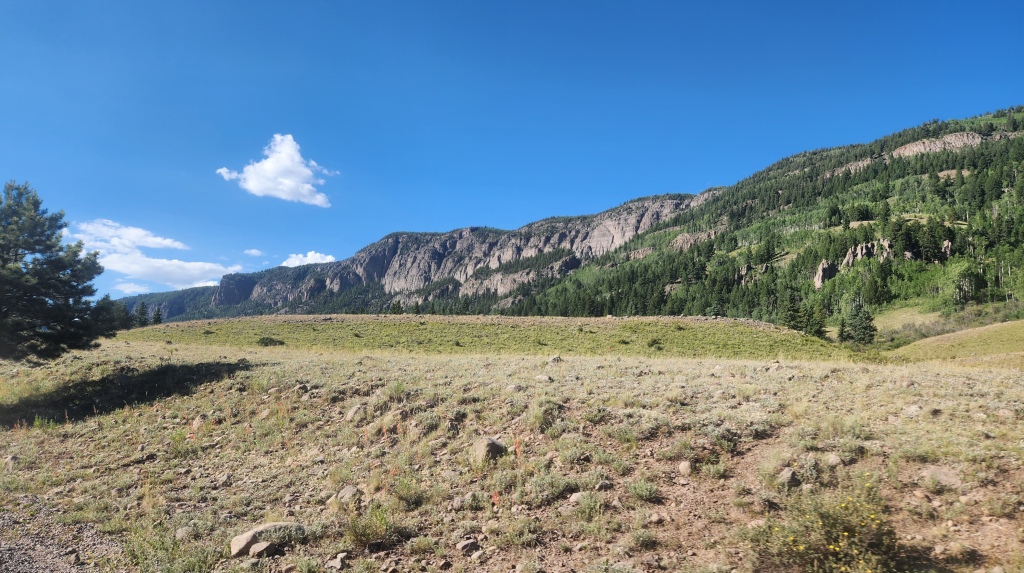
After the customary Wal-Mart stop for supplies we continued onto our destination, which was in northern New Mexico, where we set up camp and then hit the nearby trailhead to hopefully take us to some RGCTs on day one. The drive was a pretty one; I’ve never been to the southern Rockies, it’s such an interesting mix of mountains and desert. We passed dust devils, prairie dogs, and pronghorn on our drive, and I loved every bit of it!

It did not take long at all to catch a fish. In fact the first hole I stopped in a brown whacked my dry. I think Blake’s experience was similar. It’s been customary for us to take a picture with the first fish just in case we never catch another, so we put check marks next to a New Mexico brown trout on pretty quickly on day one.

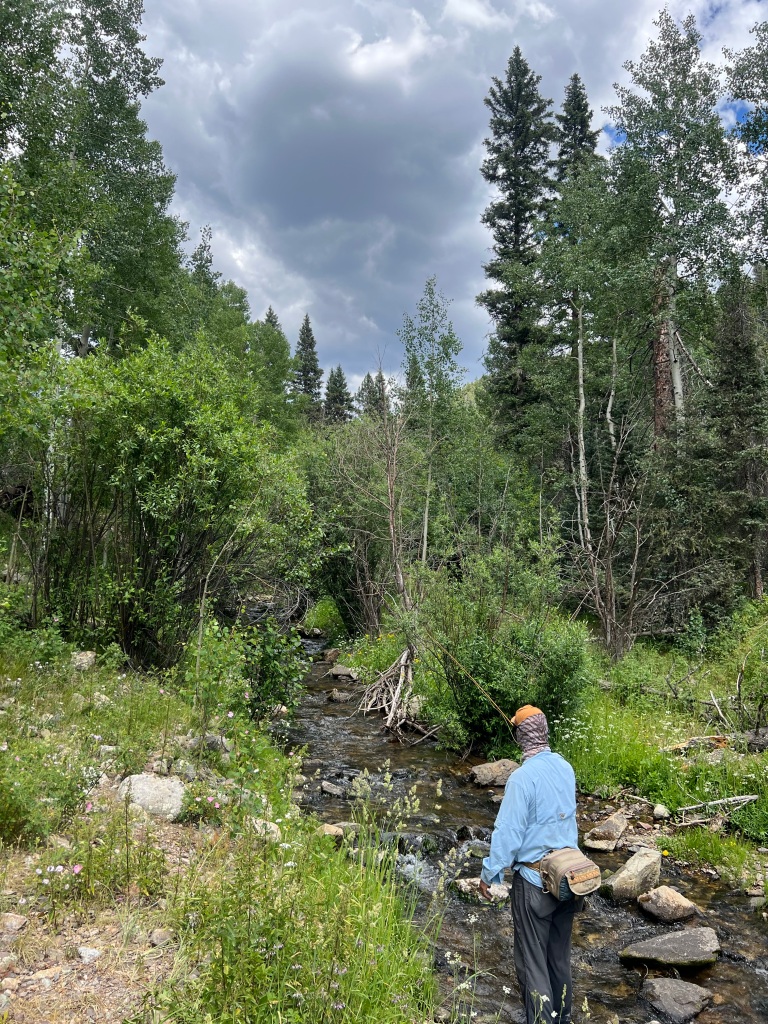
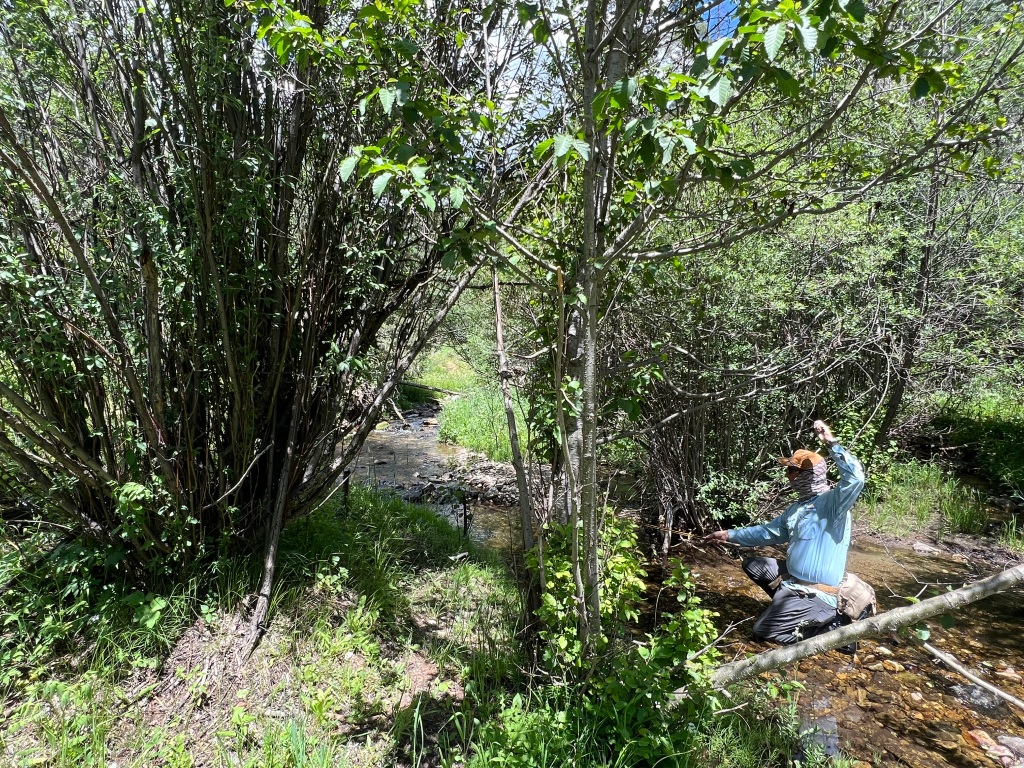
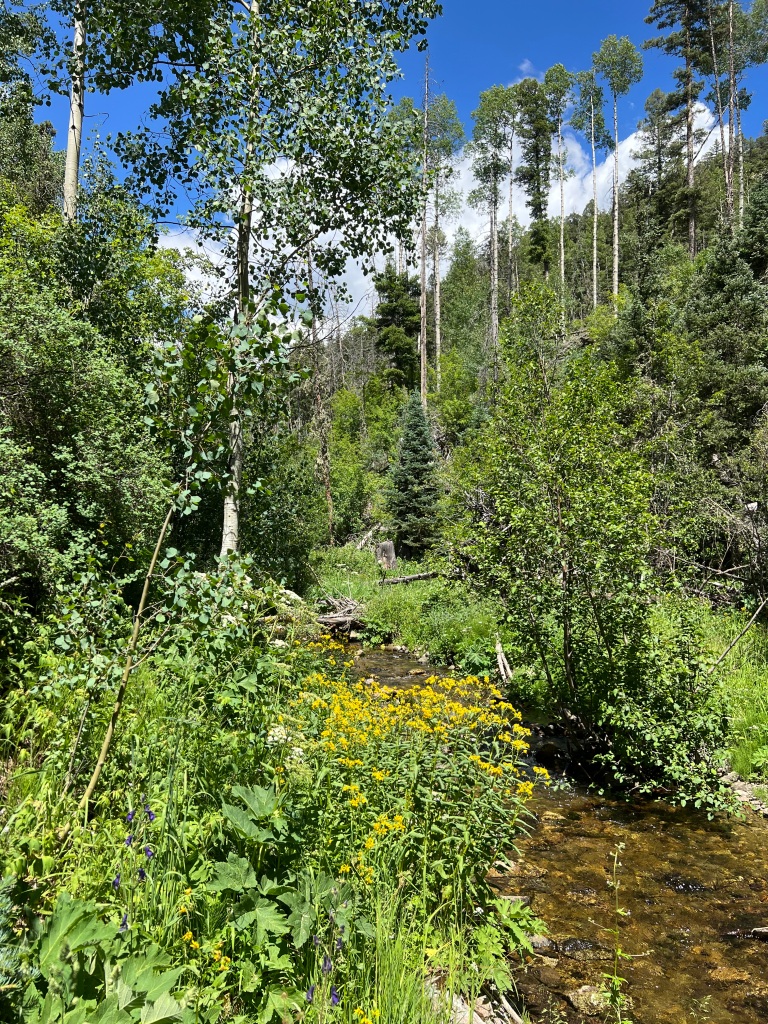
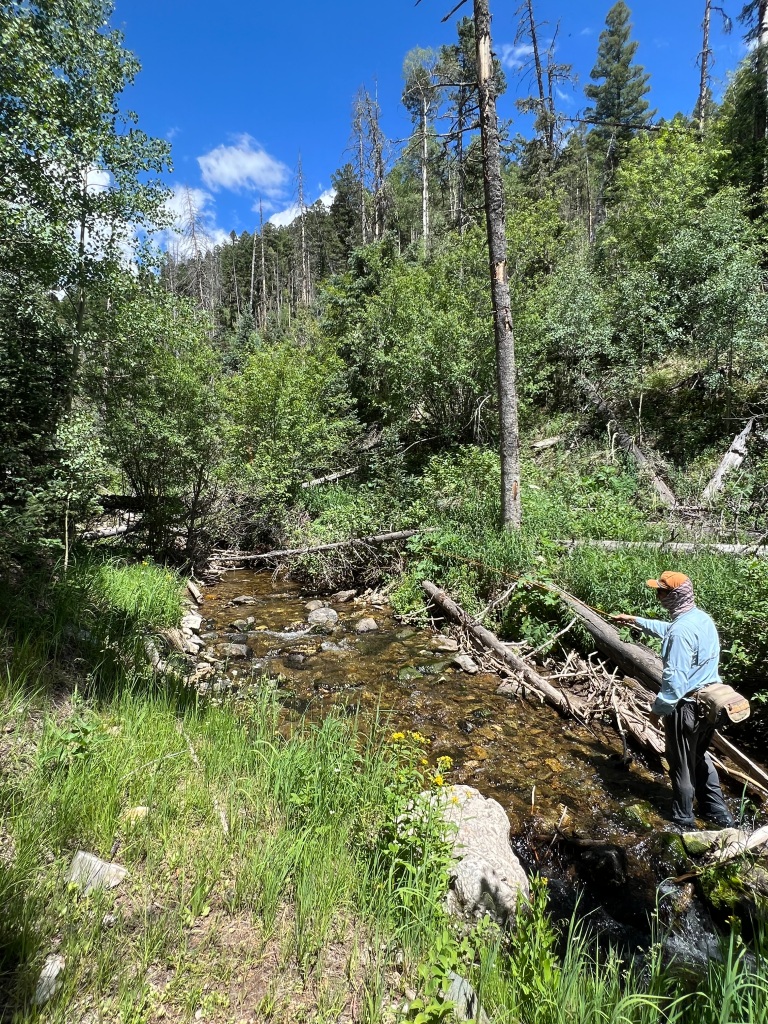
The stream was a tight one with a pretty good amount of elevation change and a healthy amount of brown trout. If you could find a place to get a cast off you generally had a really good shot at catching a fish, they were there, casting to them was just tough. North Georgia prepared us for this though! If you can fish a blueline up there you can fish a blueline anywhere.

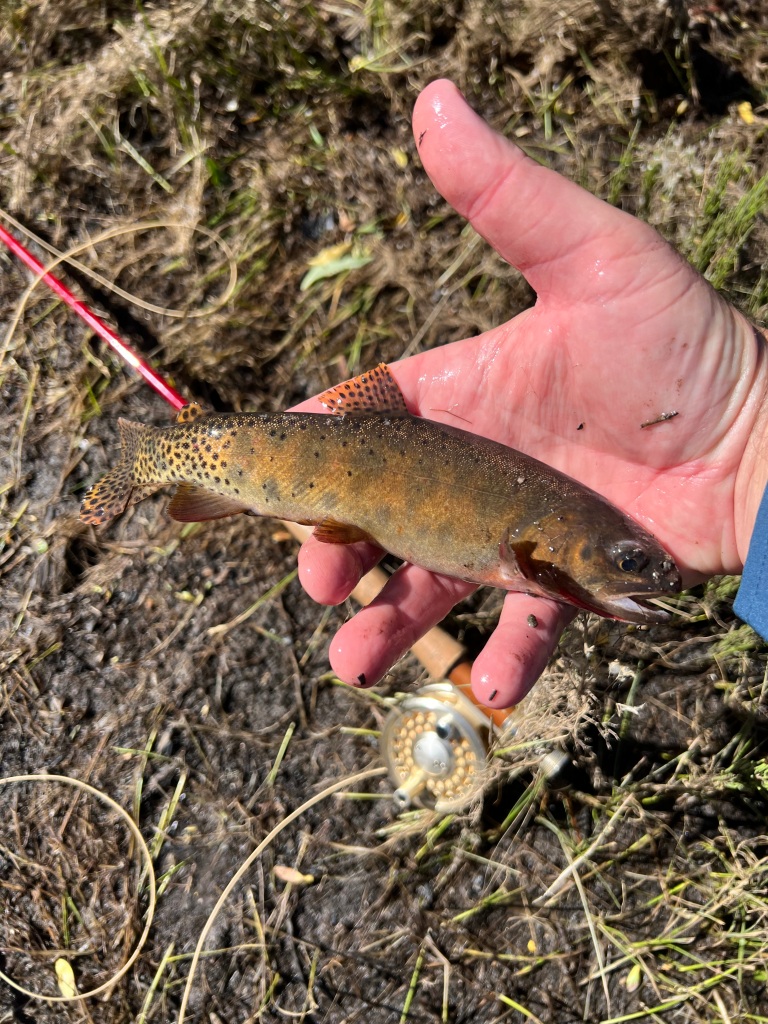
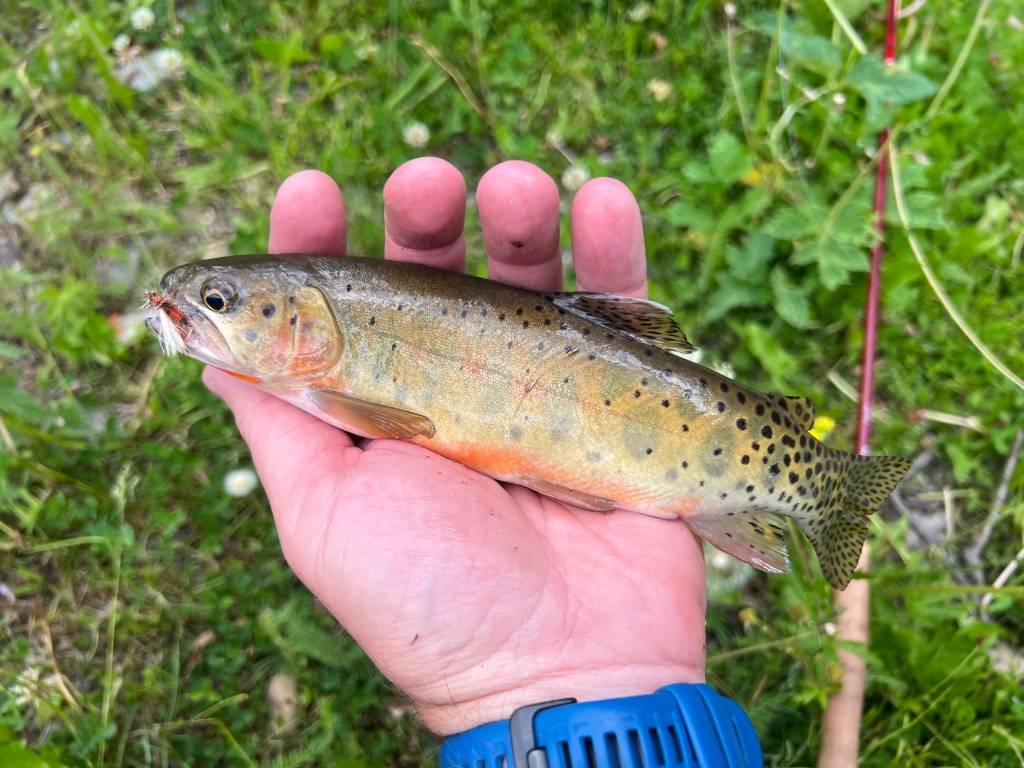
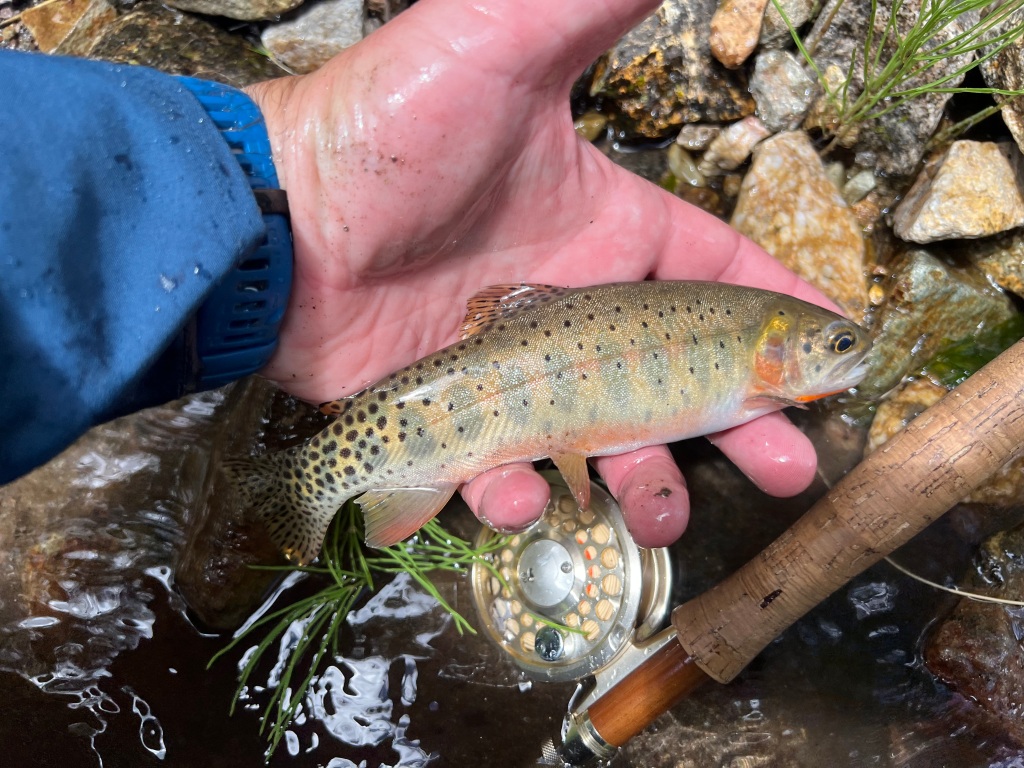
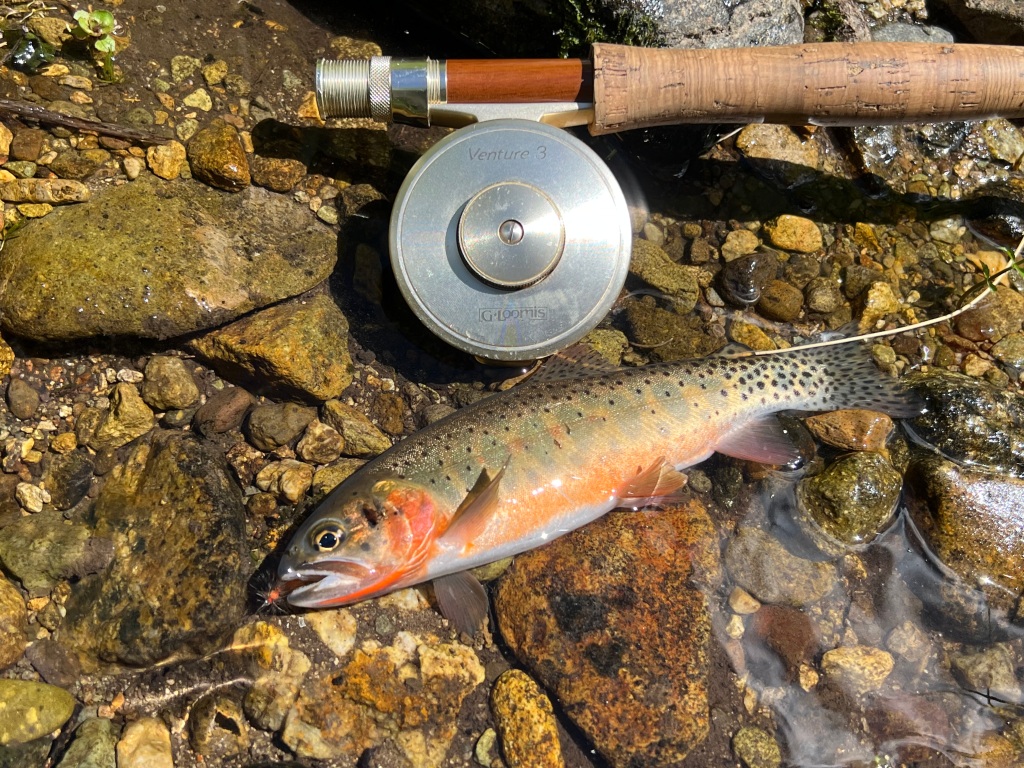
I vaguely recalled a barrier on this stream in my research and we hiked the approximate distance I thought it was from the trailhead, but we did fish a fair amount below it to start. We ended up finding the actual barrier falls on the hike back out, but as you can see above, I was able to find a Rio Grande cutthroat trout somewhere above it – my first one!

We quit fishing not long after that fish simply because we ran out of daylight. It’s been a while since I’ve hiked out of somewhere in the dark but this was one of those days. We probably covered more ground than we should have, especially on day one, but I was fueled by adrenaline and excitement, it would have been tough to pull me off the water otherwise.