Archive

Tag Archives: Coastal Cutthroat Trout

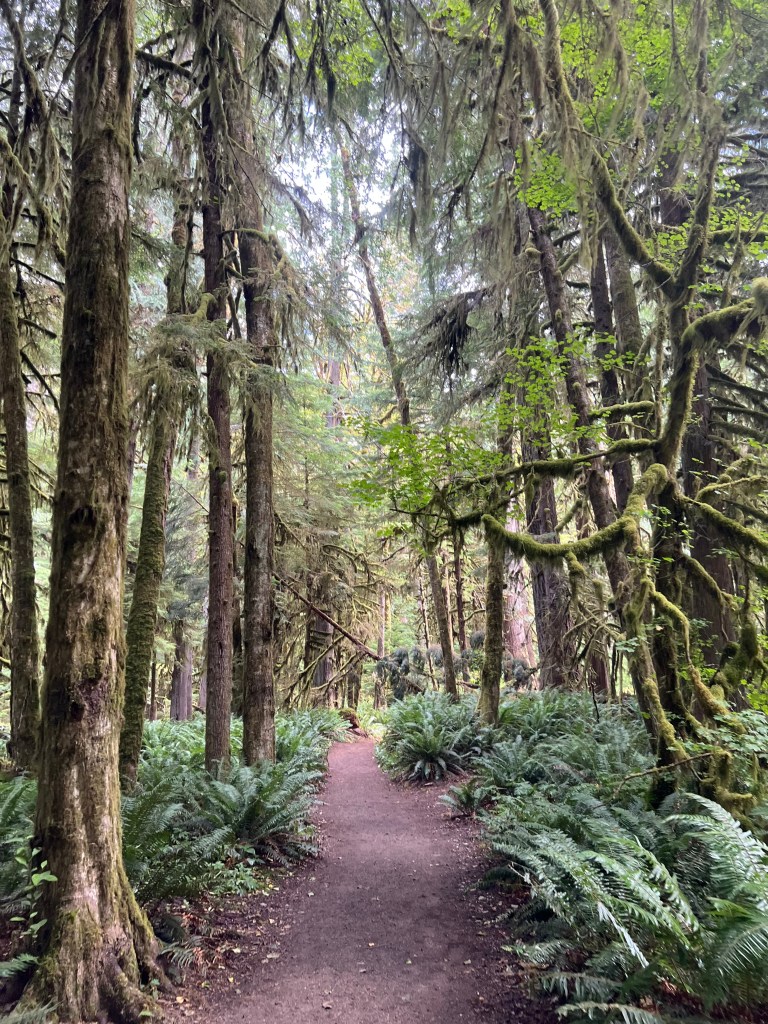
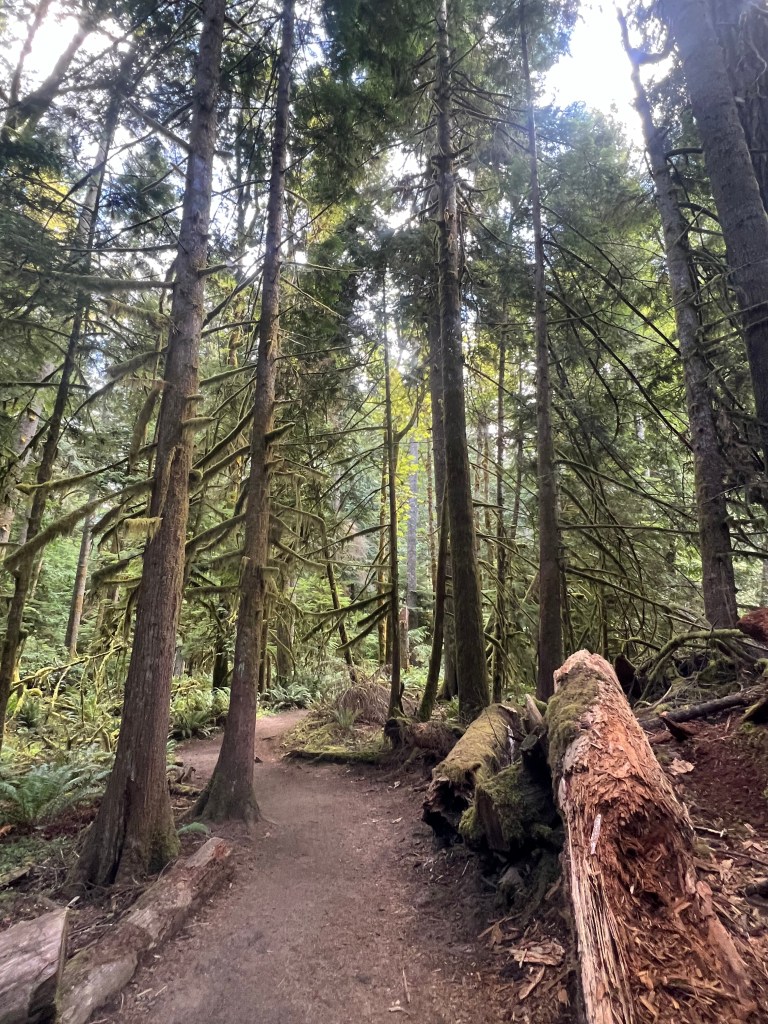
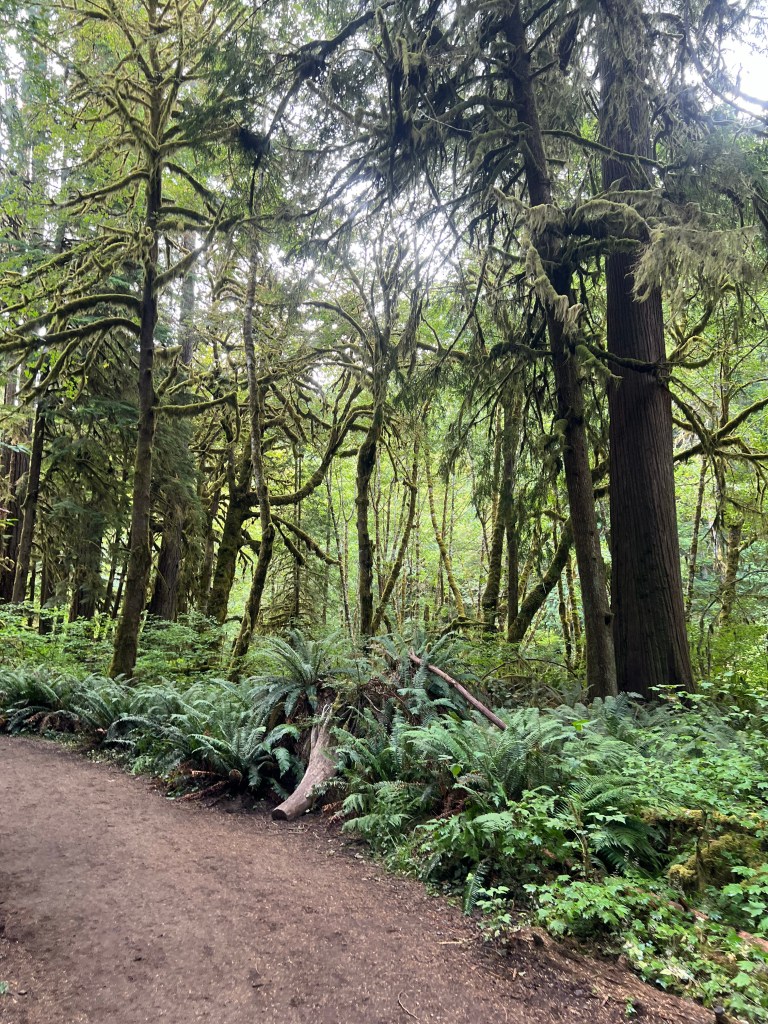
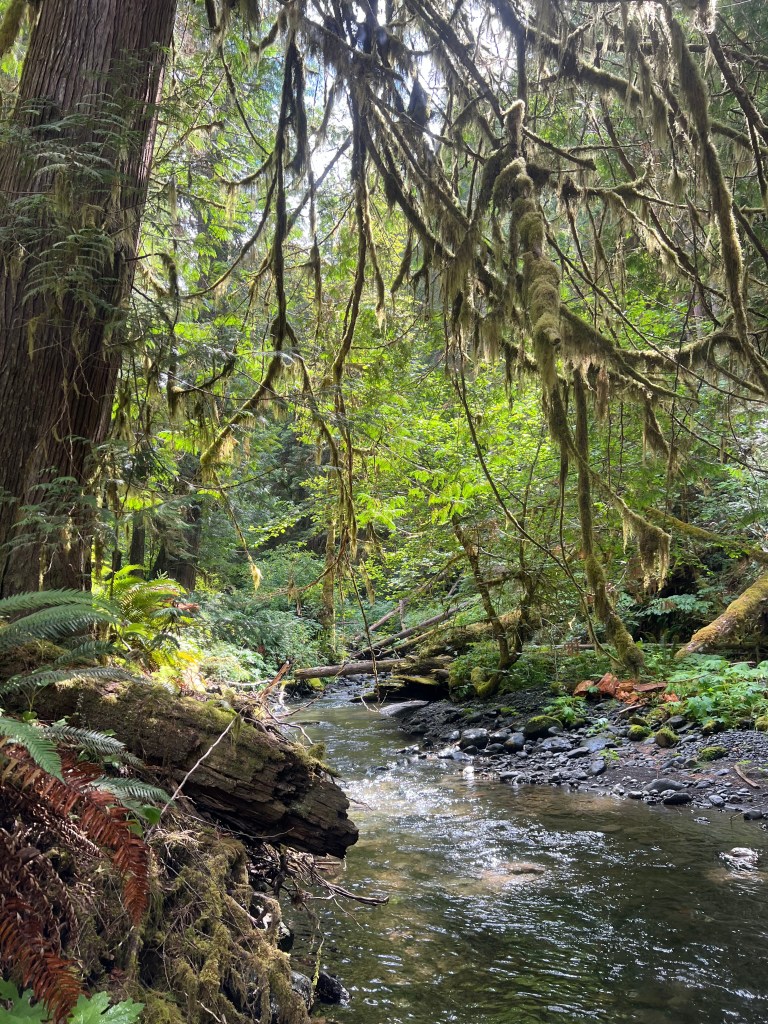
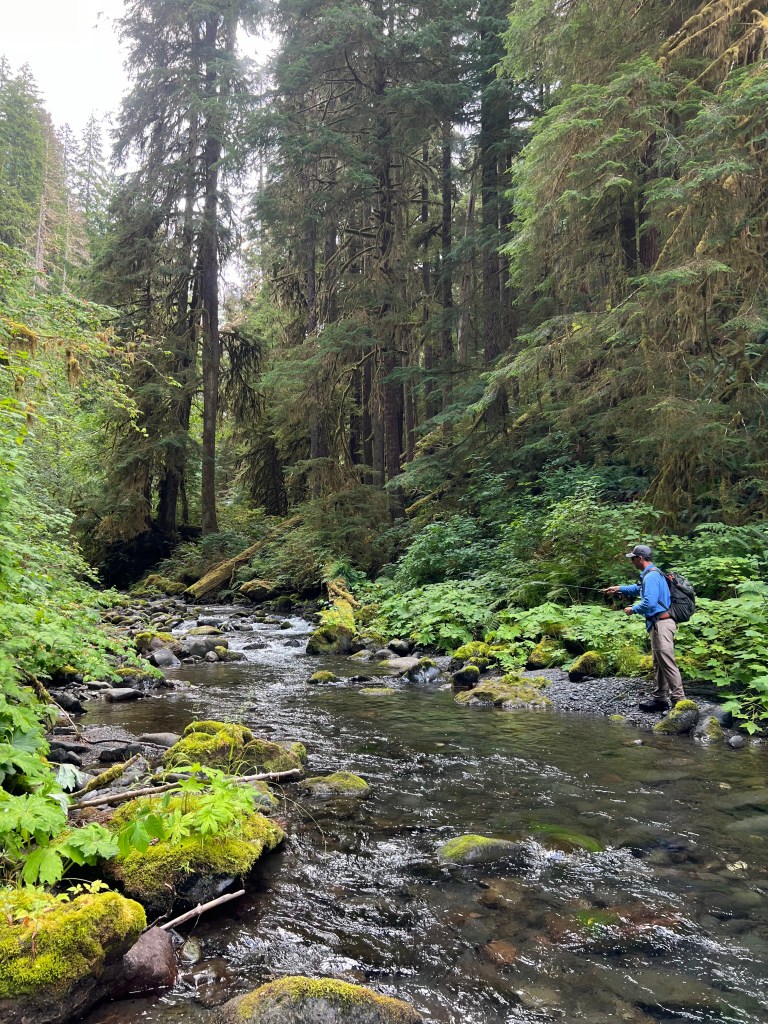
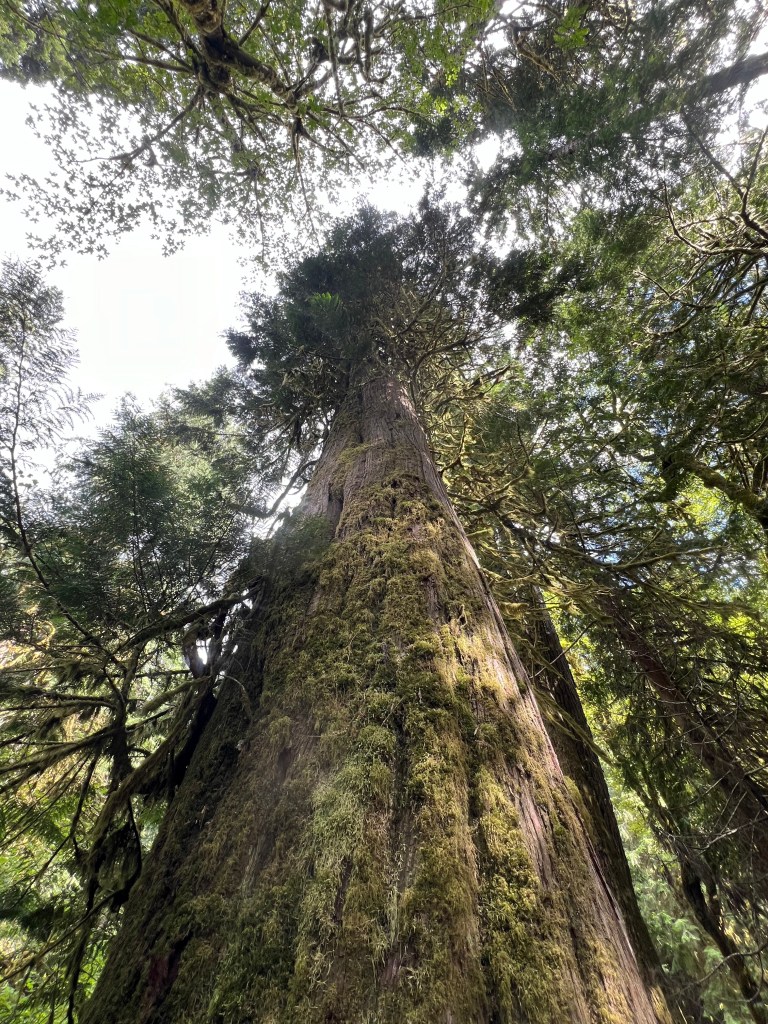
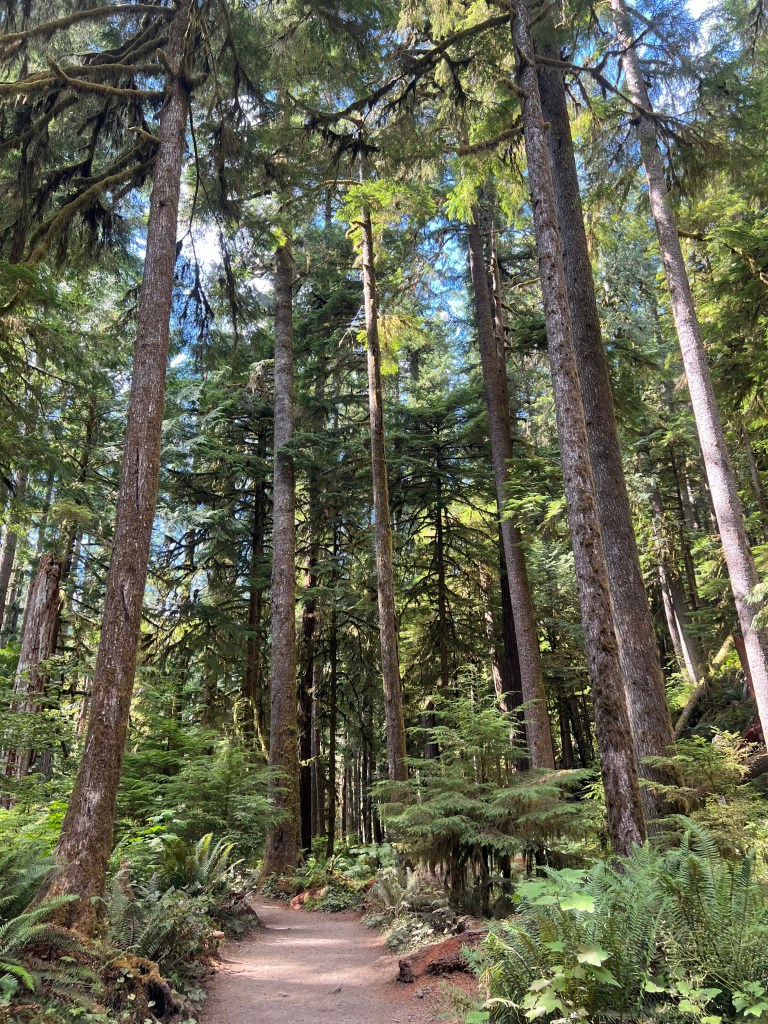
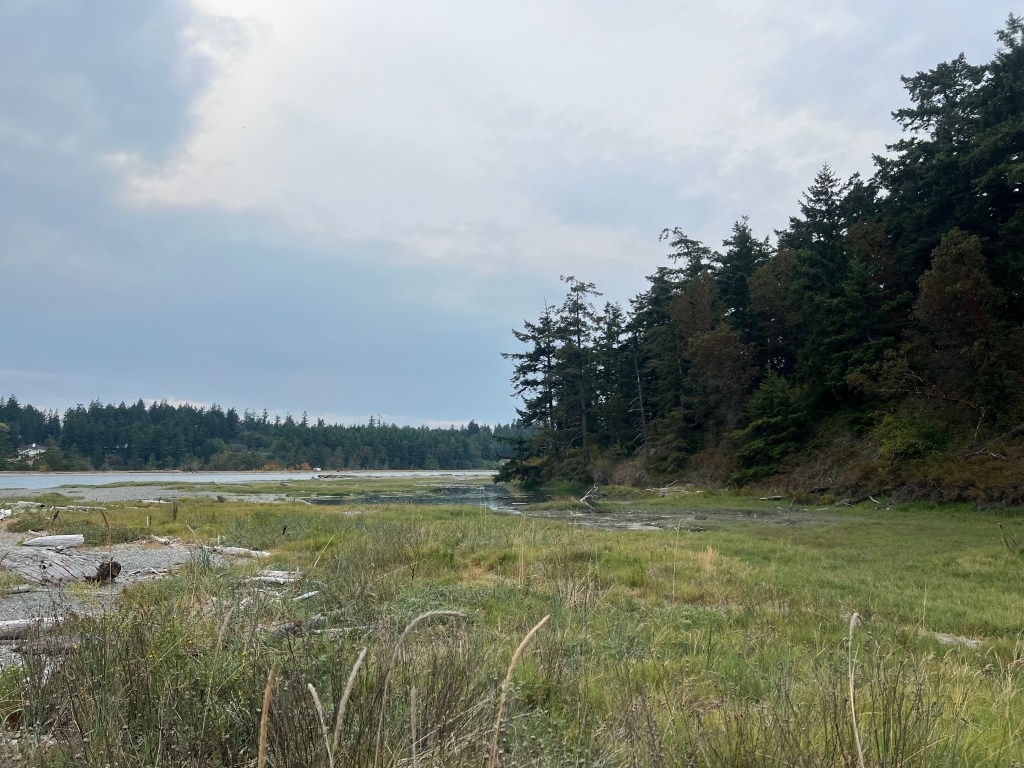
Blake and I took a trip last August up to the Olympic peninsula in Washington. We weren’t in search of steelhead, or salmon, but rather coastal cutthroat trout. Obviously, a salmon, or steelhead, would have been pretty badass to catch, but I really just wanted to experience fishing a temperate rainforest – or at least on the fringes of one – and catch the oldest form of cutthroat trout. I’m also not interested in taking trips to not catch fish, so steelhead aren’t high on the priority list as of right now.

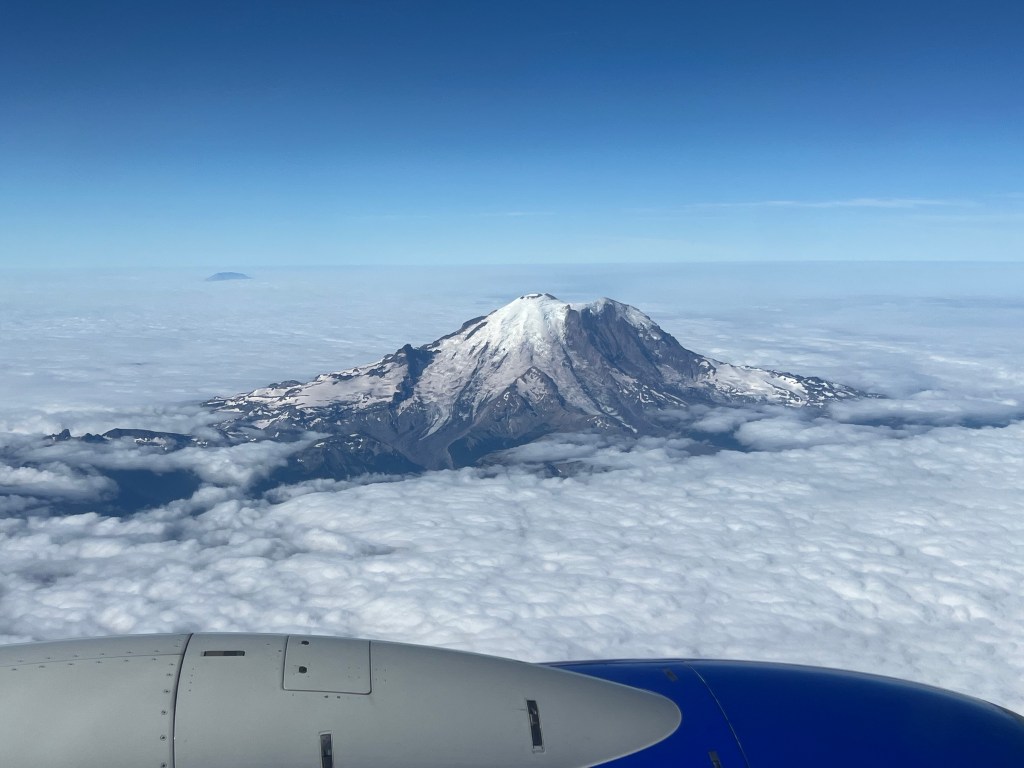
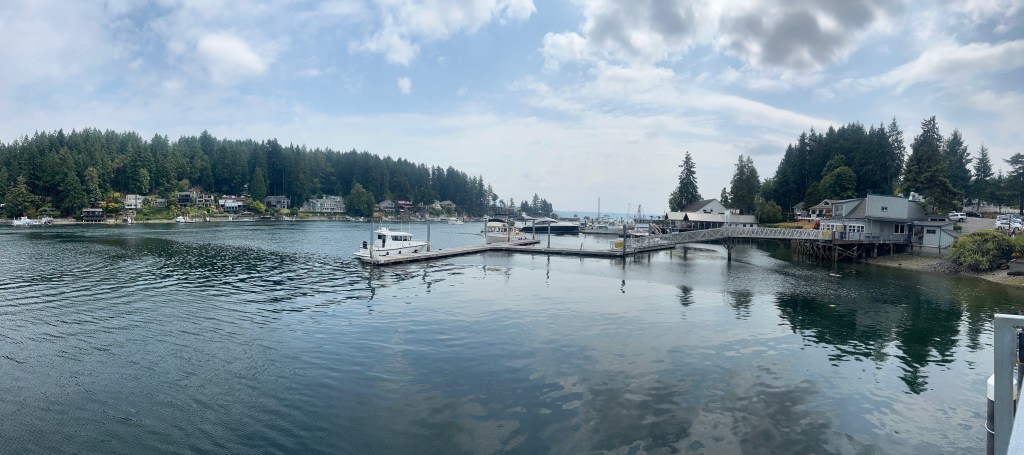
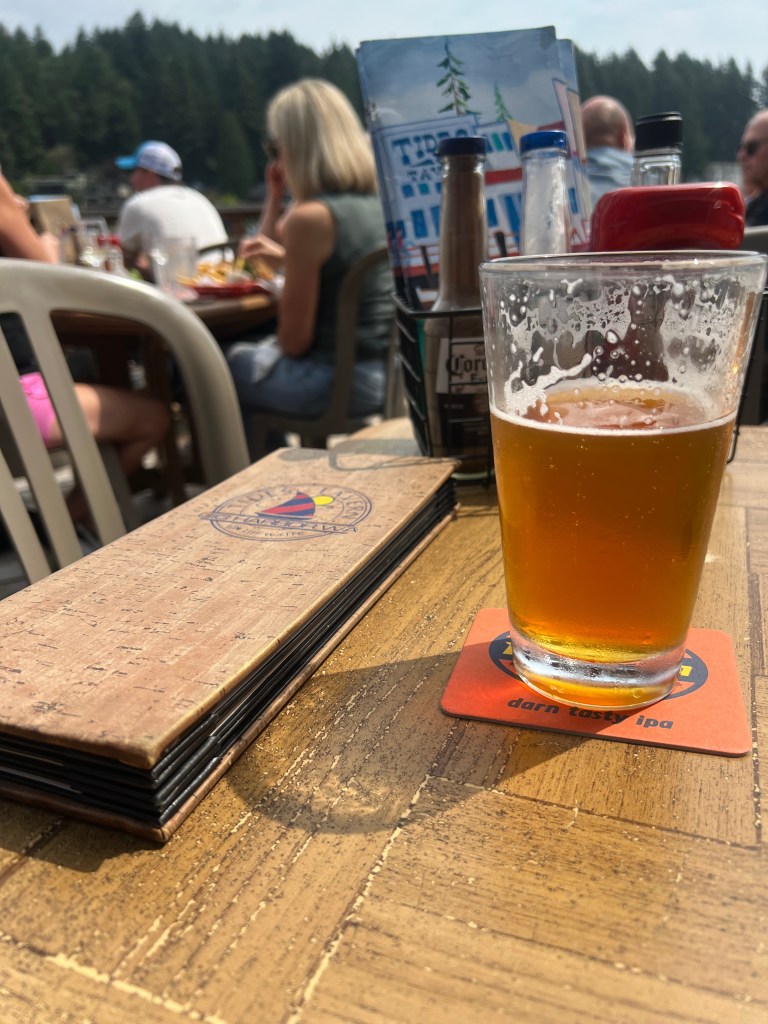
We got a pretty good look at Mt. Rainier on the flight into Seattle – this was my first time going to Seattle so this was a pretty cool site to see from the plane – a dormant volcano rising above the clouds. We picked up our Turo rental and headed to Gig Harbor – where we had lunch and made a stop at Gig Harbor Fly Shop. The young guy working was nice and as helpful as he could be being that they weren’t located on the Olympic peninsula so he didn’t get that way too often. The big takeaway for us was that he made it sounds like catching resident coastal cutthroat wouldn’t be too hard so long as we were on streams that had them. This is pretty much how it goes with native blueline fish everywhere, which is one reason I like them so much, they’re always hungry and generally not that picky. Lunch was good too and Gig Harbor was a cool little seaside town, but we weren’t staying long as we wanted to set up camp and try and get out and fish before it got dark.
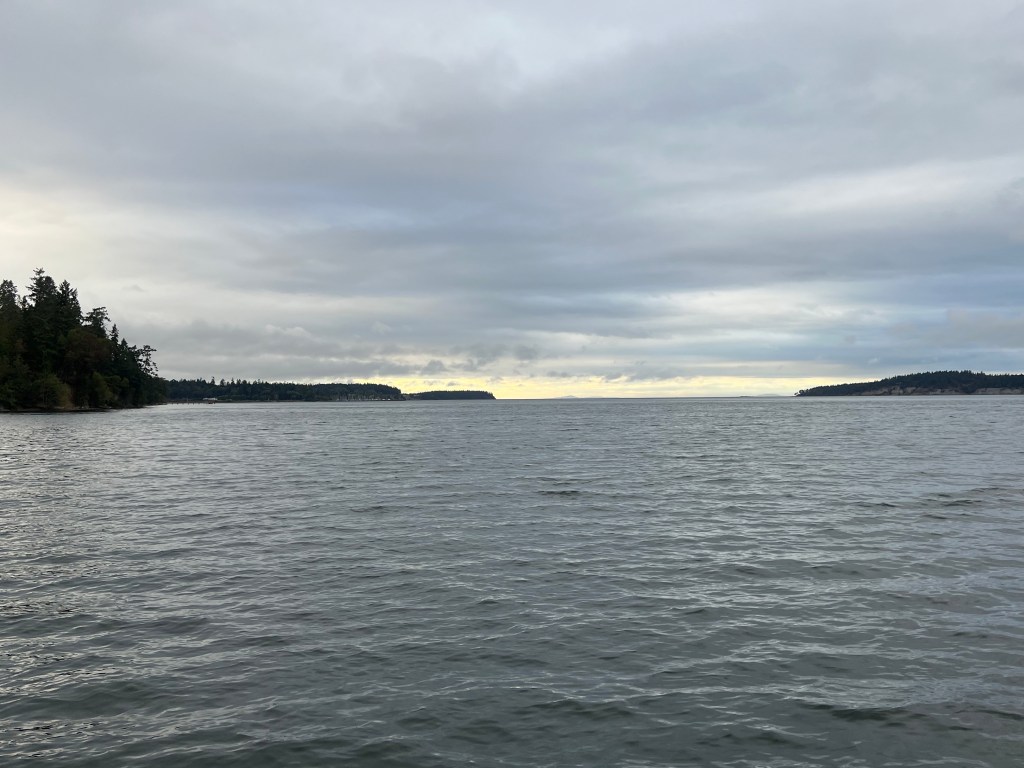
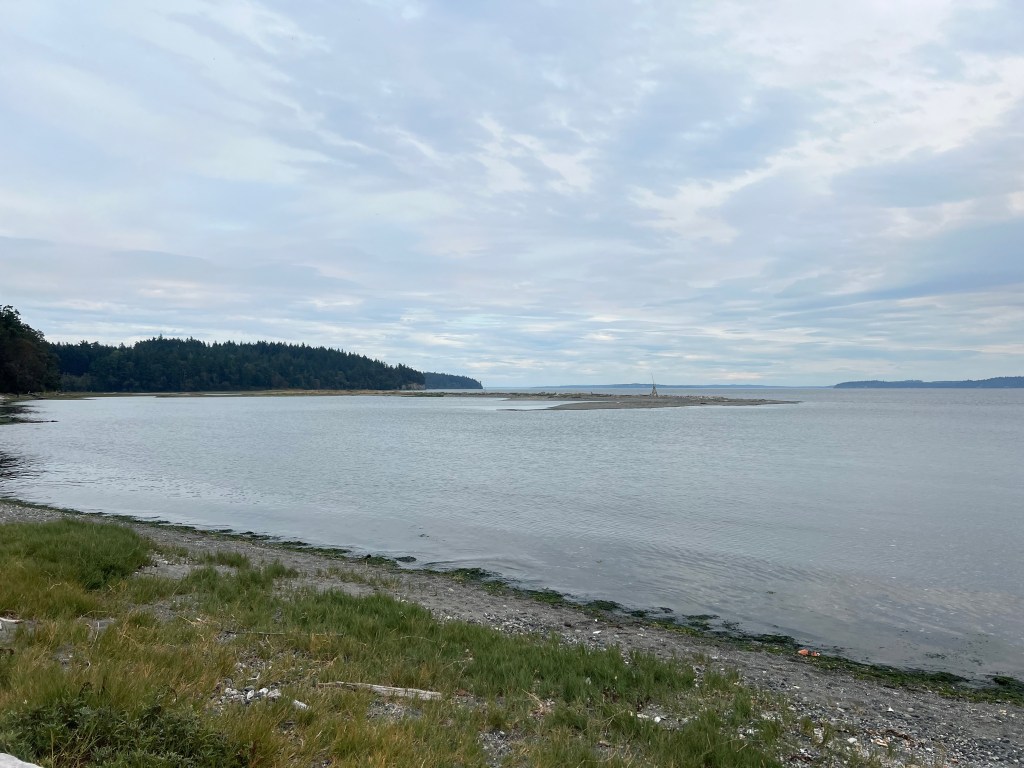
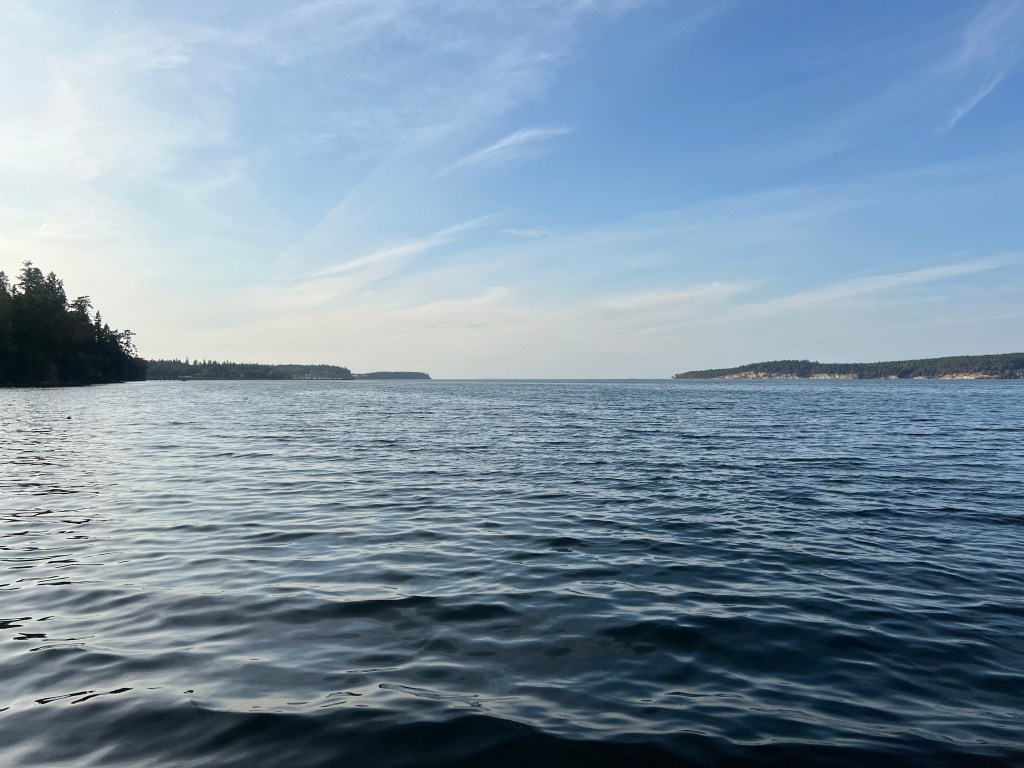
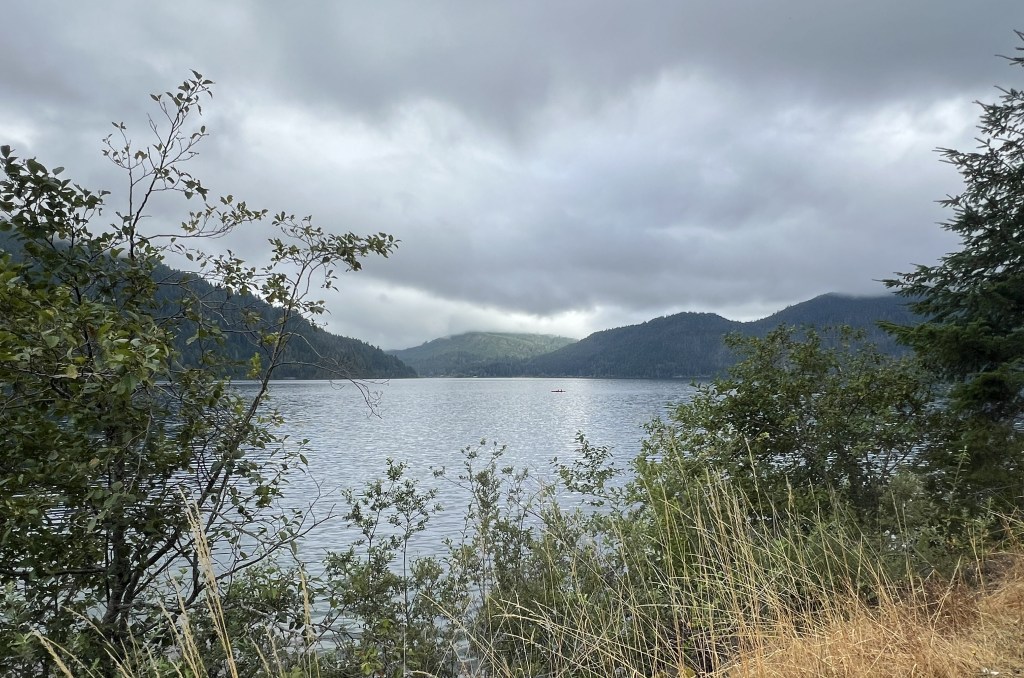
For this trip we decided to set up camp in one spot and just venture out from there. Our home base for the trip was Sequim Bay State Park. I picked that spot because I figured camping in the rainshadow part of the Olympic peninsula was probably a good idea and we weren’t that far from streams on the northern and eastern side of the peninsula. I was a little worried that being so close to the highway we’d hear road noise all night, but that wasn’t an issue at all. It was a beautiful little park, right on Sequim Bay, and ended up being a great spot for the whole trip. After we set up camp we set out for the Olympic NF to get some time on the water that evening.

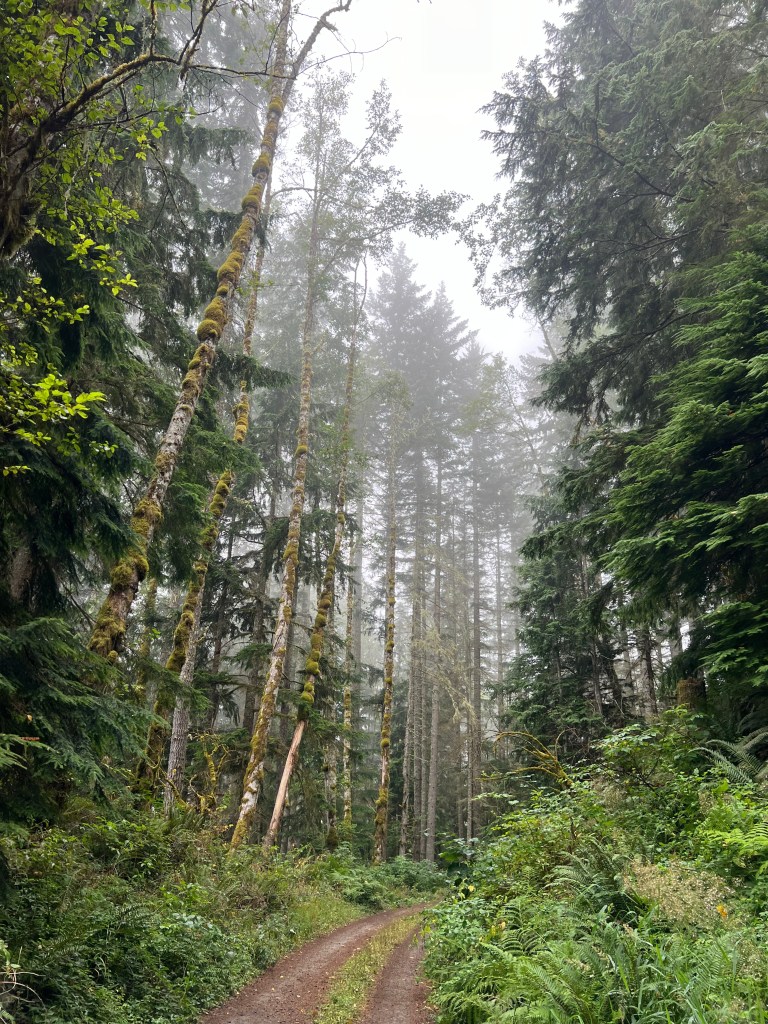
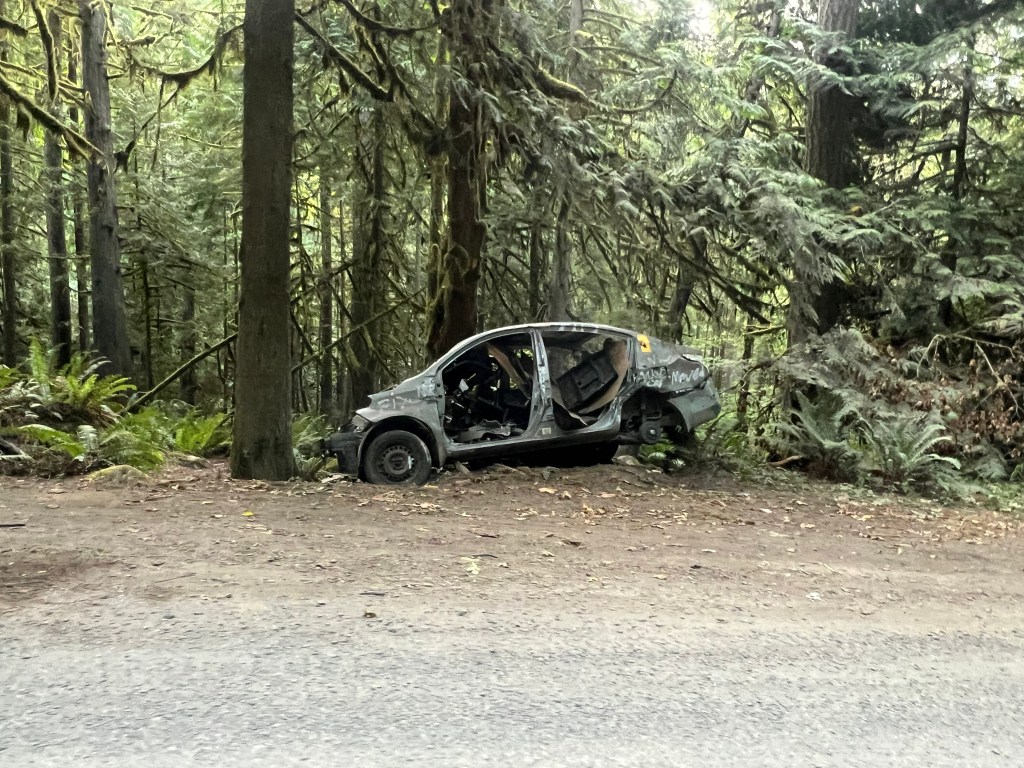
I’m so used to having to go high in elevation to fish for trout that these Olympic peninsula trout were throwing me off in my planning because that wasn’t the case here. We didn’t need to go high in elevation as they also live in the estuaries – they’re found throughout the entire system. That’s a wild concept to someone from the south, lol. So we drove into the national forest and headed for a creek we were told had them, parked at the first spot I could find, then hiked down to the creek. In hindsight I may have wanted to be a bit more discerning when it came to parking spots, as there was a small RV parked in a spot much further ahead, but I was eager to fish, and wasn’t sure the parking/hike-in situation further up. One would think seeing a burned out car right when you cross the forest service boundary would be a deterrent, but man I was itching to get on the water!

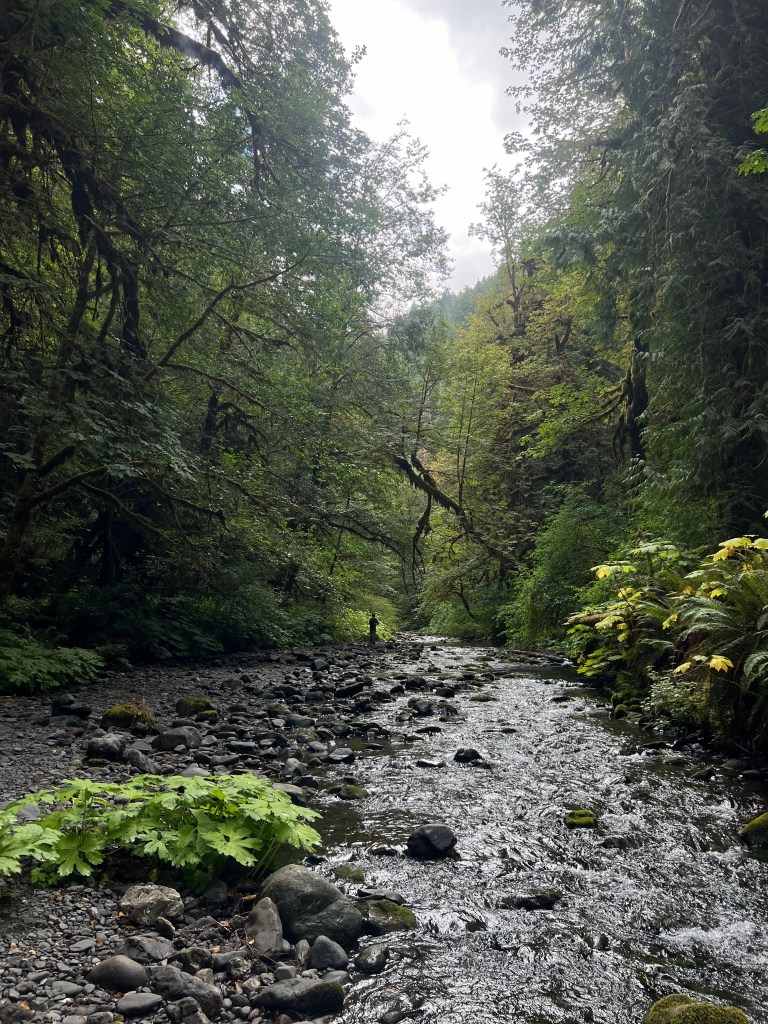
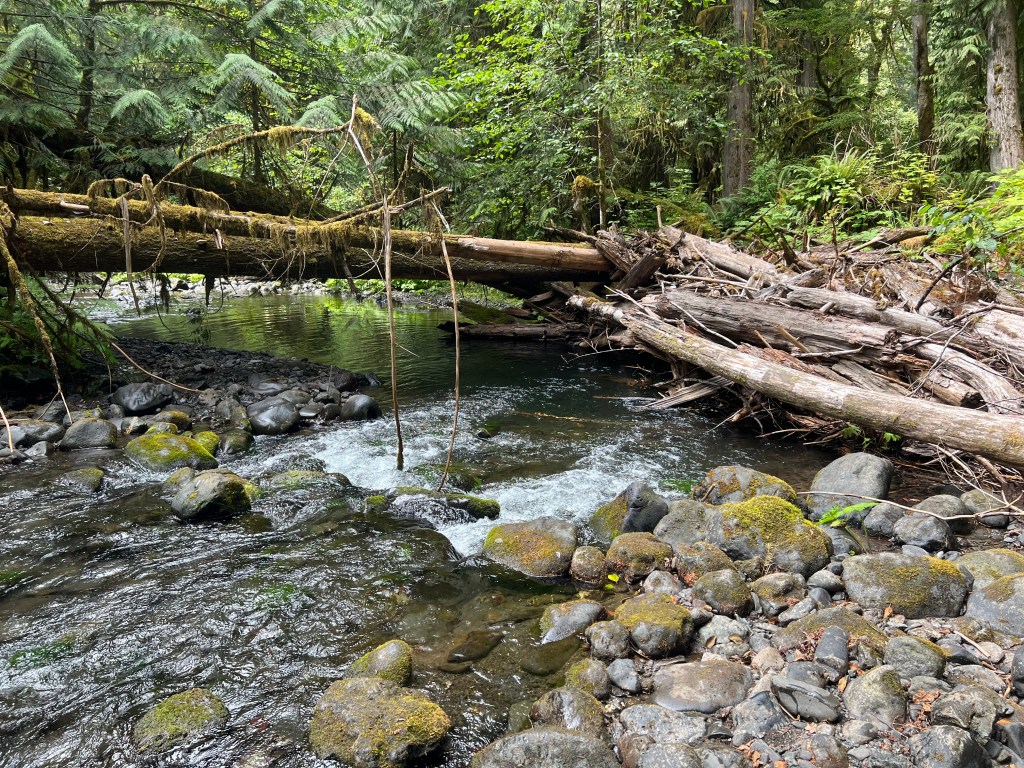
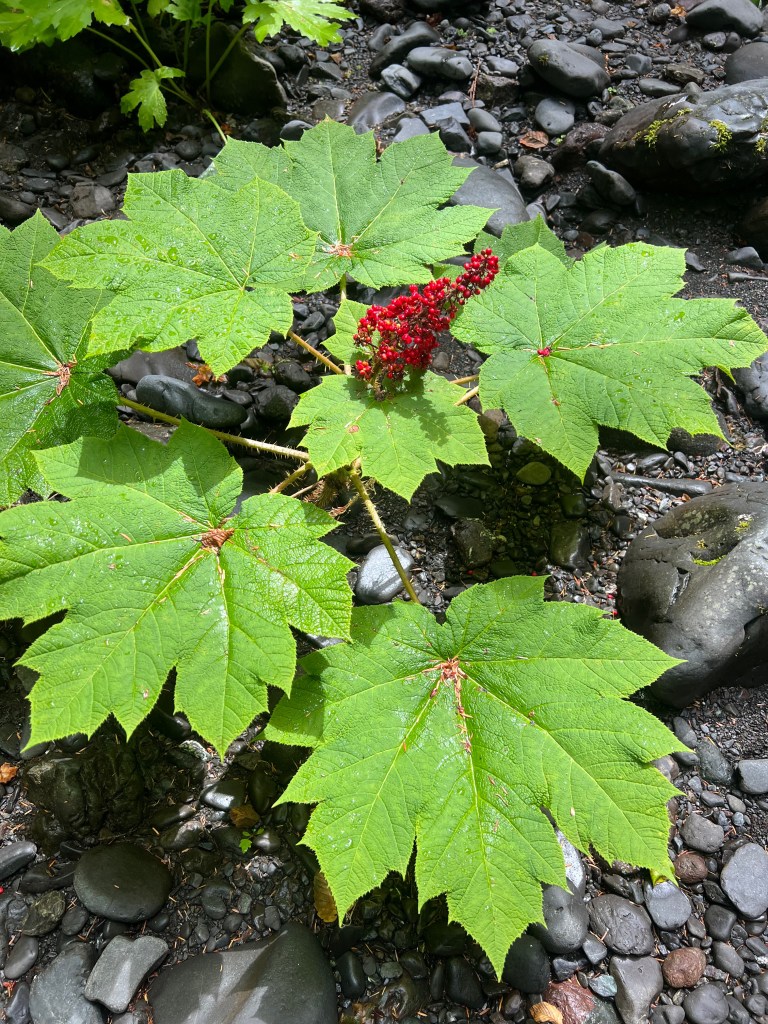
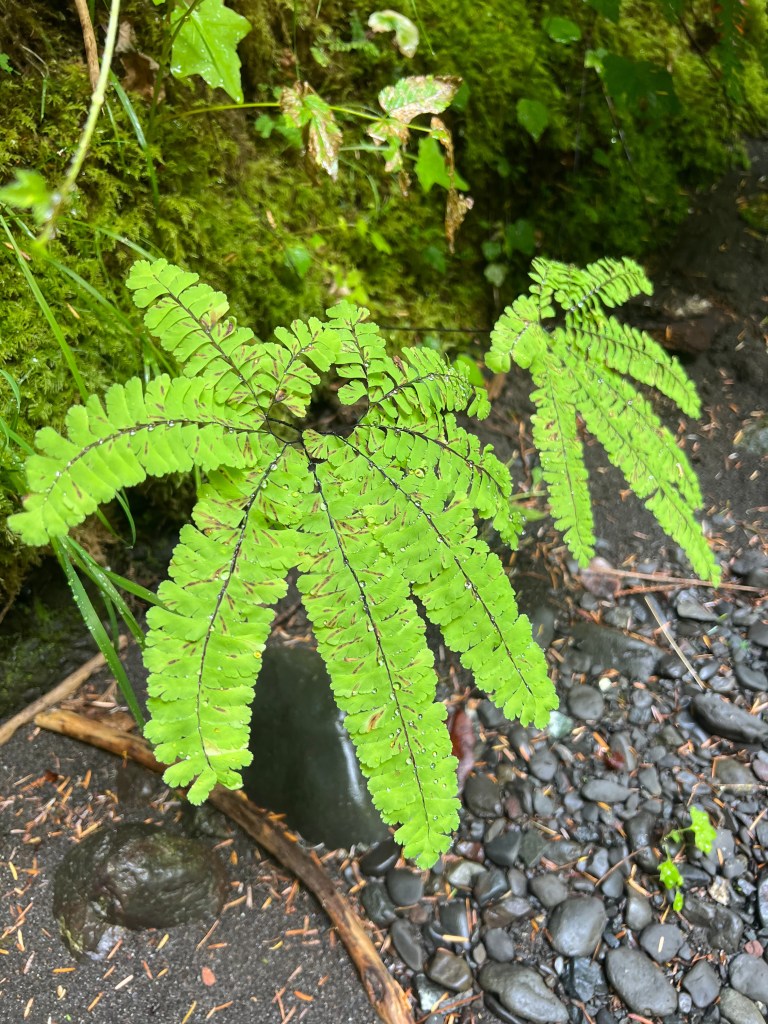
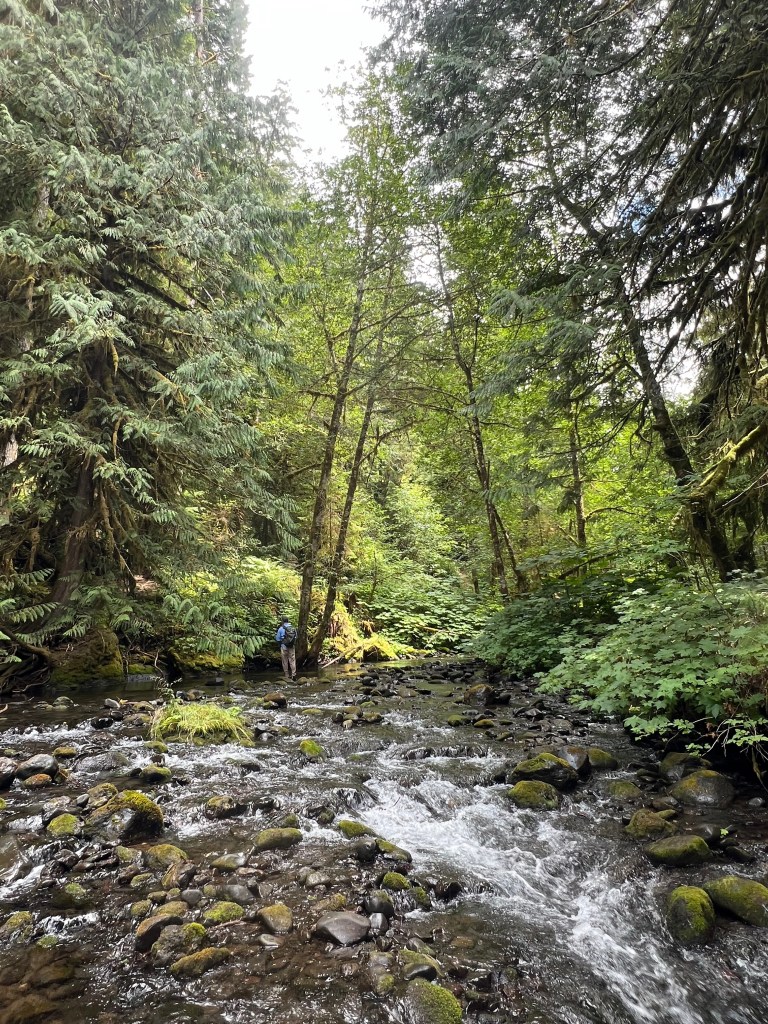
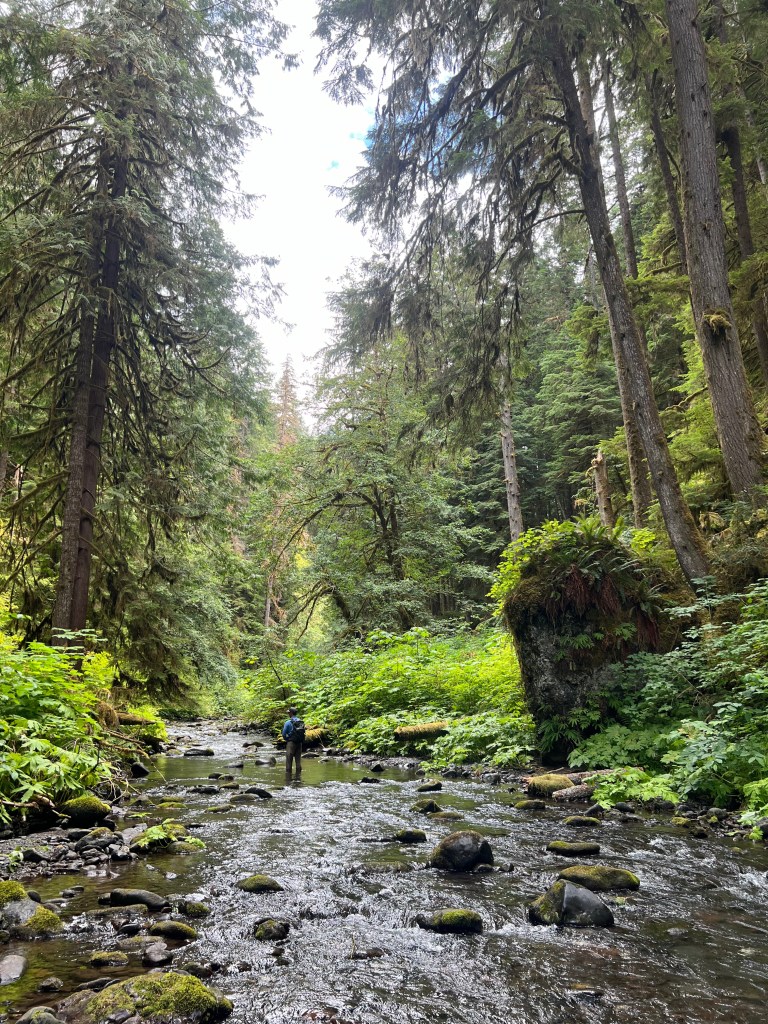
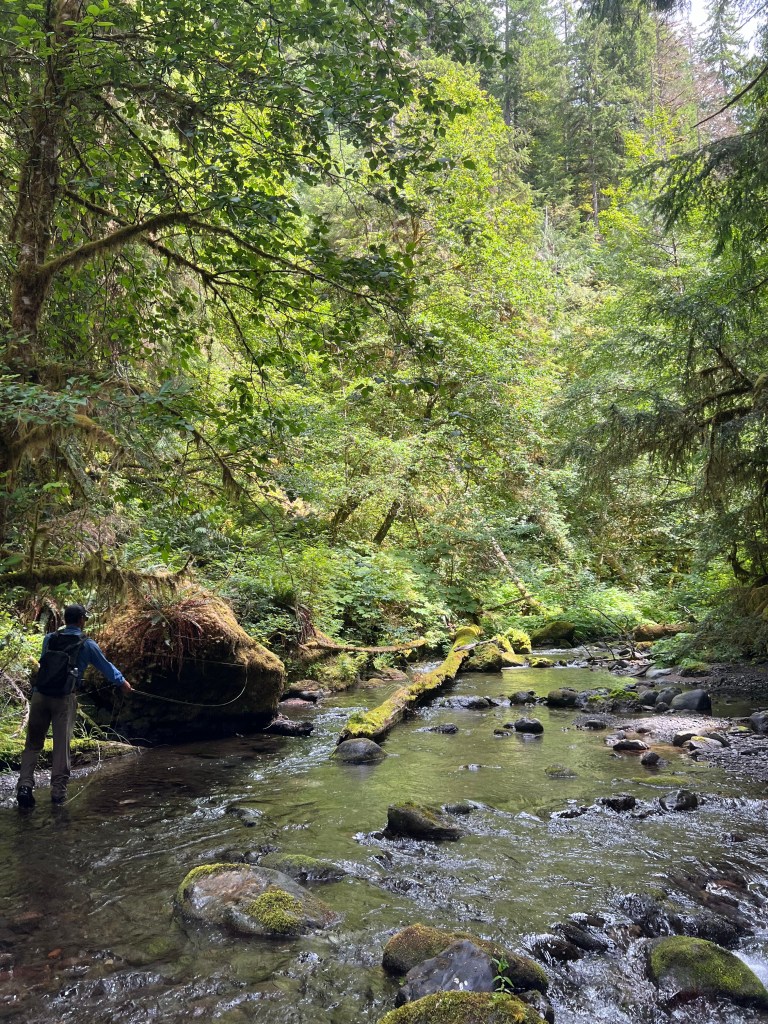
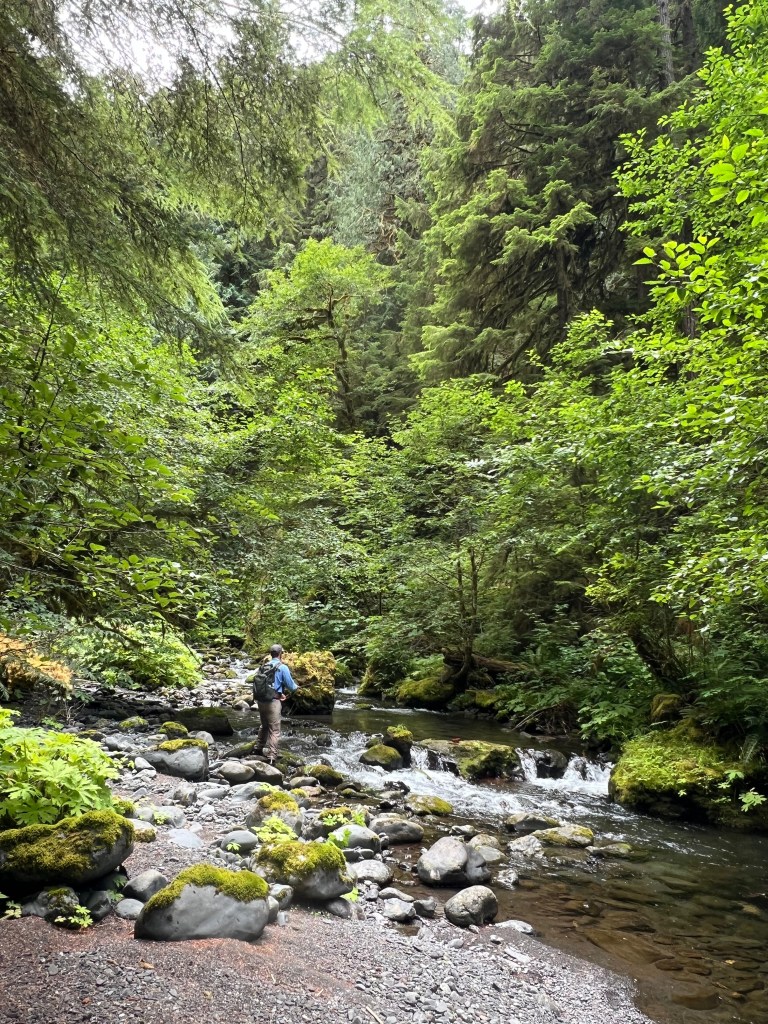
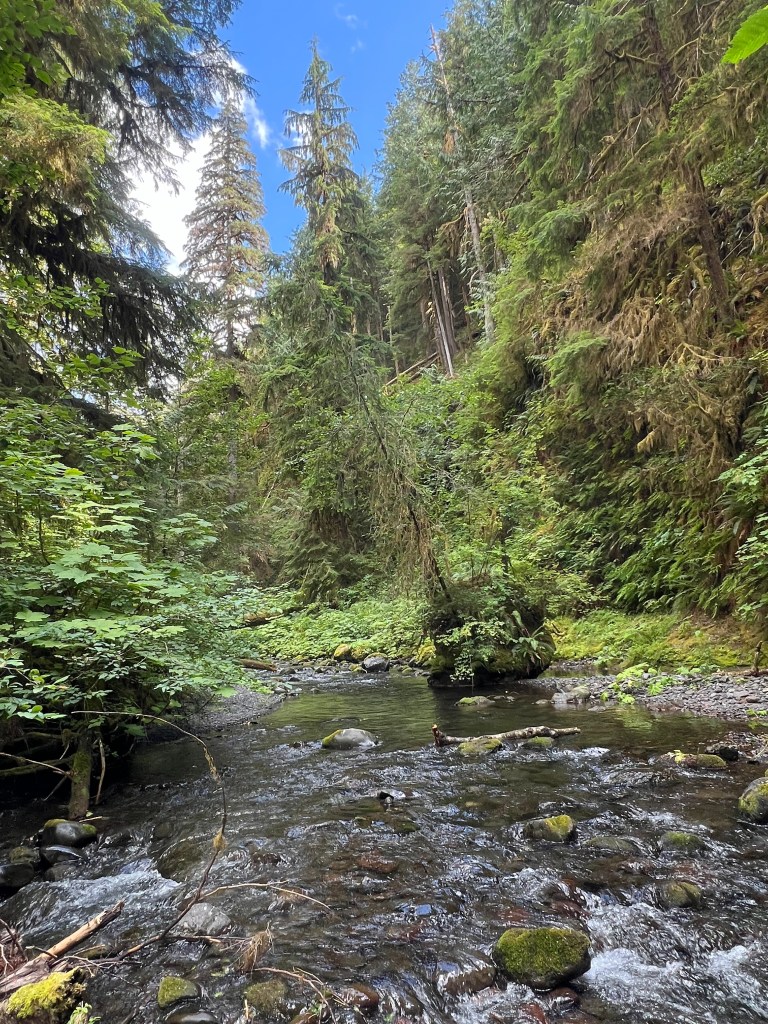
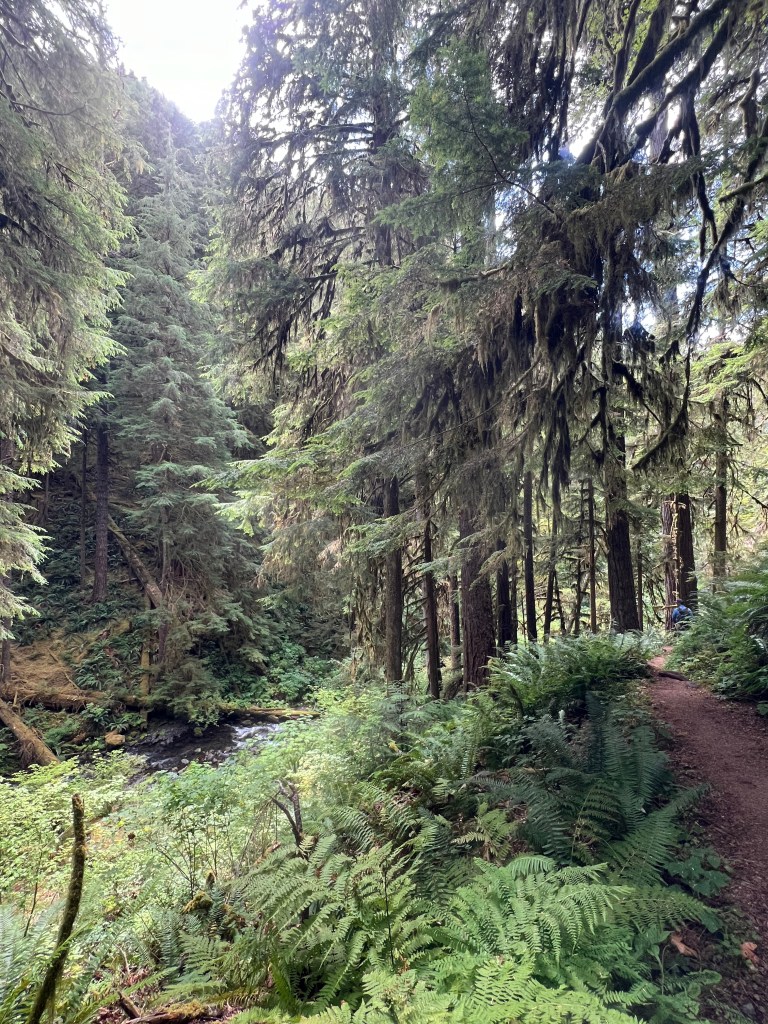
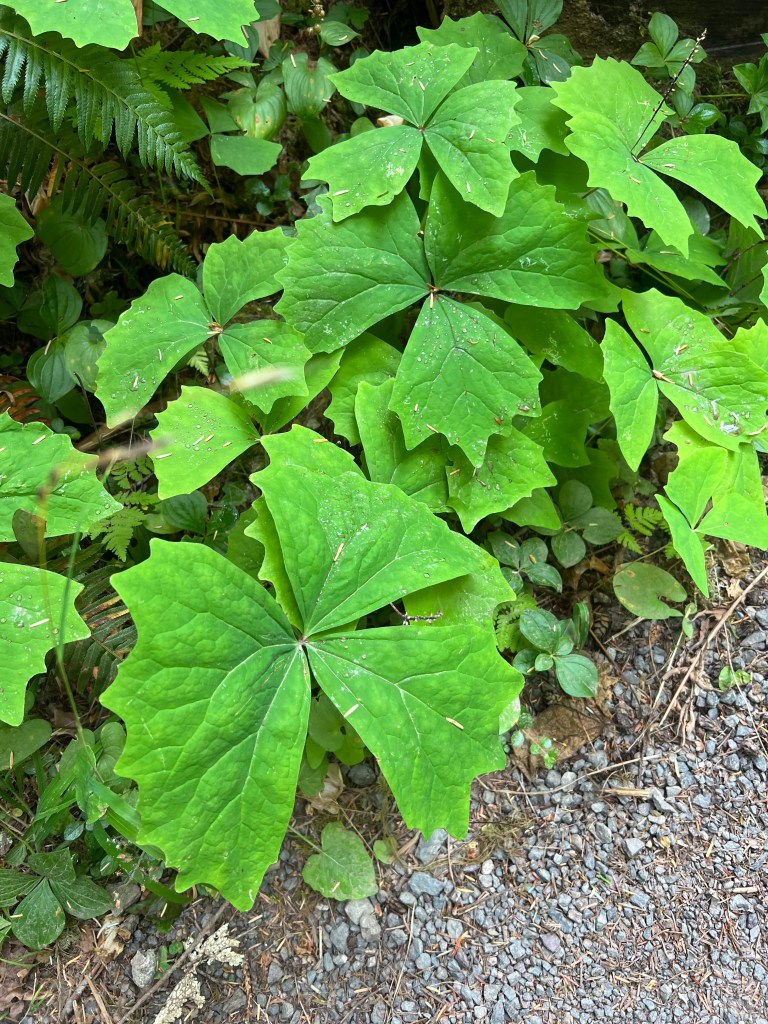
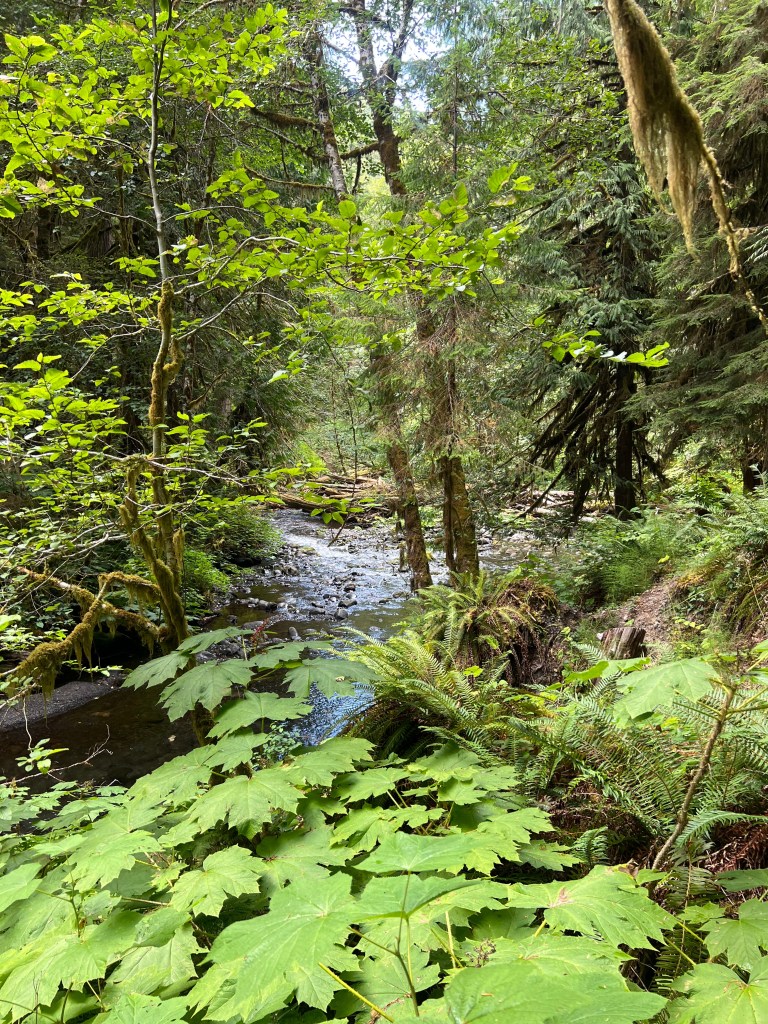
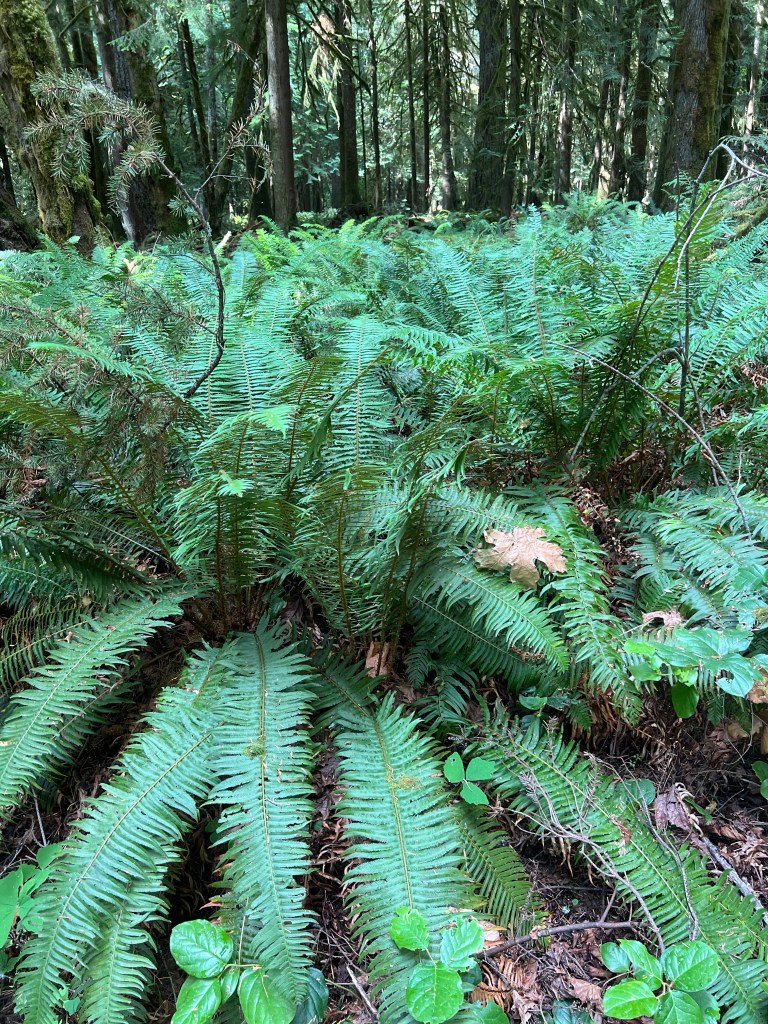
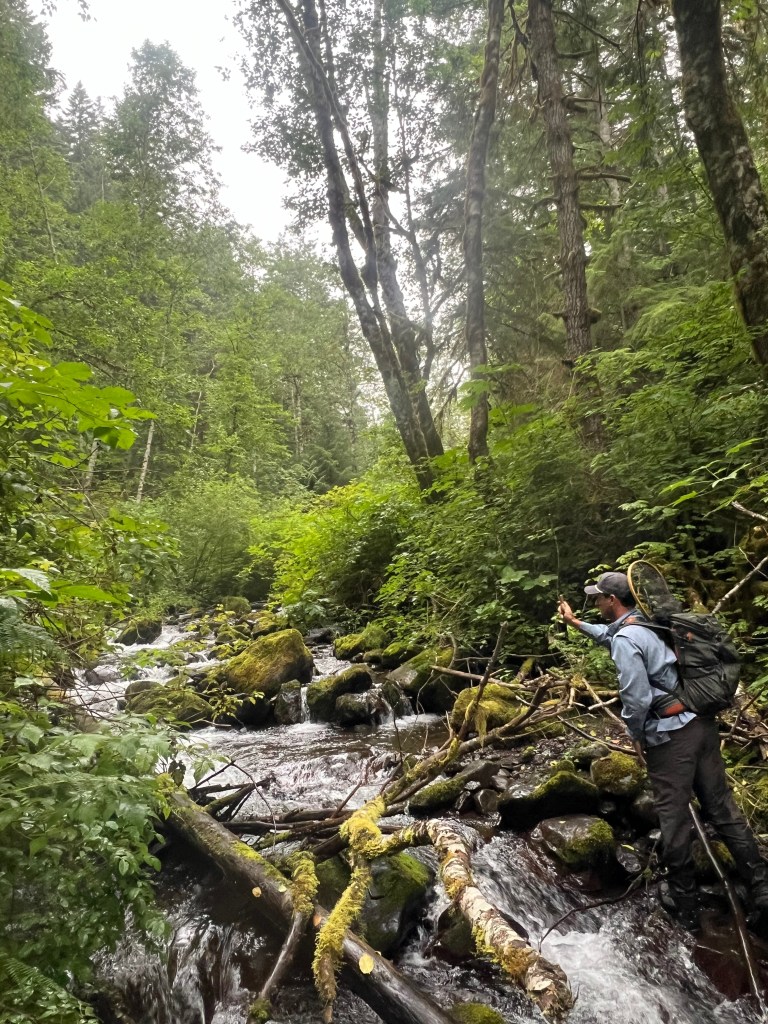
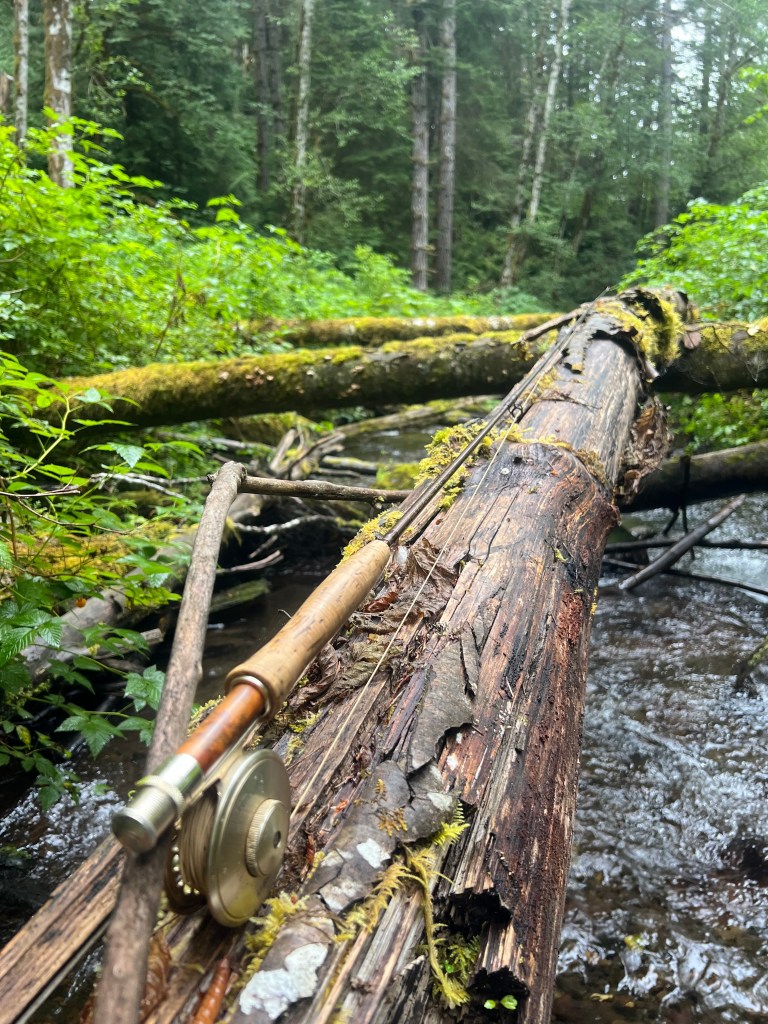
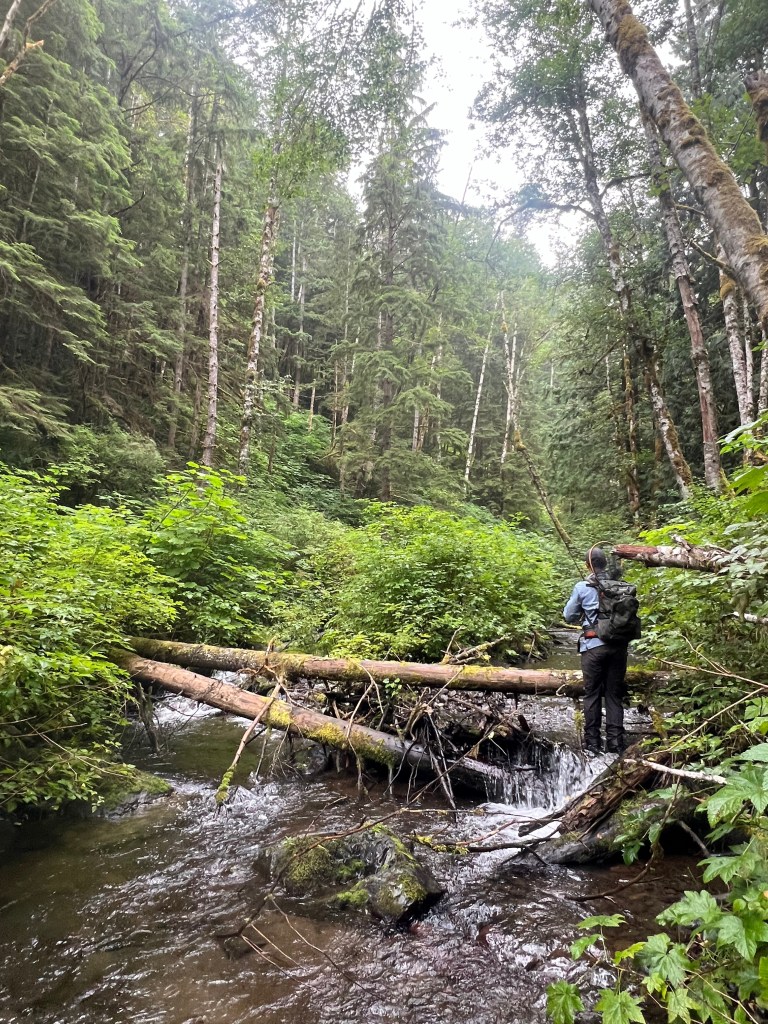
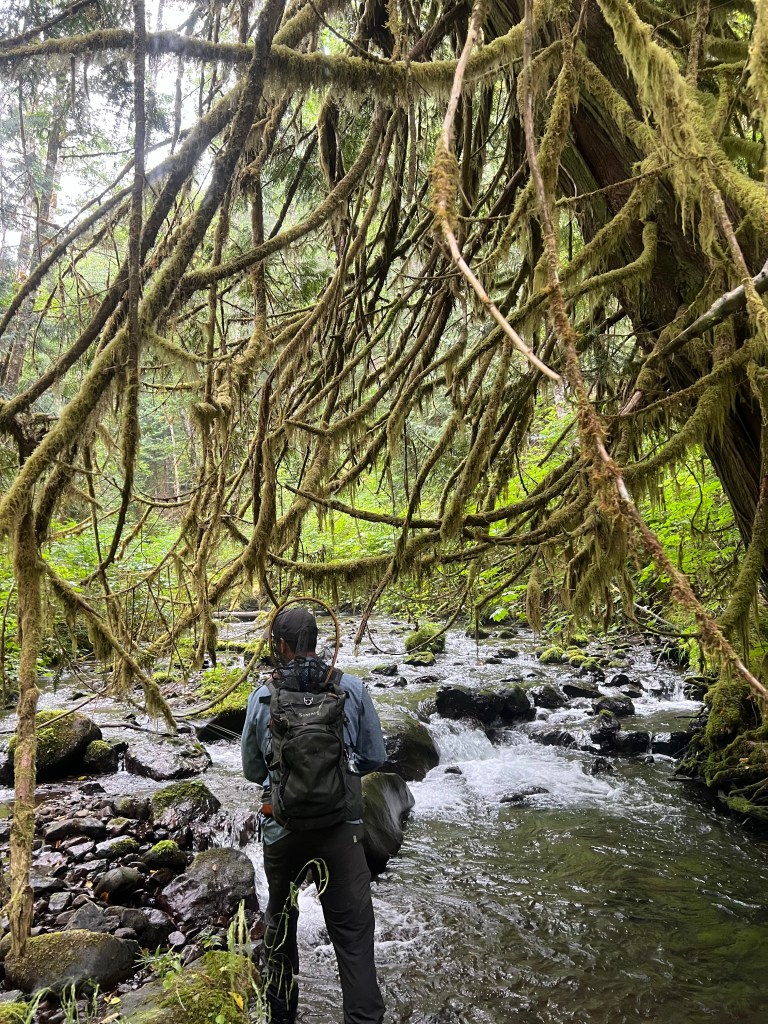
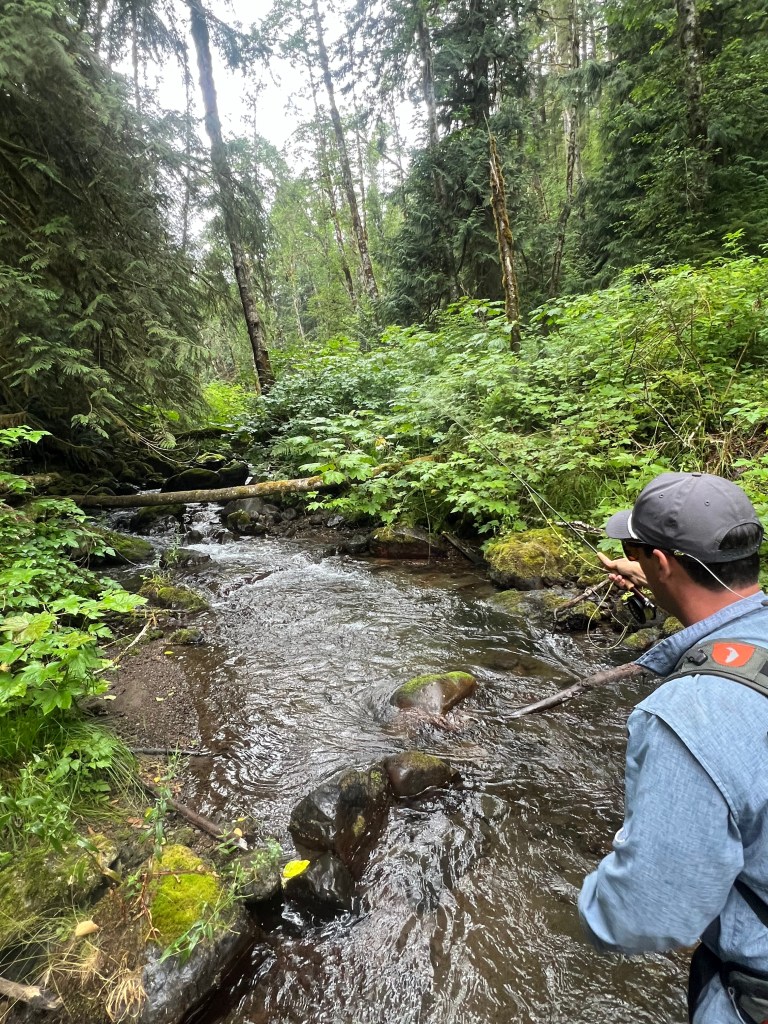
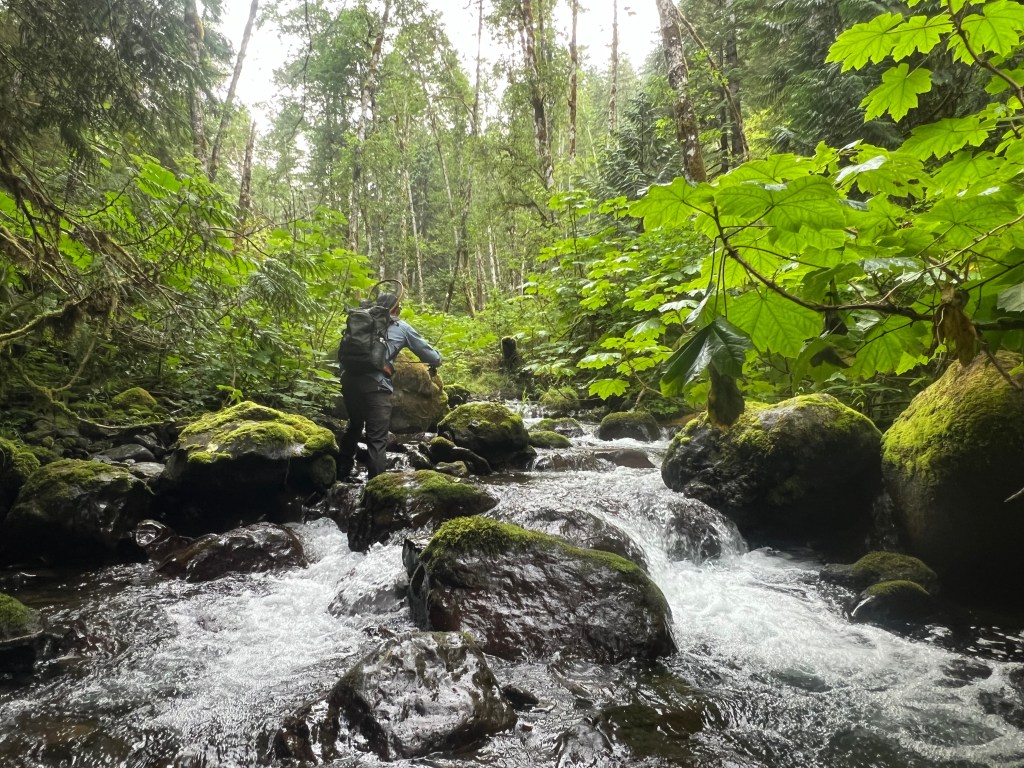
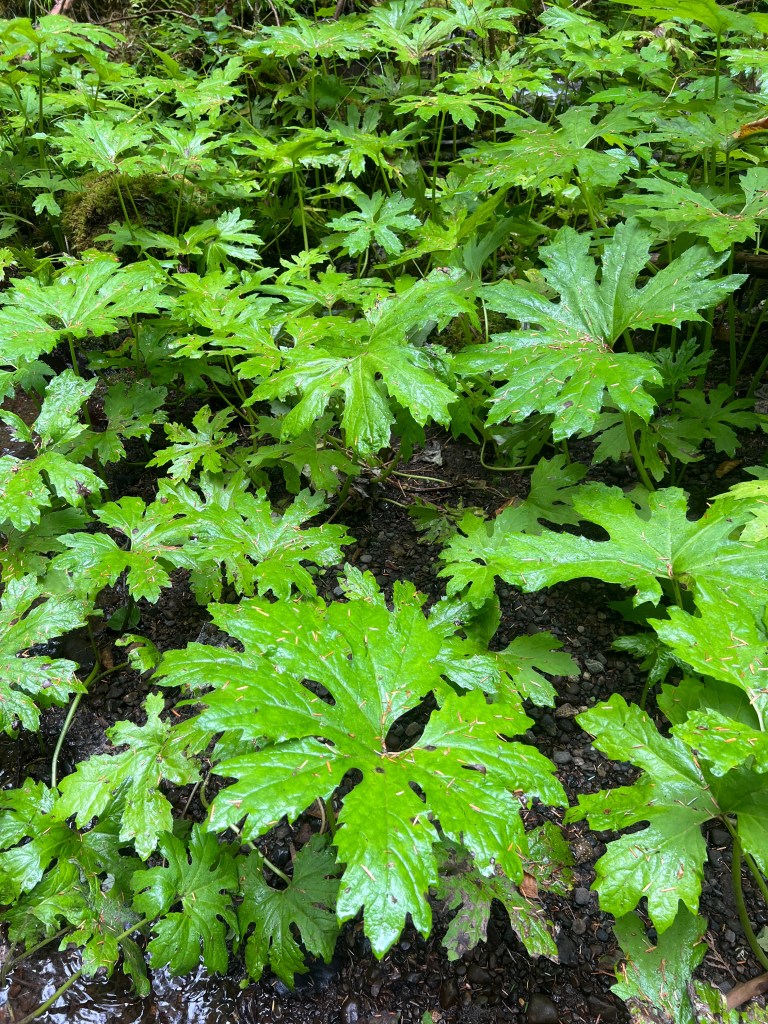
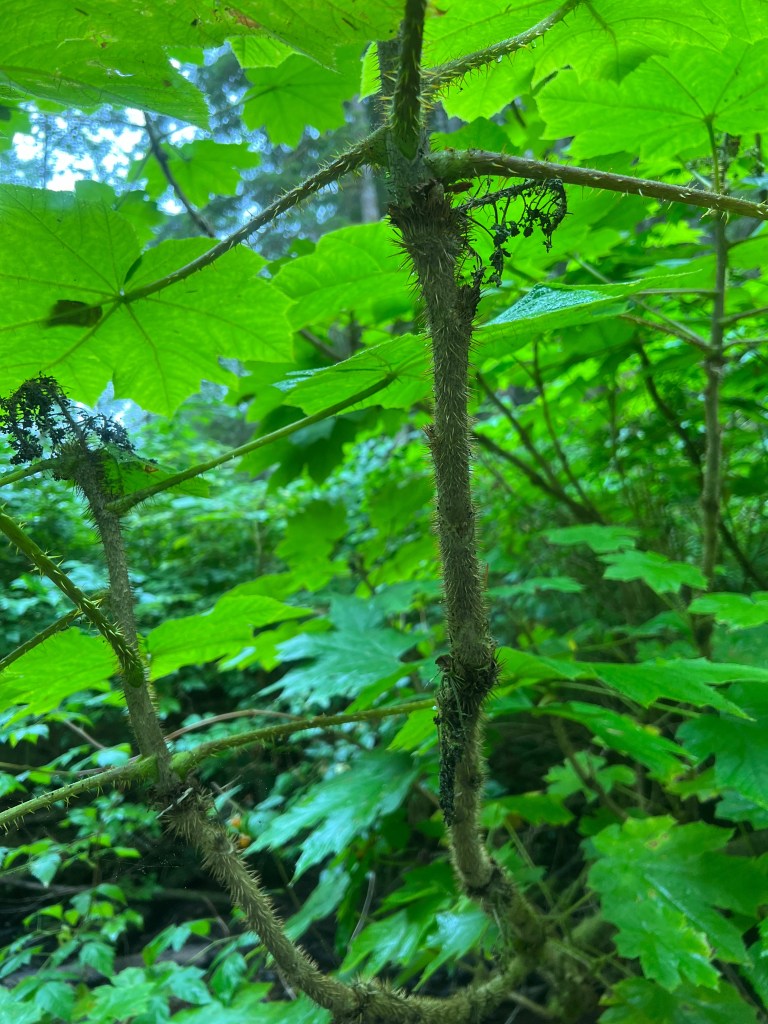
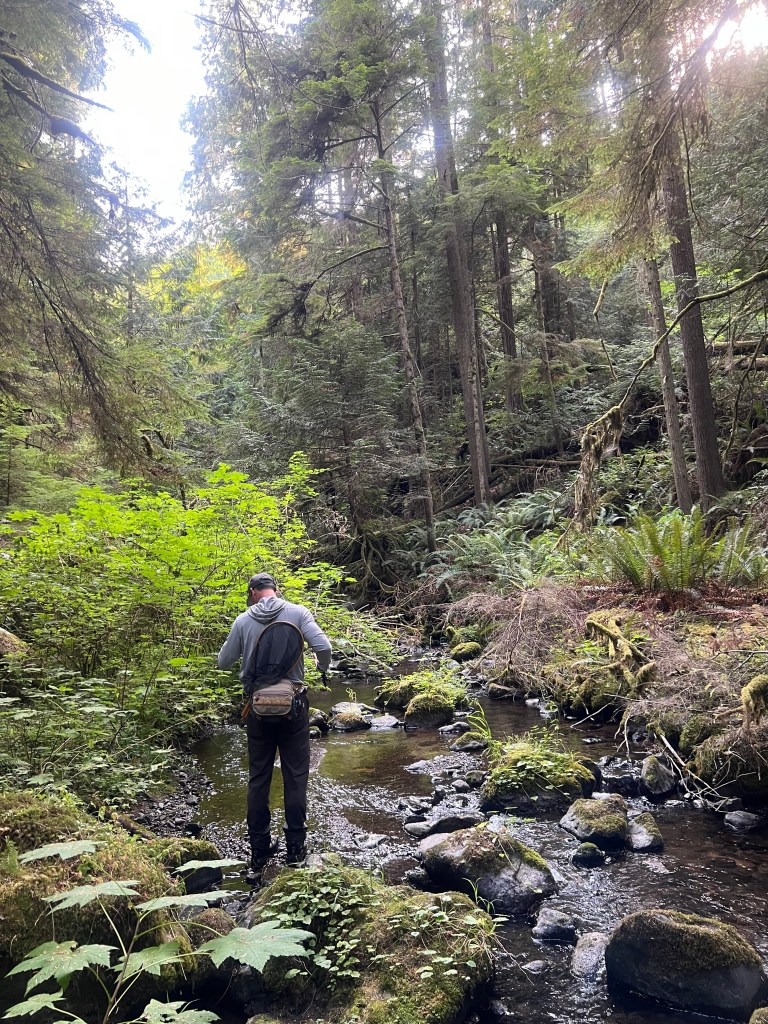
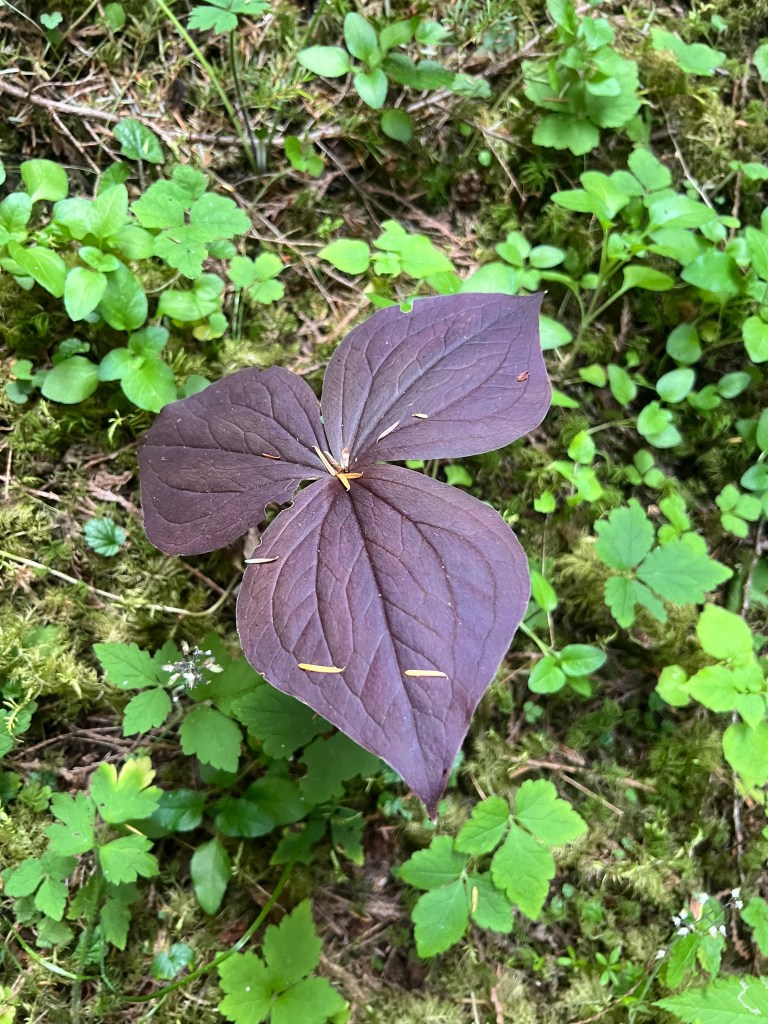
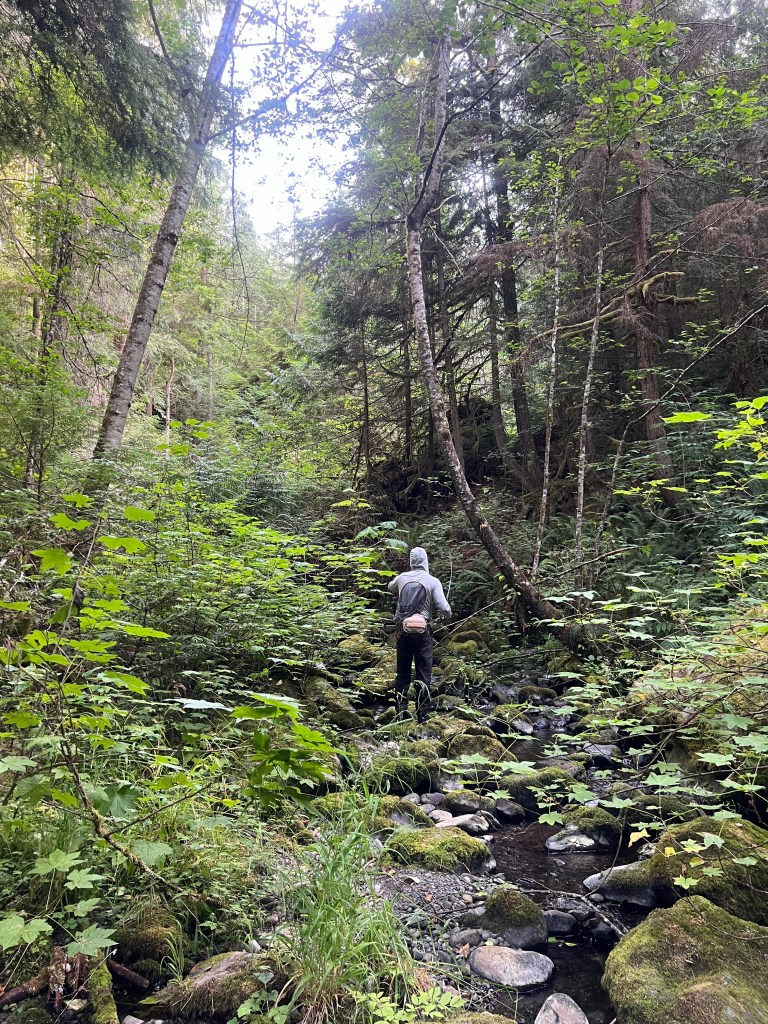
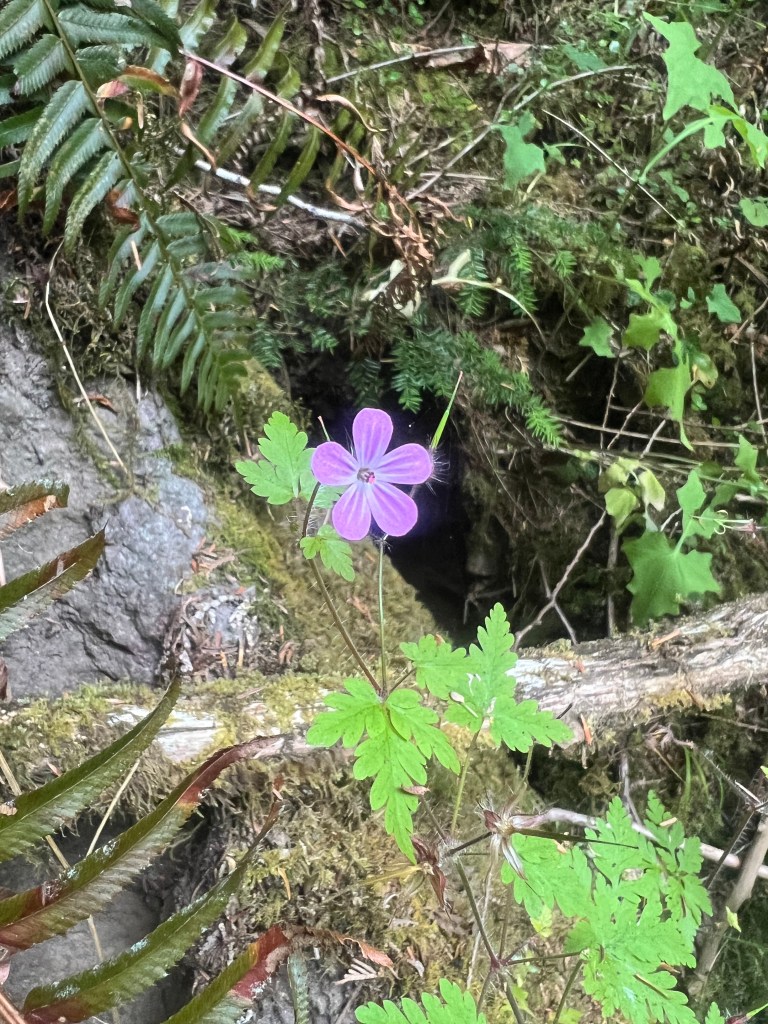
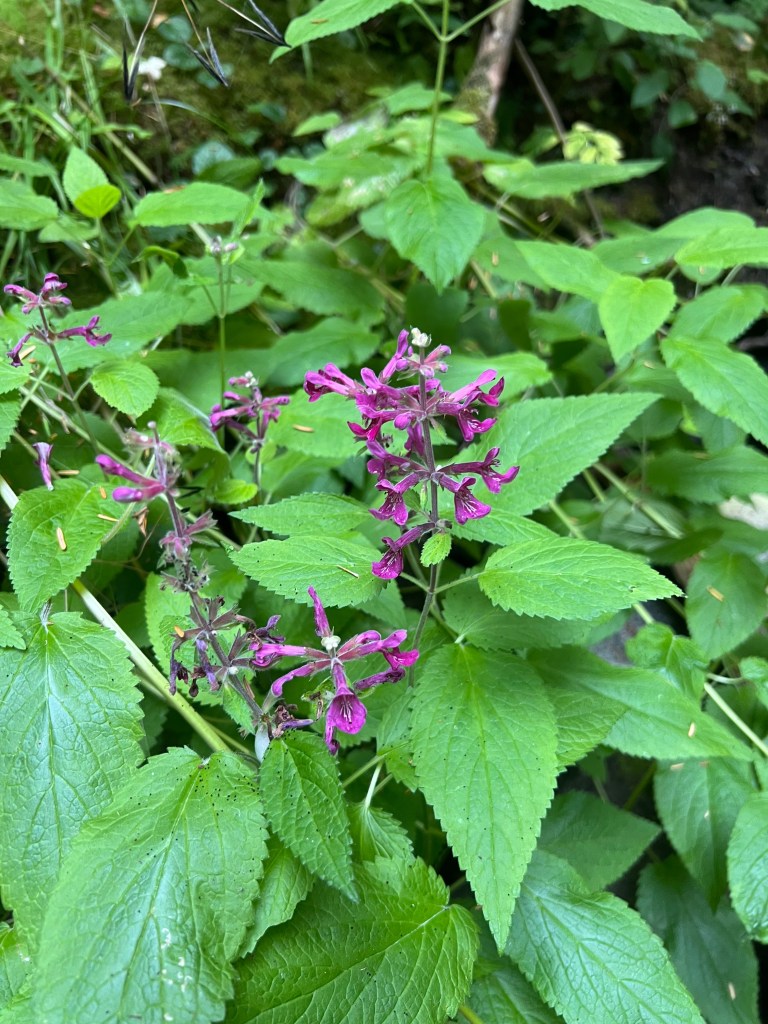
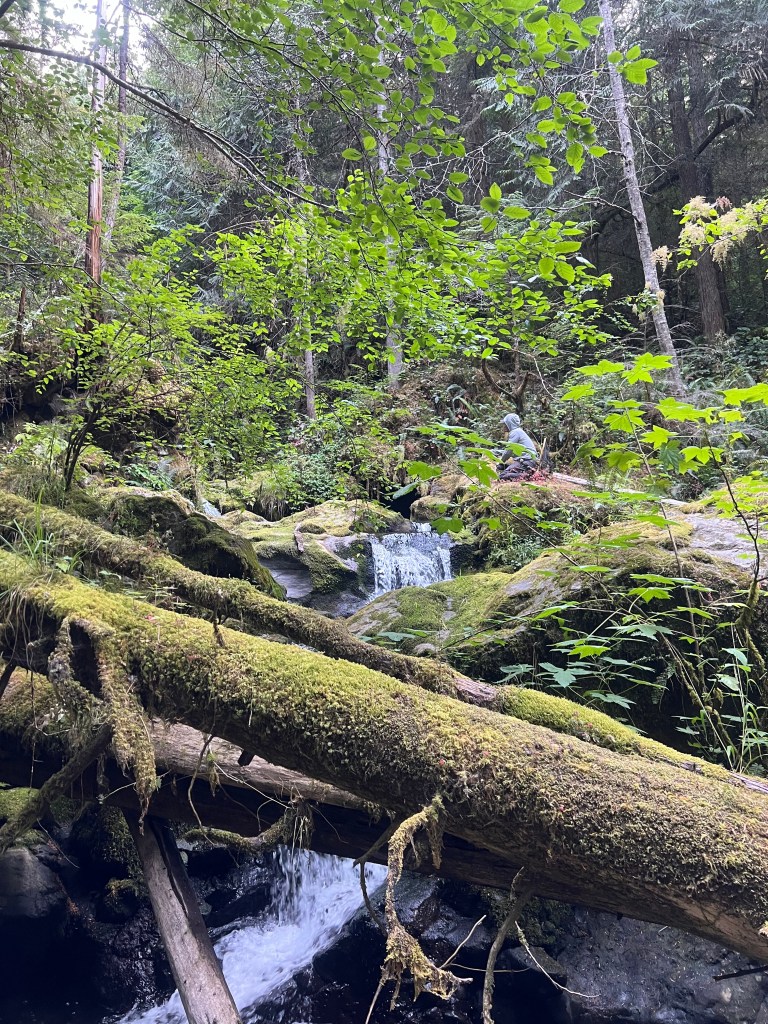
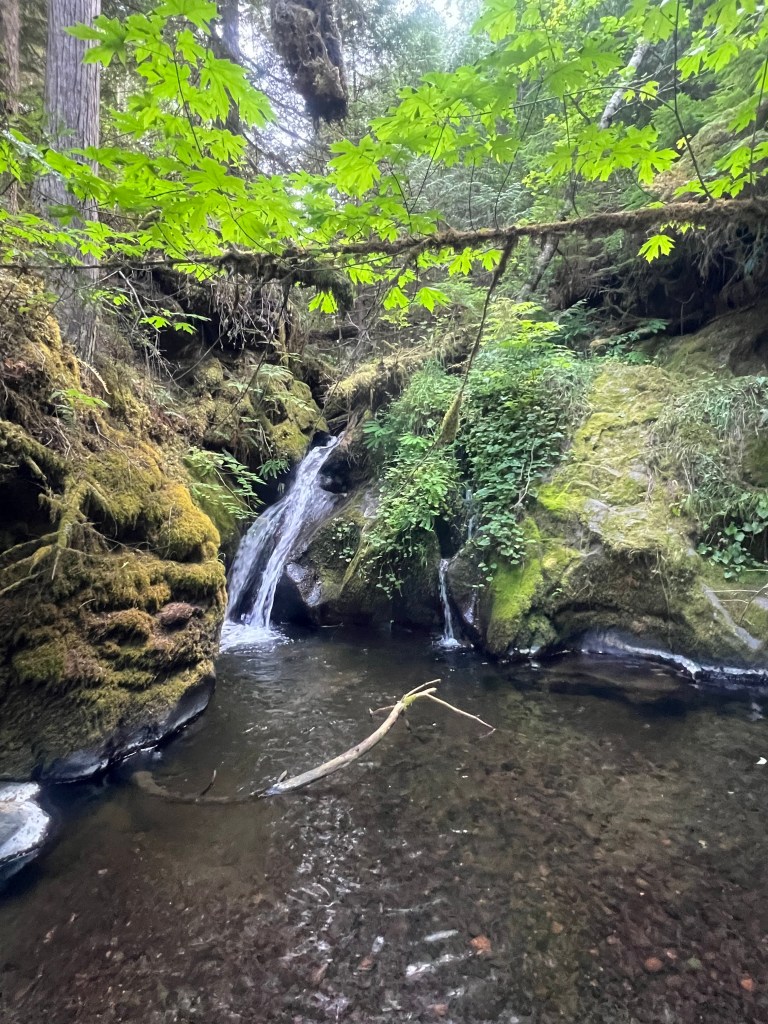
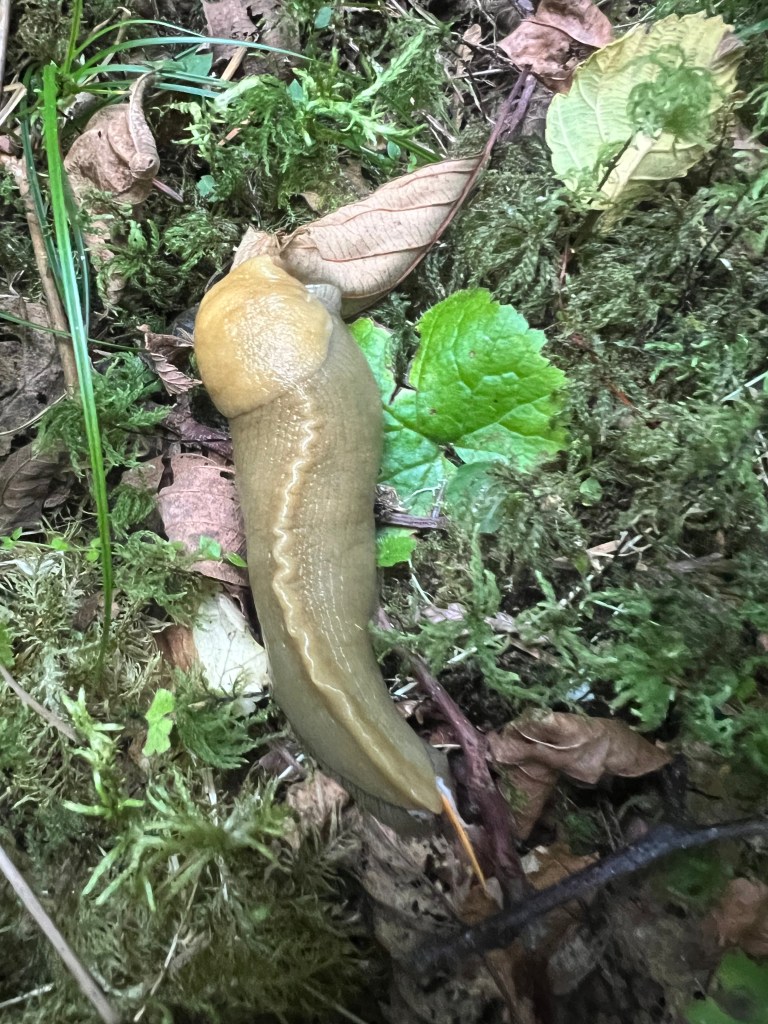
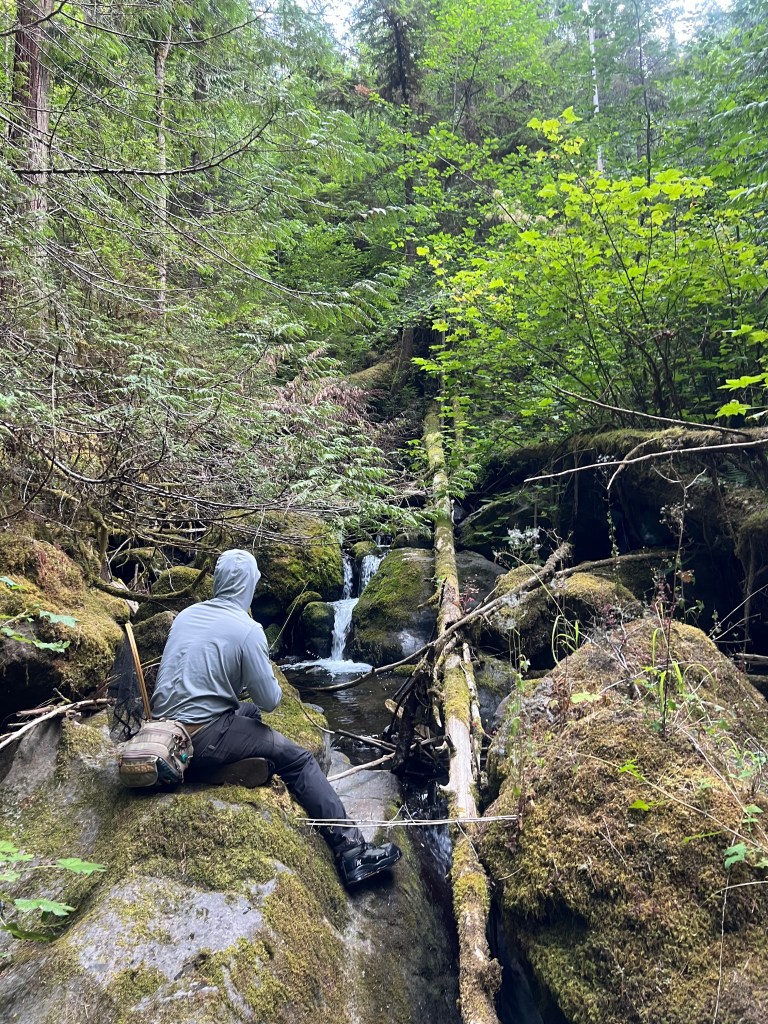
When we made it down to the creek it was pretty clear this was going to be some tight, technical fishing. The water was pretty low and clear as well. This seems like pretty typical late summer conditions in any mountain range. Honestly the creek didn’t seem that different than those you fish in North Georgia, so I really didn’t feel too out of place here. The forest felt different though – the plants were certainly different than what you’d see down south. The forest floor was porous too – bushwhacking in meant stepping through the ground in places – that’s how much organic material was on the ground, kinda wild stuff.

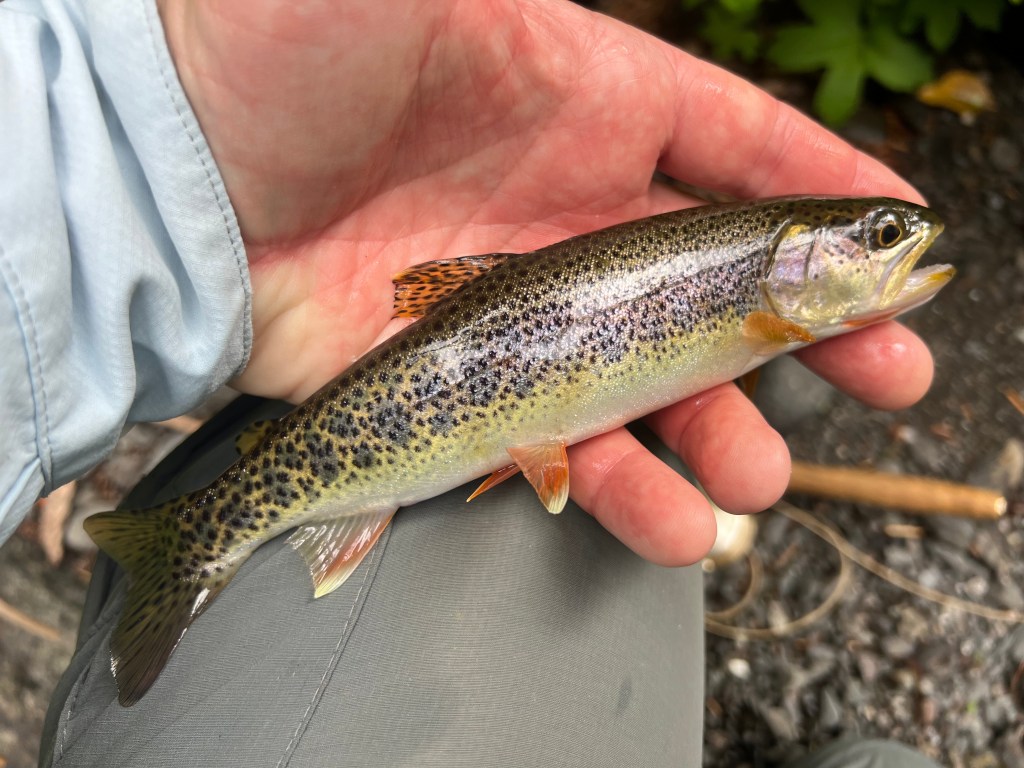
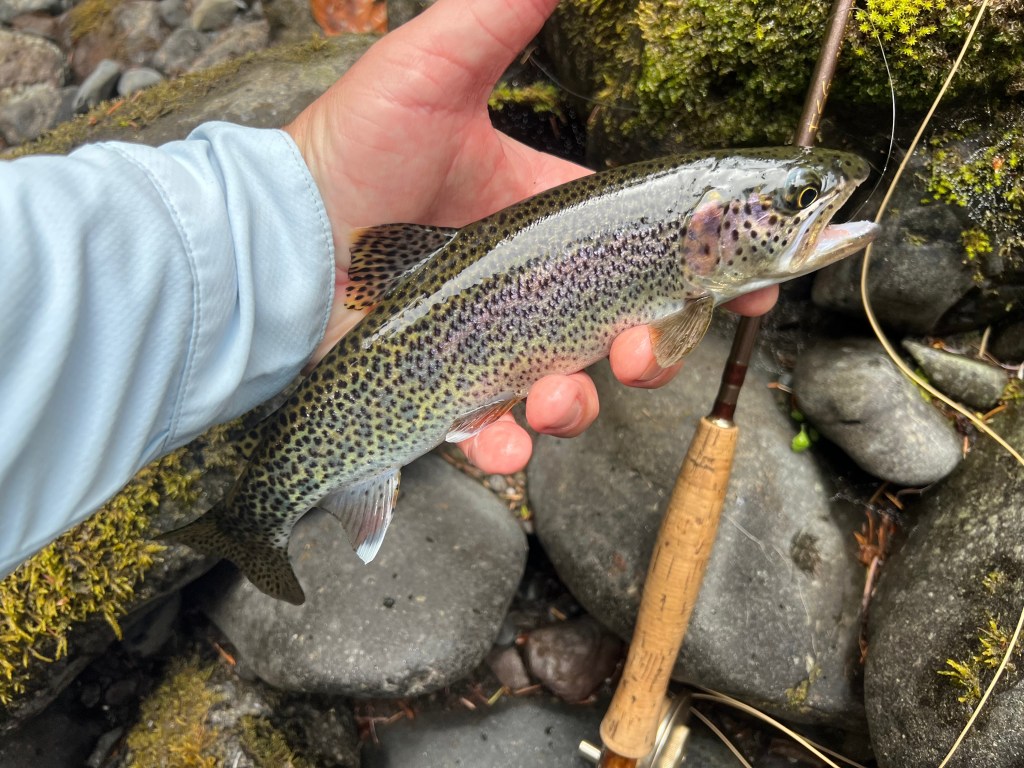
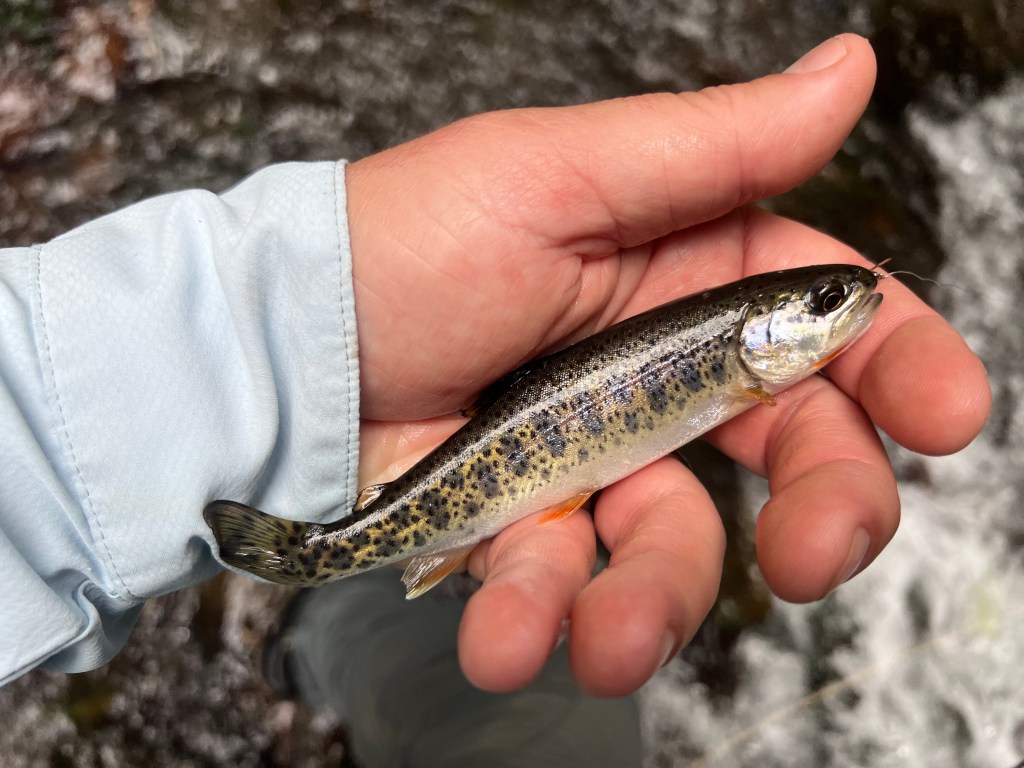
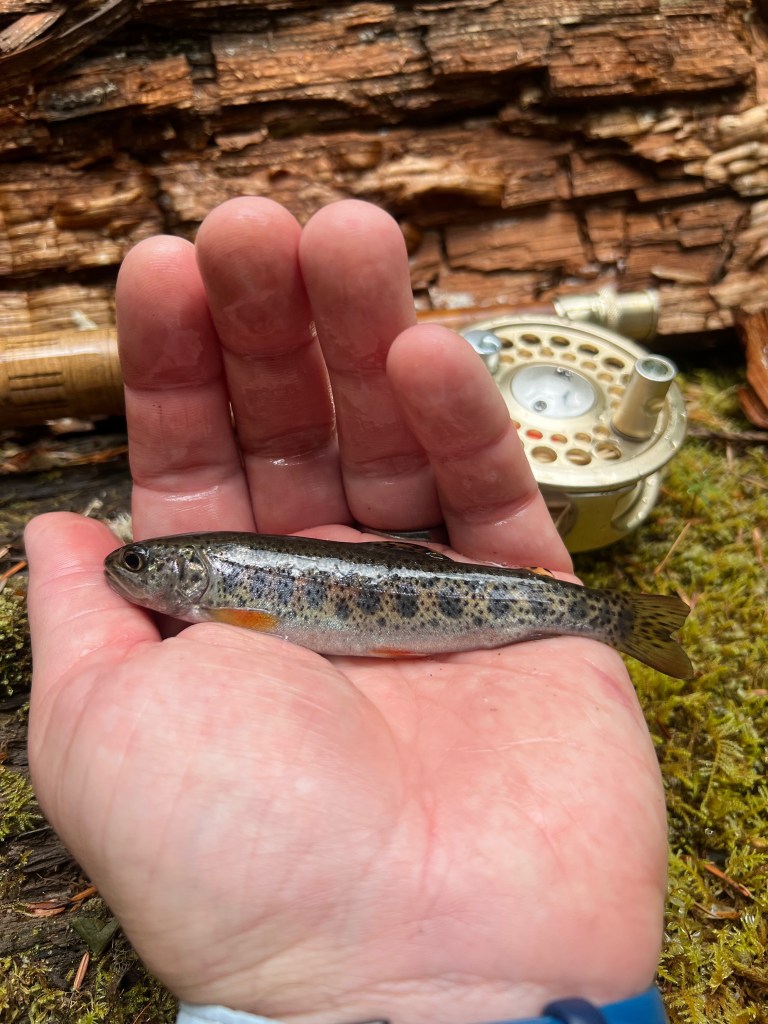
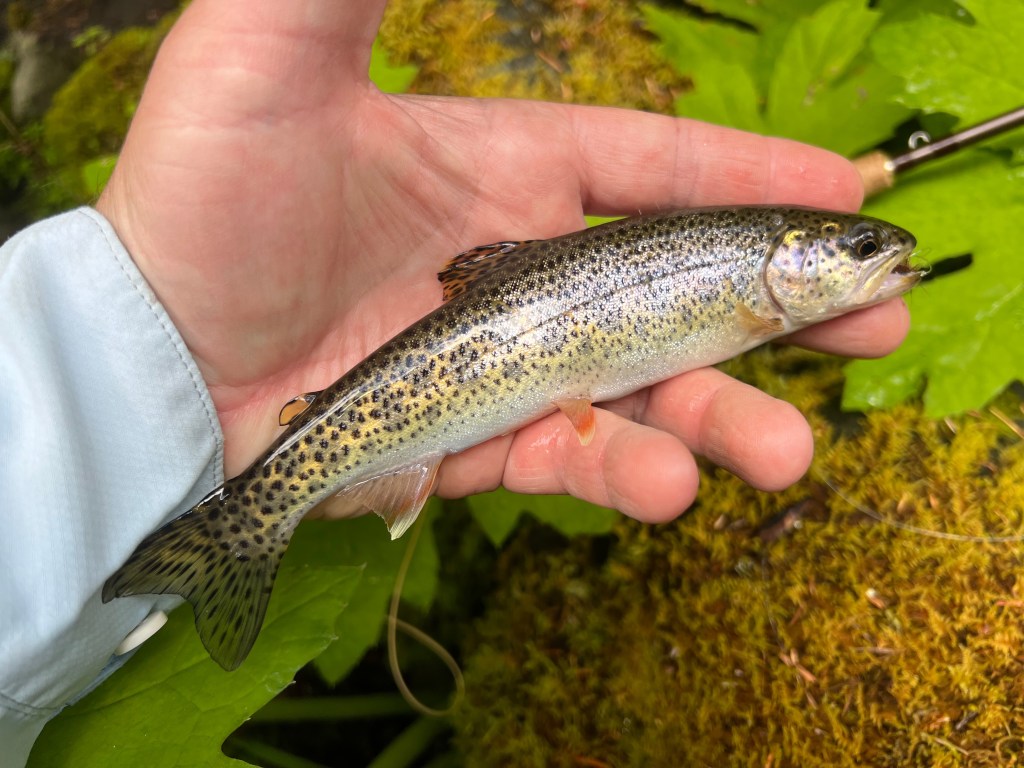
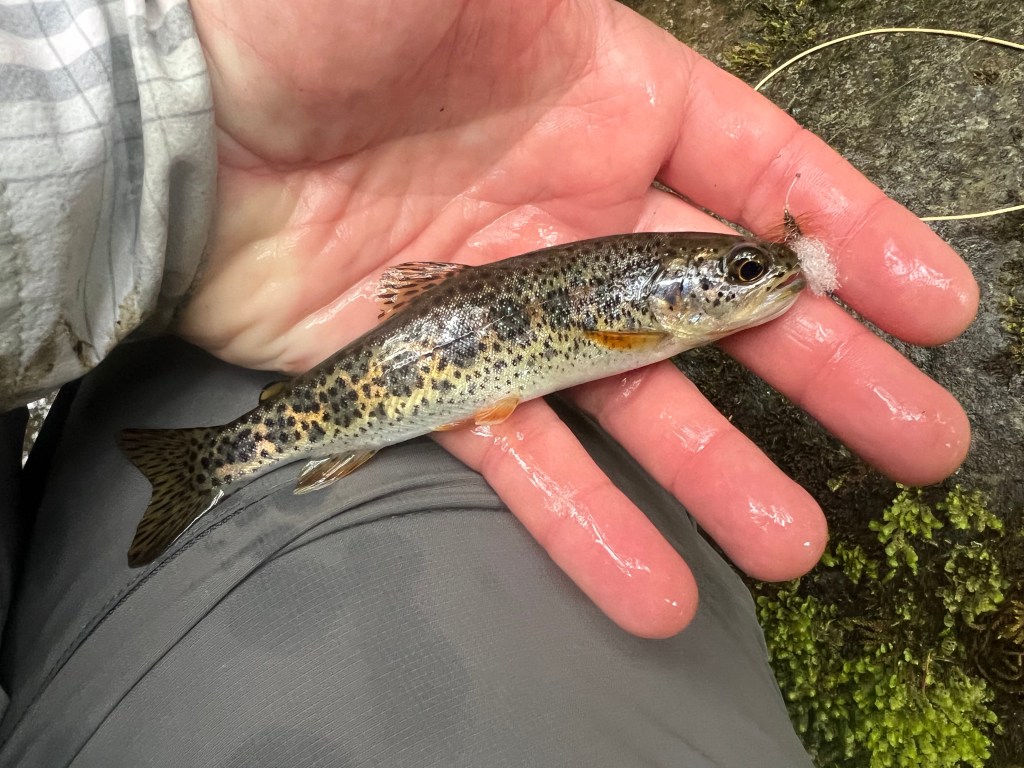
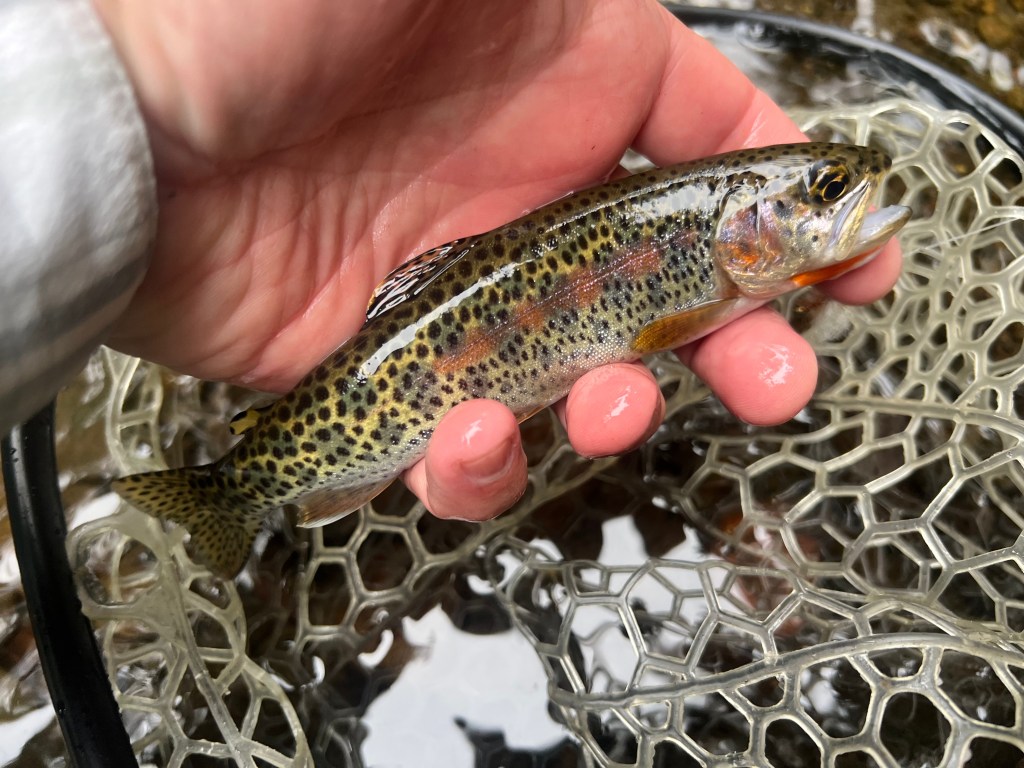
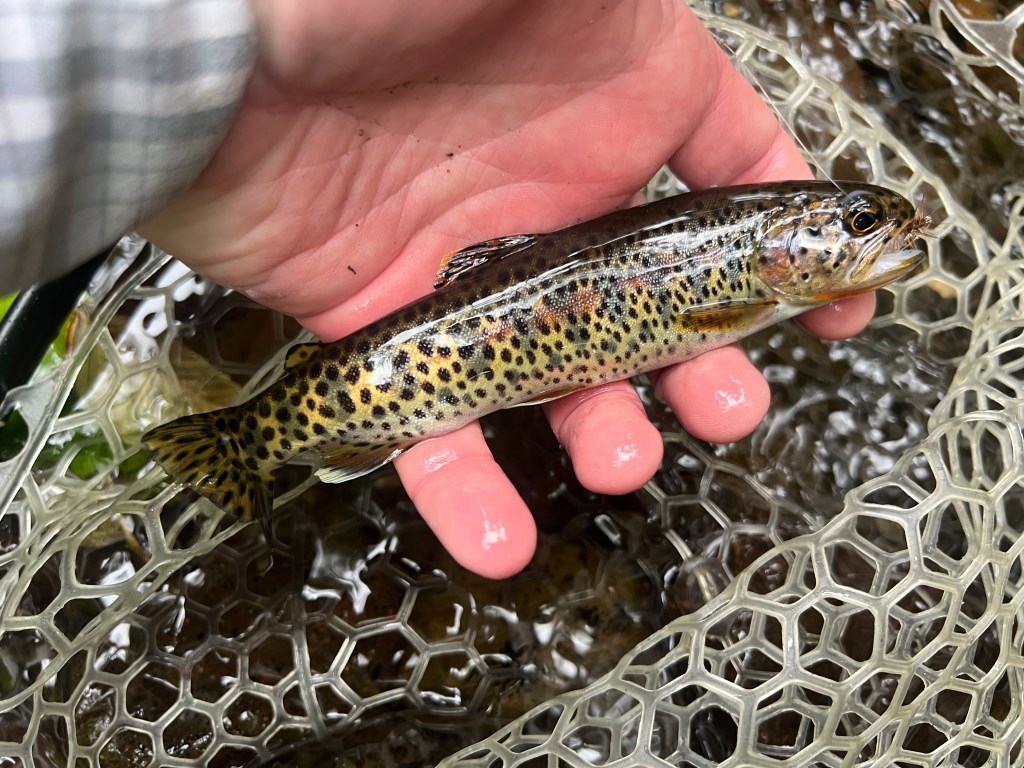
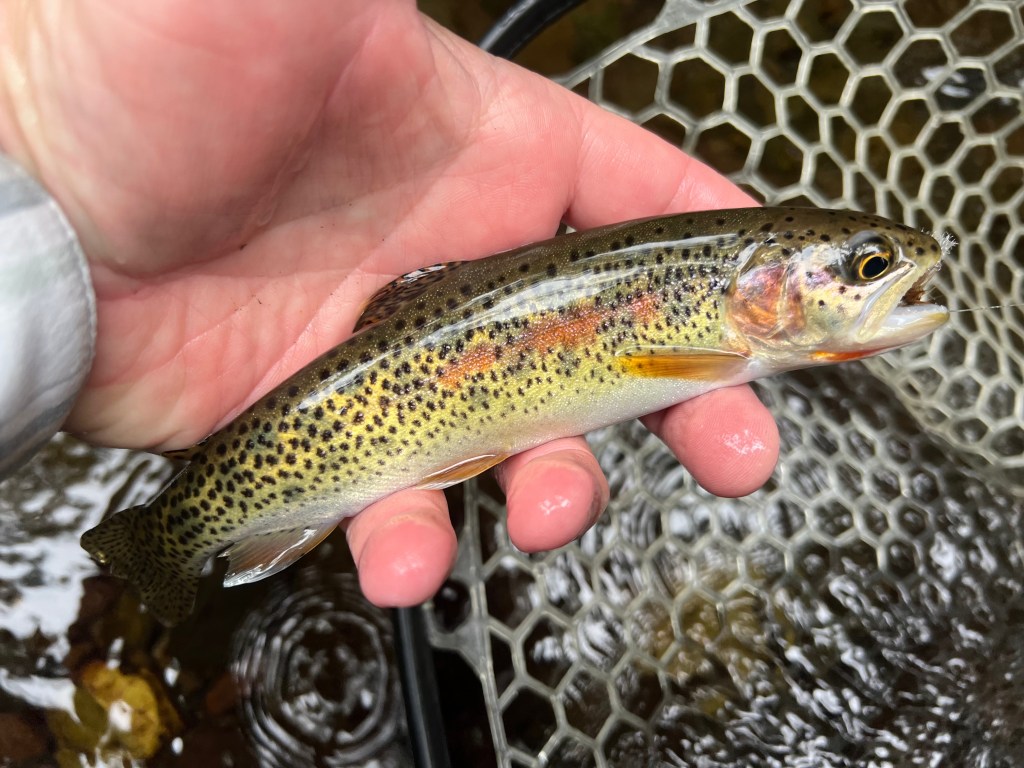
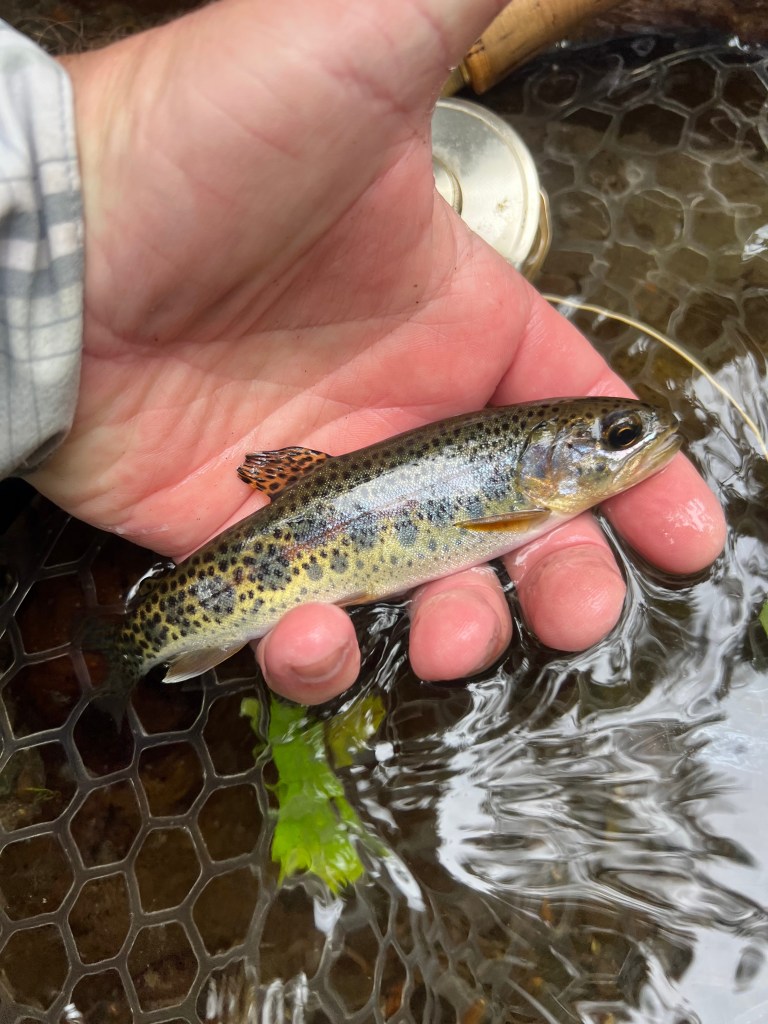
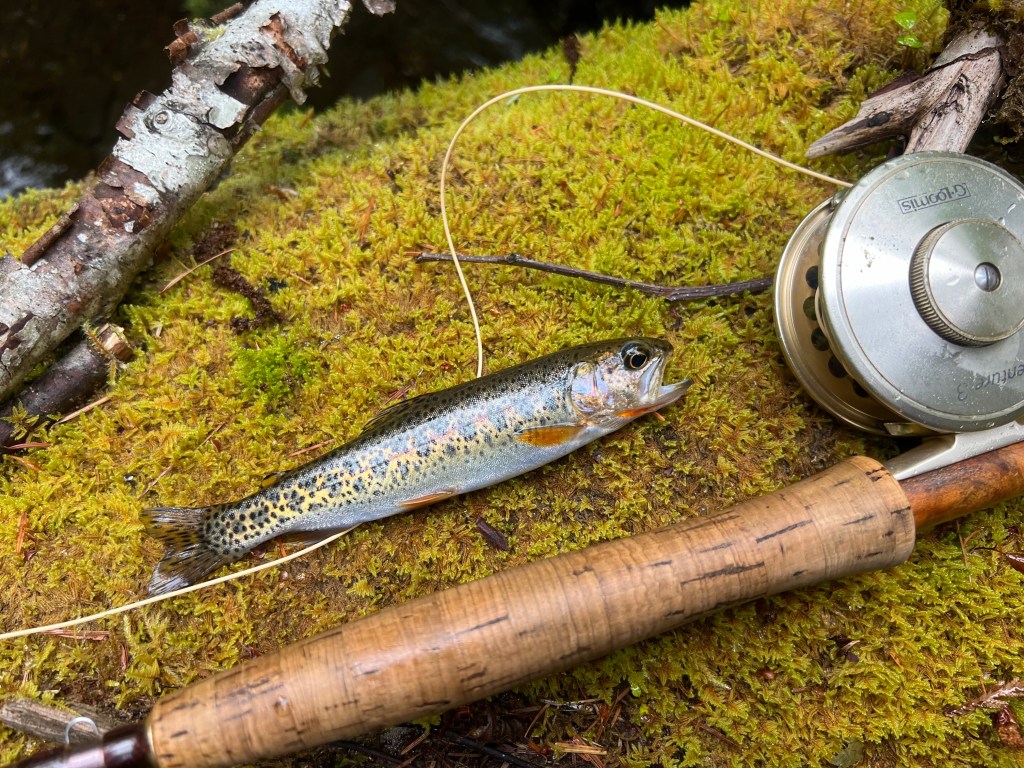
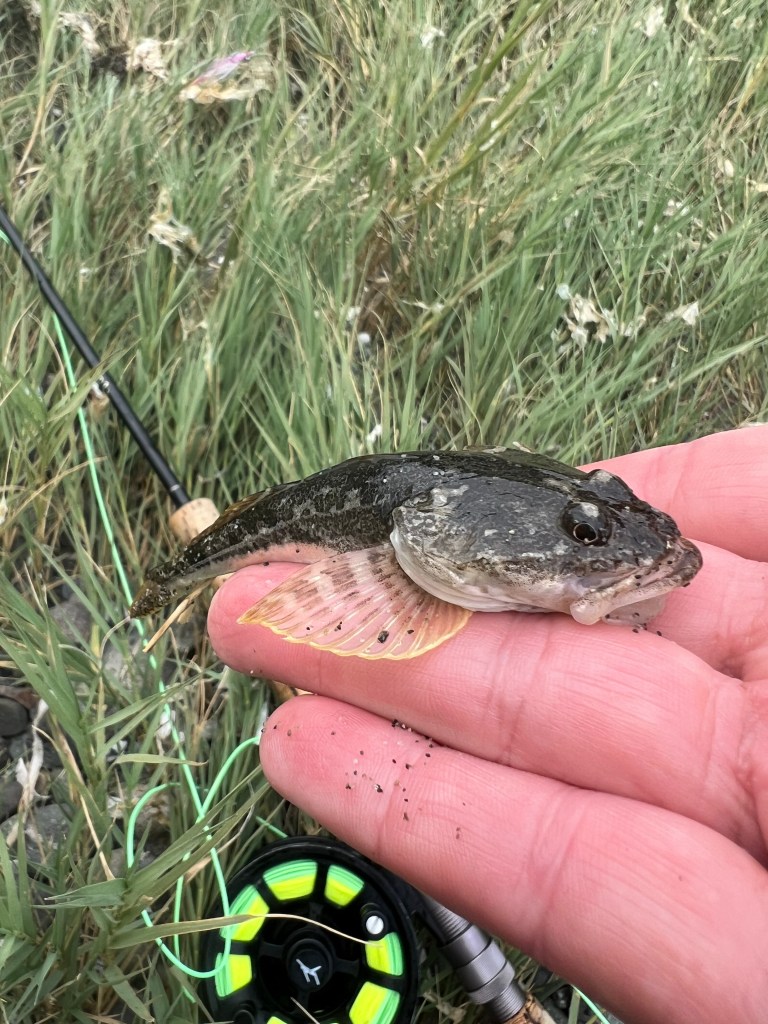
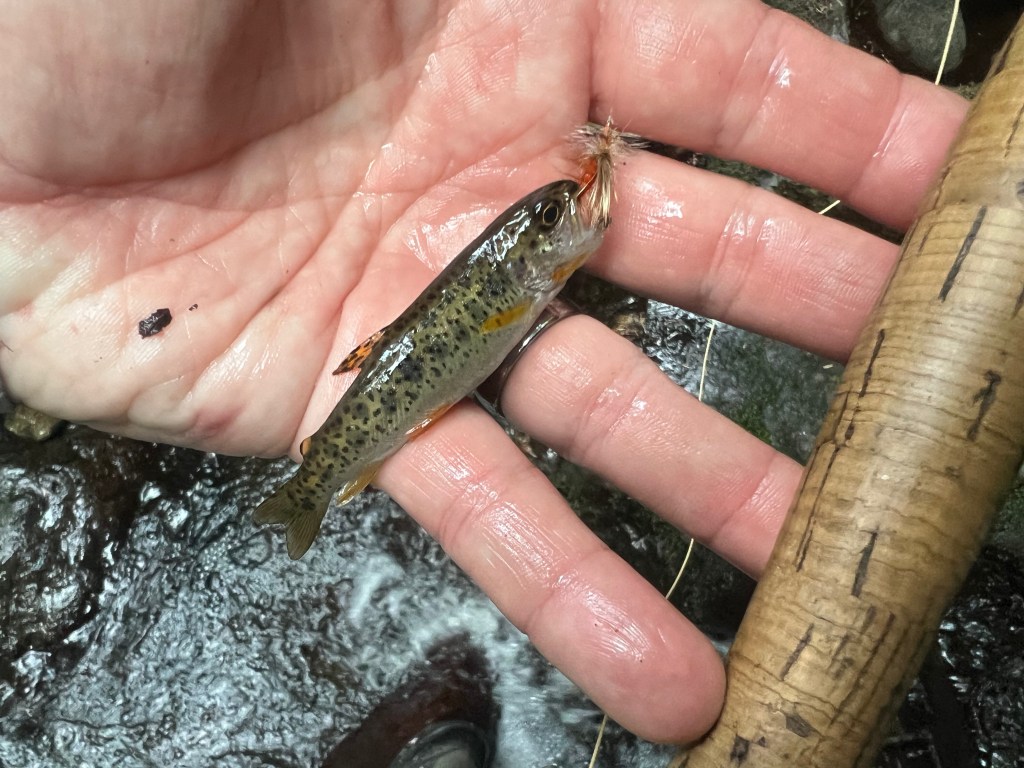
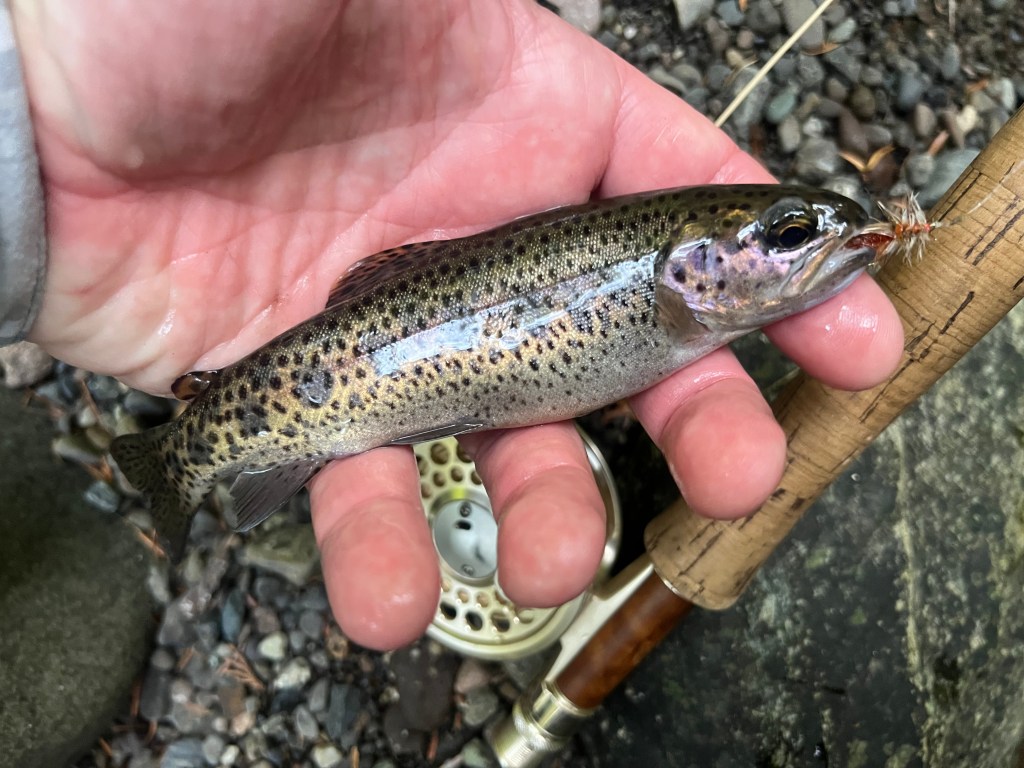
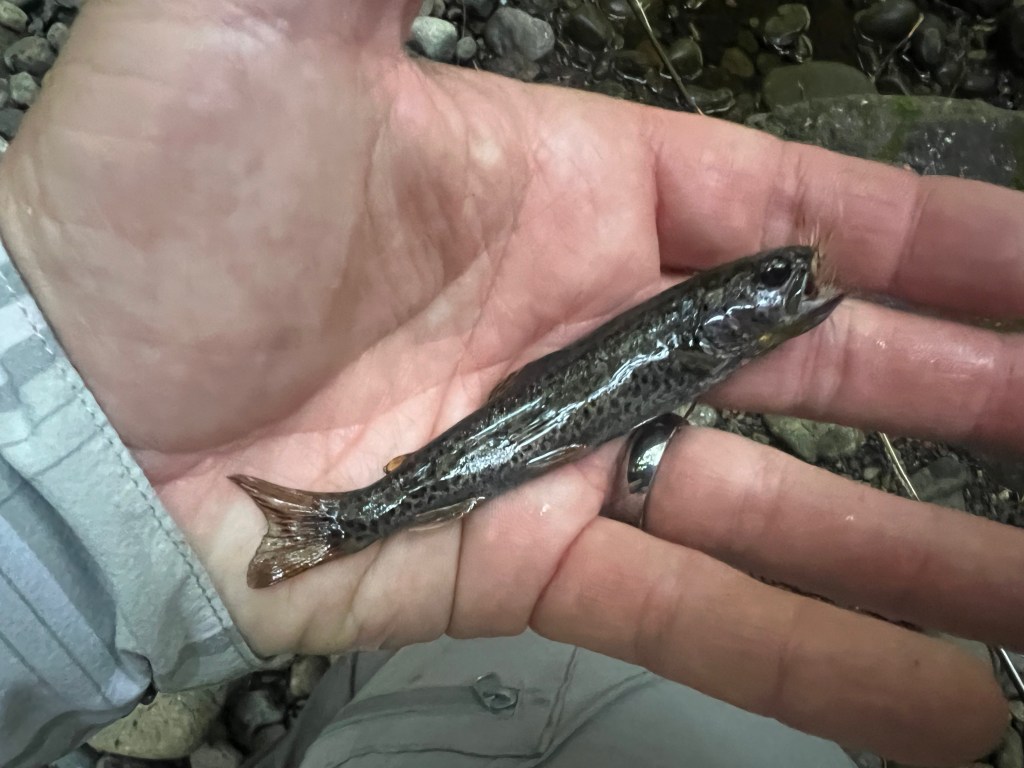
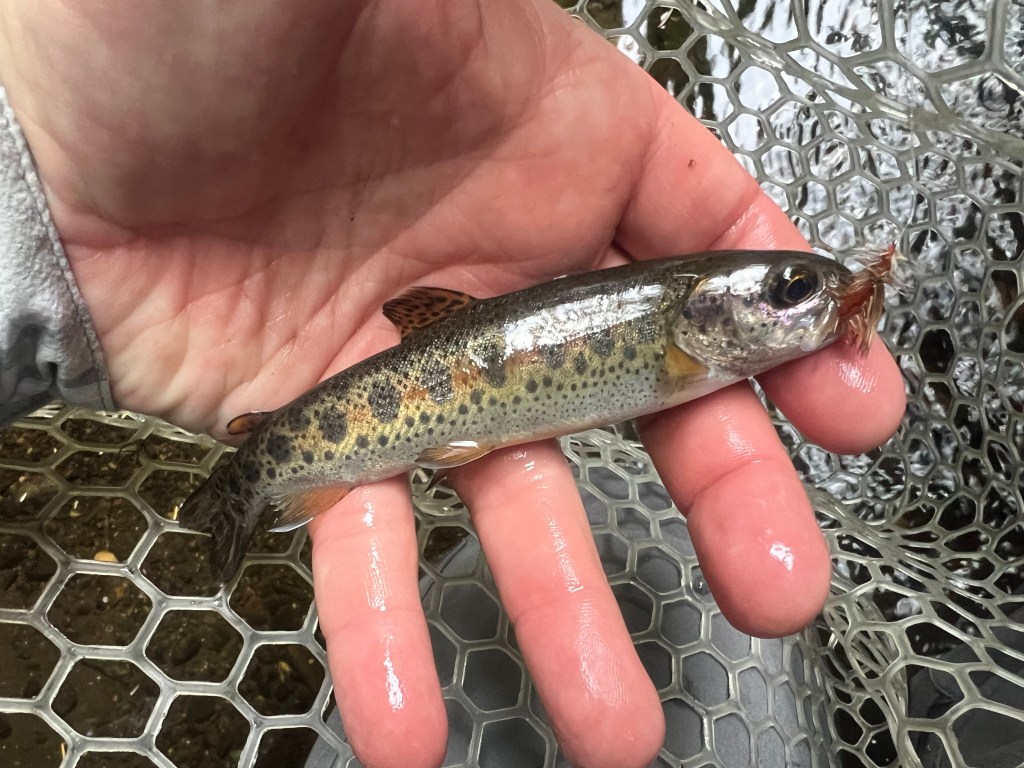
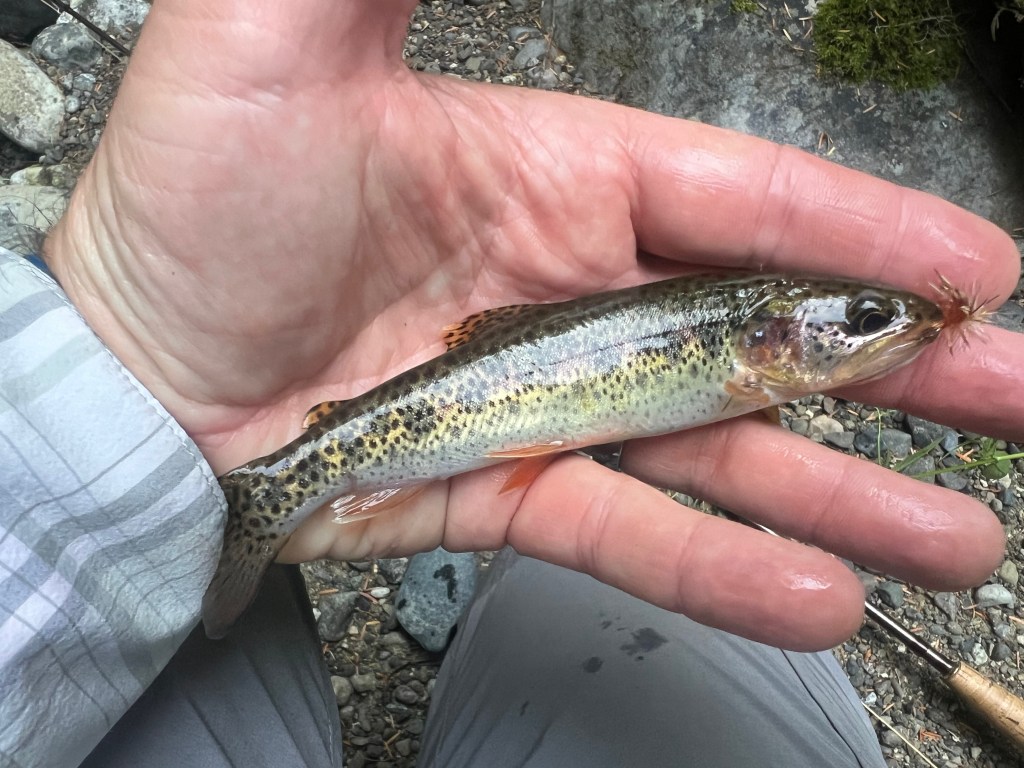
I caught a little trout pretty early on, that I think was a coastal cuttroat, then followed it up with a slightly bigger fish, but I honestly couldn’t tell you if it was a pure coastal cutt, or if there was some rainbow trout genetics here. I followed that up with another small salmonid that I honestly don’t know what it was – I’m just realizing this now as I’m looking back at the pictures, lol. There were lots of little fish here, but catching something is always better than catching nothing, so I was pretty happy about fish rising to take dries.

The stream elevation started to increase and with that the waterfall/pool complexes did as well, but we made it to a section of the creek that just really weirded us out. We started noticing a bunch of homemade shelters on the side of the hill and there were some obviously well worn paths around this part of the creek. I even found a stash of supplies. I was guessing we had made it below where the RV was parked. Seeing as how it was getting late anyway and we weren’t really interested in making new friends with anyone who may call this spot home, we decided to hike out. The easiest route out would take us right up to where the RV was parked, which in hindsight probably wasn’t very smart on our part, but thankfully no one was outside. As we passed Blake pointed out the Narcan packaging sitting out on their camp table ready to be put to use! It really did feel a lot like North Georgia up here after all, lol.

We caught some fish and made it back to the campsite without issue – so first day was a success. Tomorrow we’d try to catch some “no doubter” resident coastal cutts, hopefully a little bit farther away from civilization.

Edit Page

The salmonids are in family Salmonidae, which has 10-11 genera that is divided into 3 subfamilies; Coregoninae(whitefish), Thymallinae(grayling), and Salmoninae(char/trout/salmon). Living in the Southeast you have access to a very limited amount of salmonids and I’ve caught the 3 that occur in Georgia.  The brook trout is the only native trout species in Georgia and it is actually a char. 

Updated, December 2025: I made my first trip out West in September of 2012 to Colorado and caught several “greenback” cutthroat trout in Rocky Mountain National Park – or what were considered greenback trout at the time.  Made another trip out West in August of 2013 to Teton and Yellowstone National Parks where I picked up another cutthroat species and mountain whitefish.  In August of 2015 I was able to complete the Wyoming Cutt Slam, picking up Wyoming’s four native cutthroat species (they do have a fifth, the Westslope, that is not required for the slam).  In July of 2017 I completed the Utah cutthroat slam, which didn’t necessarily add any new species to the list, but I was able to add Bonneville cutthroat outside of the Bear River drainage and Bear River cutthroat, which some consider genetically distinct. In June of 2021 I made it out to Arizona and New Mexico to catch Apache and Gila trout in their native range. In August of 2022 I made it up to northern Idaho and caught several Westslope cutthroat in their native range. In July of 2023 I made a northern New Mexico/southern Colorado trip and caught lots of Rio Grande cutthroat in their native range.  Finally, in August of 2025 I made it out to the Olympic peninsula of Washington and caught coastal rainbow trout in their native range, coastal cutthroat, southern Dolly Varden, as well as the genetically distinct Lake Crescent cutthroat trout.

Dr. Robert Behnke is the man when it comes to salmonid knowledge. Pick up his book if you want to learn more about this particular family, “Trout and Salmon of North America”. Another great resource is Gary Marston’s Native Trout Fly Fishing blog, he has a Trout and Salmon species page with pictures and information of all those that he has caught (which may be all that are found in the U.S.). Gary’s trip reports are a good read as well, he has had some epic road trips to catch trout in their native range.

Trout found in the Southeastern United States

Salvelinus fontinalis – Brook trout

IMGP5747

Brook trout are the first native trout species I ever encountered as they do live in Georgia.

Salmo trutta – Brown trout

IMGP5730

Brown trout are not native to North America.

Oncorhynchus mykiss – Rainbow trout

IMGP5637

The first trout species I ever caught, happy to say that I have now caught them in their native range too!

Western Native Trout

Oncorhynchus apache –  Apache trout

Oncorhynchus gilae –  Gila trout

Cutthroat Trout

Western native trout range map source: Coyote Gulch blog

Oncorhynchus clarkii clarkii – Coastal cutthroat trout

According to Wikipedia, the coastal cutthroat trout occurs in four distinct forms. A semi-anadromous or sea-run form is the most well known. Freshwater forms occur in both large and small rivers and streams and lake environments – pictured above is the stream resident freshwater form.  The historic native range of the coastal cutthroat trout extends south from the southern coastline of the Kenai Peninsula in Alaska to the Eel River basin in Northern California.

Oncorhynchus clarkii clarkii crescentii – Coastal cutthroat trout – Lake Crescent form

Oncorhynchus clarki stomias – Greenback cutthroat trout

IMGP7693

At the time this fish was considered a greenback, but it’s more likely that it isn’t after genetic research determined that the true greenback was limited to only one stream, outside of it’s native range, in Colorado.  Work has been done to re-establish populations throughout it’s native range and hopefully I’ll have the opportunity to fish for a true greenback cutt.  Their historic range is pretty much in the state of Colorado on the Front Range, with some watersheds slipping into Wyoming. They are found in the headwaters streams of the South Platte and Arkansas River drainages.

Oncorhynchus clarki pleuriticus – Colorado River cutthroat trout

IMG_2922

Their historic range is headwaters streams in the Green and Colorado Rivers, as far south as the San Juan River, west of the Continental Divide.  They are currently limited to a few small headwater streams of the Green and upper Colorado rivers in Colorado, Utah, and Wyoming, including the Escalante River drainage in southern Utah.

Oncorhynchus clarkii virginalis – Rio Grande cutthroat trout

This image has an empty alt attribute; its file name is img_8375.jpg

Their historic range is headwater streams in the Pecos and Rio Grande watersheds in Colorado and New Mexico.

This image has an empty alt attribute; its file name is riogrande_cutt.png

Oncorhynchus clarkii utah – Bonneville cutthroat trout

IMG_2871

Their historic range is pretty much in the state of Utah, with some watersheds slipping into Wyoming, Idaho, and Nevada.

Oncorhynchus clarkii utah – Bonneville cutthroat trout – Bear River strain

IMG_2727

They are found in the headwaters streams of the Bear River.  No range map was given from NatureServe or the USGS for the Bear River cutthroat trout, but they are native to the Bear River and it’s tributaries, including Bear Lake.

Oncorhynchus clarkii bouvieri – Yellowstone cutthroat trout

IMG_5982

Their historic range is the Yellowstone River drainage in Montana and Wyoming and the Snake River drainage in Wyoming and Idaho.  Their current range overlaps with that of the Finespot in the Snake River drainage above Shoshone Falls.

Oncorhynchus clarkii behnkei – Finespotted Snake River cutthroat trout

IMG_6017

Their historic range overlaps the Yellowstone cutt in the states of Wyoming and Idaho. They are found in the headwaters streams of the Snake River, particularly the South Fork.

Oncorhynchus clarkii lewisi – Westslope cutthroat trout

This image has an empty alt attribute; its file name is img_4158.jpg

According to Wikipedia, Westslope cutthroat trout are native in northern Idaho’s and British Columbia’s upper Columbia River system and northern tributaries of the Snake River. East of the Continental Divide in Alberta and Montana, Westslope cutthroat trout are native to the upper Missouri, Milk and North Saskatchewan rivers. In Montana, the historic range extended east to the mouth of the Judith River and south into the Madison, Gallatin and Jefferson river systems. Isolated populations of Westslope cutthroat trout exist in upper tributaries of the John Day River in the Strawberry Mountains of Oregon and Columbia River tributaries along the eastern side of the Cascade Range in Washington. Isolated populations exist in the Fraser River basin in British Columbia.

This image has an empty alt attribute; its file name is westslope.png

Other Native Salmonids

Salvelinus malma – Southern Dolly Varden

According to Gary Marston, the Southern subspecies of Dolly Varden are native to coastal watersheds from the Susitna River, Alaska south to the Quinault River, Washington.

Prosopium williamsoni – Mountain whitefish

IMG_3009

Thymallus arcticus – Arctic grayling

IMG_3039