Archive

Multimedia

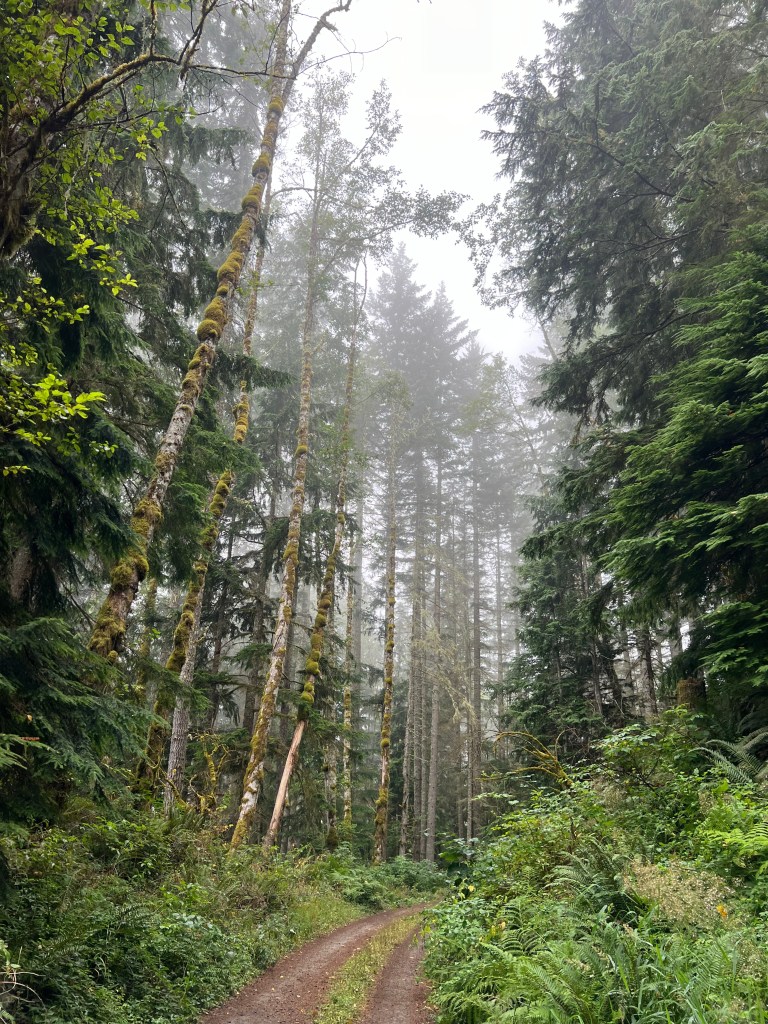
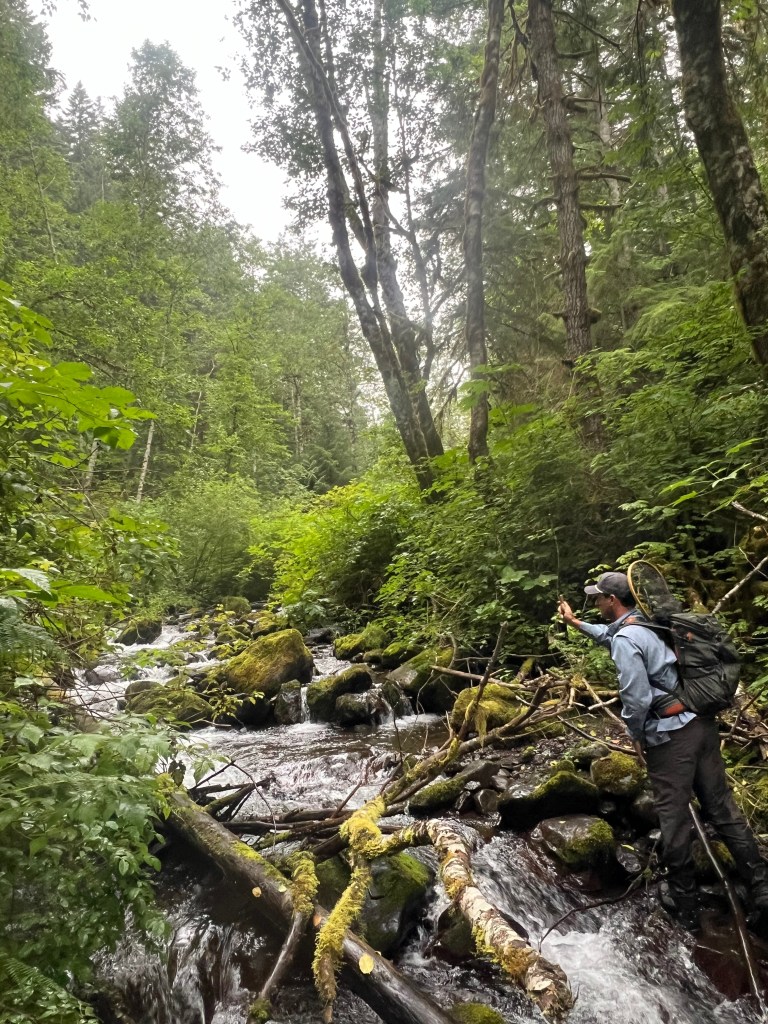
We headed out the next morning to a more remote location in the Olympic National Forest for another shot at coastal cutthroat trout. It was pretty cool to experience an early morning walk through a foggy temperate forest as we made our way upstream to where we wanted to start fishing. The stream was small, not as tight as the one from the day prior, but it still had that North Georgia feel to it. I hate to keep making comparisons of the Olympic peninsula to the southern Appalachians, but there were a lot of similarities to me – at least in the part of the peninsula we had been fishing. Both probably receive a similar amount of annual rainfall.
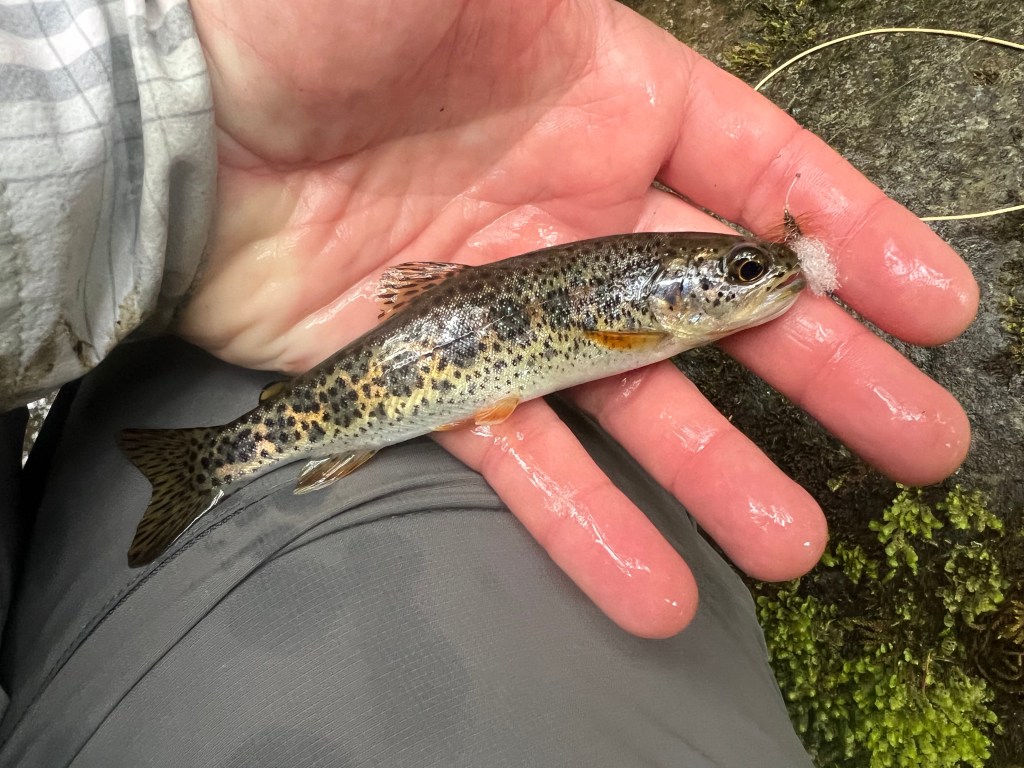
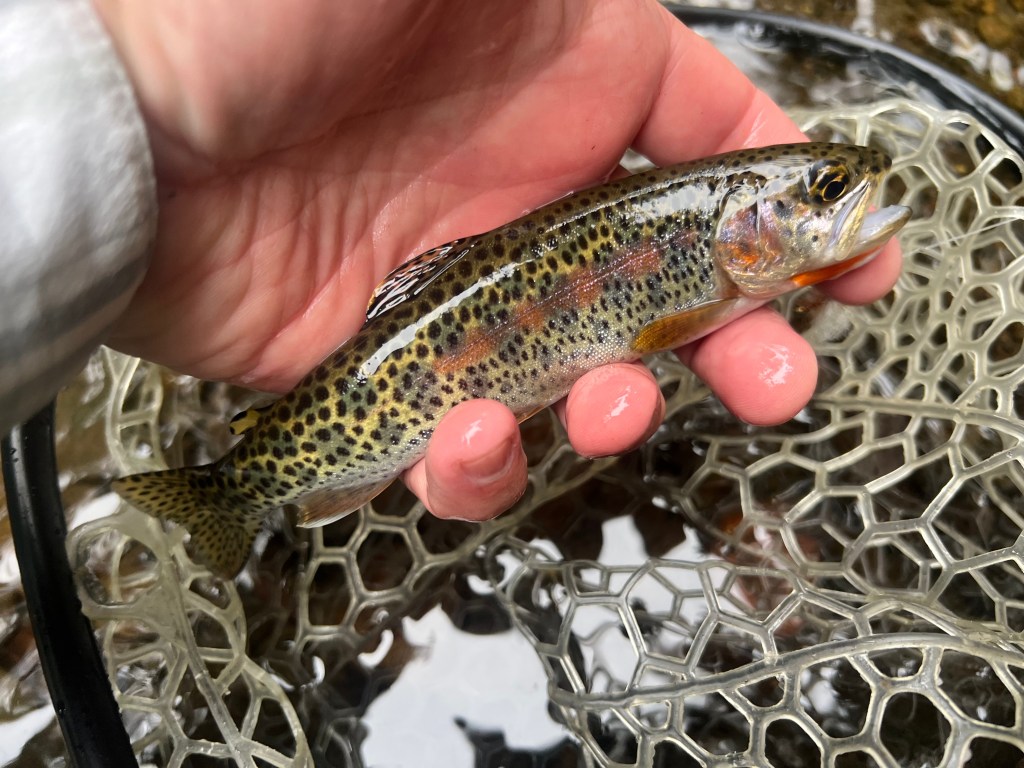
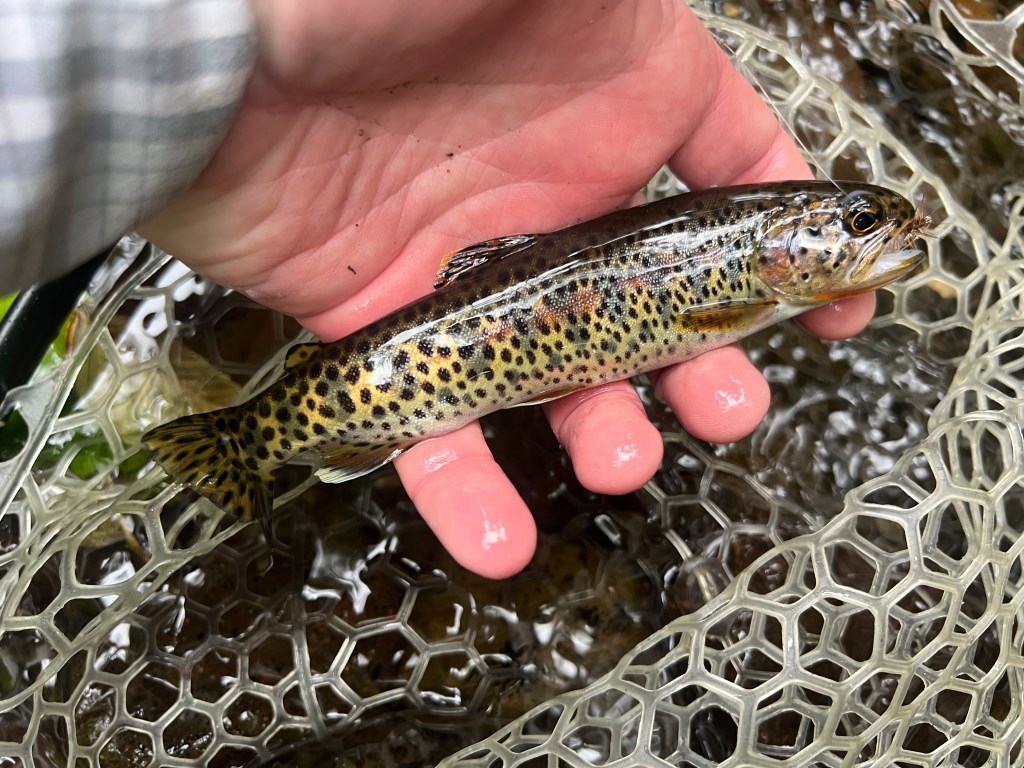
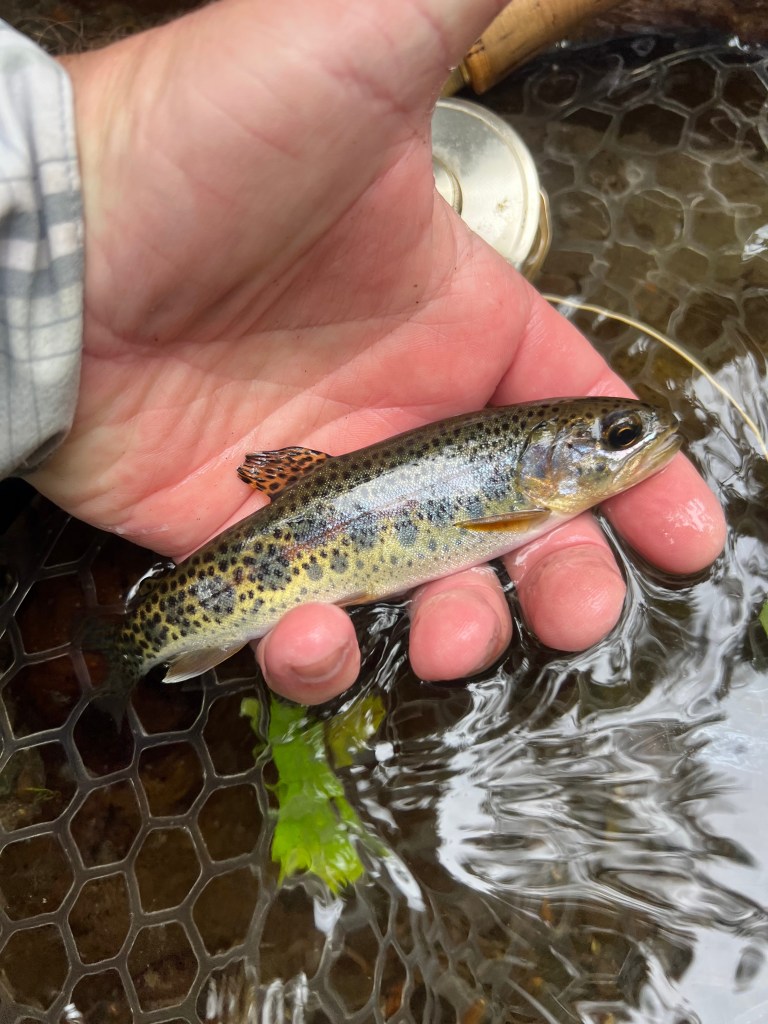
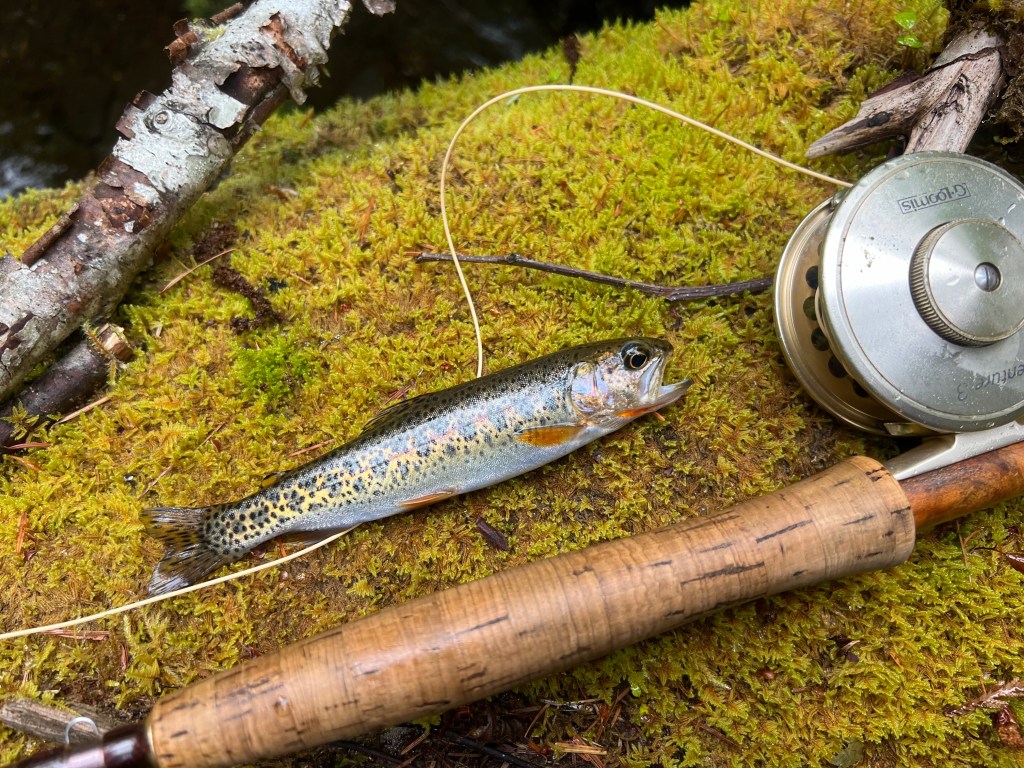
Throwing a trude style dry fly I was able to pick up a few small trout pretty early on. Much like yesterday, my first couple of fish didn’t really look that different from a lot of wild rainbows I’ve caught in the past. The one you see above was my third and it had a distinctive orange slash under it’s throat – this one I knew was a coastal cutthroat.
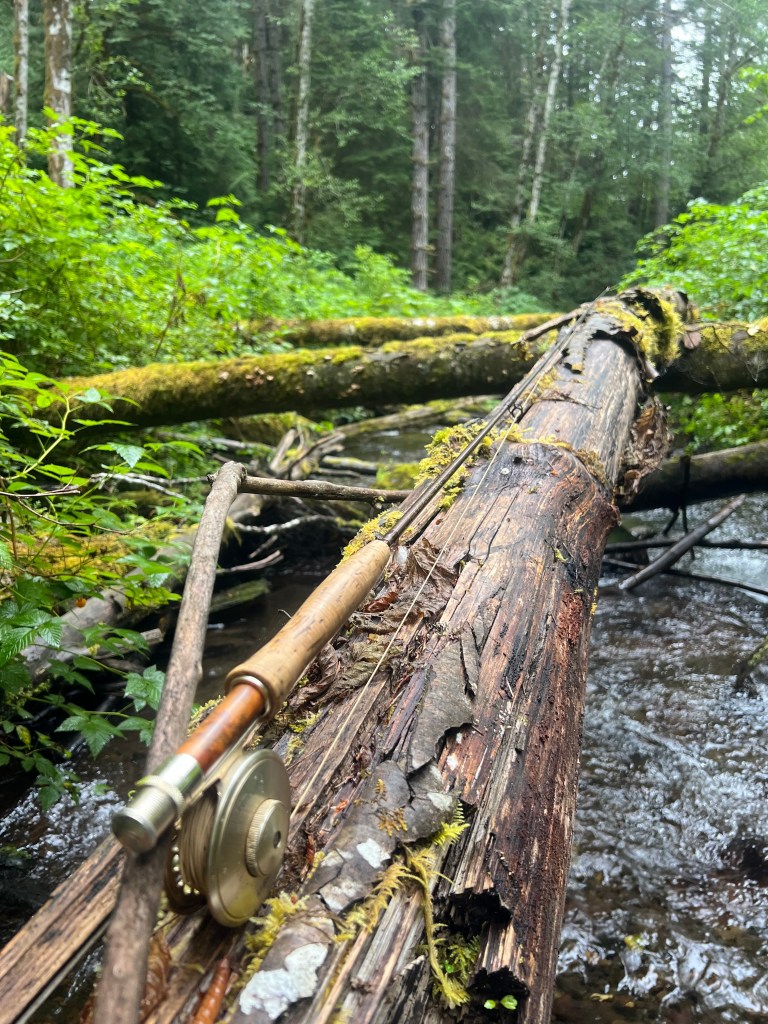
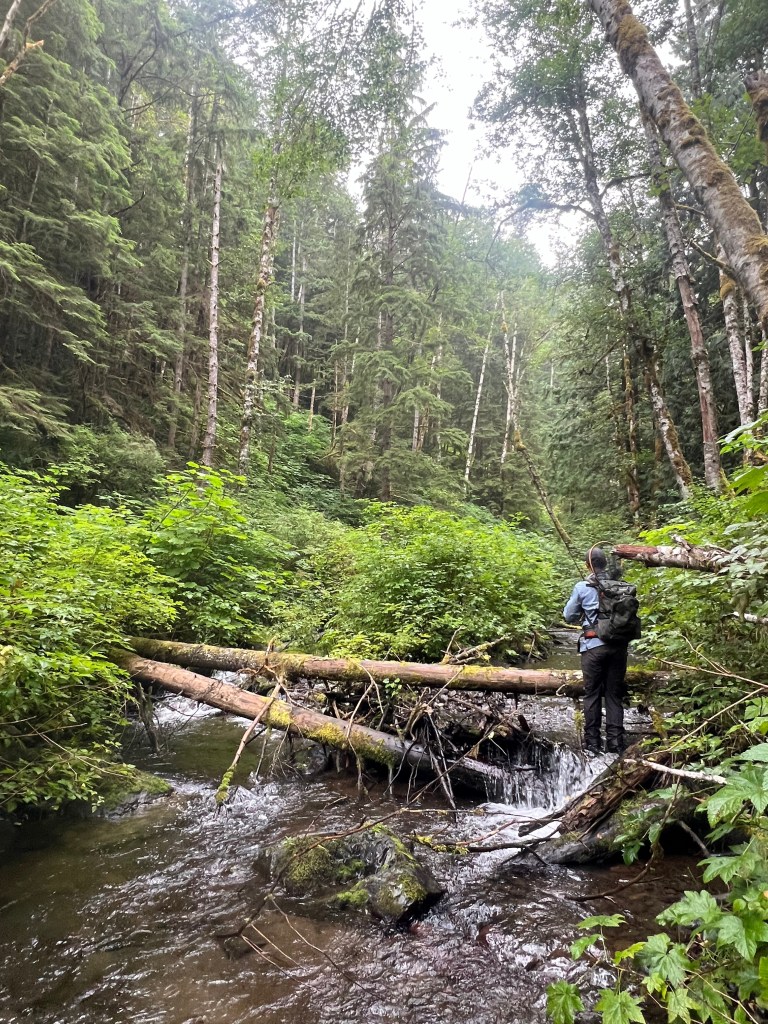
The creek we were on was full of timber – which is awesome for native trout. I’ve actually worked on some aerial photography projects for work in the last few years where folks are assessing the amount of timber they have in their rivers from the imagery we are providing them. It was pretty cool to see that in action – albeit in a different watershed entirely, but the same state at least.
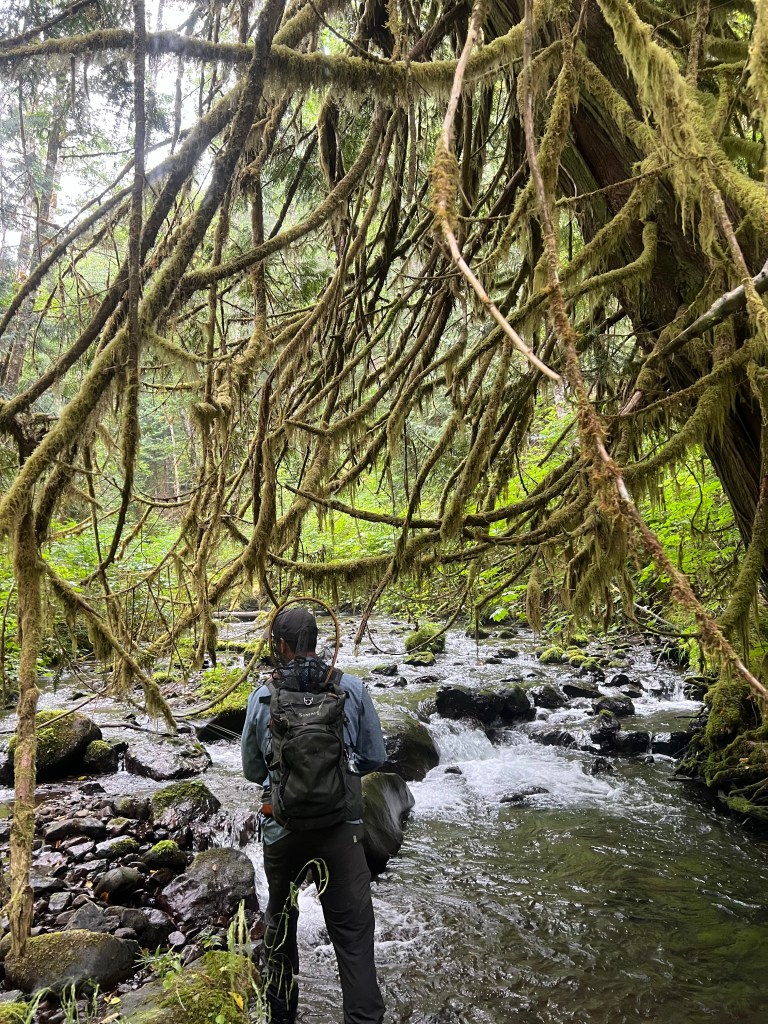
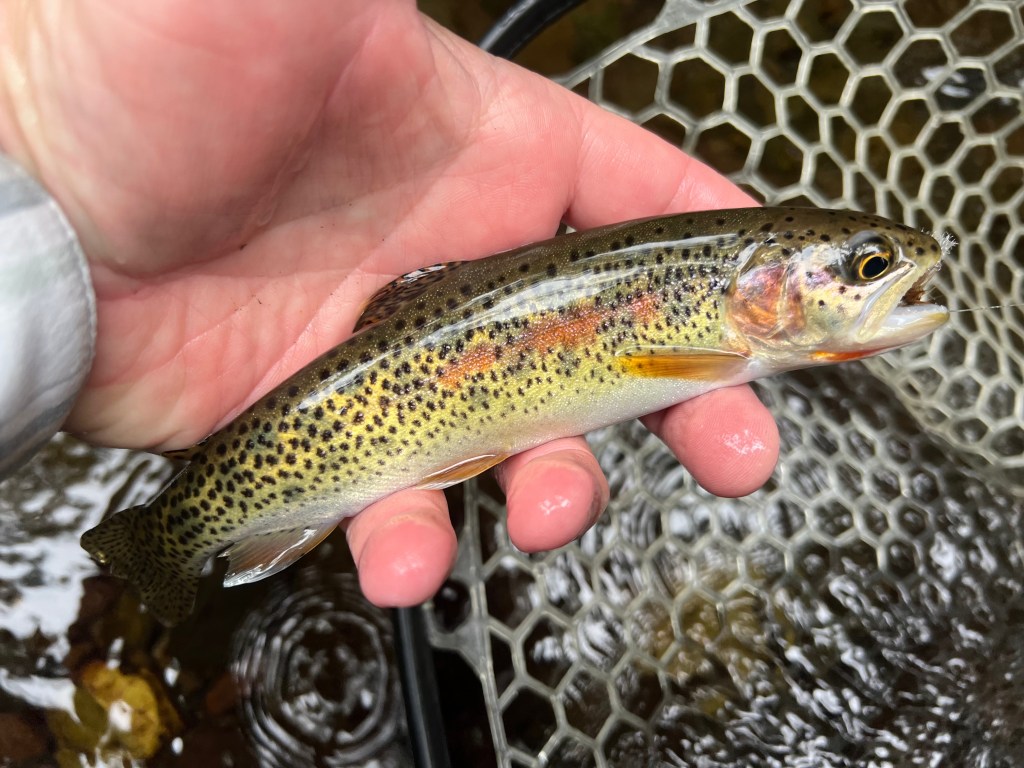
The creek was a pretty cool, some spots were too narrow to really fish effectively due to the overgrowth, other spots were wider and we could fish those pretty well. There wasn’t a ton of room for a backcast on any stretch, but a backcast is generally unnecessary on small streams like this. The moss that covered everything was awesome – really gave it that Dagobah feel, lol. There are tons of interesting things you come across when you fish new environments – the little bubble ring that rotated in perpetuity was certainly one of them.
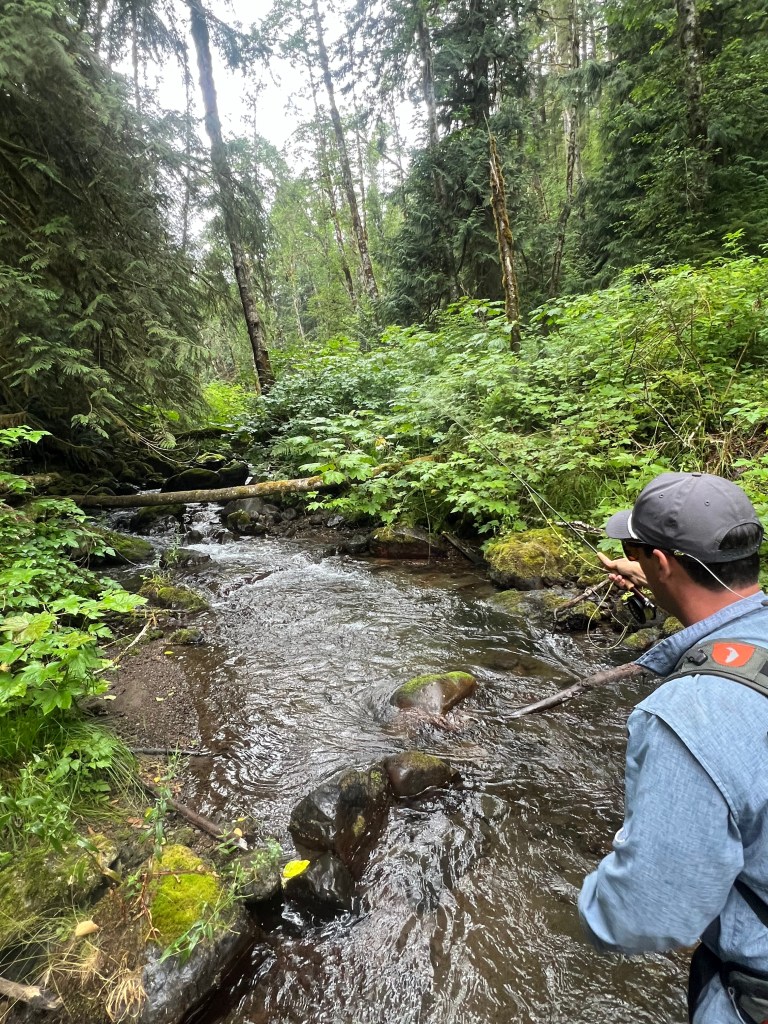
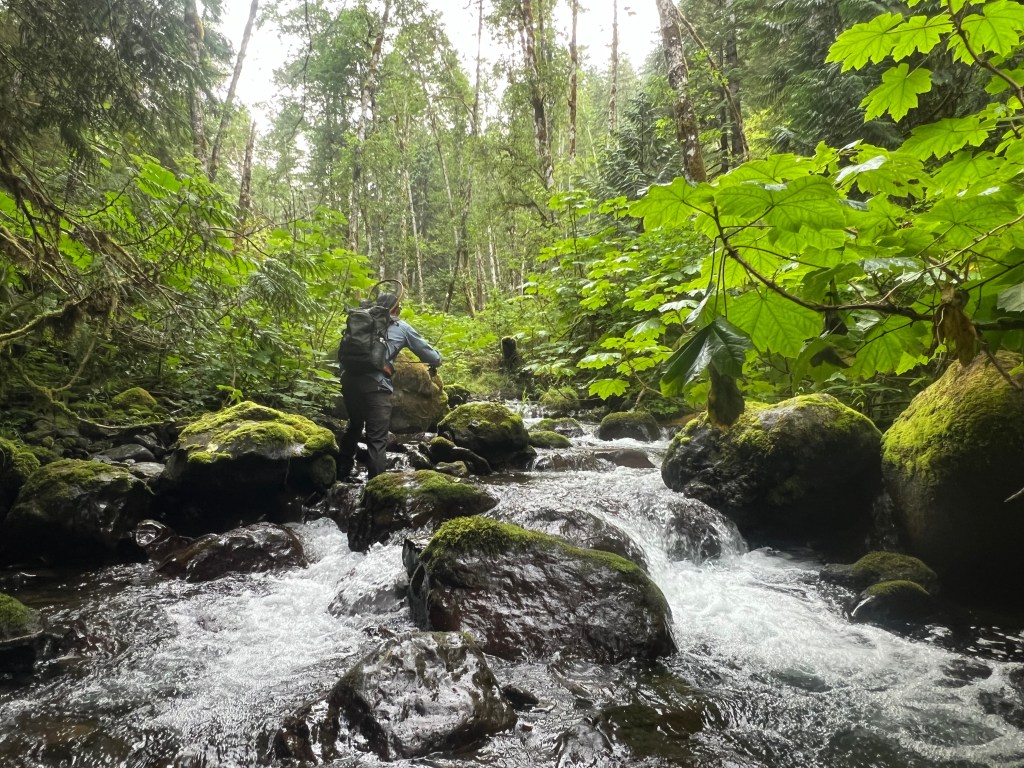
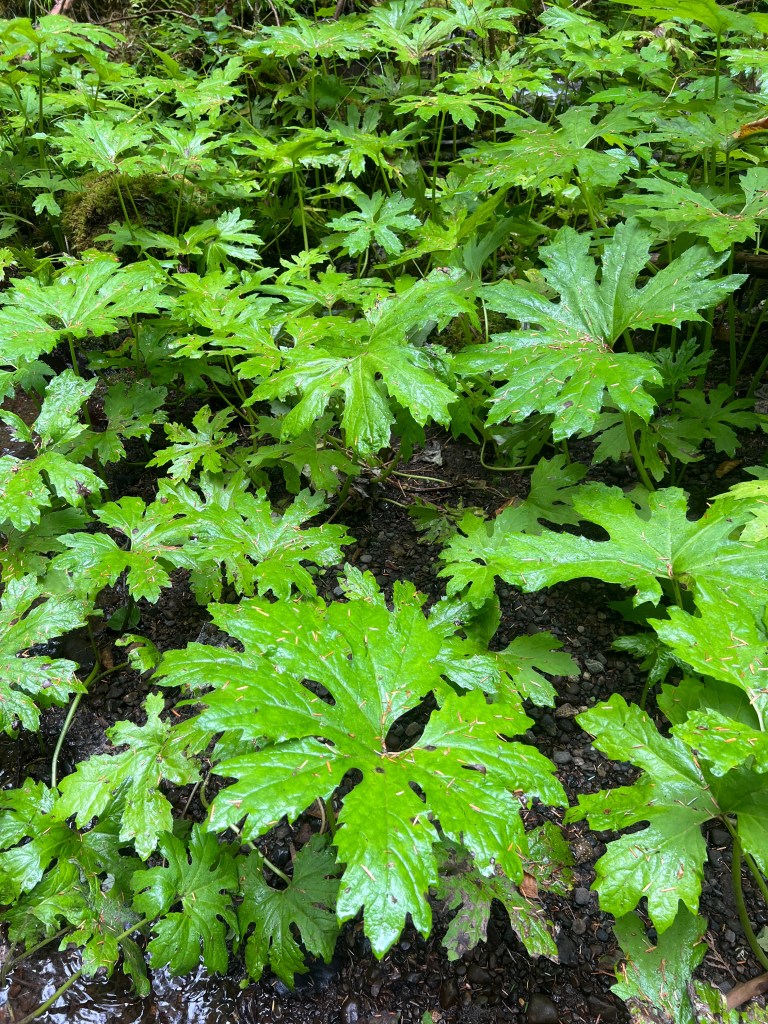
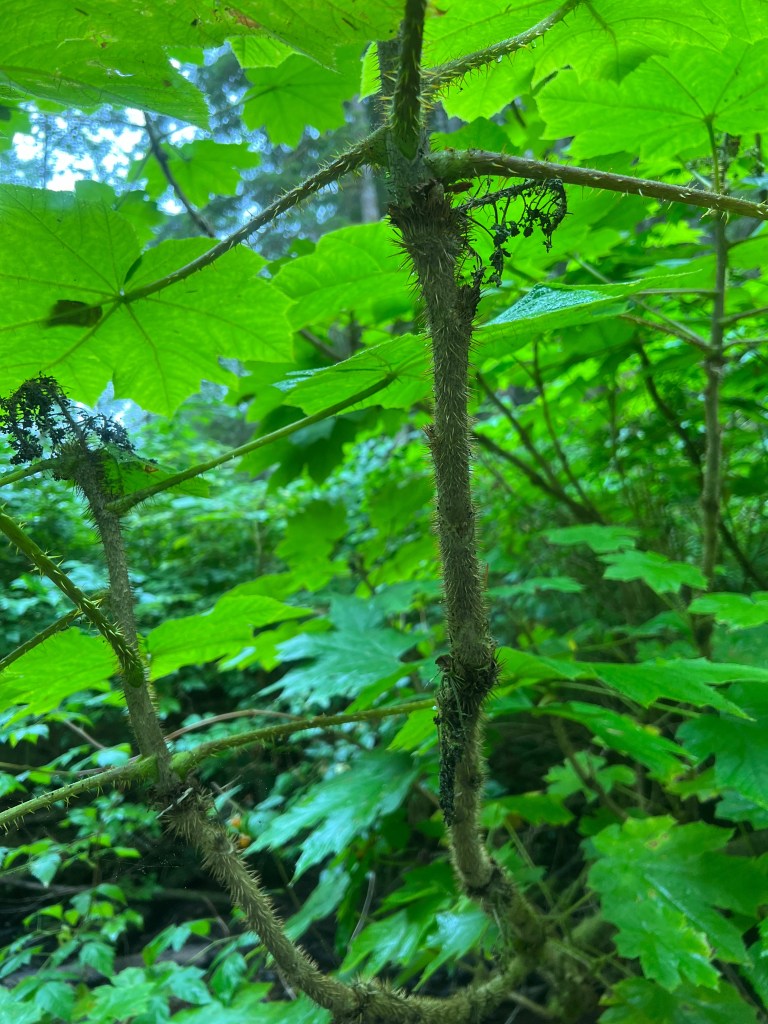
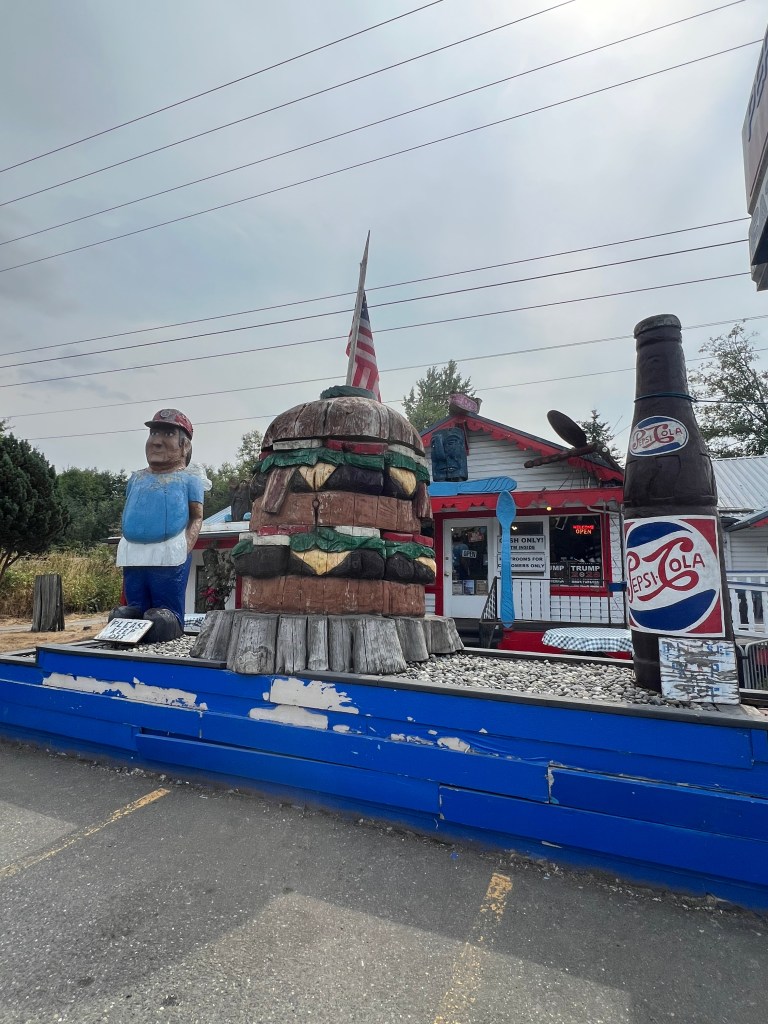
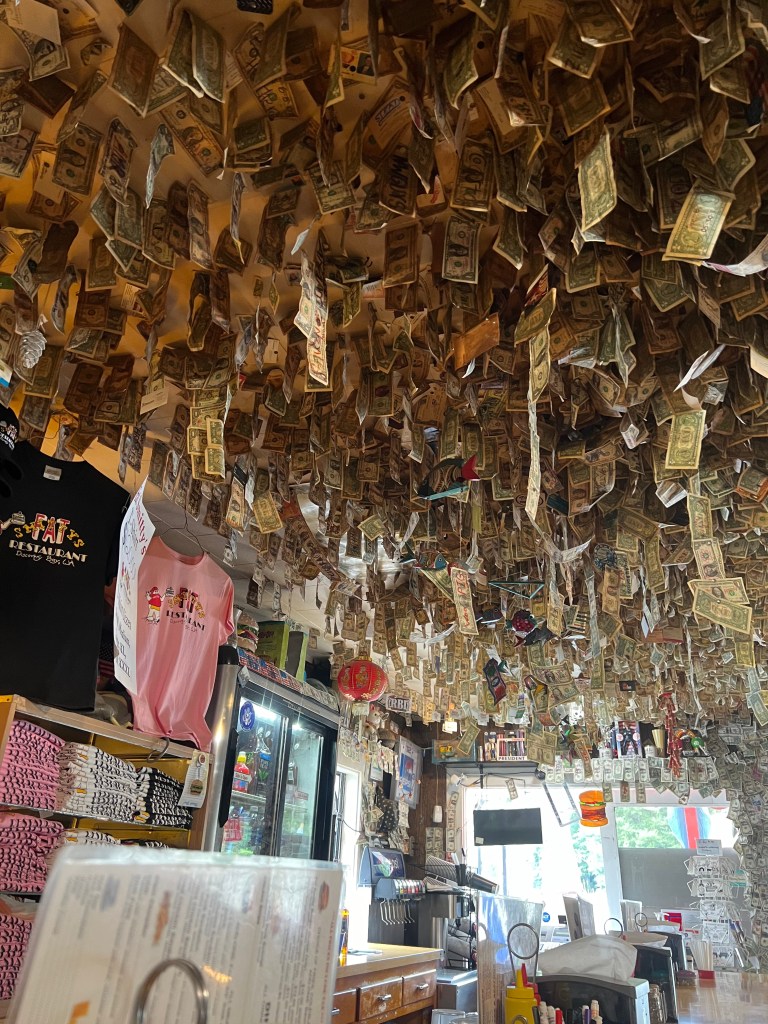
Coastal cutthroat were caught – mission accomplished – and the scenery was top notch. We were catching enough fish to keep us fishing, but I wouldn’t say the fishing was light’s out. Eventually we made it to a section of stream where the devil’s club kind of took over and was going to make wading through or walking around quite the adventure, so we opted to head back to the car and break for lunch. We had lunch at a cool little burger joint, Fat Smitty’s, in Discovery Bay – it may have been cash only – I don’t remember exactly, but the burger and shake hit the spot after a morning on the water.
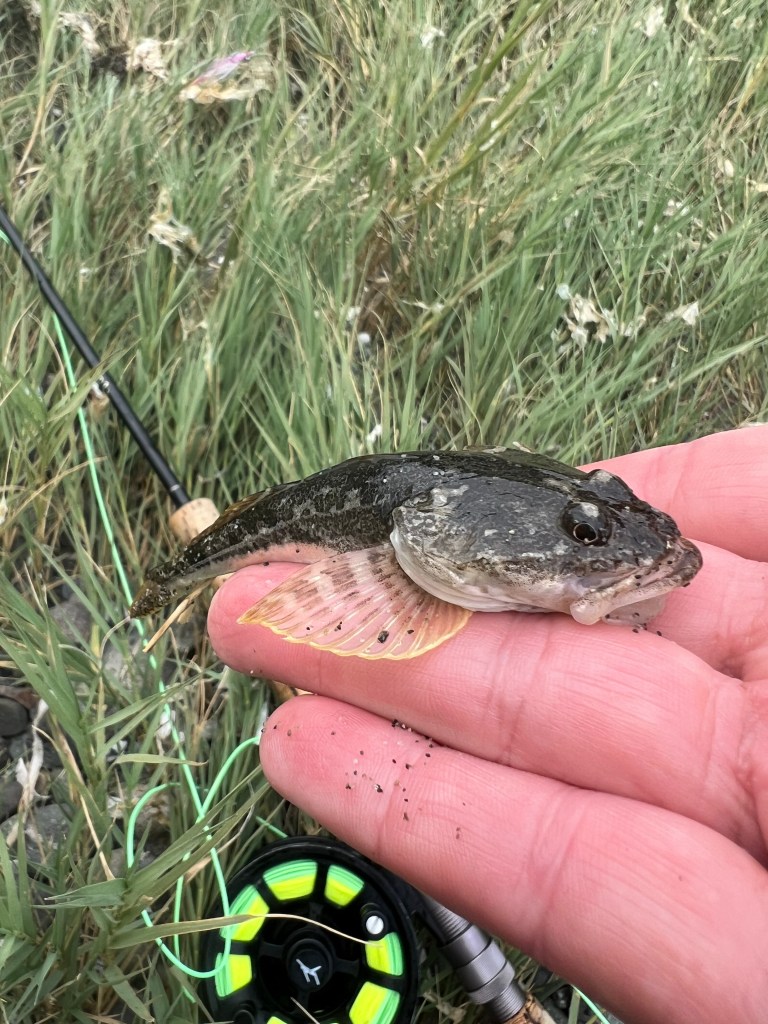
After the burger I felt like we should probably give the sea-run version of coastal cutthroat a try, that’s one thing that makes coastal cutthroat so unique, their ability to occupy multiple habitat types, so we headed towards a beach access. Theoretically, this also put salmon in play for us – which was an exciting thought. This was actually a year where pink salmon were in Puget Sound and the Hood Canal, so there was an outside chance we run into one. Apparently they are only in every other year. I picked a beach where I knew the tide would be moving – it was more of a pass than open water. When we arrived the water was moving alright – it was probably moving a little too fast for us to fish it effectively. There was lots of debris being pulled through the area, especially sea grass, so it wasn’t the easiest place to fish. We gave it the ole college try though and thankfully I was able to avoid the skunk and caught a few a Pacific staghorn sculpin – at least that’s what I think they are, I could be wrong. No luck on the cutthroat or salmon front however.
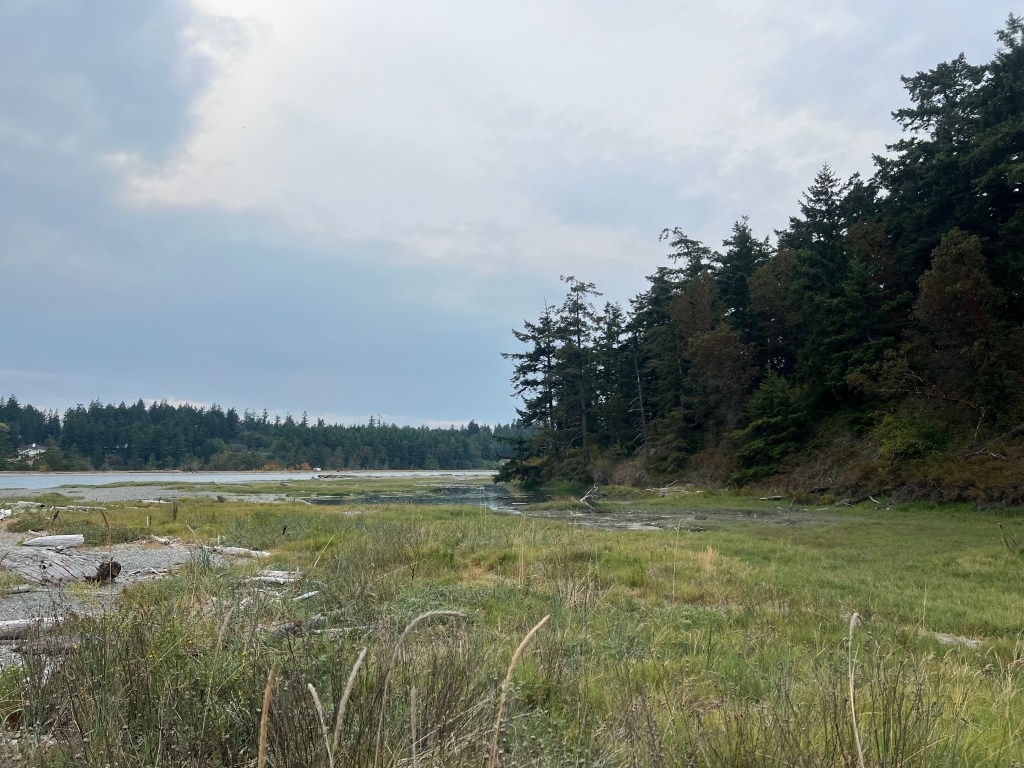
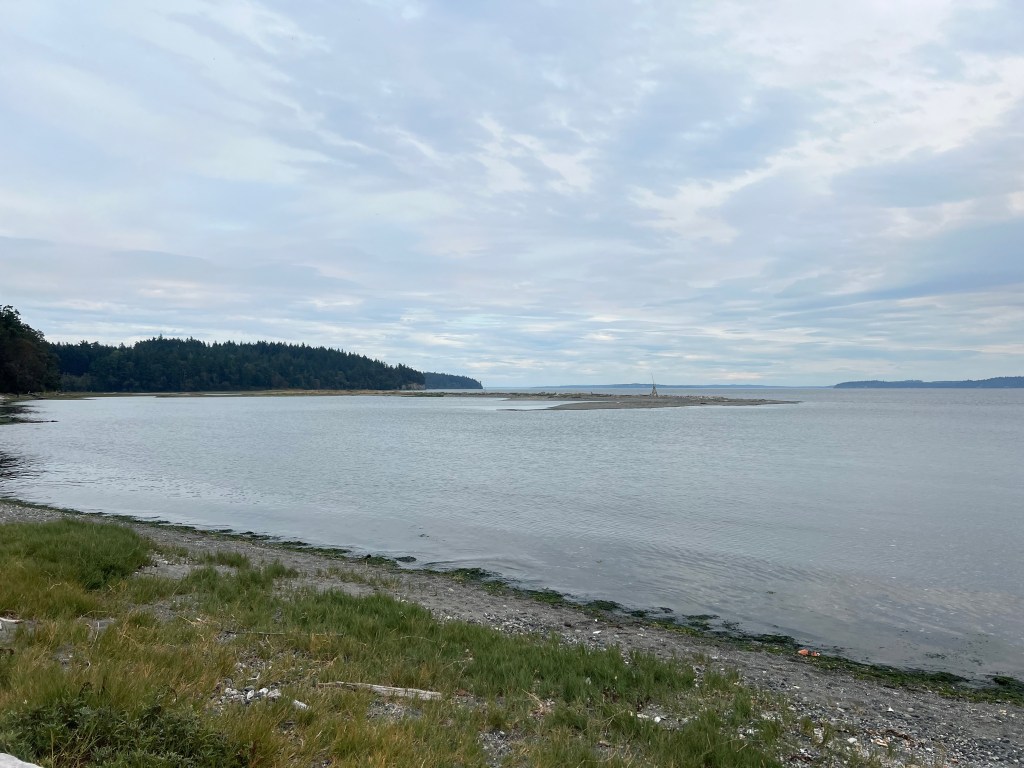
No luck at this spot and no confidence that we even knew how to pick a good beach, so we called it a day and headed back to camp. I would be remiss if we had not given it a shot, but I also knew that PNW beach fishing wasn’t really what we went up there for. It was cool to give it a try though and I liked being able to make the comparison to the beach fishing we have on the Gulf coast for our version of sea trout. Just like the streams, different, but the same…..if that makes any sense.
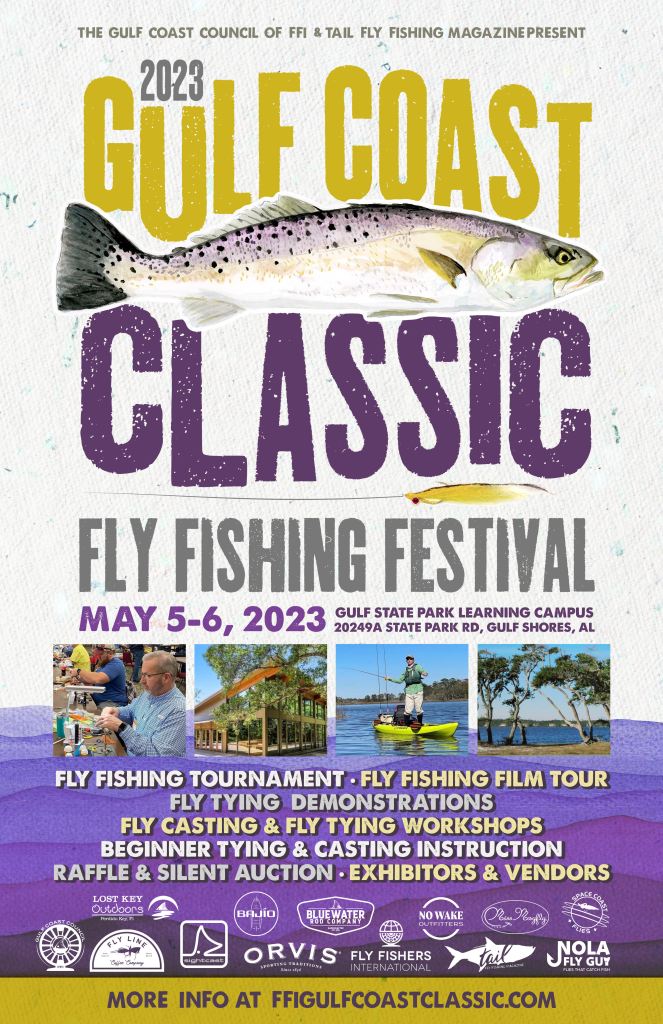
I’ll be presenting on a couple of different topics at the inaugural Gulf Coast Classic presented by the Gulf Coast Council of the FFI. One talk I’ll be doing with the legendary Catch Cormier will be on kayak fly fishing, where I’ll focus on sightfishing for redfish. Another talk I will be doing will be on the Gulf Coast Coucil’s Suncatch Challenge, a program the Council has developed that challenges fly fishers to target every native sunfish across the Gulf Coast. There is a lot more to the Classic beyond that, I’m not going to regurgitate all the info here, just click the link above to find out more. There will be a Mixed Bag tournament for all the multi-species anglers out there, fly tying demonstrations, and much more. I encourage all fly fishers or fly tyers in the region to come check out the event, it’s going to be a great time, there will truly be something there for everyone. The event will close with the Fly Fishing Film Tour, which if you’ve never caught a showing is always entertaining. Hopefully I’ll see some you folks there!

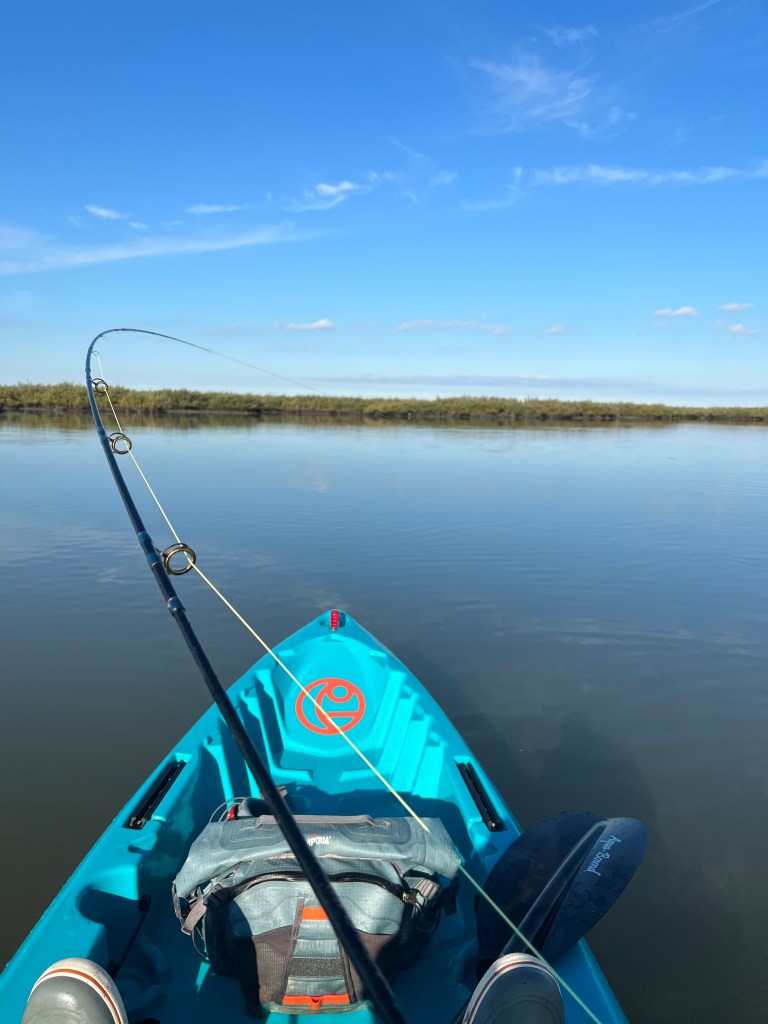
I had another opportunity to take the new kayak out to the marsh one day last month and man did I hit it right!

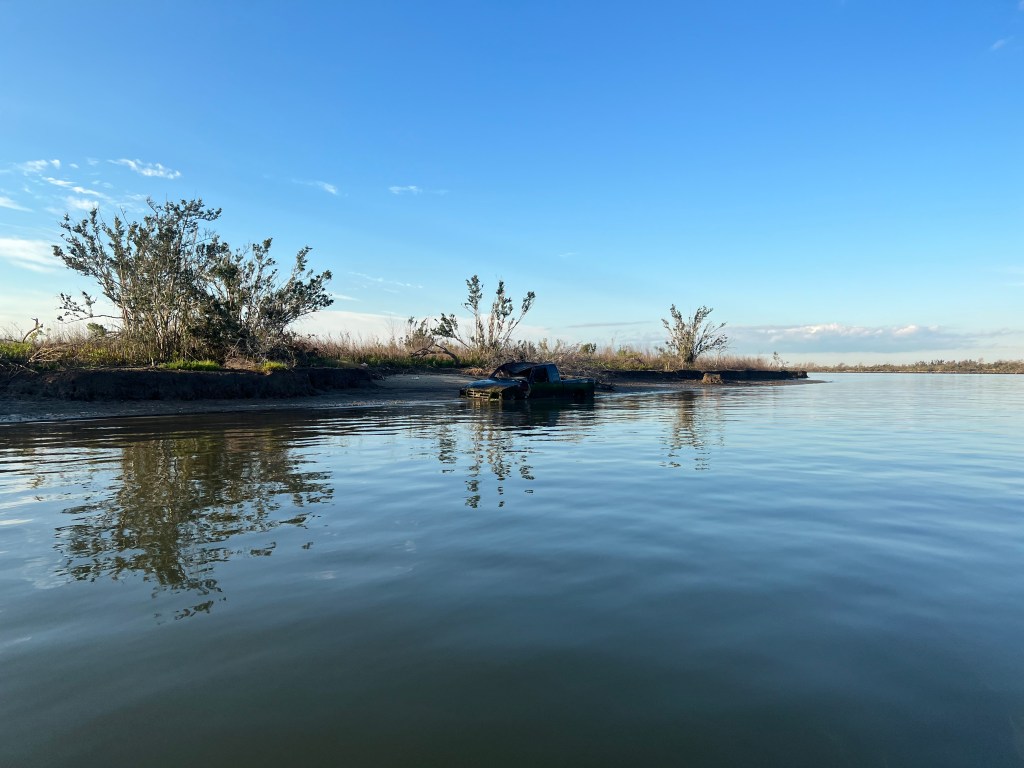
The last two trips in the kayak I’ve failed to wake up early enough to make it down there before sunrise, which is not a big deal to someone who sightfishes as much as I do, but it prevented me from making a longer paddle at the beginning of the day last time and I was determined not to do it again this time. It at least gave me an opportunity to see this stranded Ford Ranger, across the canal from the nearest place a vehicle should be, in the daylight. Thanks Ida.

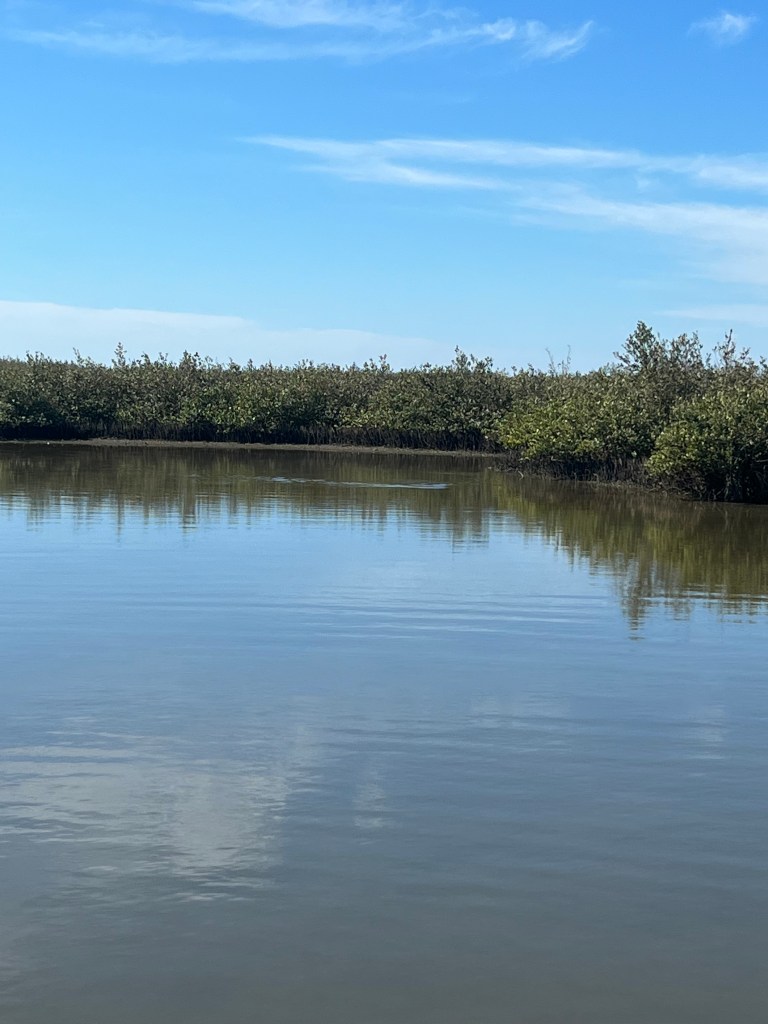
It was near-perfect conditions though and I couldn’t have been happier about it. Apparently the fish were just as thrilled as very shortly after I got to the first flat I wanted to fish I started seeing activity.

After seeing a couple of bigger than average redfish and blowing shots at them the thought began to creep into my mind about my previous trip and how awful I was at making the most of my chances then, somehow I shook that mindset though and was able to connect on the next opportunity. I spotted a big black drum feeding on bottom and what I thought was another black drum with it. I made a cast toward the big drum and he began to track the fly, but the other fish beat him to it and I set the hook. It was a big fish and very soon I could tell it wasn’t a black drum.

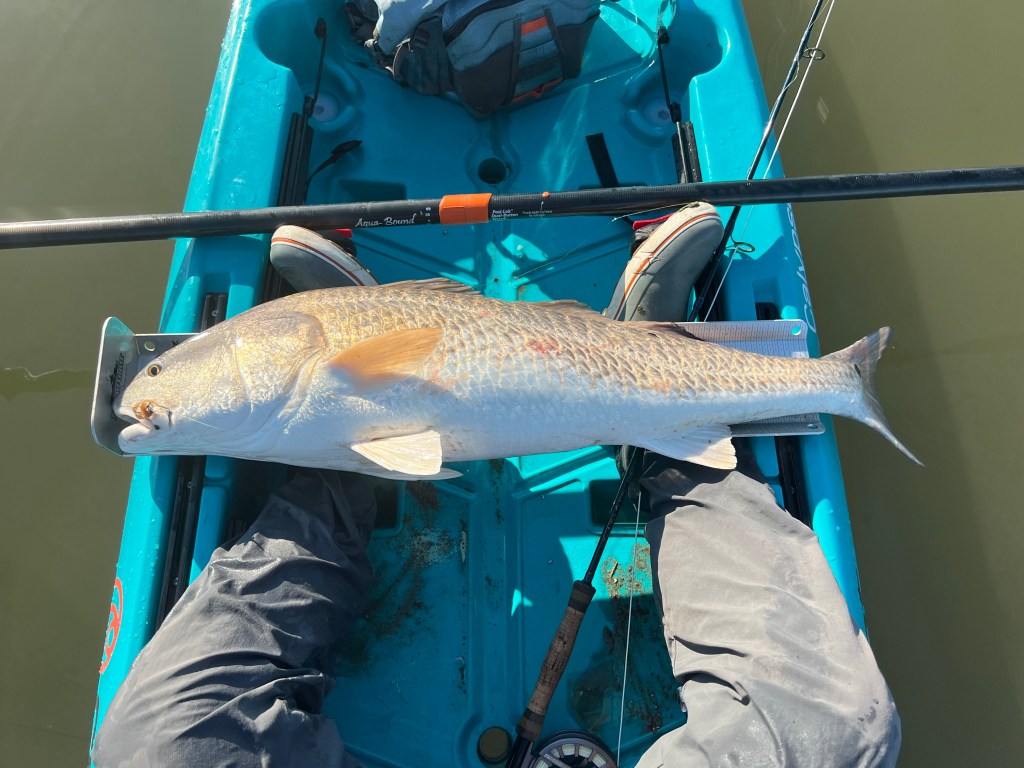
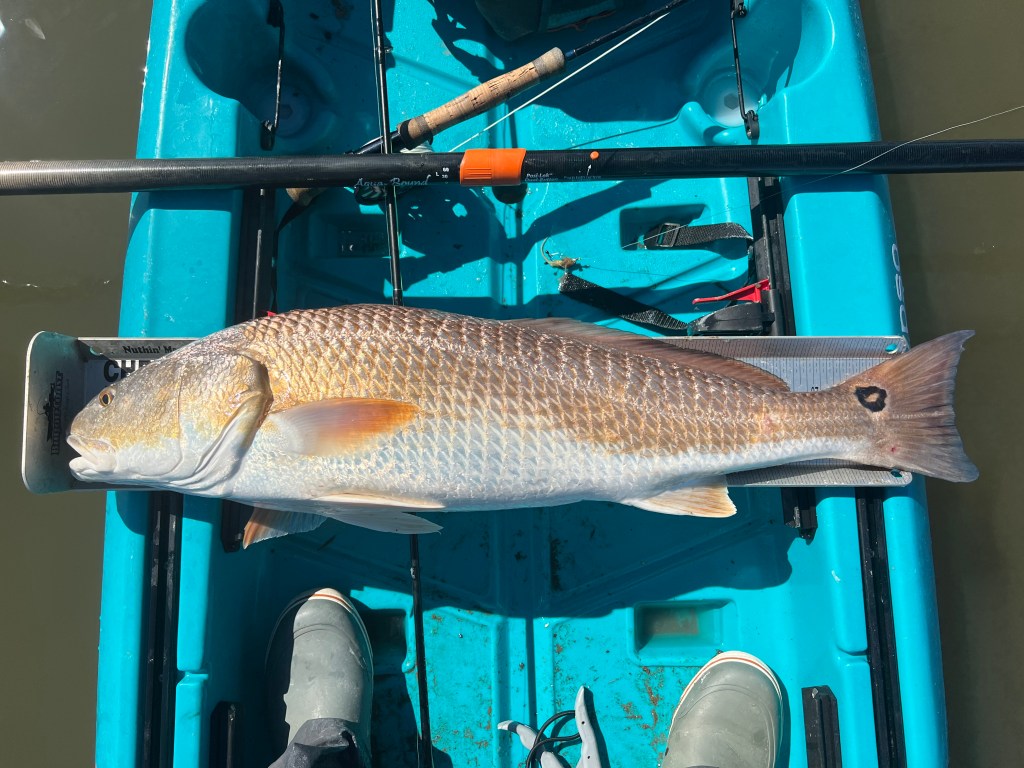
This red gave me some good runs and put up a solid fight on the 8wt. I was after a redfish over 30″ for the Massey’s CPR tourney and it had been a while since I eclipsed that mark on the fly from the kayak, but this one was at least 5″ past my 30.5″ board, so goal accomplished for the day.

I didn’t have my 45″ ruler on board because for some reason the 321 ruler wasn’t stated in the rules as an approved measuring device this year for the yearlong Massey’s CPR tourney, so I quit carrying it around. This fish had to be submitted as 30.5″, which tied a previous submission by another participant, so it’ll only be good enough for 2nd place redfish on the fly in that tourney, despite it clearly being longer. I play by the rules and sometimes those rules are pretty dumb. Still I like the Massey’s CPR tourney because I can participate on almost every trip I take in the kayak, there’s a fly rod category, and I don’t have to keep the fish. It’s the only kayak tourney I continually participate in. I’m over the conventional meathaul kayak tourneys. I won one once, I’m happy with that. Sorry for the aside, back to the fishing.

I made the decision to head back to the main canal and fish the flats there on out to the bay, thinking I’d keep seeing big fish out there. The fish weren’t there though, they were on the shallow flats in the marsh. It wasn’t until I made it back into a marsh cut that I started seeing fish again. After that it was on.

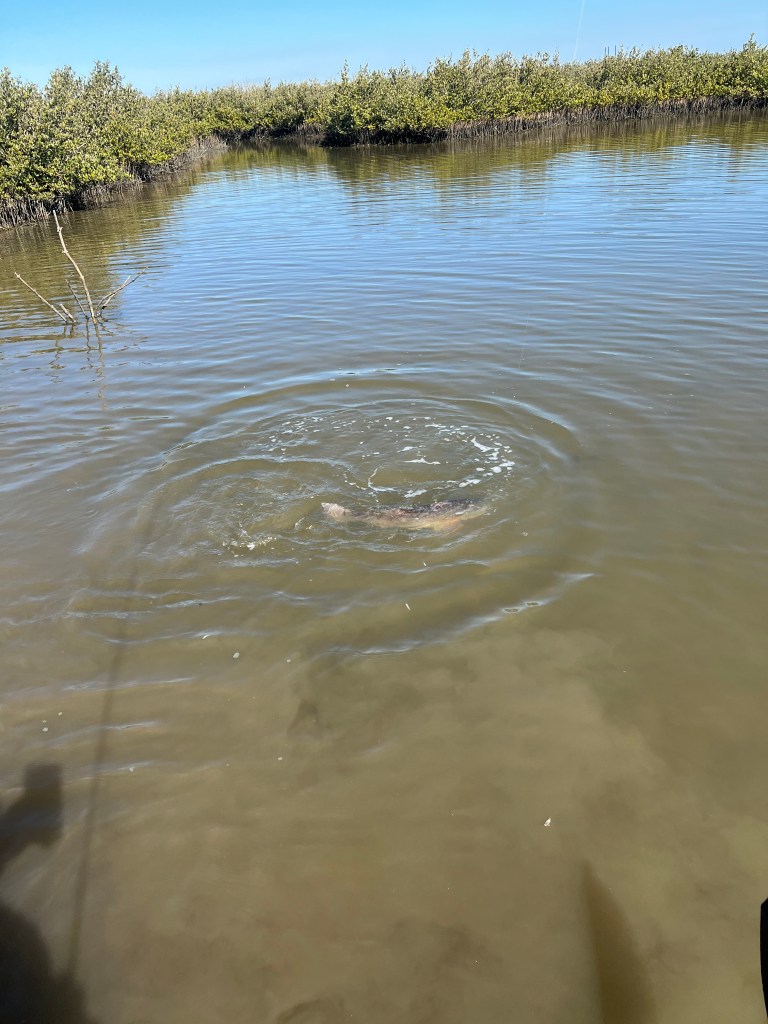
One of my favorite catches on the day wasn’t the biggest fish, but the situation was pretty awesome. I got to a pond that was super shallow. Shallow to the point where I commented to myself that no self-respecting redfish would be caught dead in that pond and wouldn’t you know there was one way in the back happily cruising with his back out of the water. There is no shallow that’s too shallow apparently. There was only one way into this pond and I was at the opening so I just waited for him to swim into casting range. I even captured video of him with my phone before I put it down and made a cast to him. I put a fly out in front of him, twitched it a couple times, and he pounced on it, much to my delight! It’s nice when you don’t screw it up!

After catching those two redfish, which were both around 28″, I spotted a little shark crusing around the shallow flats of the marsh. I made a few casts his way, but could never get him to eat. I popped back out into the bay and then made my way to another marsh cut back into the marsh. After traversing that cut I made it to a big flat at an intersection of waterbodies where I could see black drum were actively feeding. They were so focused on whatever it was they were rooting around for on the bottom that I could get real close before casting and it didn’t take long to hook up with one.

I then hooked another.

These weren’t the biggest drum I’ve ever seen, but black drum over 30″ are pretty heavy fish and fun to fight on the fly rod. My 8wt was definitely doubled over as I fought to bring these guys within arm’s reach of the boat. My net was far too small to handle them so the fish grips had to work.

Just up the bank from the black drum I spotted a good redfish working the shallow bank. It gave me a good opportunity at one more redfish over 30″ and I was lucky enough to make my shot count.

It was a pretty fish with bullseye spot on his tail and a great way to end the day. I couldn’t believe the luck I had on the day and the fact that almost every fish I came across was a big fish. There’s something to be said about mild late winter days in the South Louisiana marsh – the big fish just seem to come out this time of year!

This was one of those days that make you remember why you put in all the hard work trying to fly fish from a kayak for bull redfish. It’s not easy. Nothing about the process is easy. It’s a lot of work. It’s downright difficult. It would be much easier to use a boat. It would be much easier to throw conventional tackle. It would be much easier if I could spend an endless amount of time on the water and know exactly where these fish are at all times. When it all comes together like it did on this day it makes it all worth it. This doesn’t happen nearly often enough, but when it does happen I’ve learned to cherish it.