Another year that is; 2013 is in the books and it has been another fantastic year, a life changing one at that. No doubt the highlight was the birth of my daughter Marin in November. That’s a moment in time that will be hard to top for the rest of my life. A lot of other good memories were made this year as well, follow along as I rattle them off below.
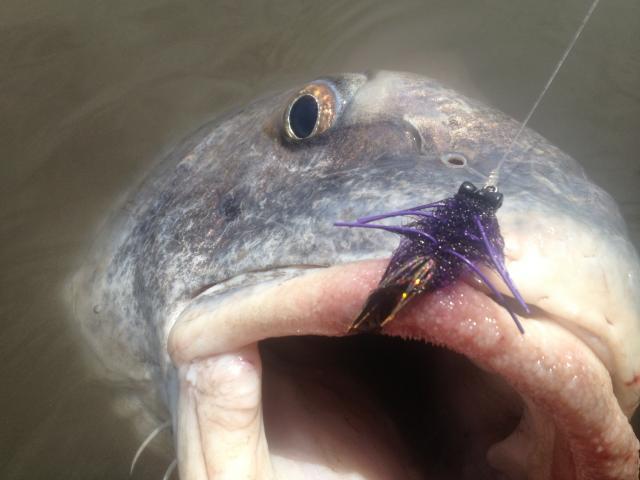
January – The year started off slow, it rained a ton that month and kept me close to home. When I did make it out though I had some quality trips. One day in particular was epic, I landed my personal best redfish and black drum on the fly, along with a few other bull reds. I doubt I’ll be able to duplicate the success of that one trip. What a day it was.


February – The bull red party continued into February and one trip we were lucky enough to get Blake on a couple monsters of his own.
 March – The focus was on freshwater mid-March with a fun trip in the Atchafalaya with Kurt and Dad, then an exploratory trip to the Bonnet Carre spillway with the kayak. I finished the month off right with a 3rd place finish at Paddlepalooza X.


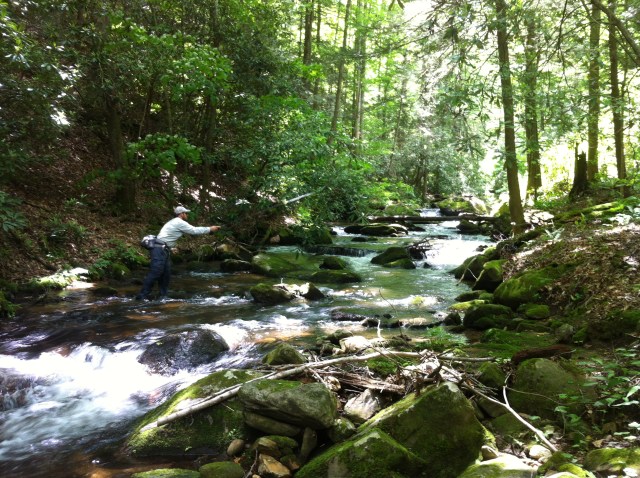
 April – I was holding out hope I’d be able to find bull redfish into early April but all I came across were big black drum on the flats on one trip down to the coast. The weather had warmed enough to merit a wade fishing trip to a creek, though I didn’t catch a whole lot of fish it was good prep for a trip up to North Georgia later that month. The North Georgia trip was a lot of fun, caught a bunch of trout on streamers and got to watch Dad slappin’ ‘da bass at Bear on the Square. Finished the month with a successful golf course outing and a frustrating Redfish Rumble.
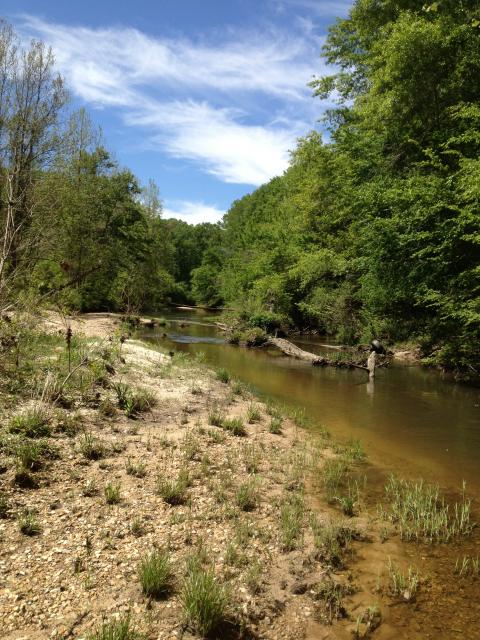
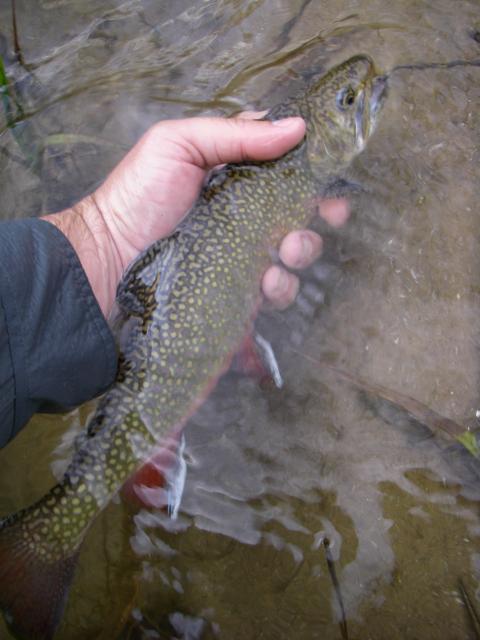

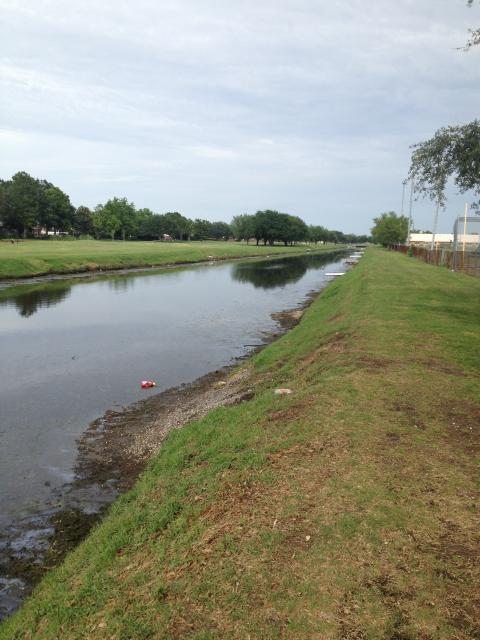
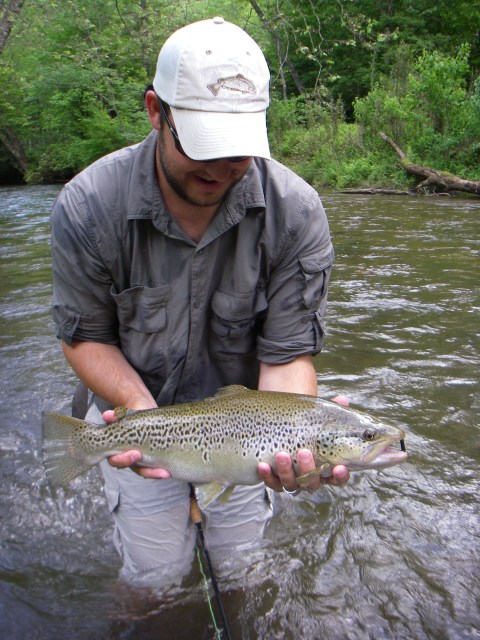
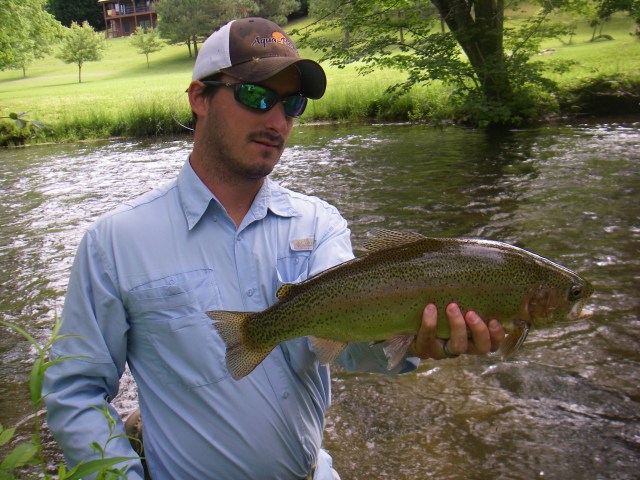
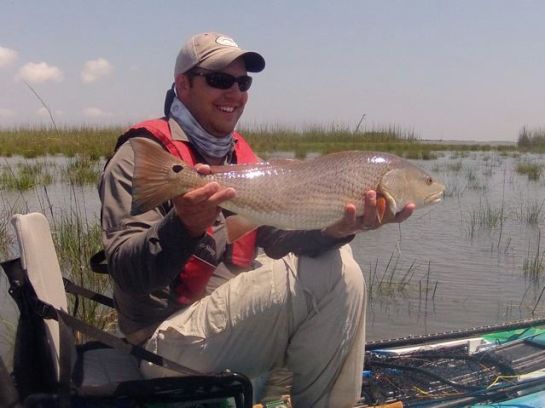 May – In early May the neighborhood bass began to hit topwater more readily which made for some great after work outings. A demo day with Massey’s Outfitters on Bayou St. John meant a chance to try for carp in some of the local New Orleans ditches, but I had no such luck. Then I fished the first stop of the IFA Kayak Tour’s Louisiana division down in Empire and actually came away with a top 10 finish. Finally Memorial Day weekend brought another North Georgia trip. Blake and I were like two kids in a candy store catching trout that weekend.

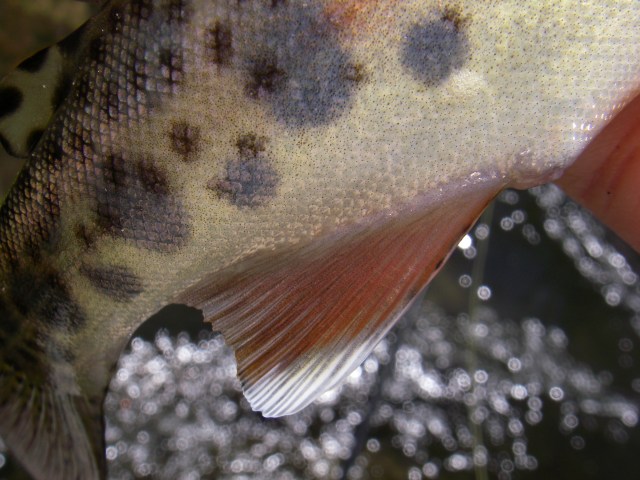
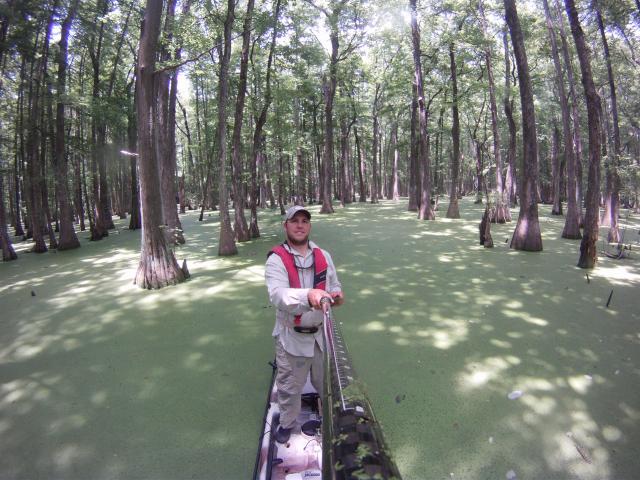
 June – Two trips stood out in June. The first being a trip with Steve to the swamp to try for big backwater largemouth bass. I didn’t come away with any bass, but I did land a good sized choupique and had a nice time paddling in the shade in an almost surreal environment. The second was helping out with a filming of a kayak fishing episode of Sportsman TV.
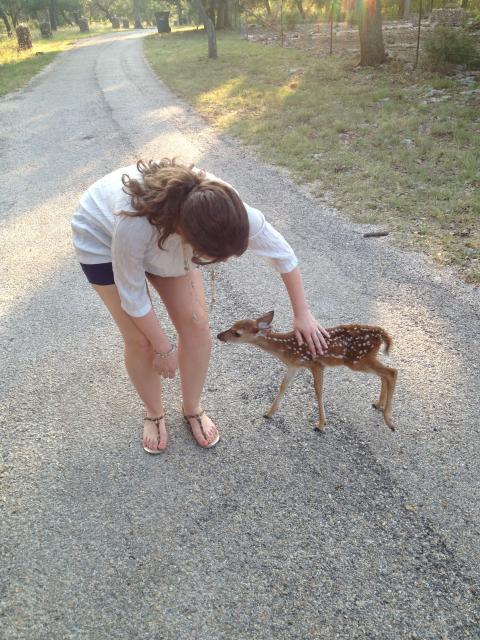
July – Starting in July a fair amount of my time was spent down in Grand Isle working and fishing which has been nice because staying down there overnight provides incentive to fish areas I didn’t want to try on just a day trip. The Independence Day holiday however was spent over in the Hill Country of Texas, saw a lot of cool sights and got to check Guadalupe bass off the list.


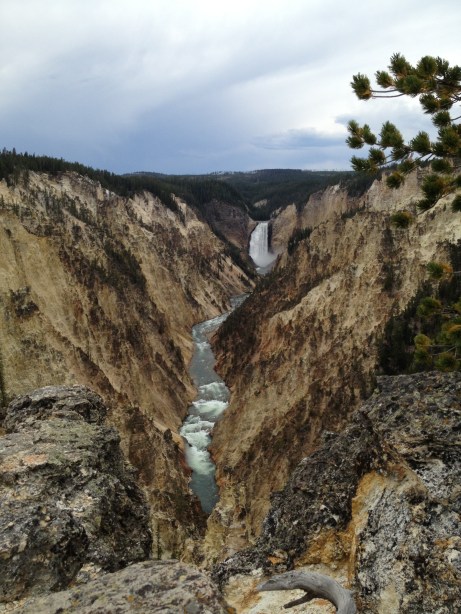
August – This was a busy month; a trip to Grand Teton and Yellowstone was bookended by kayak fishing tournaments. The LA 1 Slamboree was held by LKFC in Leeville early in August while the 2nd stop of the IFA Kayak Tour in Louisiana was in Grand Isle at the end of the month. I didn’t do so hot in either, which was a little disappointing since I had been spending so much time in the area. The trip out West more than made up for any tournament disappointment though as we had a blast playing tourist at two of our nation’s premier parks.
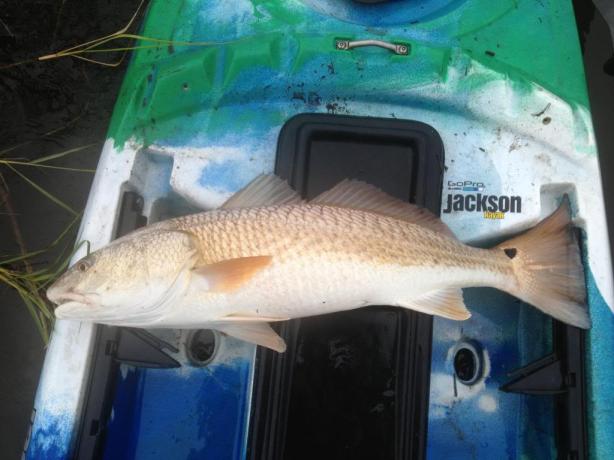




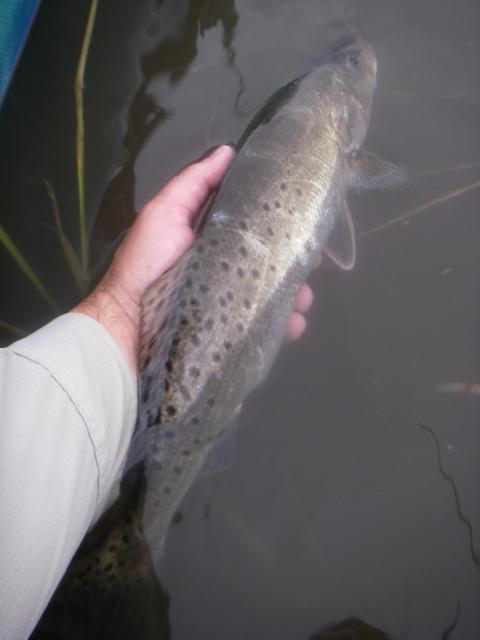
 September – Labor Day weekend was kind to me. I made my first trip “offshore” in Louisiana and was rewarded with a pair of Jacks that gave my tackle a good workout. The next day I ran into a school of specks and was catching them one right after the other. I tagged a bunch of those fish and made a video showing how effortless it is to tag fish when you’re on ’em. Later in the month I took another largemouth trip, still looking for that monster I needed for the Massey’s CPR tournament only to come up short once again.
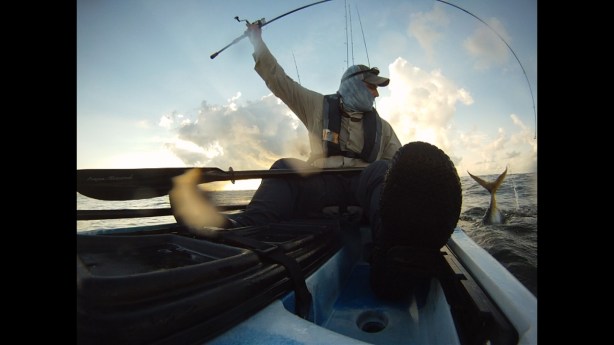
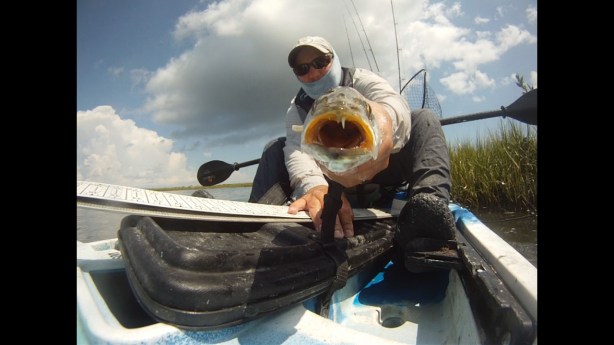
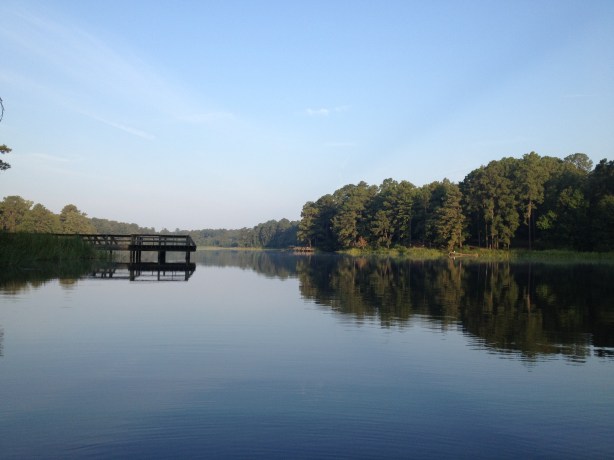 October – October has always been a pretty good month to fish the marsh and this year was no different. I was catching them two at a time on a trip to the coast in early October. Then the IFA Championship came to town and brought the weather with it. I had fun fishing with Jameson for two days and managed to land another top 10 finish. I was actually the highest finishing paddler in the tournament, making it somewhat of a moral victory for me. The month ended with a trip to the new Frenchtown Conservation Area for the wife and I which ended up being significant because it was our last little outing as just the two of us.

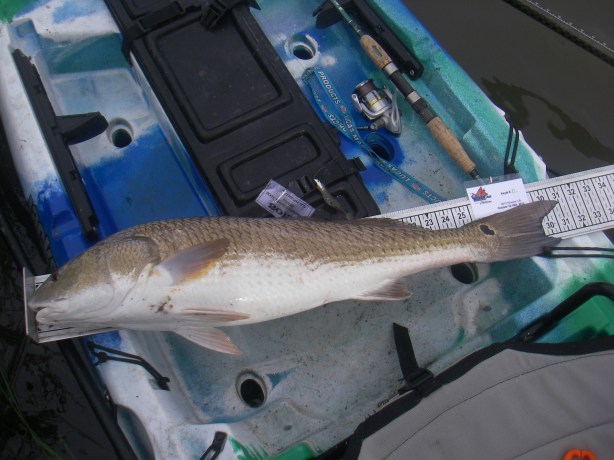

 November – As I mentioned earlier, November brought us Marin and our lives have changed for the better. I’ve actually managed to get out and fish a couple times since she was born too. I had to make it to Fall N Tide to try and defend my title from last year, however I fell way short of doing that and had a somewhat lousy day fishing. I also worked on another TV show with a friend that hopefully I’ll be able to share more about next year – it should be a good one.

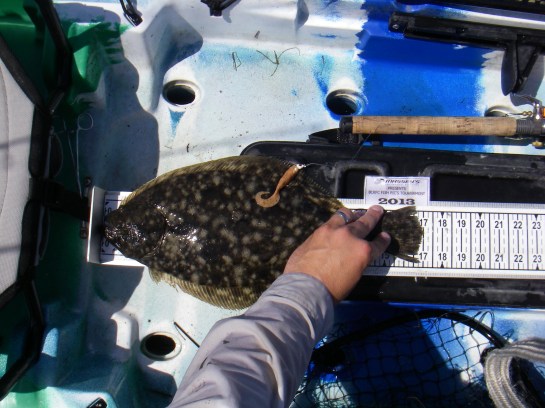
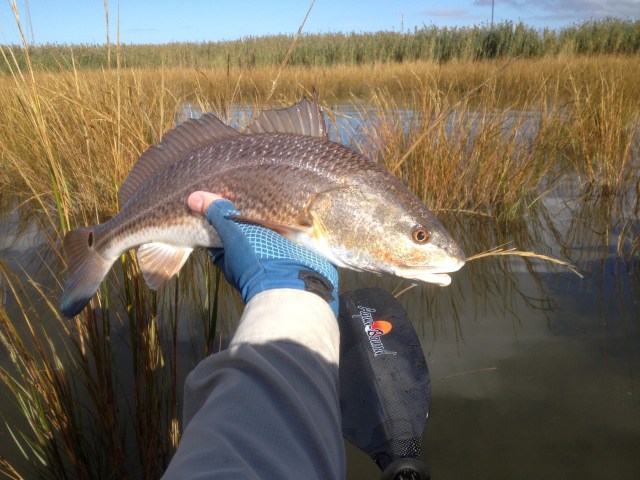 December – Finally this month BCKFC held it’s first annual end of the year awards banquet. I was lucky enough to place 4th in the year long Massey’s fish pics CPR tournament and came home with a check. I also won a special prize, a Bending Branches Angler Pro paddle for being the only person to turn in a fish in every category. Persistence pays off as nearly every trip throughout the year I worked to upgrade my fish in that tournament. It was a fun format that I look forward to fishing again next year.
 I look forward to what next year has in store for my family and I and can’t wait to see what Marin is like this time next year. I think we hit a milestone recently as she has really begun to interact with us. We’re now seeing smiles that aren’t just associated with milk comas and gas. I’m sure as she gets older I’ll find time to break away and go fishing again, but I’m not trying to hurry that up. The wheels are in motion though for a big trip in February, I’ll fill everyone in on the details when everything is set in stone, but it’s looking like it could be a trip of a lifetime.
I want to thank everyone for reading and commenting here at Mountains to Marsh. This blog has become an excellent outlet for me, I’ve really enjoyed writing it. I’m not sure where I’m headed with it, but I’ll keep it up as long as I have things I feel are worthy enough to post. See you in 2014!



 Mountains to Marsh