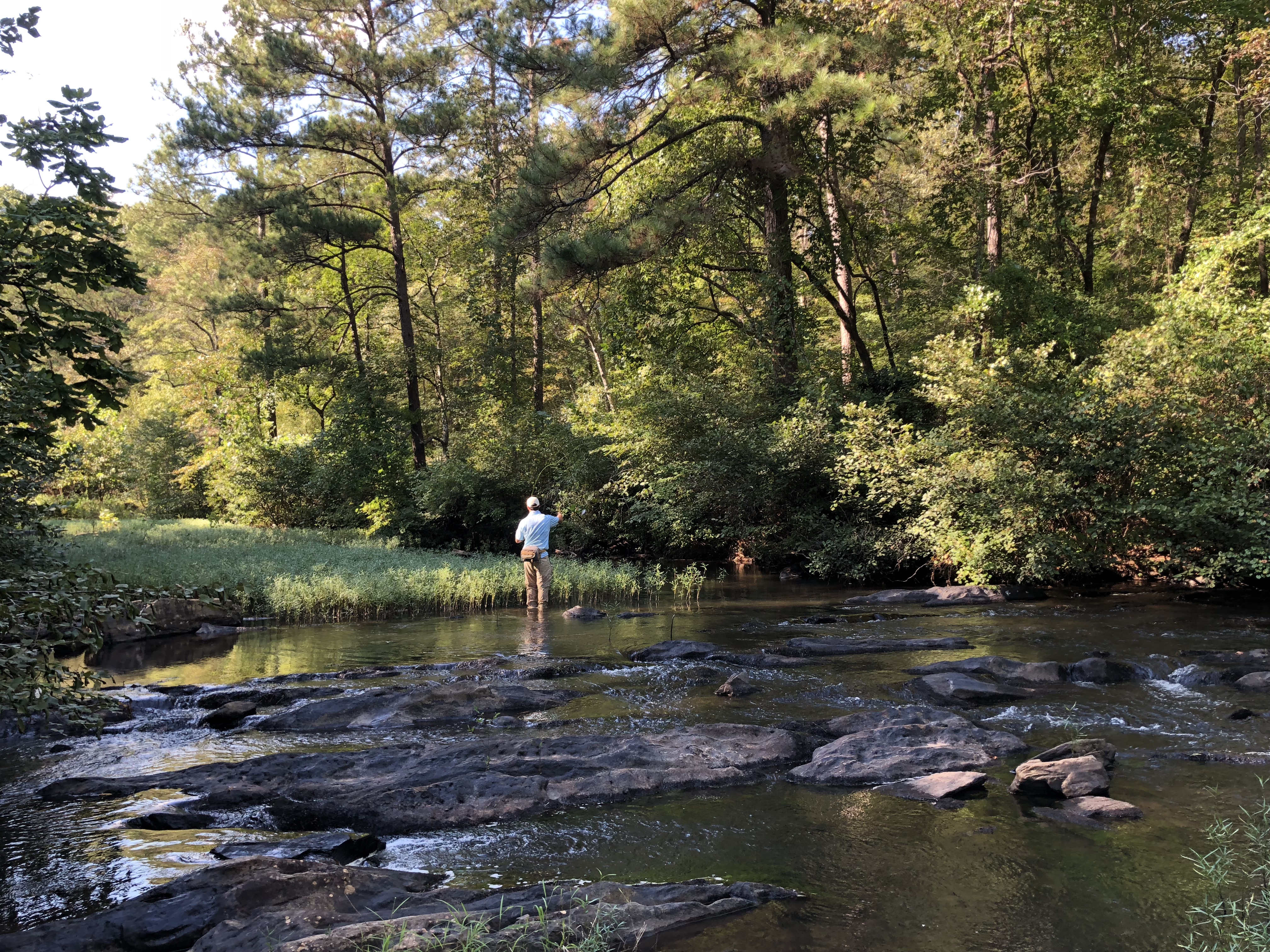
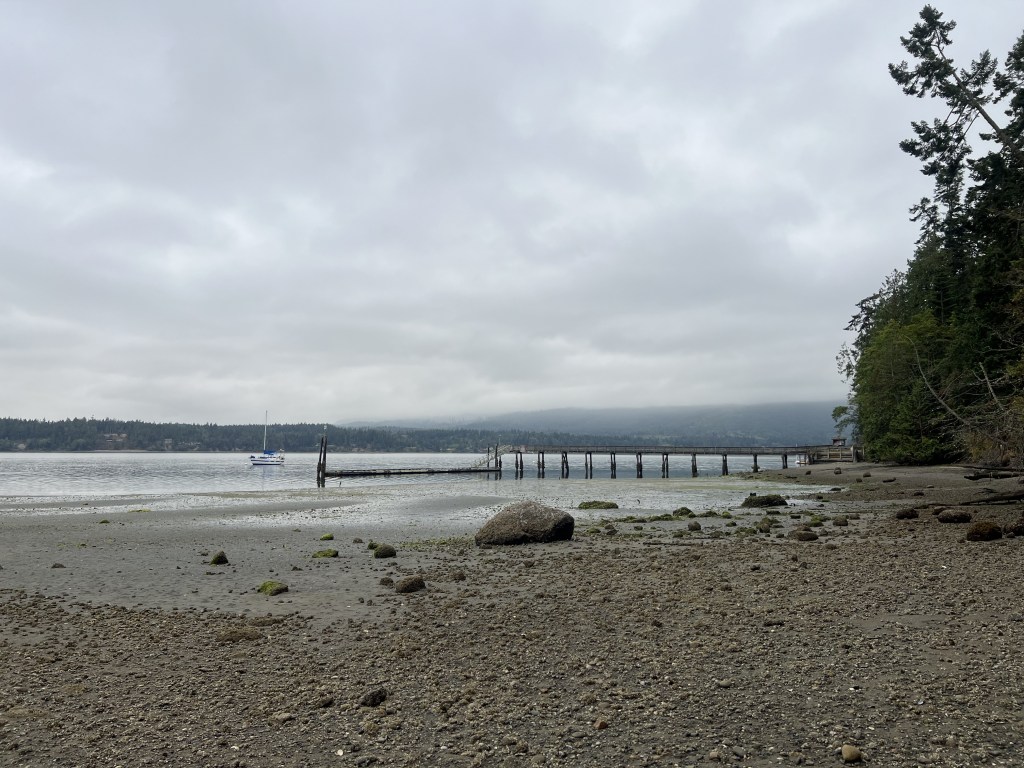
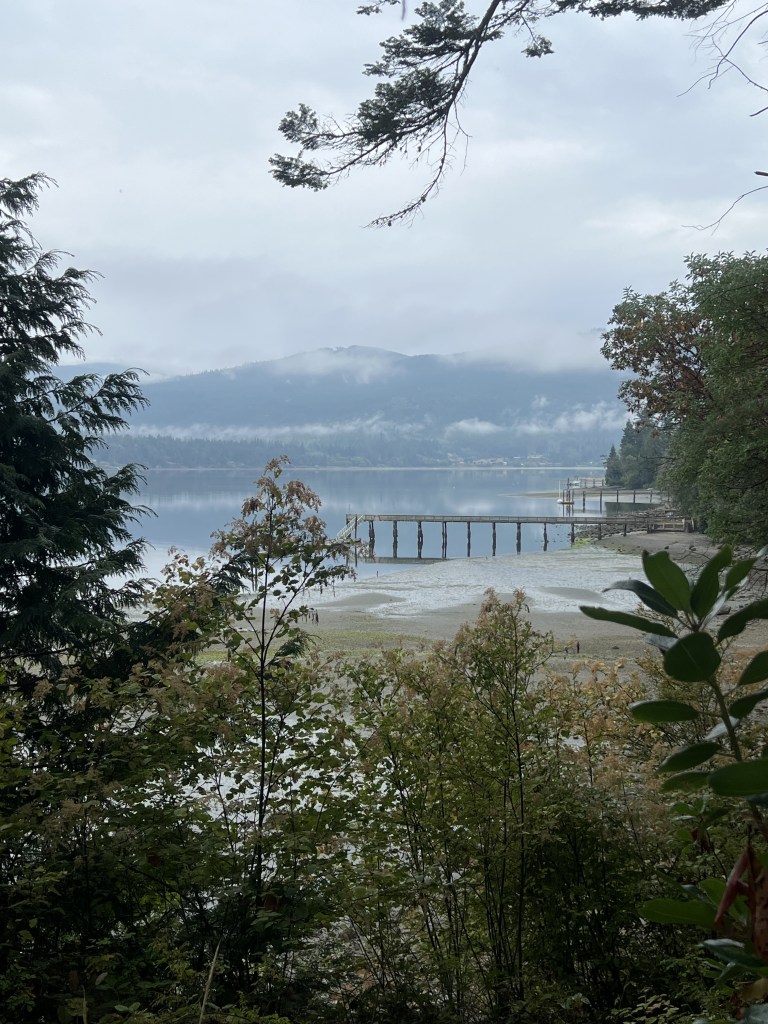
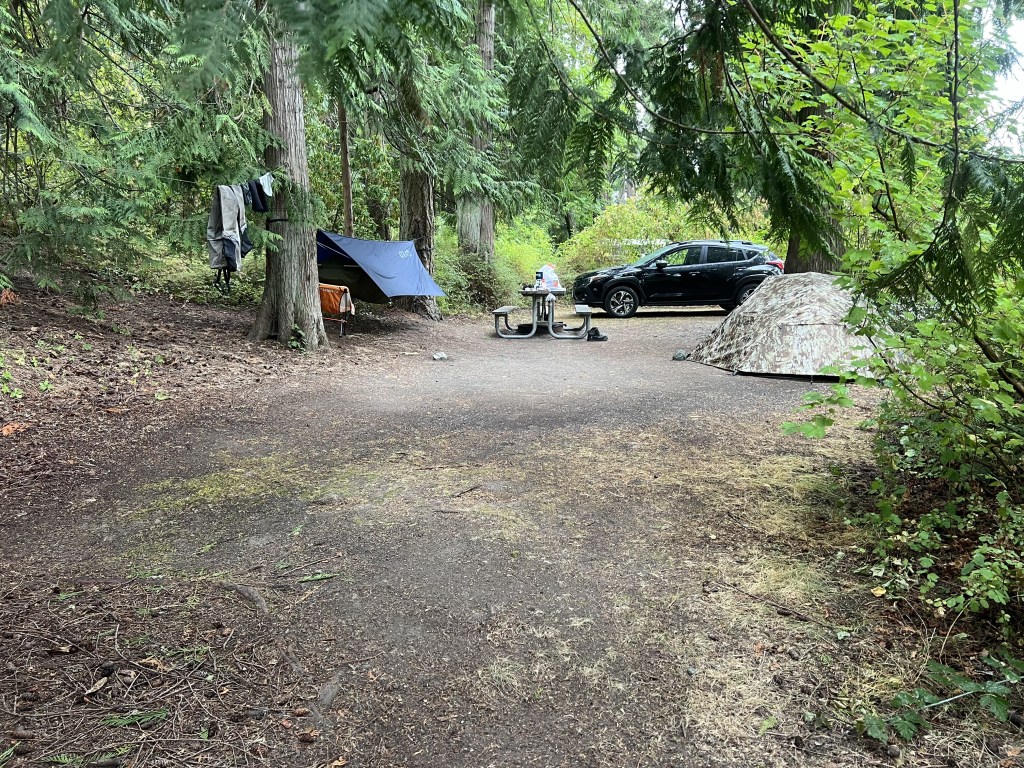
I wanted to take a moment to highlight our base of operations for our Washington trip. Sequim Bay State Park was a neat little spot, right off Hwy 101, not far from the city of Sequim. Not the most remote spot we’ve ever stayed at as we typically take advantage of our National Forest system campgrounds, but it was hard to pass on the location here for venturing to points west and southeast. It’s located in the rain shadow on the Olympic peninsula, which is kind of ideal if you don’t like all your stuff getting wet while camping.
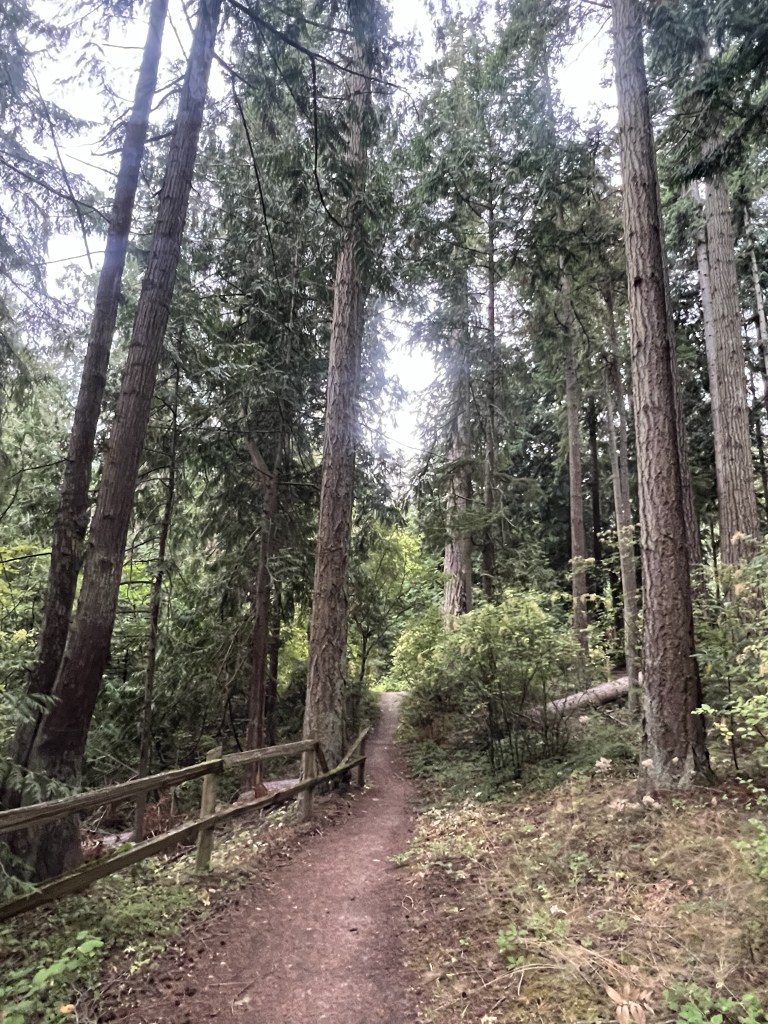
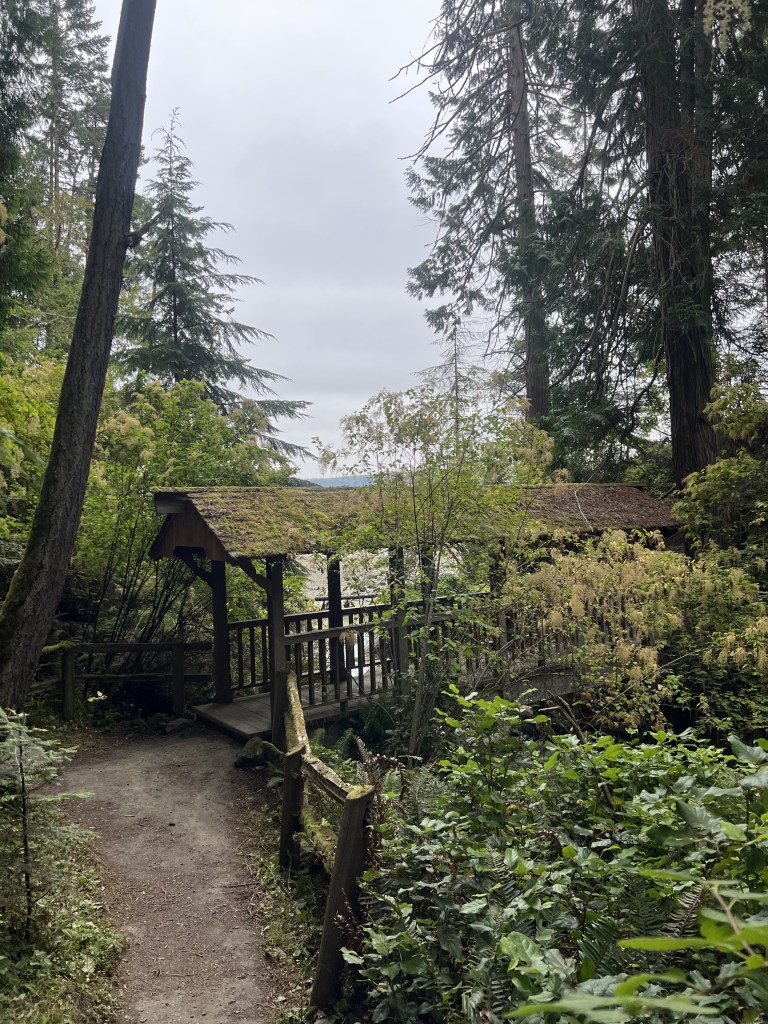
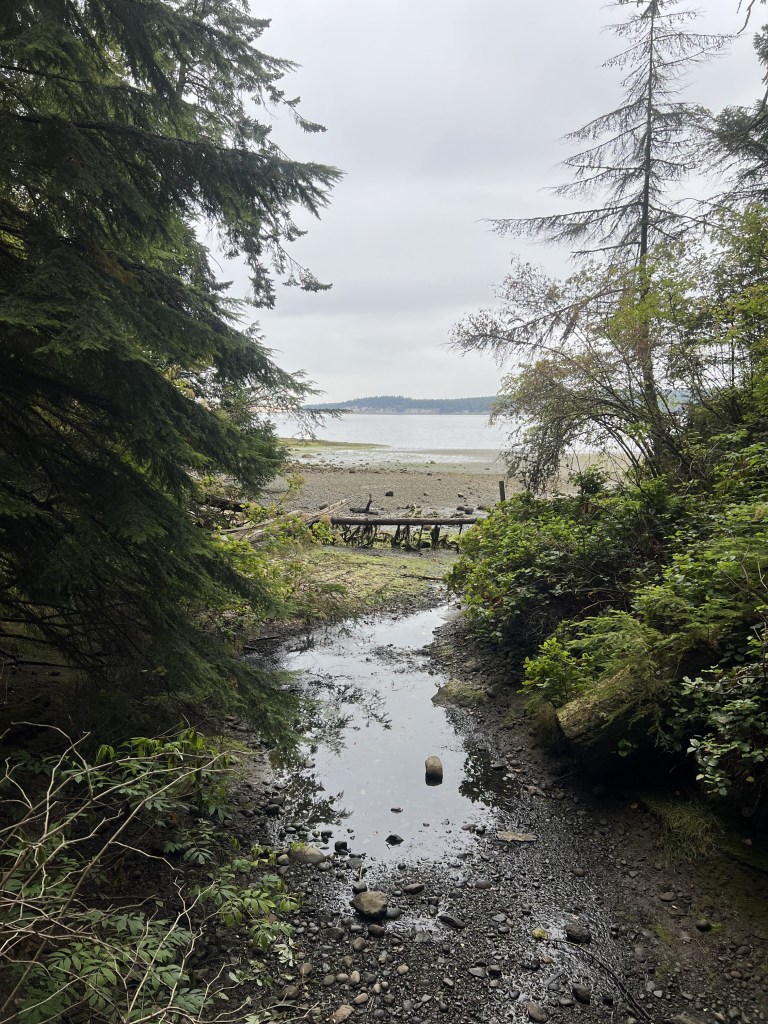
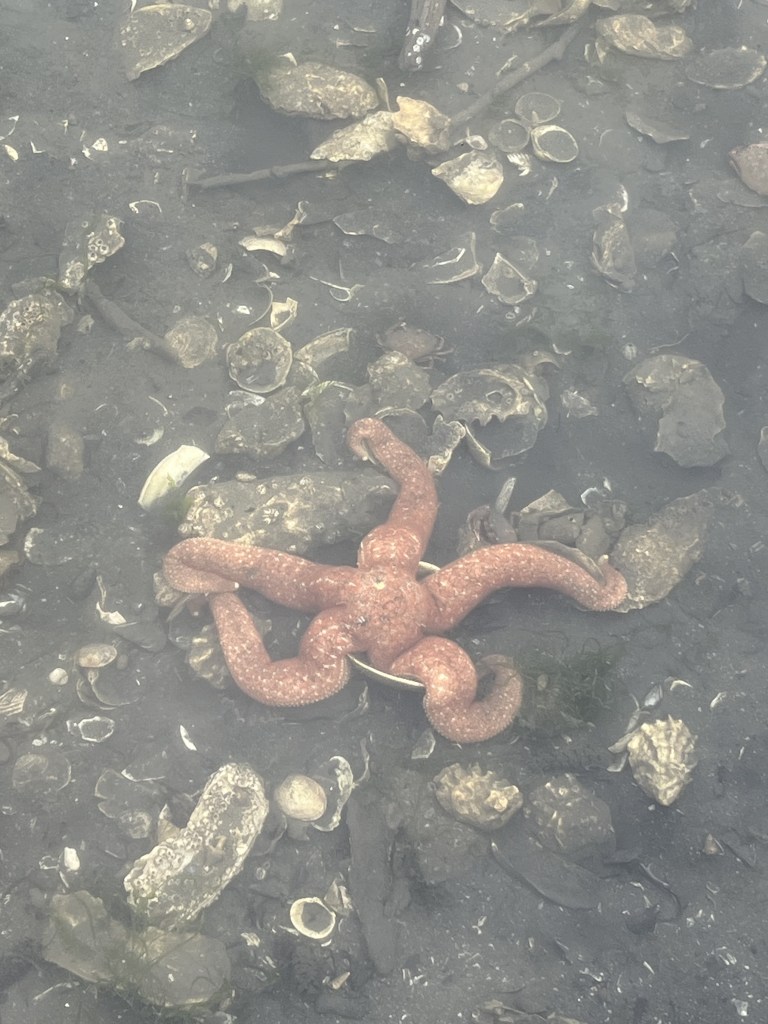
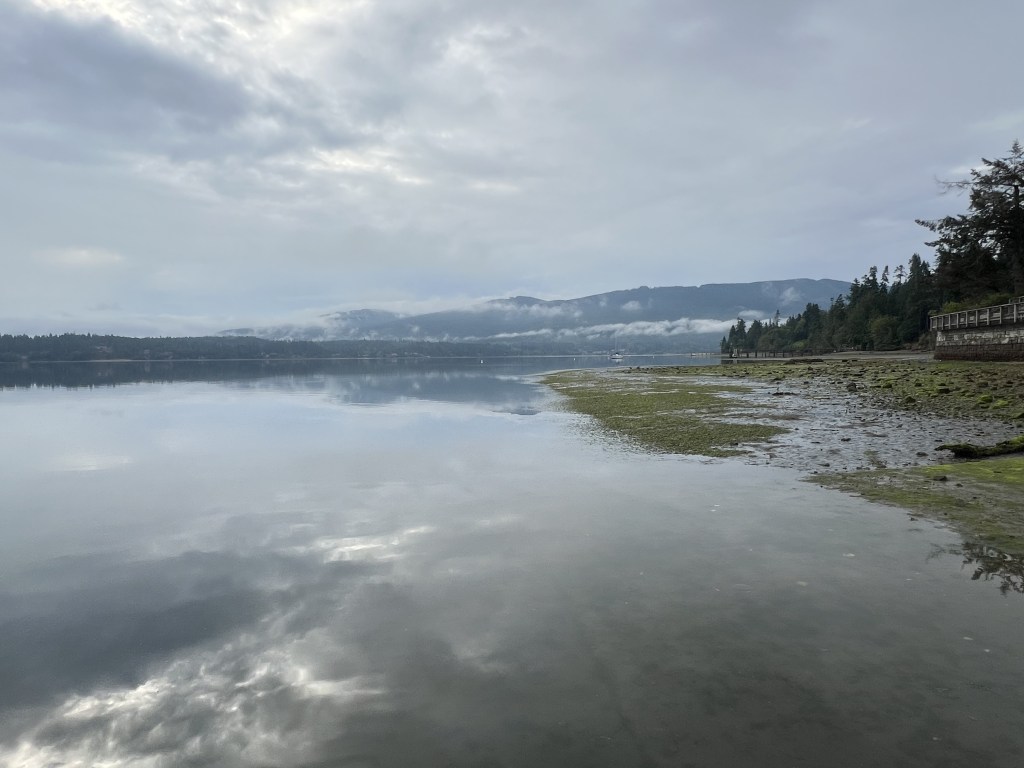
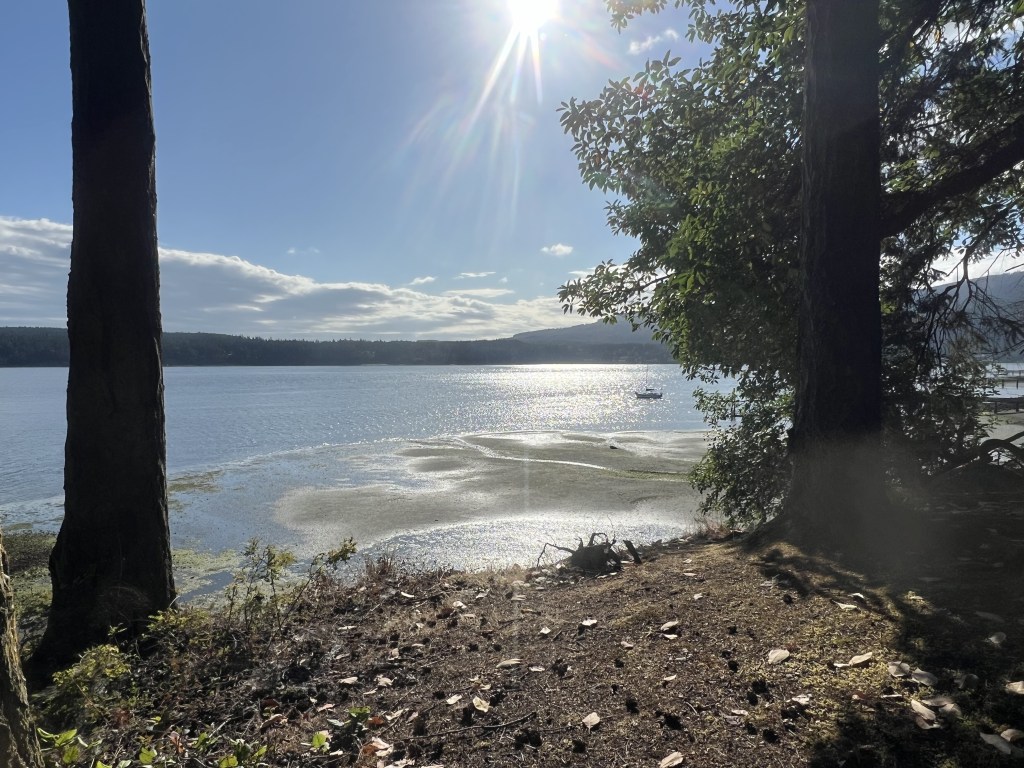
When I booked it I was a little worried it would be loud with highway noise since it is right off the road, but it really was not at all – very quiet and peaceful. It was nice to wake up early in the morning and just walk around. The Pacific northwest is so vastly different than the Gulf south so there was a lot to take in. There’s a little trail that runs down to Sequim Bay, which was cool to go check out during low tide periods.



I also wanted to thank and shoutout Gary Marston of Native Trout Fly Fishing. A lot of my interest in seeking out the unique species of native trout stems from two folks primarily. One being Gary, and the other was Dr. Robert J. Behnke, who wrote the definitive book on American trout species, “Trout and Salmon of North America”. If you fly fish in the US and don’t own this book, do yourself a favor and go buy it now. It is a beautiful coffee table style book. It is so wonderfully researched and put together that I wish there was a book like it for other families of fish I care about, like the black basses. It was published in 2002, right as I was coming out of high school and getting interested in fly fishing. I learned a ton from that book and it showed me that there was a whole lot more than just rainbow, brown, and brook trout. It also showed me there was a passionate group of anglers and researchers devoted to our native trout, because I wasn’t alone in being inspired by the book.
Gary’s website for me, picked up where Dr. Behnke’s book left off, and carried that knowledge I gained from the book and pushed it even further, as he was pretty much doing what I had wanted to and was chasing down all the trout found in Dr. Behnke’s book and documenting them. His road trips were the stuff of legend in my eyes and I always looked to reading about them. I love the dedication to documenting these species by drainage and documenting phenotypes of extinct species, like the Alvord trout. It’s fascinating stuff. When I knew we were headed to Washington state, I reached out to Gary, and he was a huge help in the planning of this trip. He gave a lot of tips and advice and pointed us in the right direction when I was putting everything together.
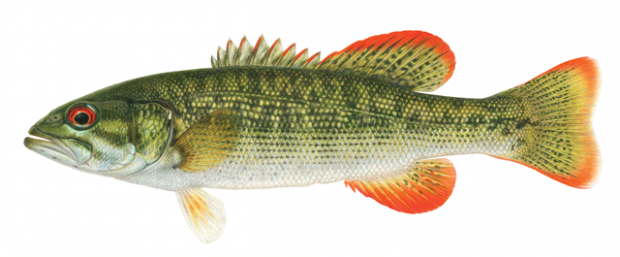
Since I brought it up, I have to add a third influence of mine in terms of my interest in native trout, and this ties back into Dr. Behnke’s book. Joseph Tomelleri’s art work is absolutely essential to the book, and without it, I don’t know that the desire to seek these fish out is triggered in me. His fish jump off the pages, the work is exceptional. His attention to detail is unmatched in my mind. It’s just absolutely stunning artwork. Go check it out for yourself at Americanfishes.com. He does more than just trout and salmon too – he shows love to the bass and sunfish too!