Archive

Tag Archives: Sequim Bay

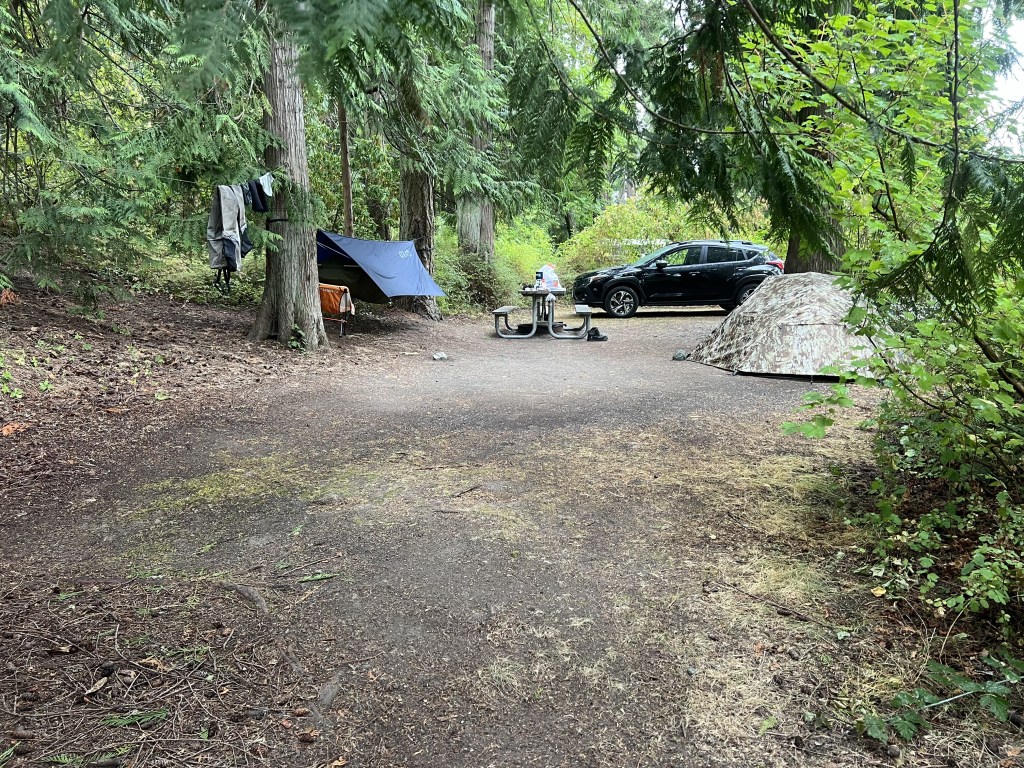
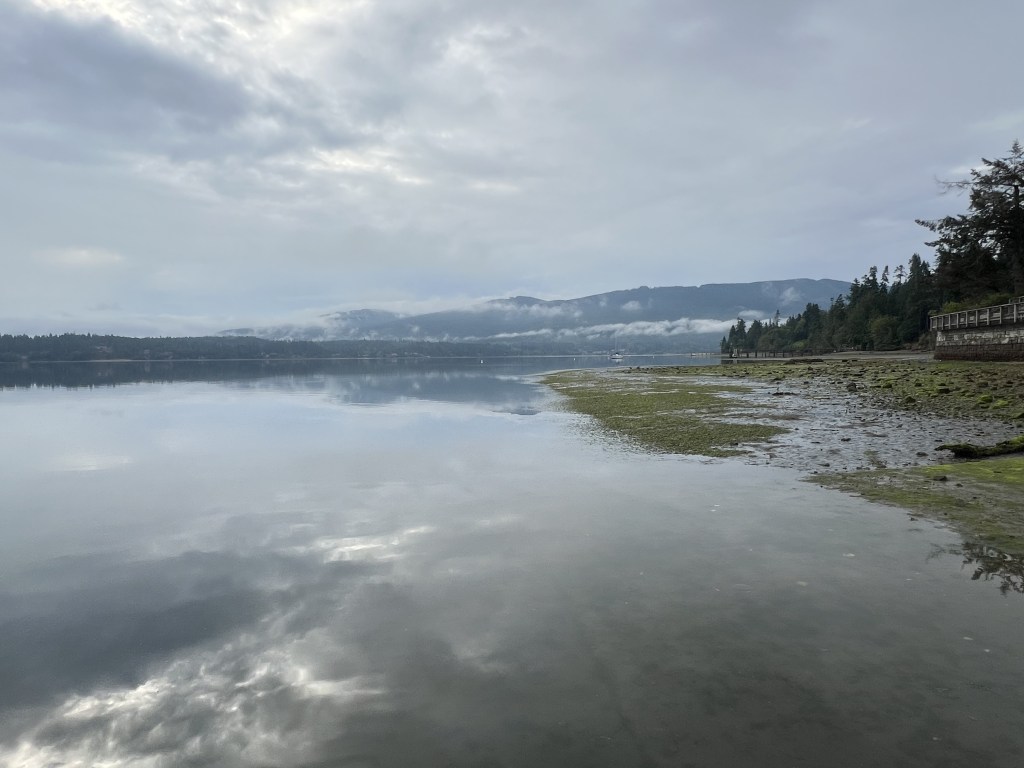
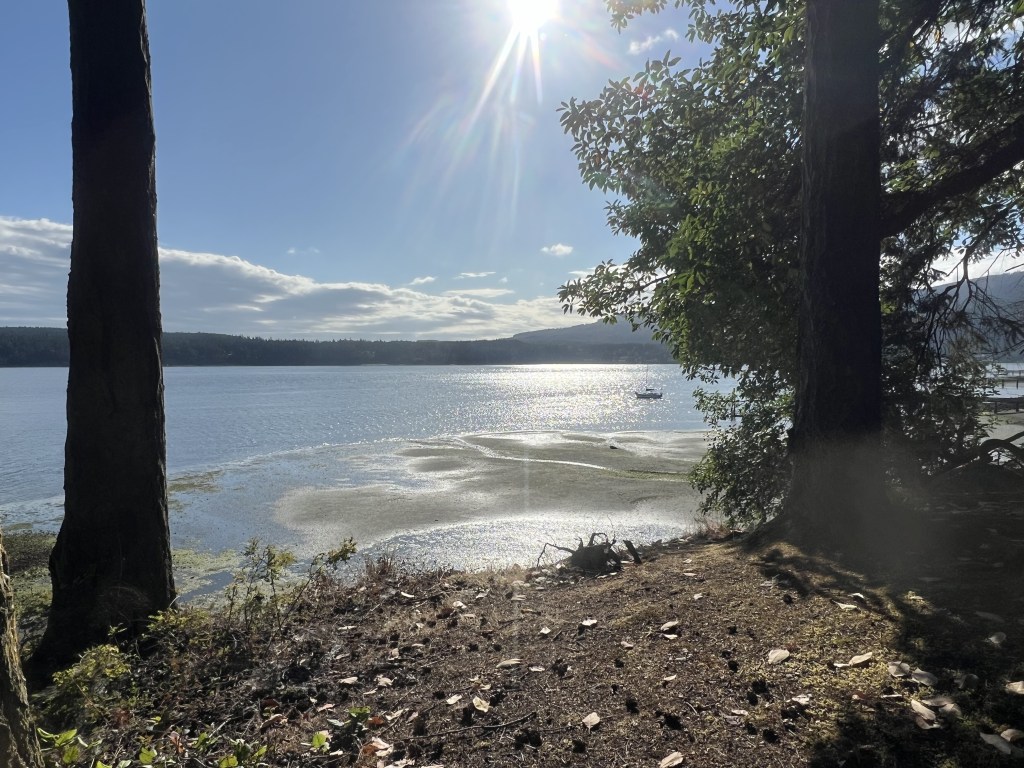
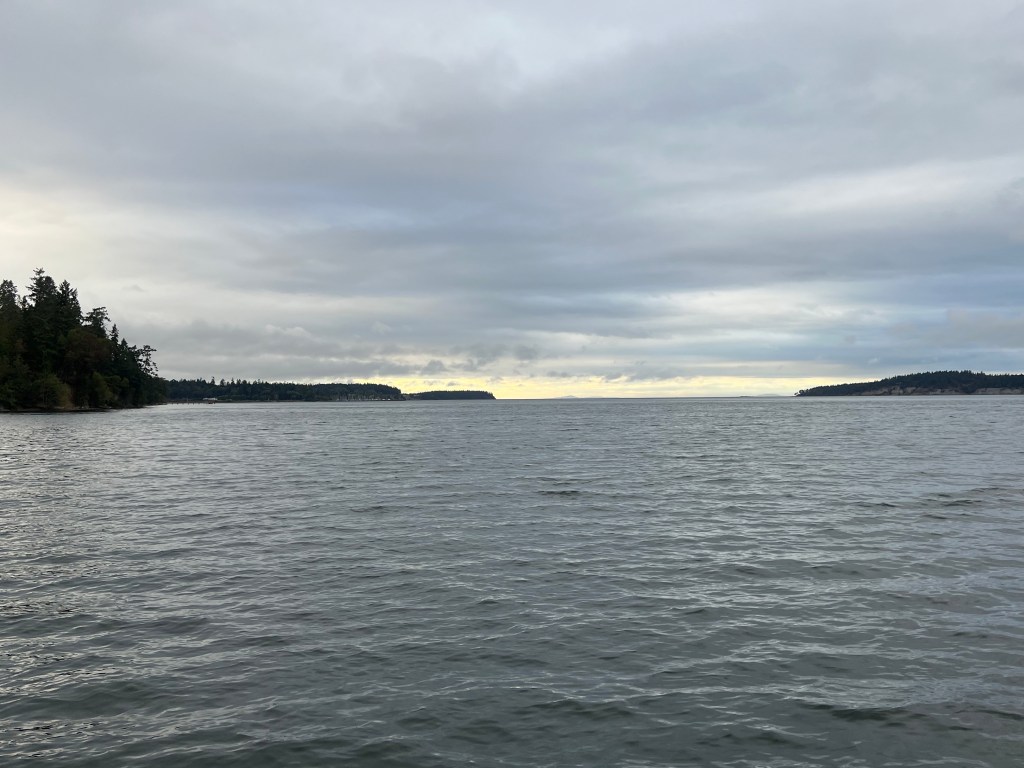
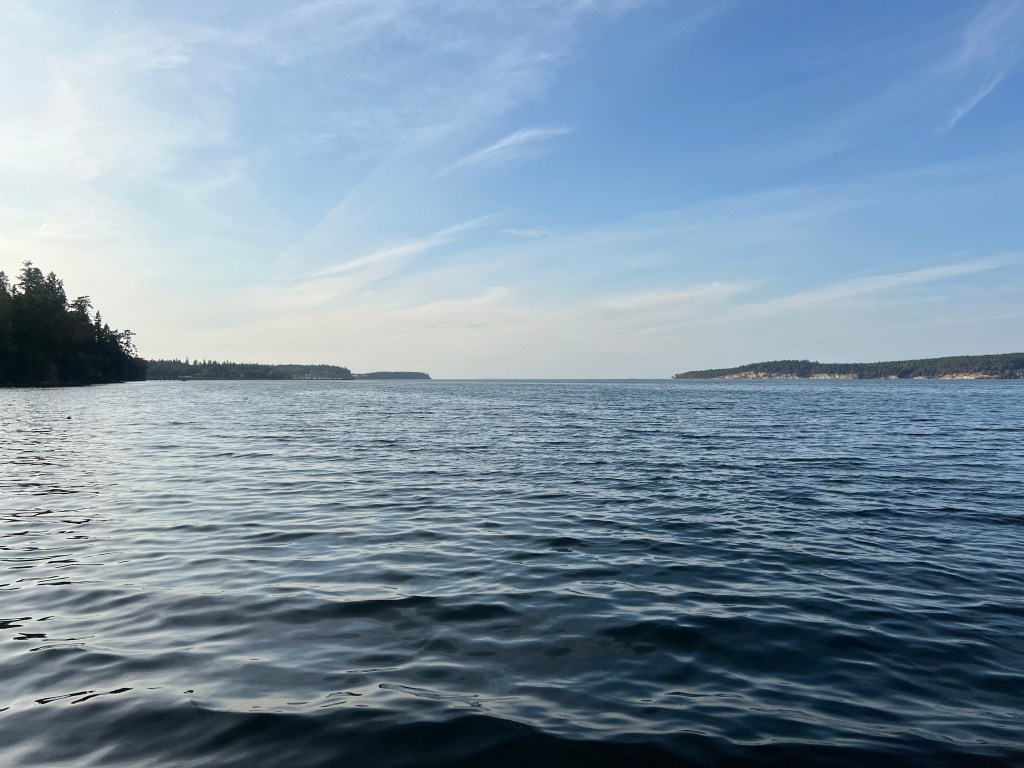
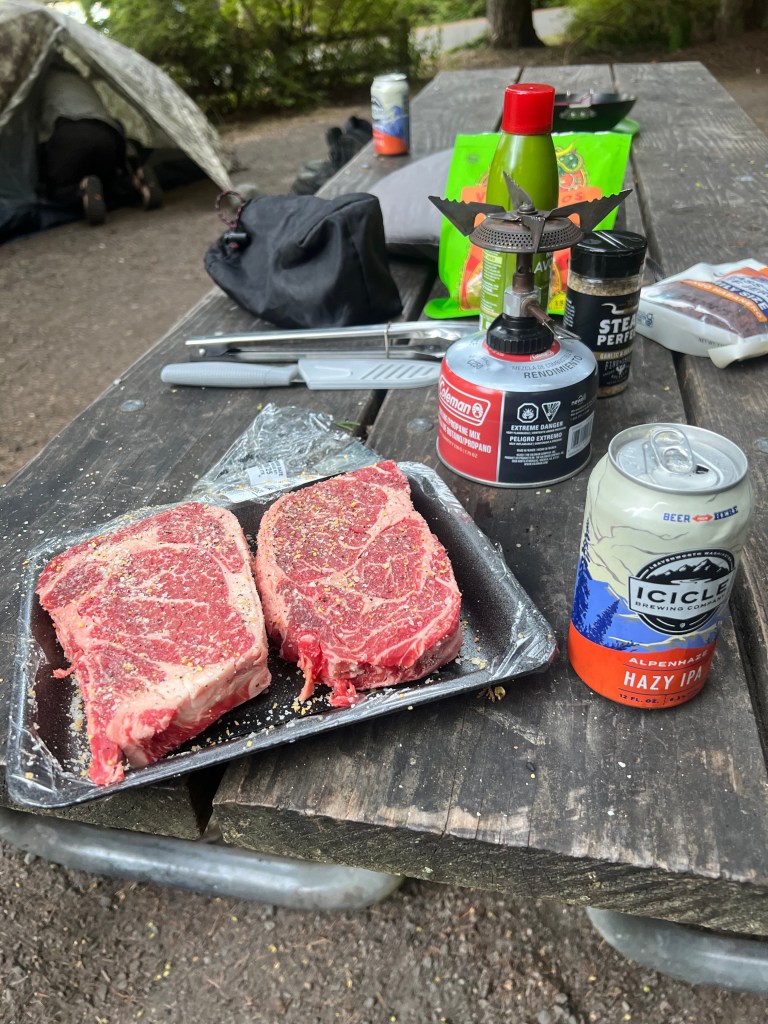
I wanted to take a moment to highlight our base of operations for our Washington trip. Sequim Bay State Park was a neat little spot, right off Hwy 101, not far from the city of Sequim. Not the most remote spot we’ve ever stayed at as we typically take advantage of our National Forest system campgrounds, but it was hard to pass on the location here for venturing to points west and southeast. It’s located in the rain shadow on the Olympic peninsula, which is kind of ideal if you don’t like all your stuff getting wet while camping.

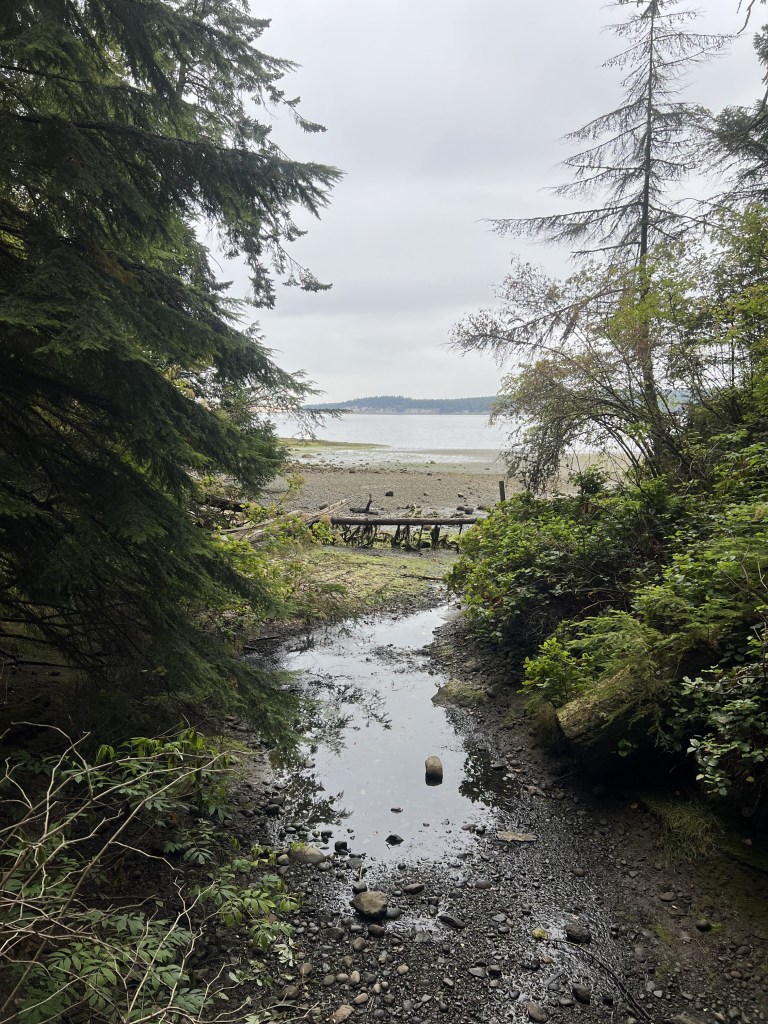
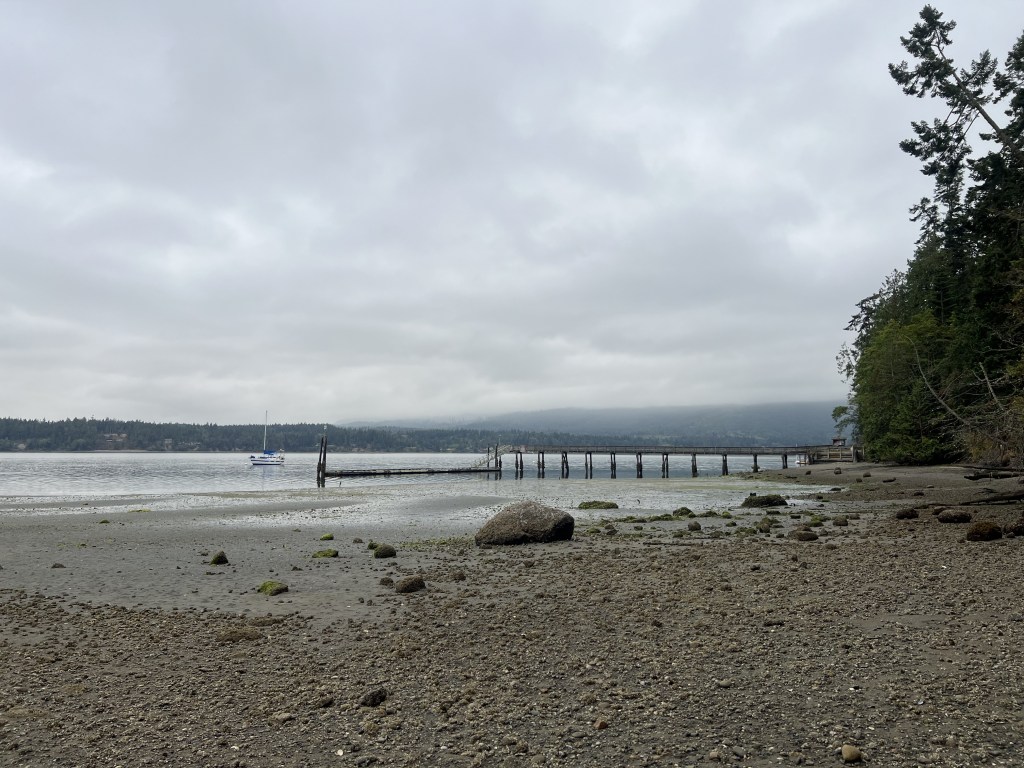
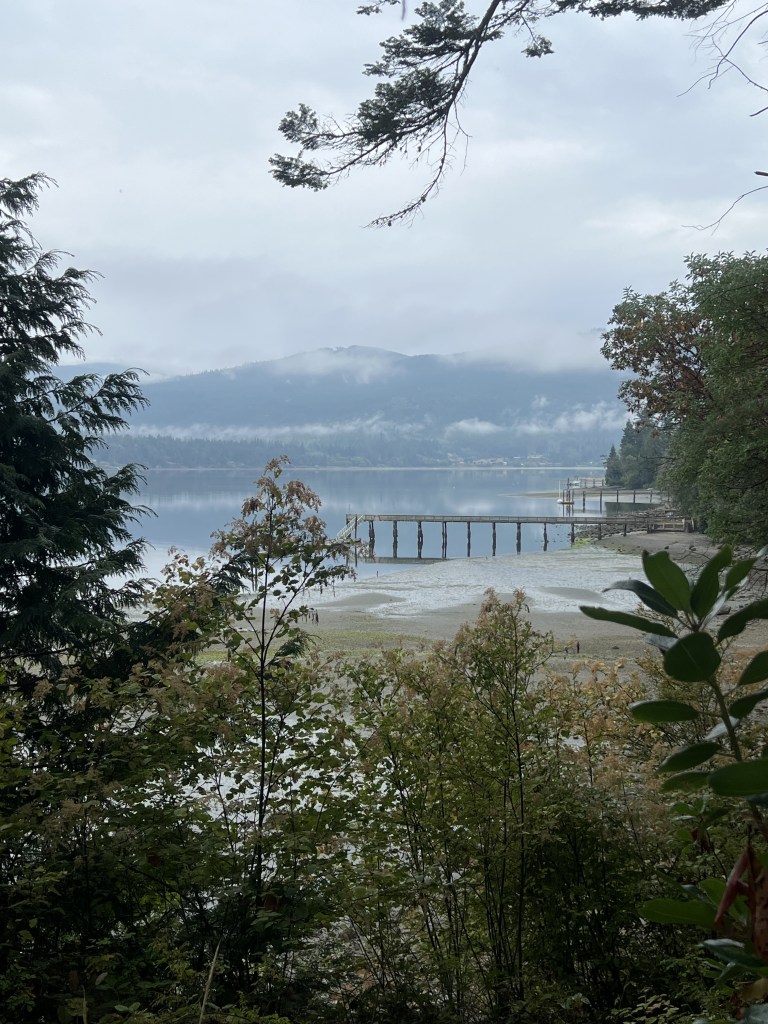
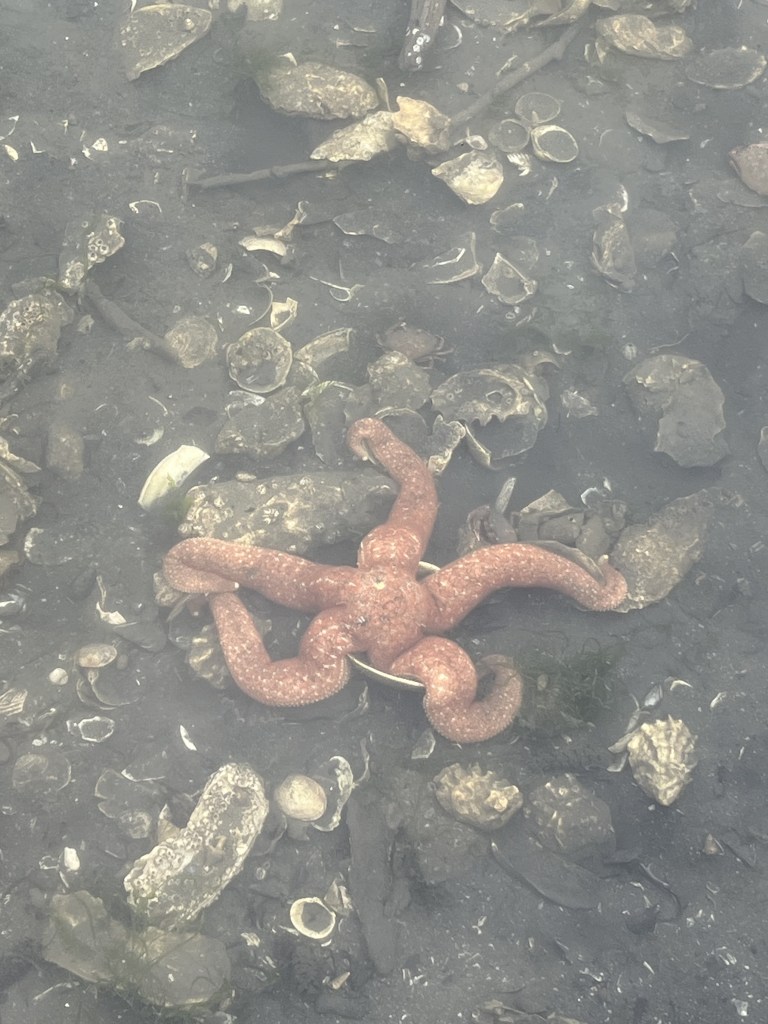
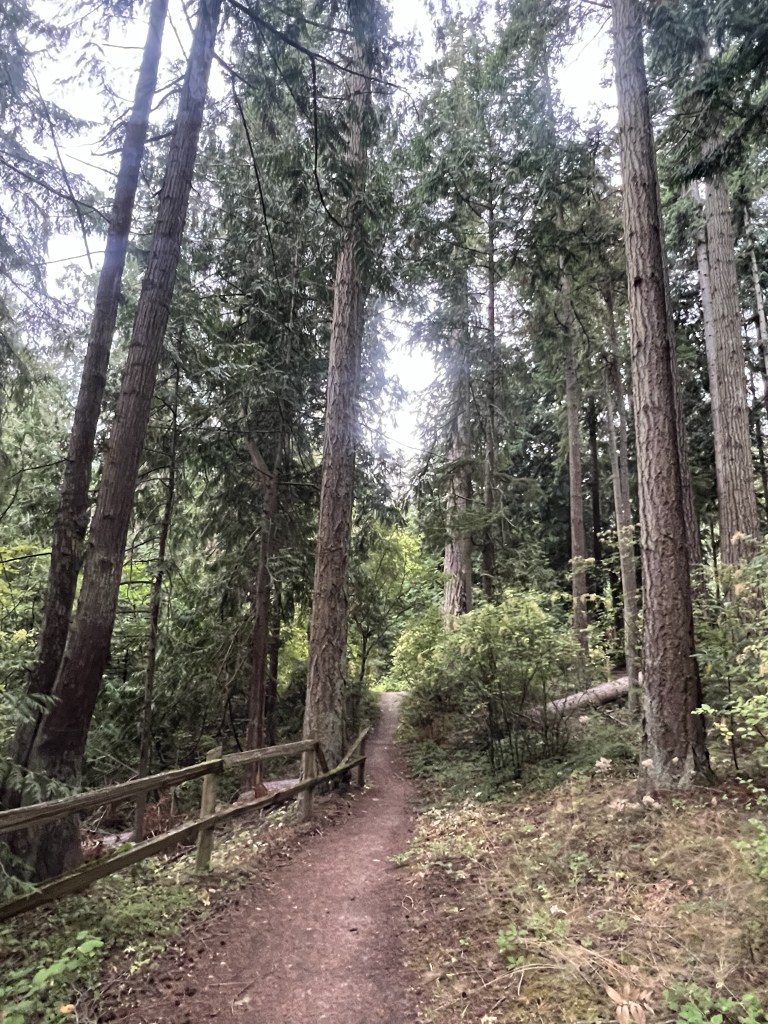
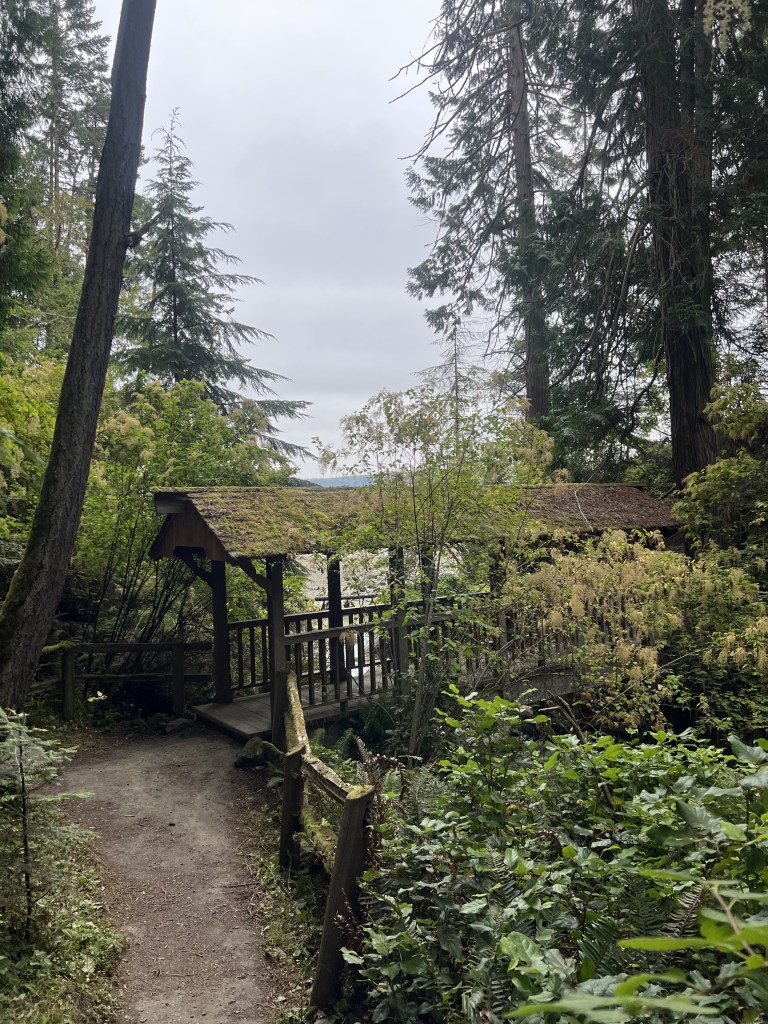
When I booked it I was a little worried it would be loud with highway noise since it is right off the road, but it really was not at all – very quiet and peaceful. It was nice to wake up early in the morning and just walk around. The Pacific northwest is so vastly different than the Gulf south so there was a lot to take in. There’s a little trail that runs down to Sequim Bay, which was cool to go check out during low tide periods.
I also wanted to thank and shoutout Gary Marston of Native Trout Fly Fishing. A lot of my interest in seeking out the unique species of native trout stems from two folks primarily. One being Gary, and the other was Dr. Robert J. Behnke, who wrote the definitive book on American trout species, “Trout and Salmon of North America”. If you fly fish in the US and don’t own this book, do yourself a favor and go buy it now. It is a beautiful coffee table style book. It is so wonderfully researched and put together that I wish there was a book like it for other families of fish I care about, like the black basses. It was published in 2002, right as I was coming out of high school and getting interested in fly fishing. I learned a ton from that book and it showed me that there was a whole lot more than just rainbow, brown, and brook trout. It also showed me there was a passionate group of anglers and researchers devoted to our native trout, because I wasn’t alone in being inspired by the book.

Gary’s website for me, picked up where Dr. Behnke’s book left off, and carried that knowledge I gained from the book and pushed it even further, as he was pretty much doing what I had wanted to and was chasing down all the trout found in Dr. Behnke’s book and documenting them. His road trips were the stuff of legend in my eyes and I always looked to reading about them. I love the dedication to documenting these species by drainage and documenting phenotypes of extinct species, like the Alvord trout. It’s fascinating stuff. When I knew we were headed to Washington state, I reached out to Gary, and he was a huge help in the planning of this trip. He gave a lot of tips and advice and pointed us in the right direction when I was putting everything together.

Since I brought it up, I have to add a third influence of mine in terms of my interest in native trout, and this ties back into Dr. Behnke’s book. Joseph Tomelleri’s art work is absolutely essential to the book, and without it, I don’t know that the desire to seek these fish out is triggered in me. His fish jump off the pages, the work is exceptional. His attention to detail is unmatched in my mind. It’s just absolutely stunning artwork. Go check it out for yourself at Americanfishes.com. He does more than just trout and salmon too – he shows love to the bass and sunfish too!
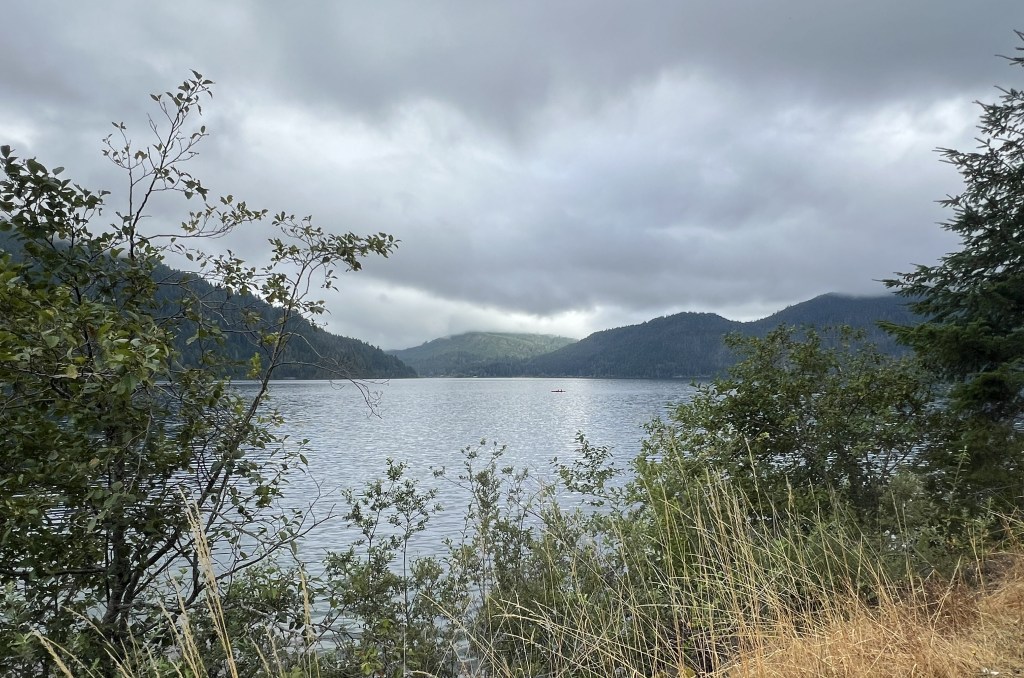
Lake Crescent

A visit to the Olympic peninsula wouldn’t be complete without a trip to Olympic National Park. Of particular interest to me in the Park, was a form of coastal cutthroat trout that was found only in Lake Crescent and it’s tributaries and distributary. Lake Crescent has an interesting history having been formed by a massive ancient landslide. The coastal cutthroat that found themselves in this new lake were cut off from the surrounding watersheds as the outflow of the lake also sported a sizable waterfall which prevented upstream migration. The trout evolved on their own here and though they haven’t been classified as their own species, research suggests they are a distinct form, sporting the highest number of vertebrae and gill rakers among all coastal cutthroat. The history, the fish, all of this was reason enough for me to want to check out the area while we were on the Olympic peninsula.

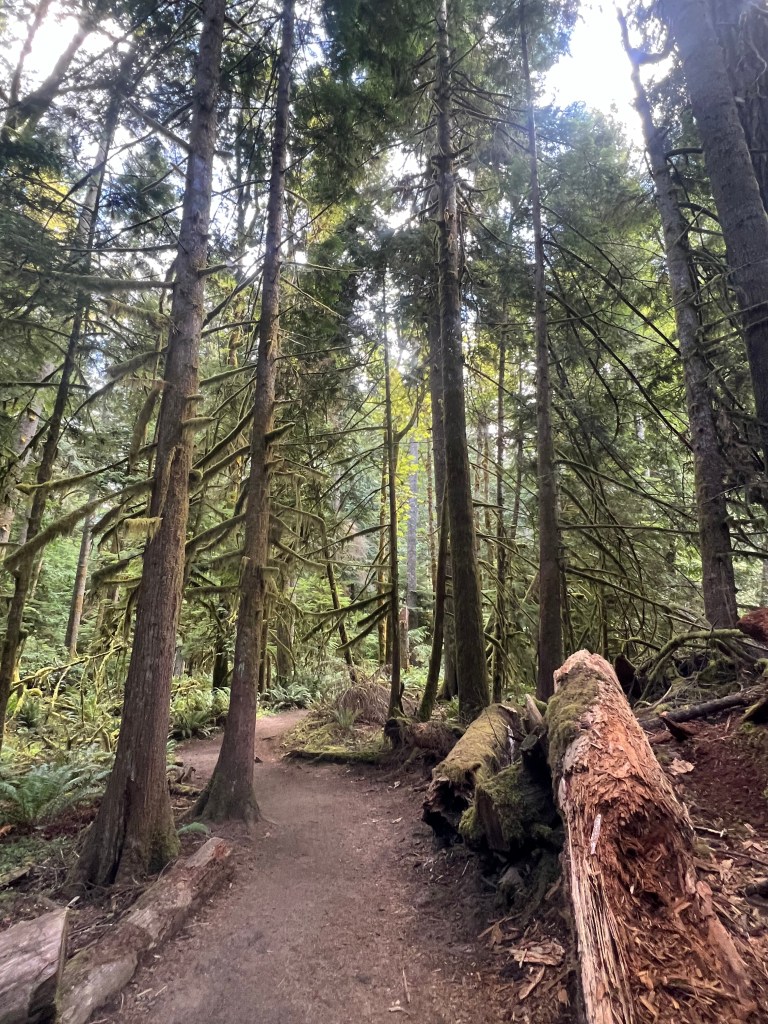
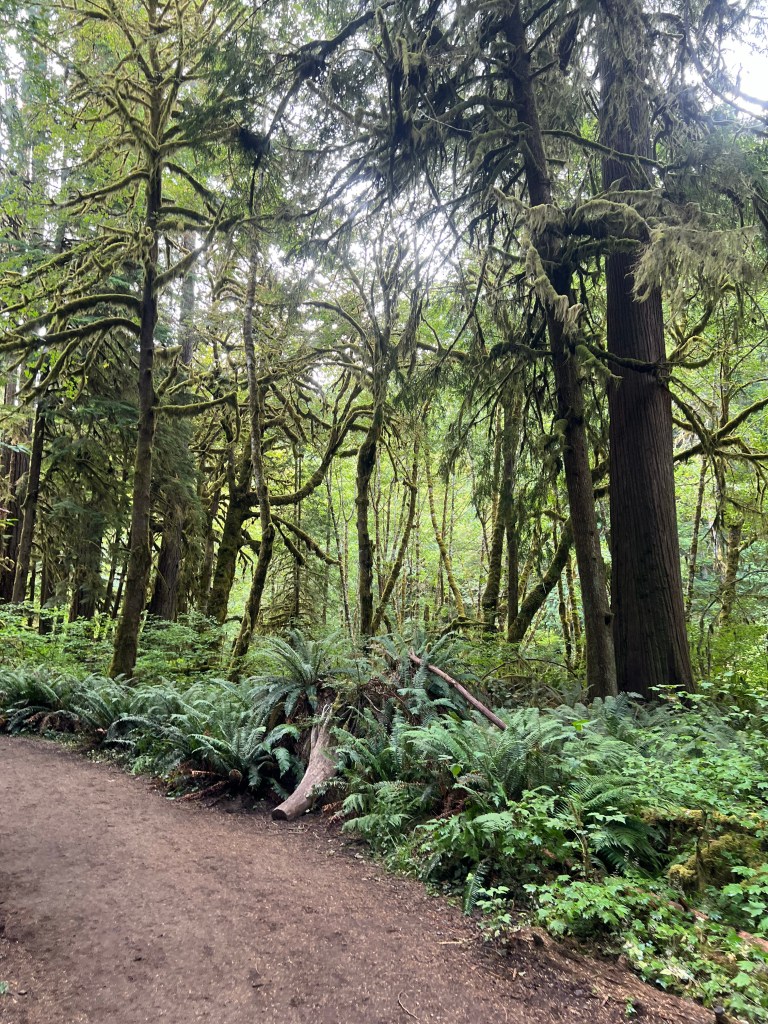
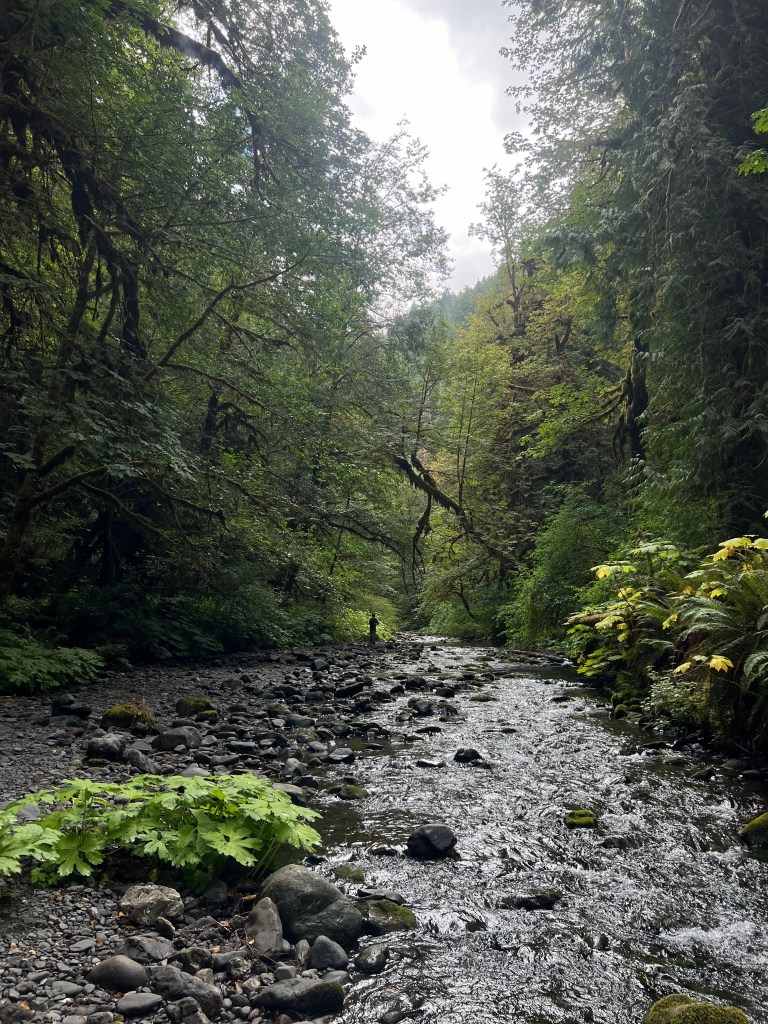
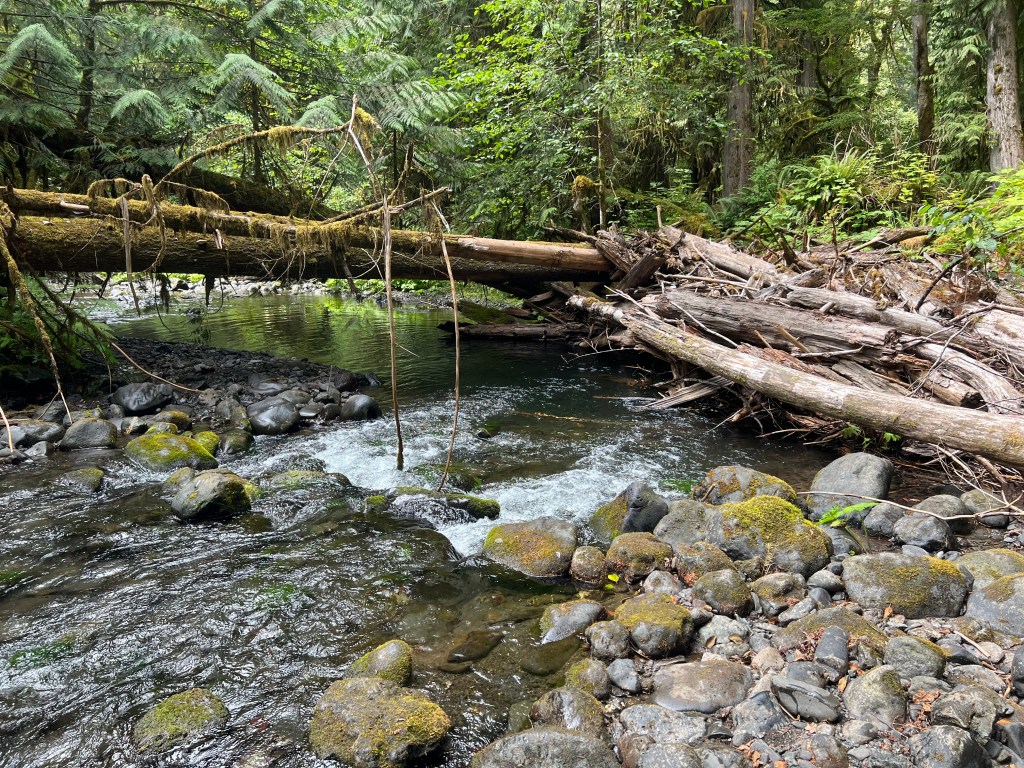
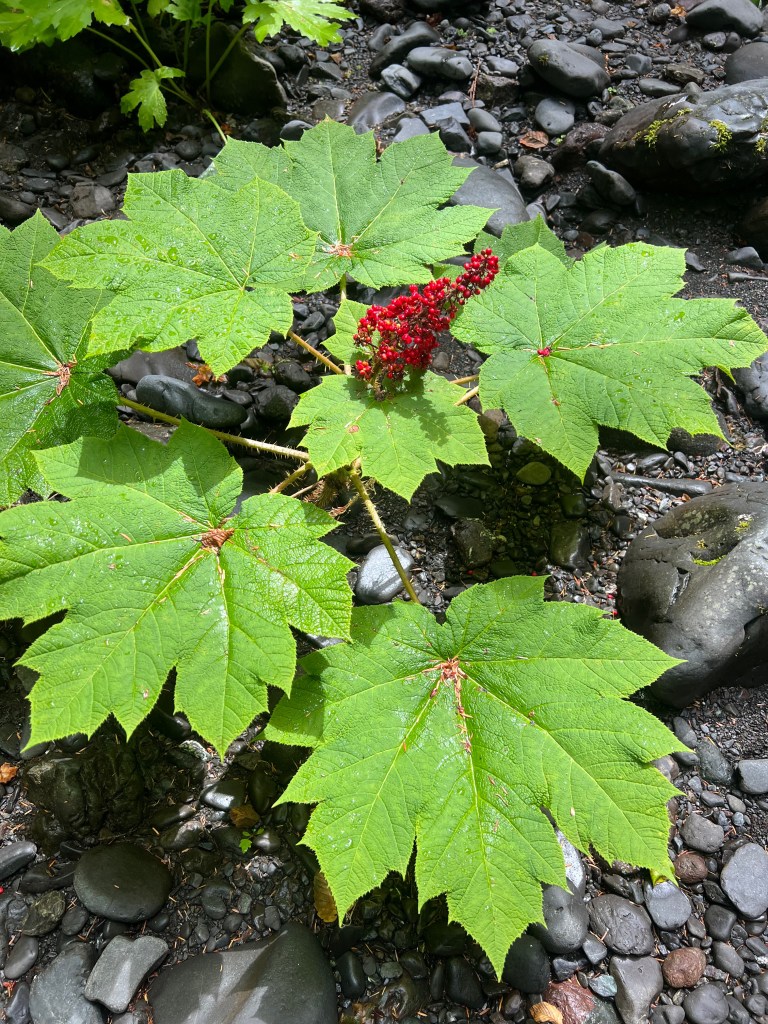
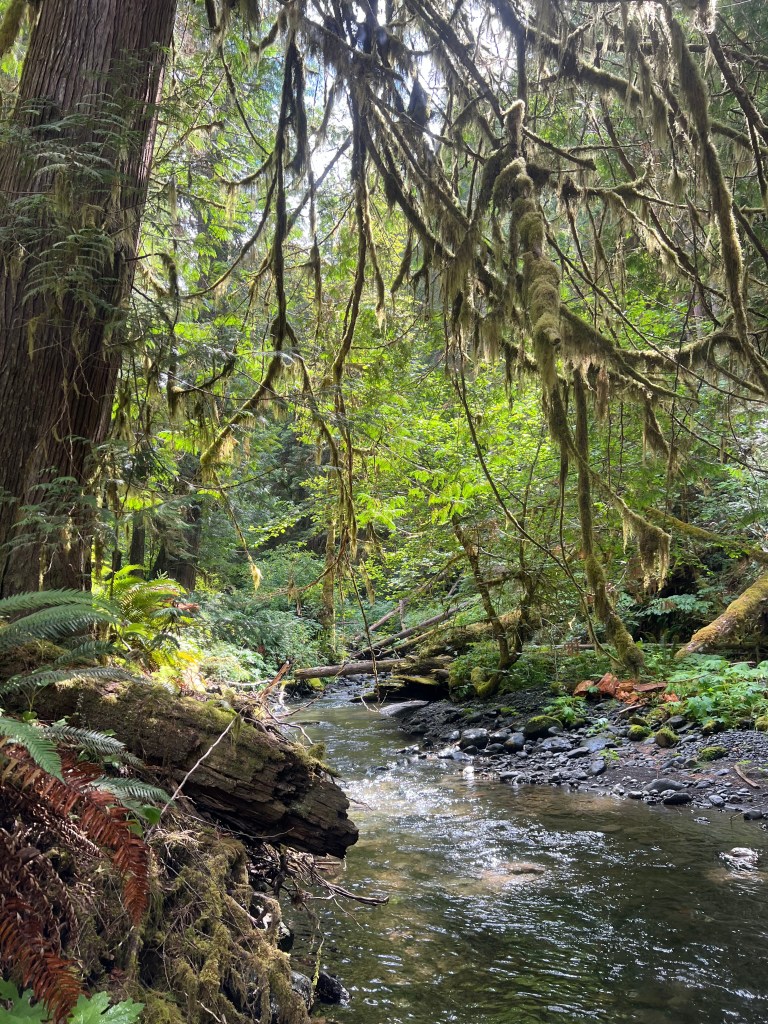
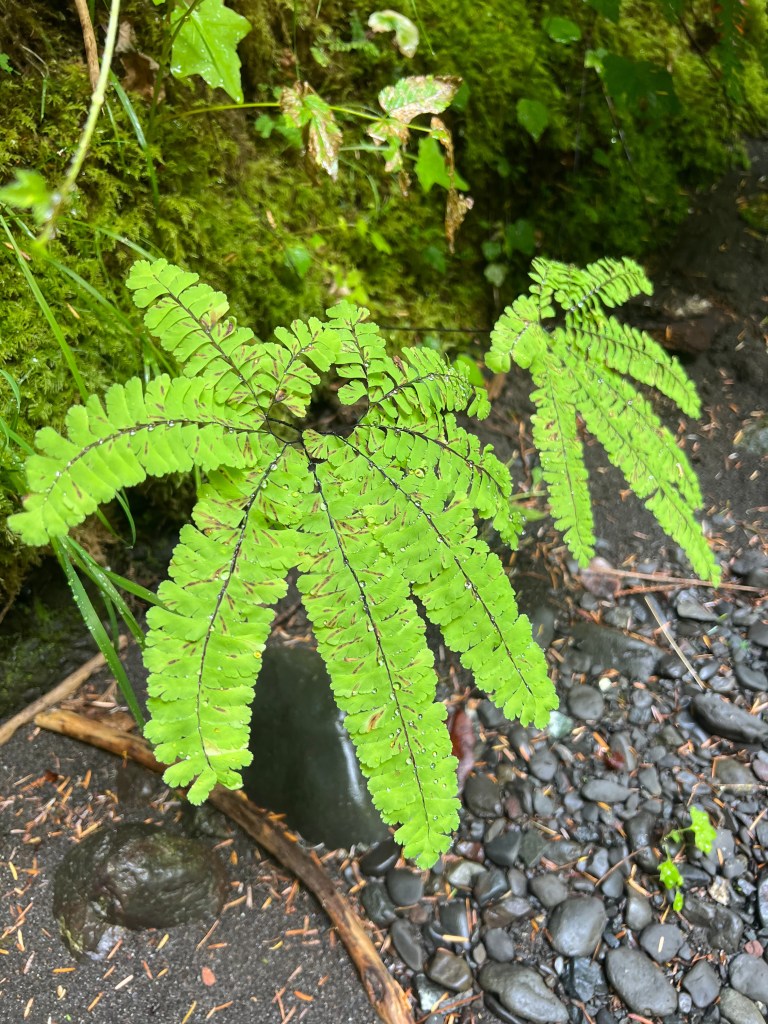
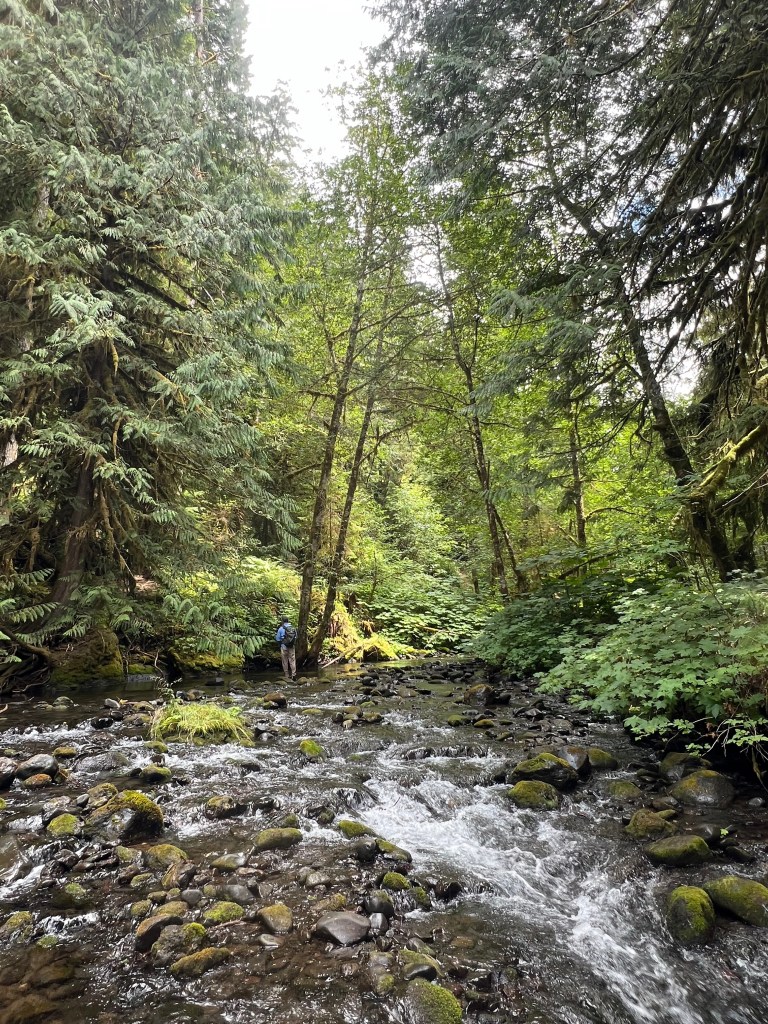
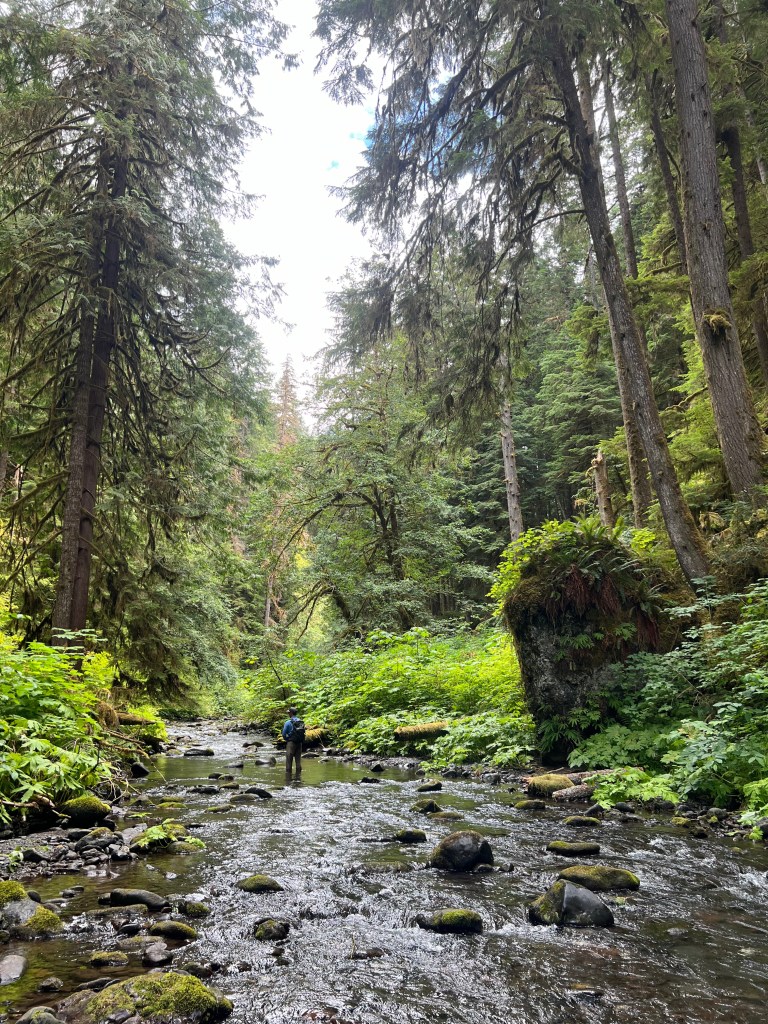
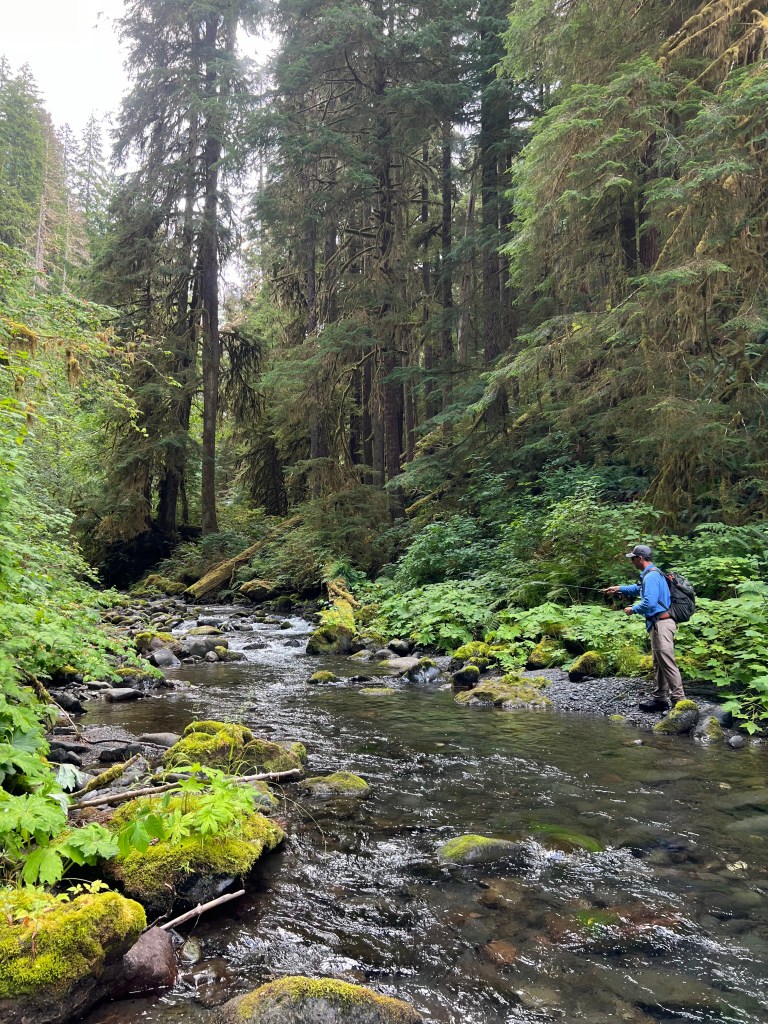
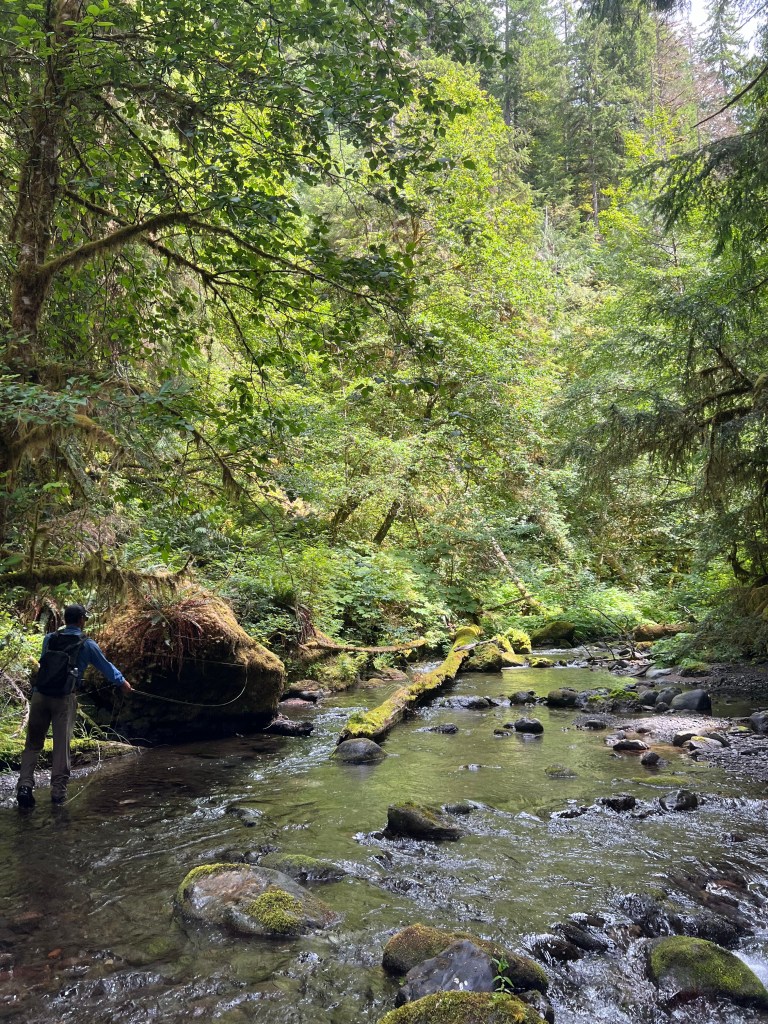
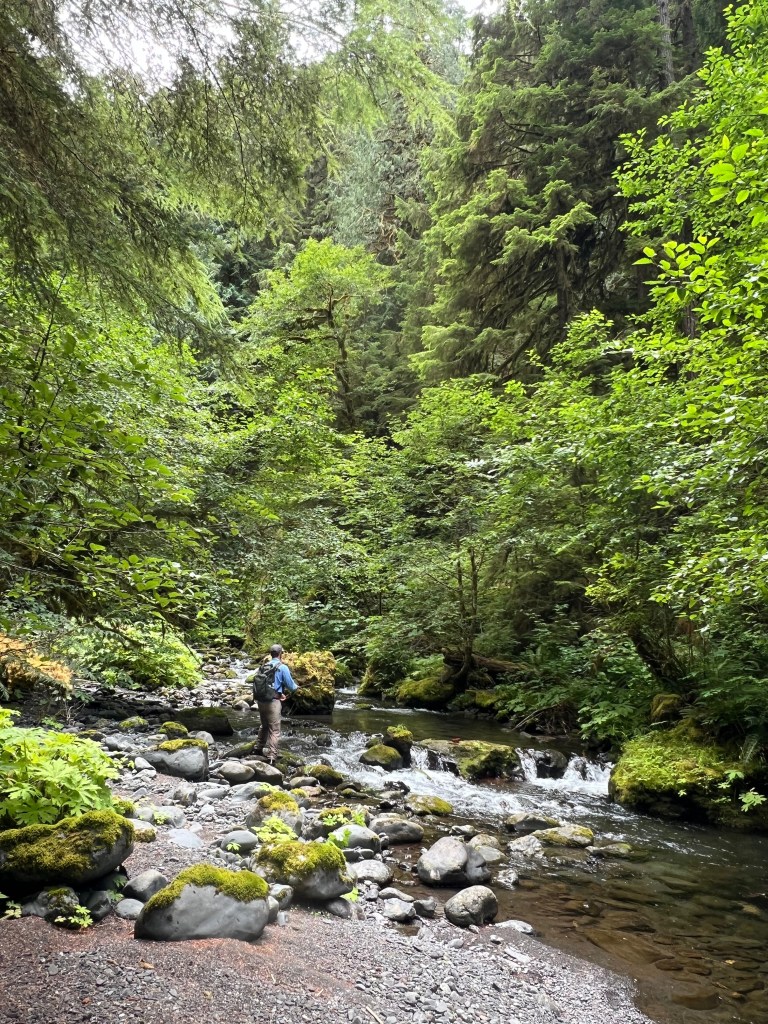
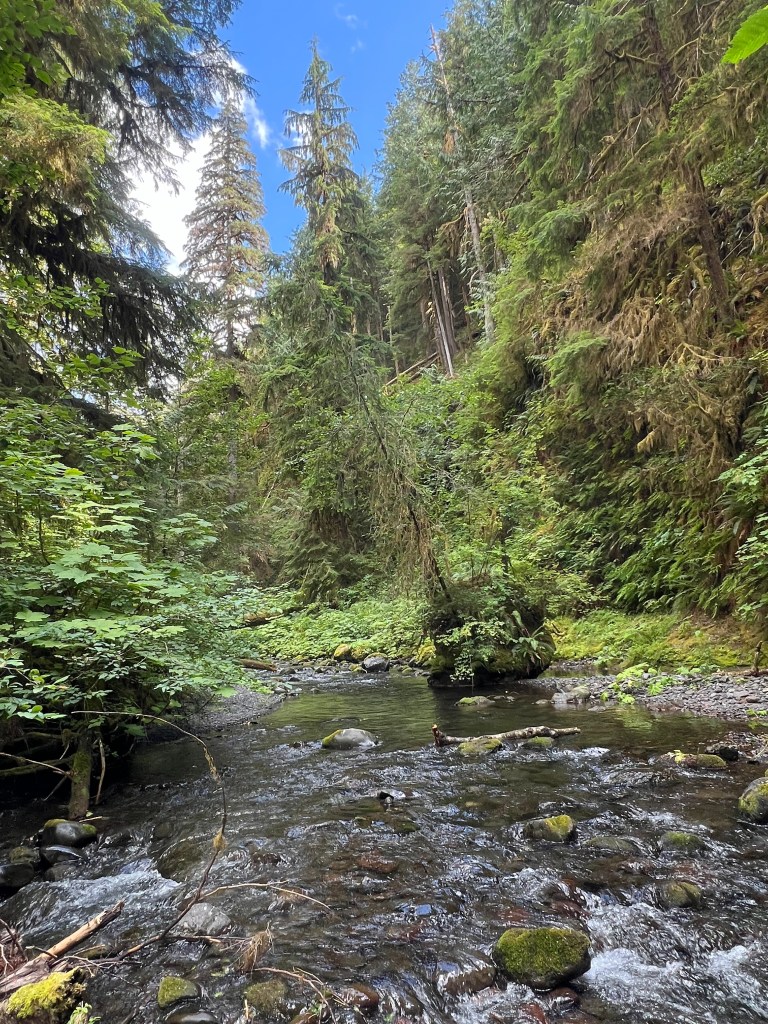
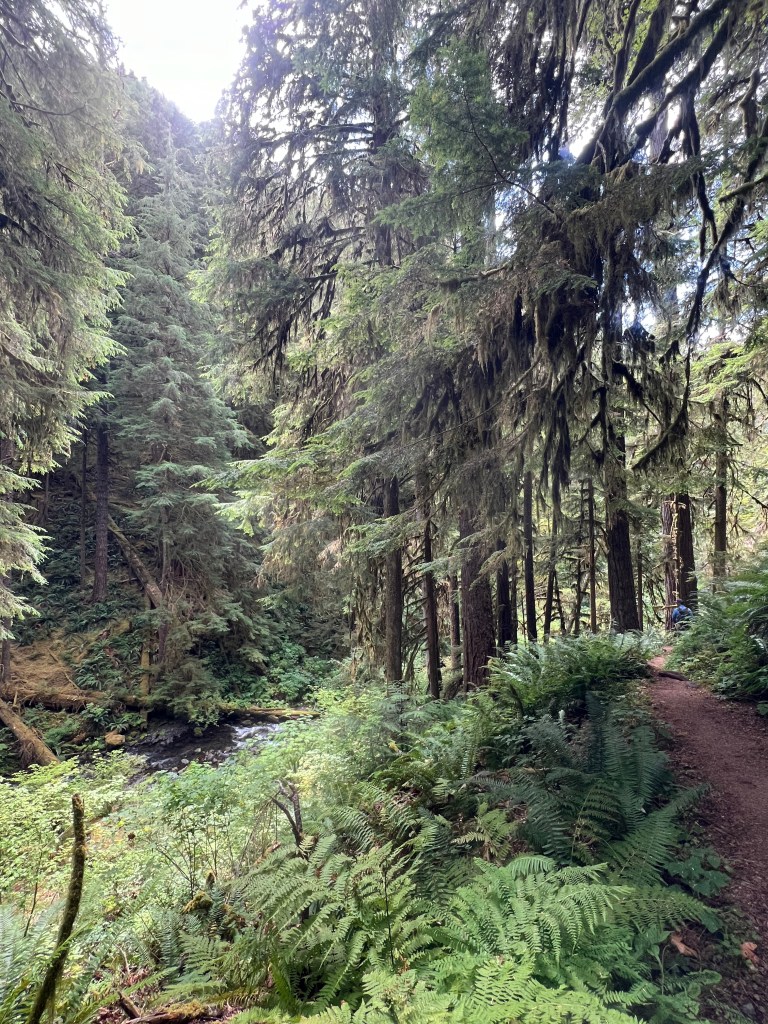
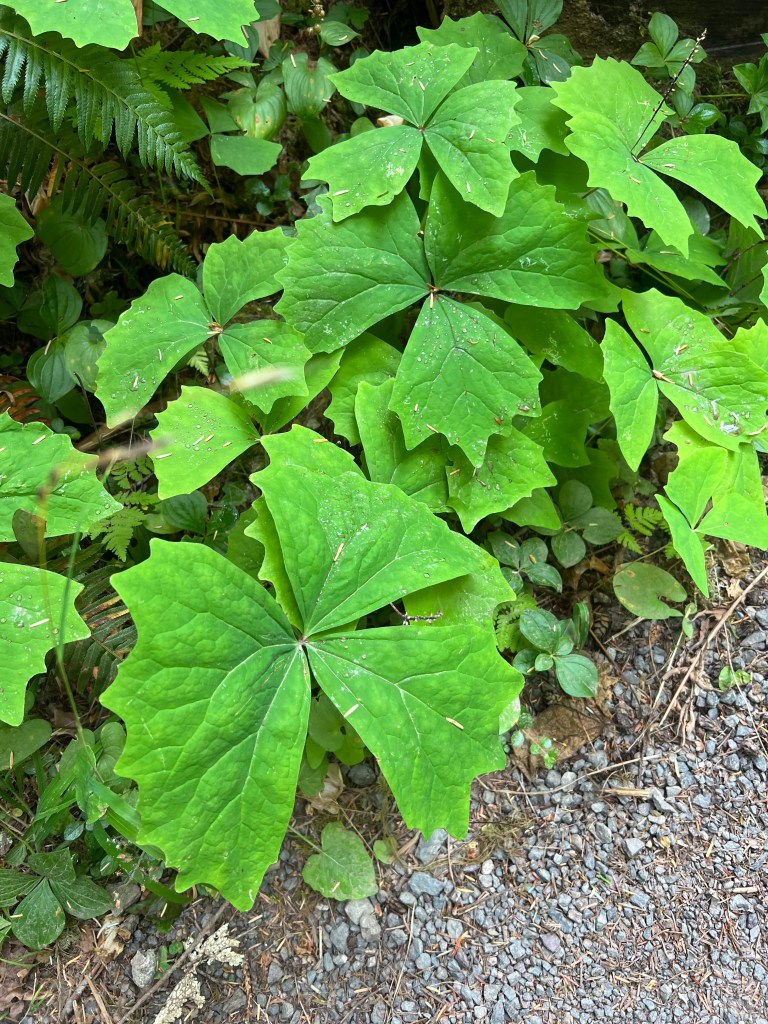
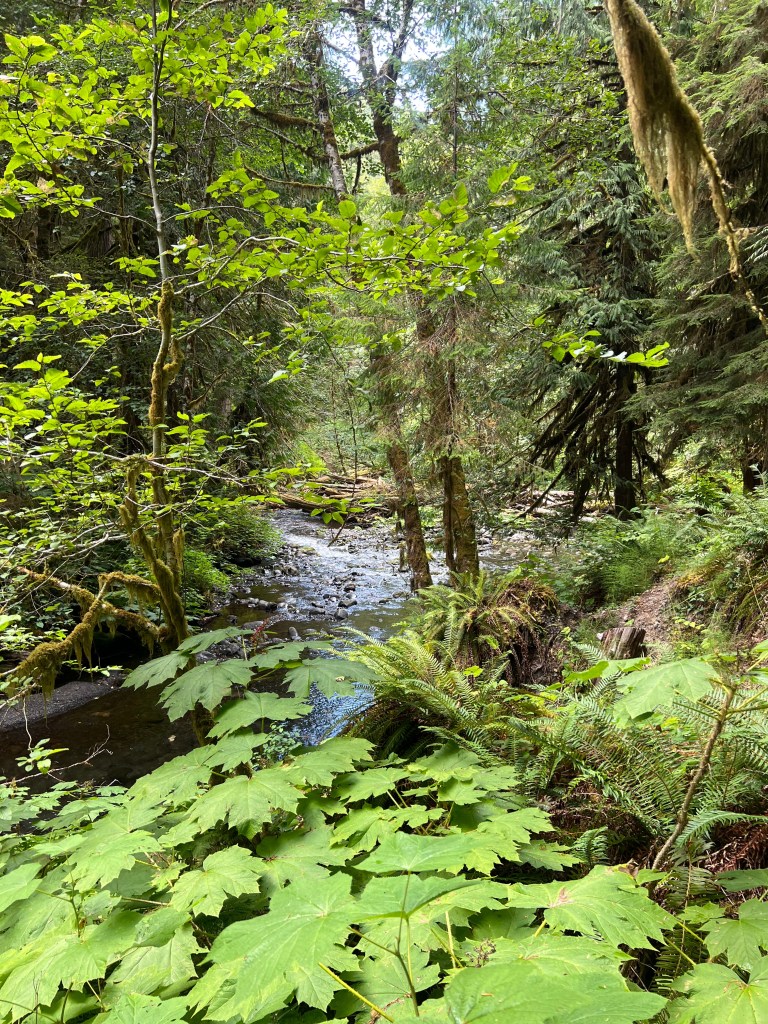
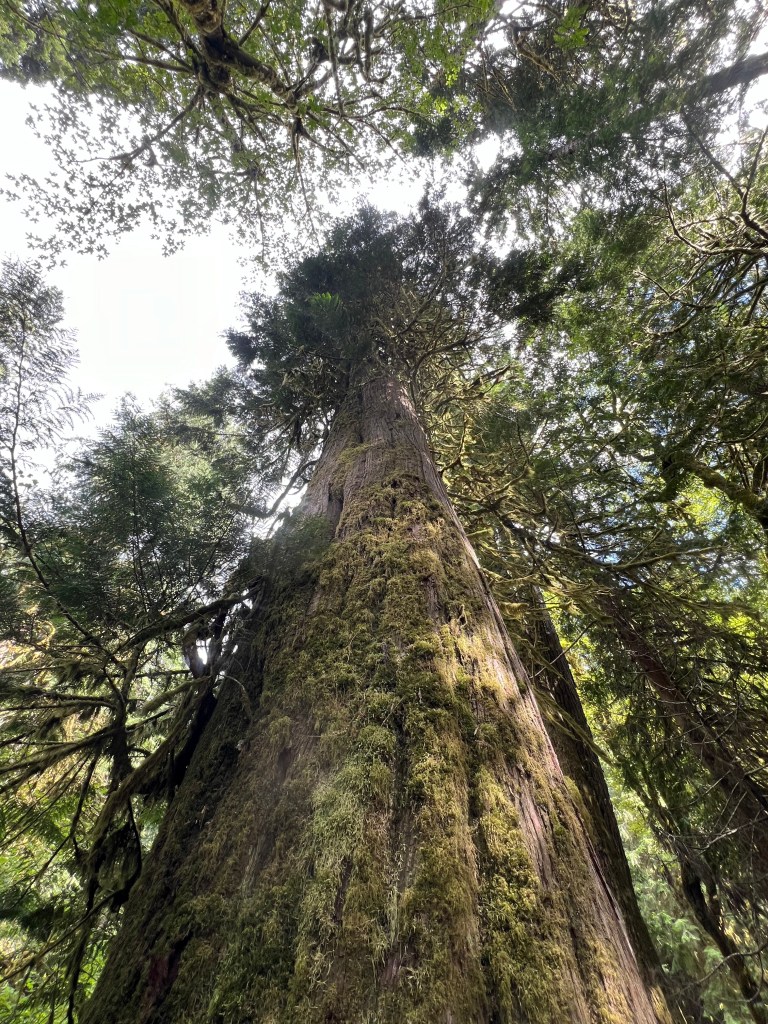
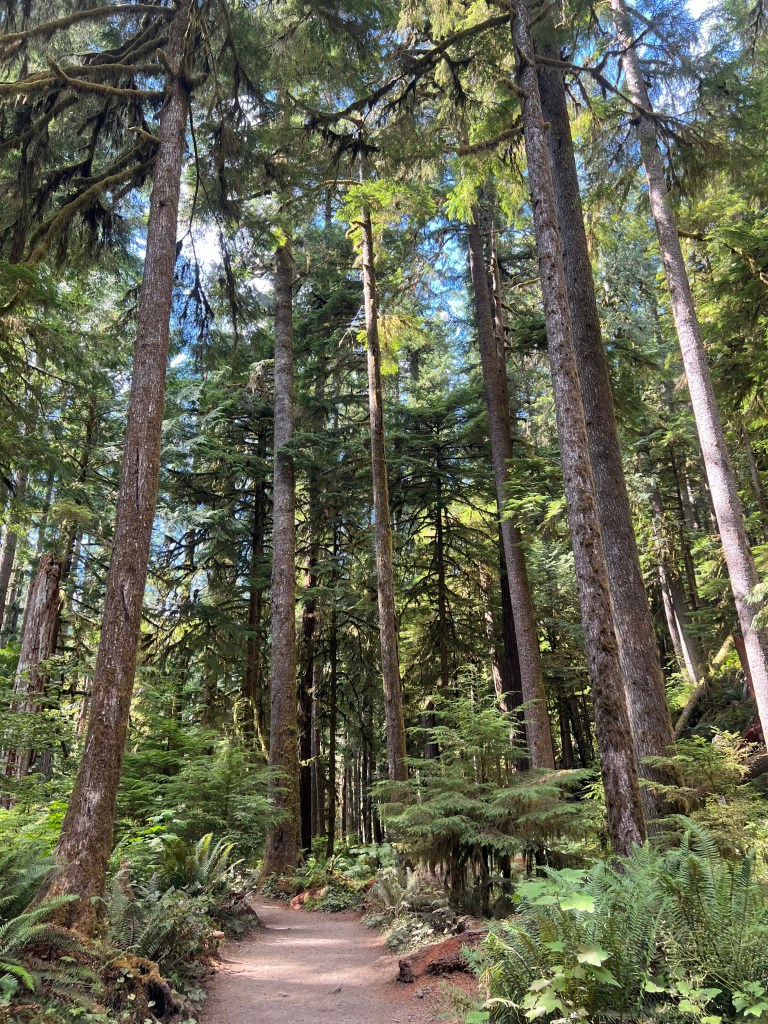
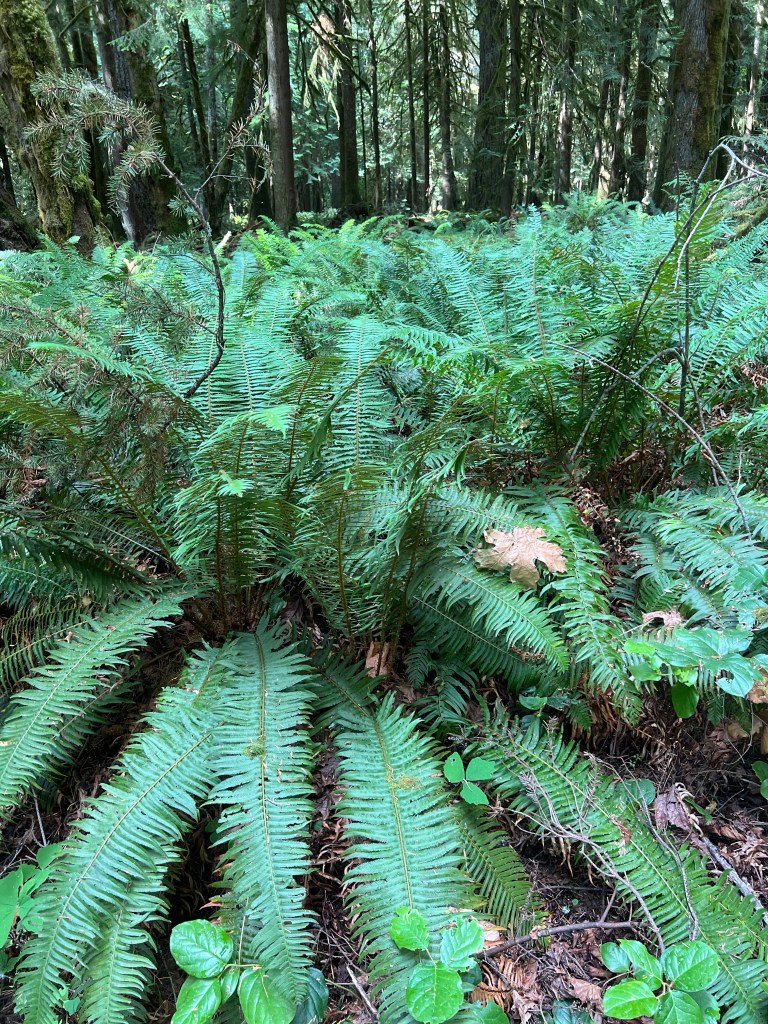
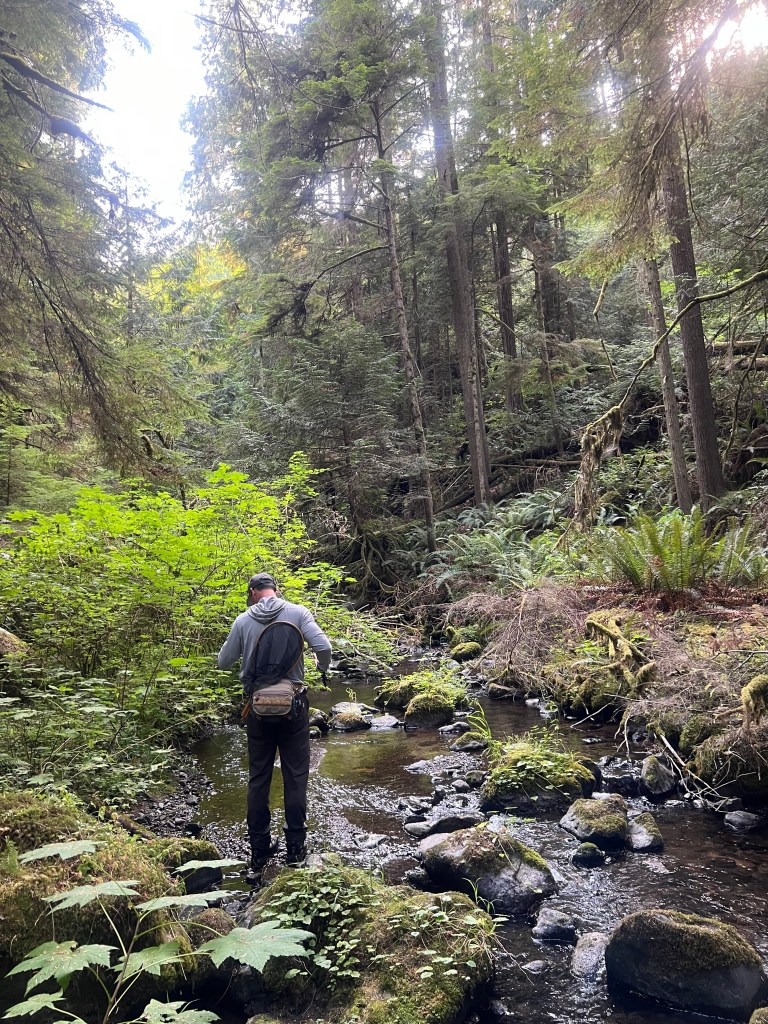
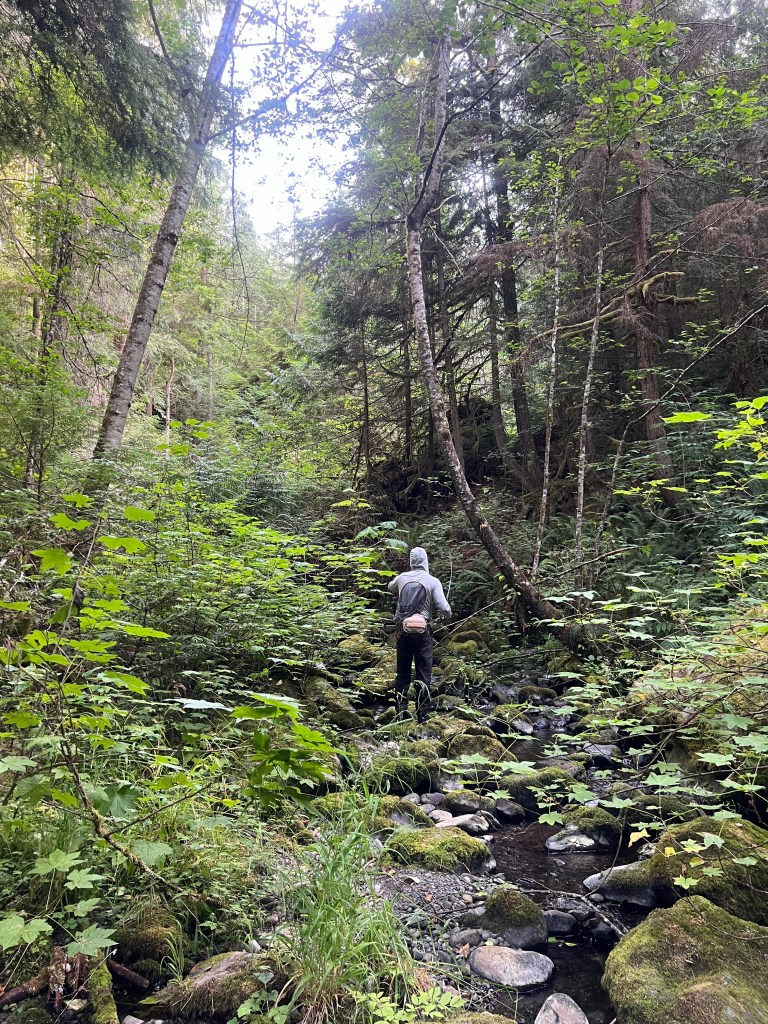
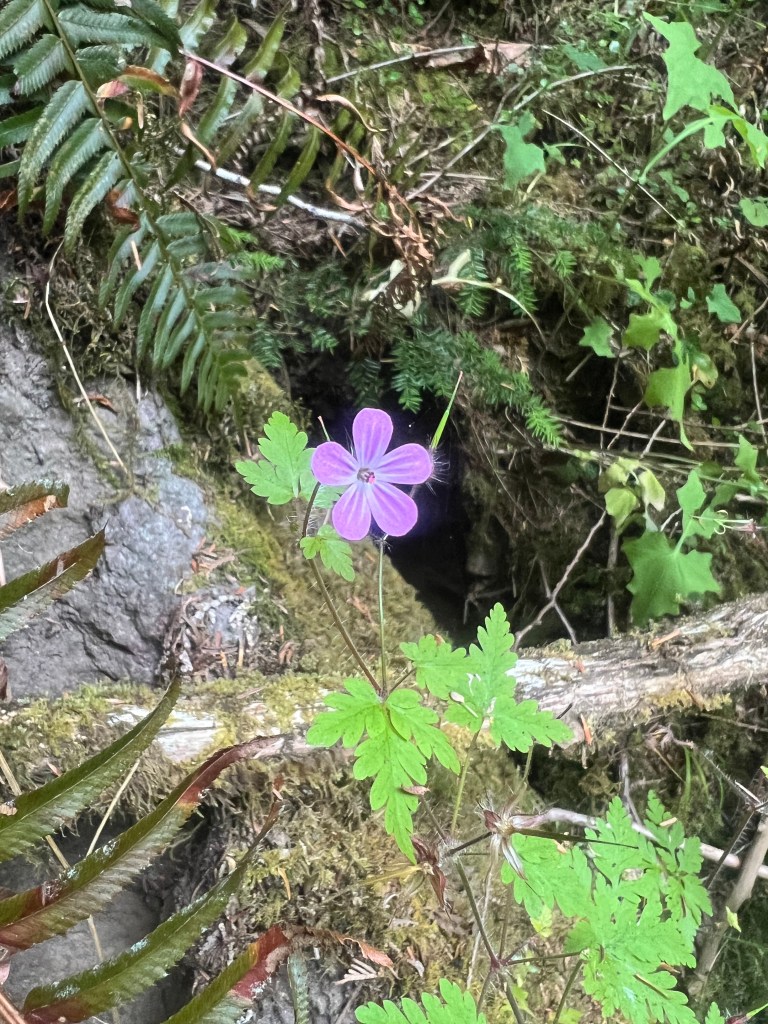
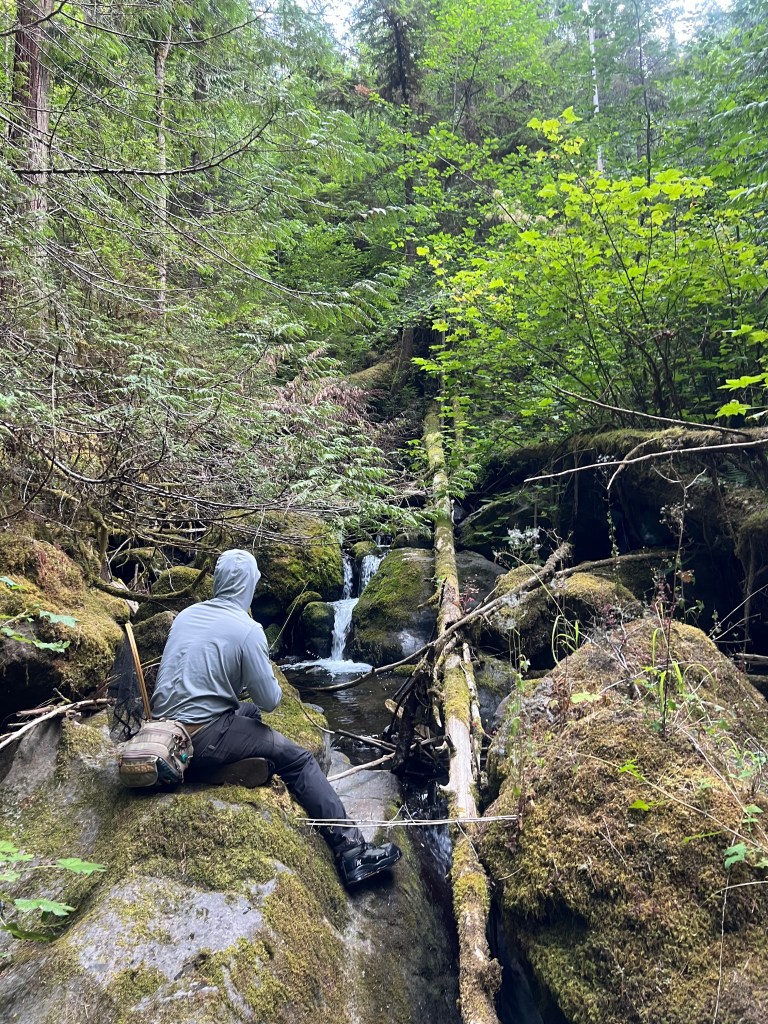
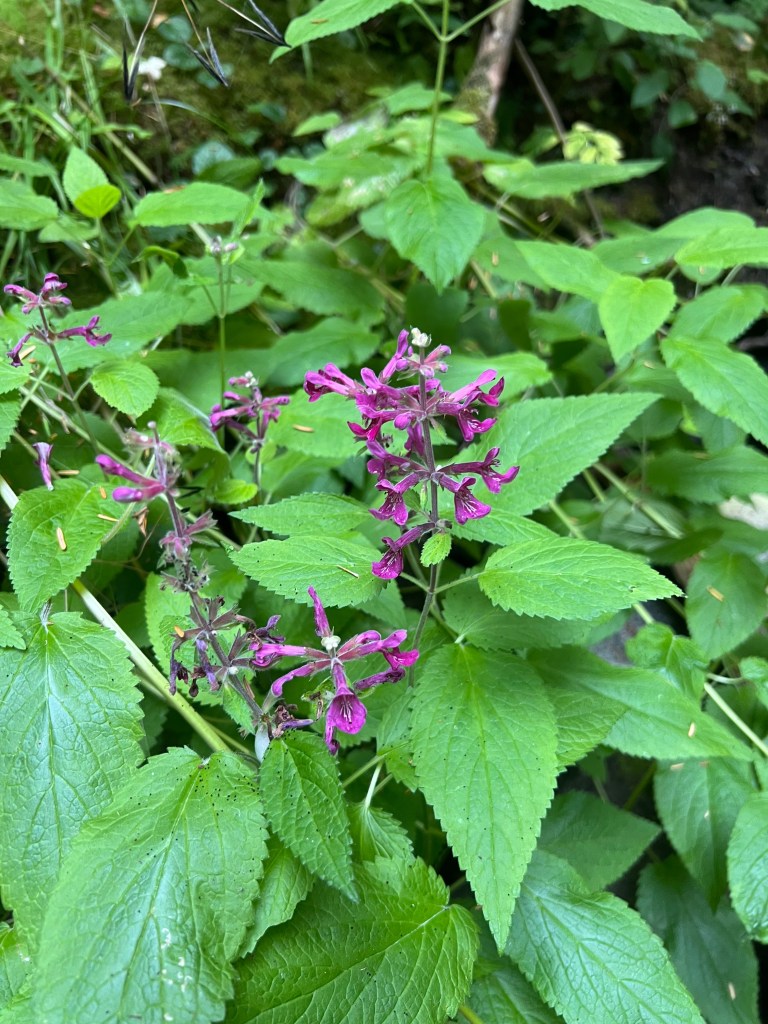
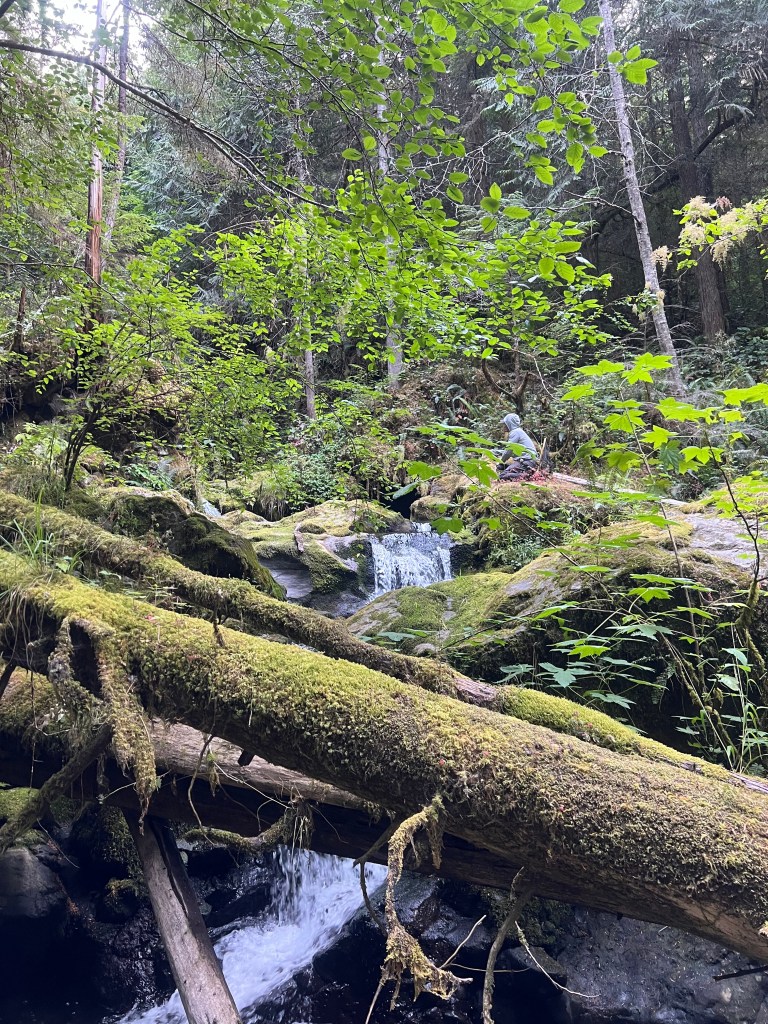
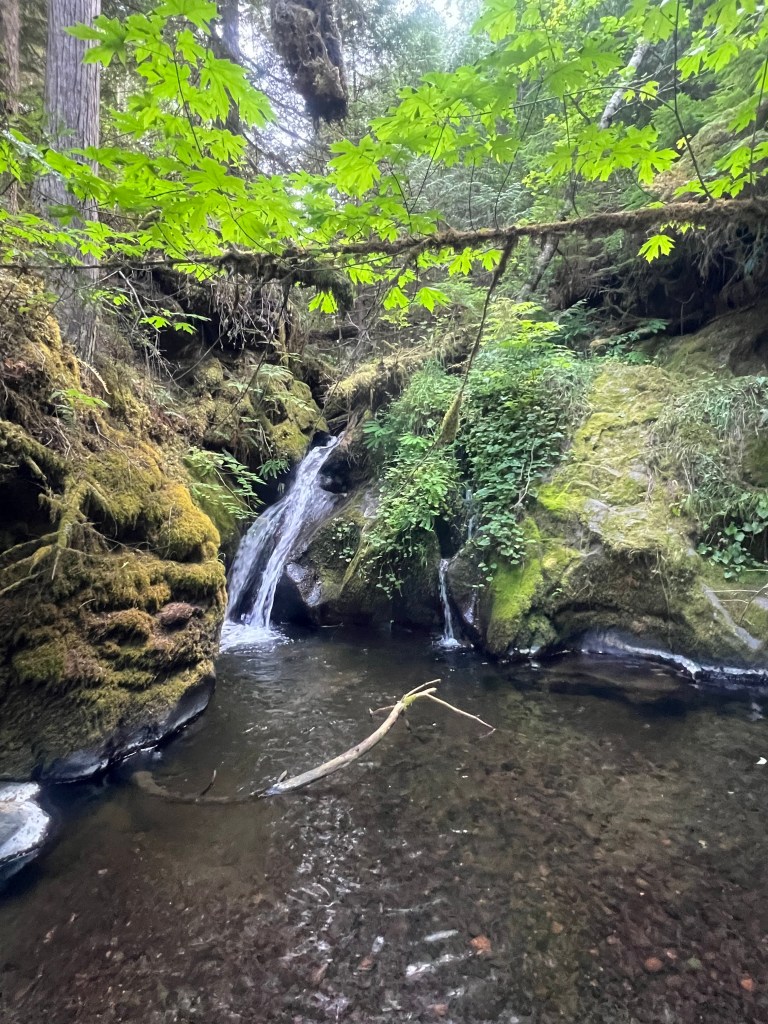
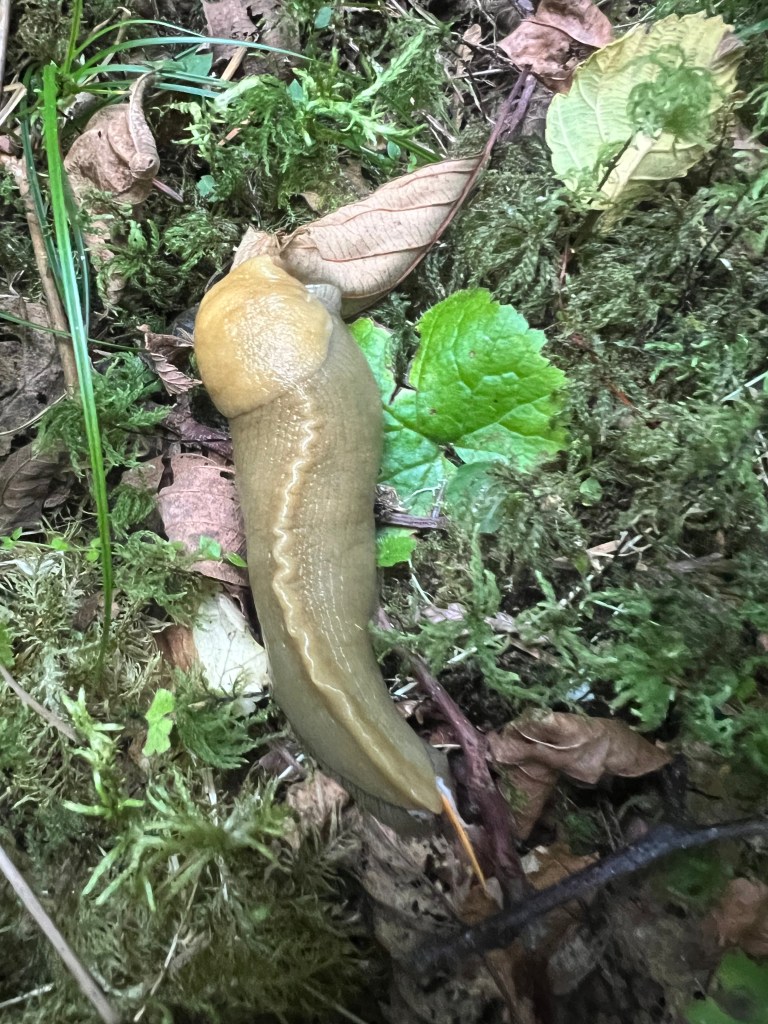
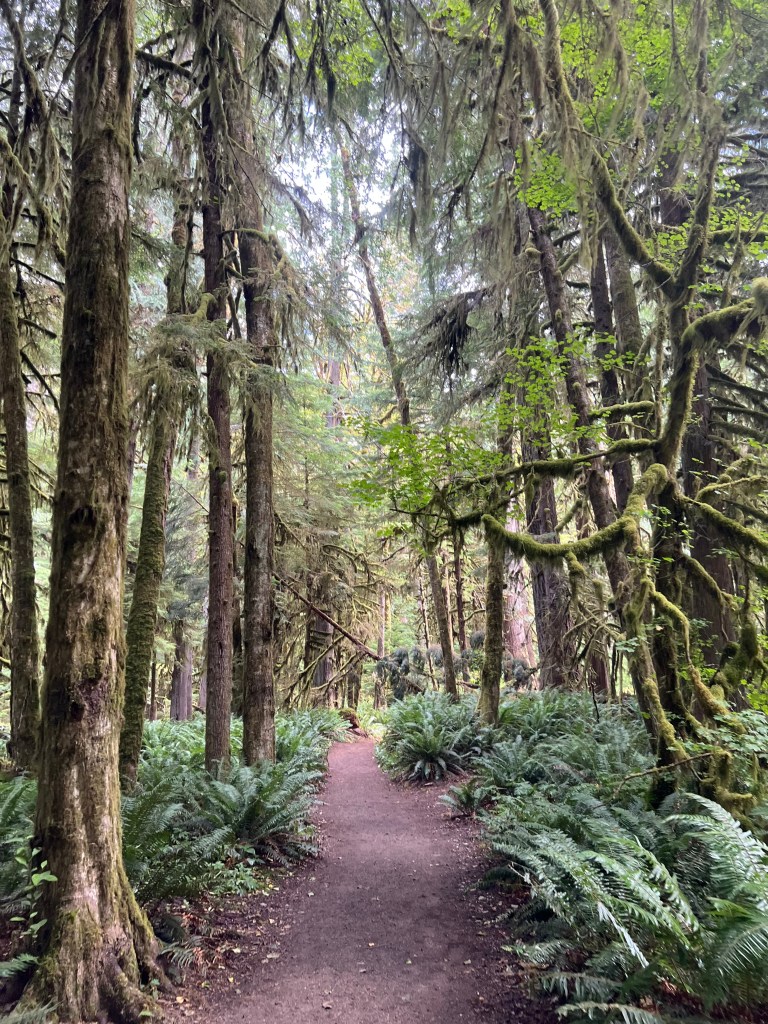
The ferns, the moss, the big trees – I really enjoyed the hike in to this creek. My photos were taken so that you wouldn’t see the other Park patrons, but trust me, they were there. We hiked far enough to where we figured we were beyond where most people would venture and hit the creek there.

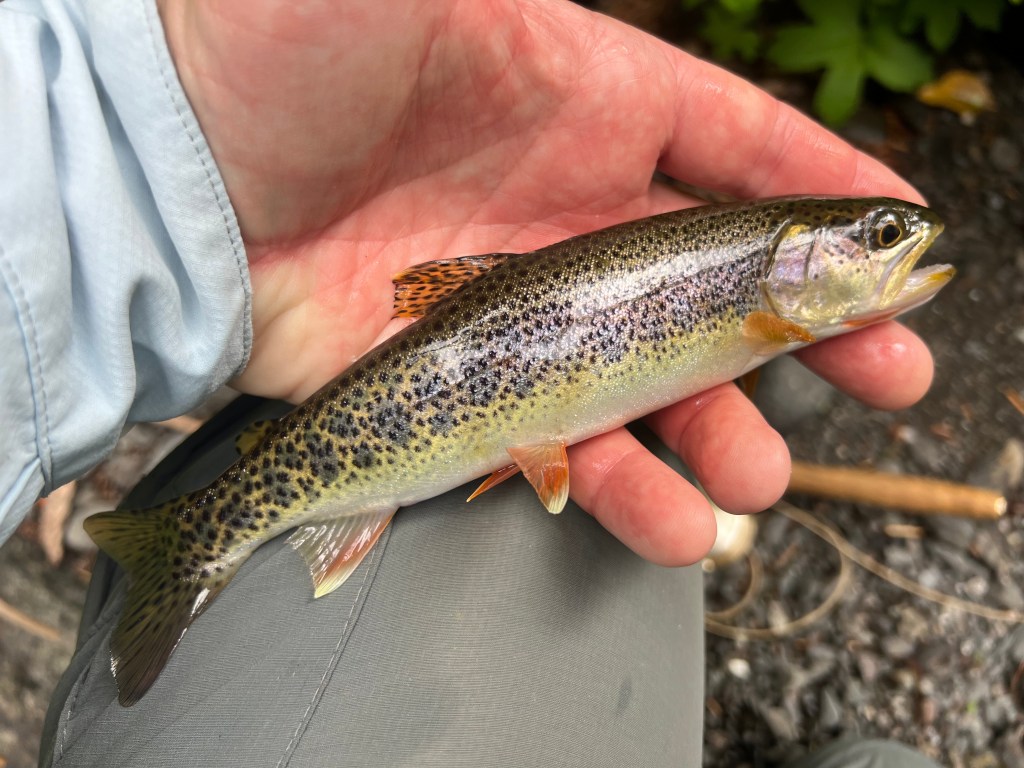
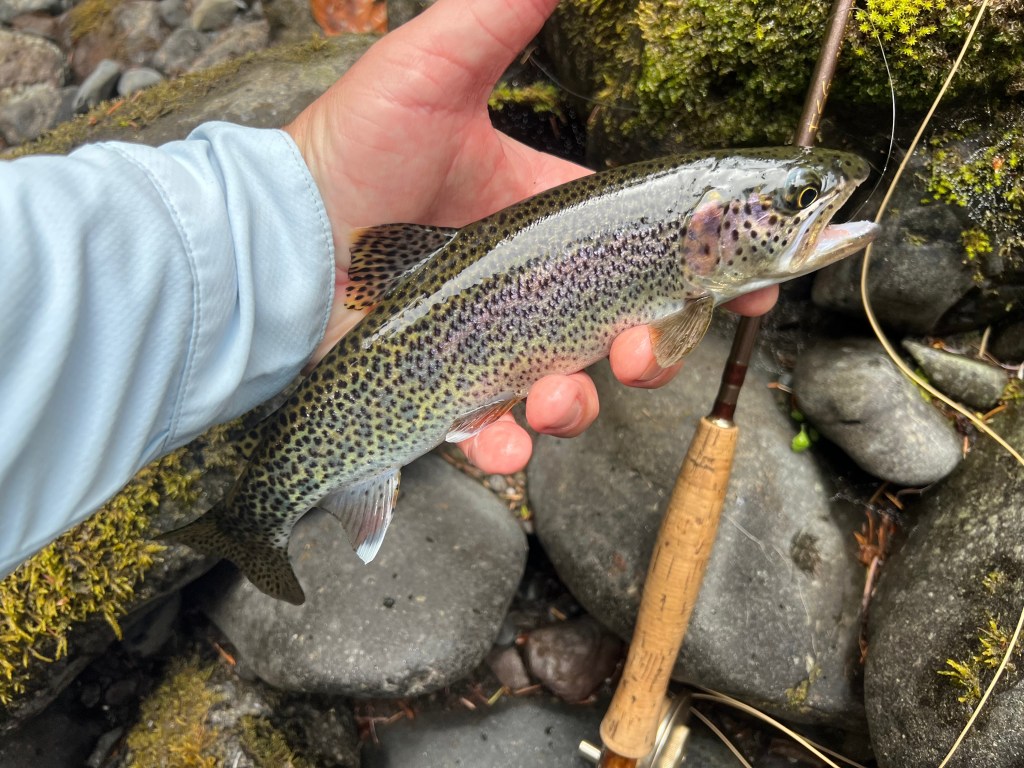
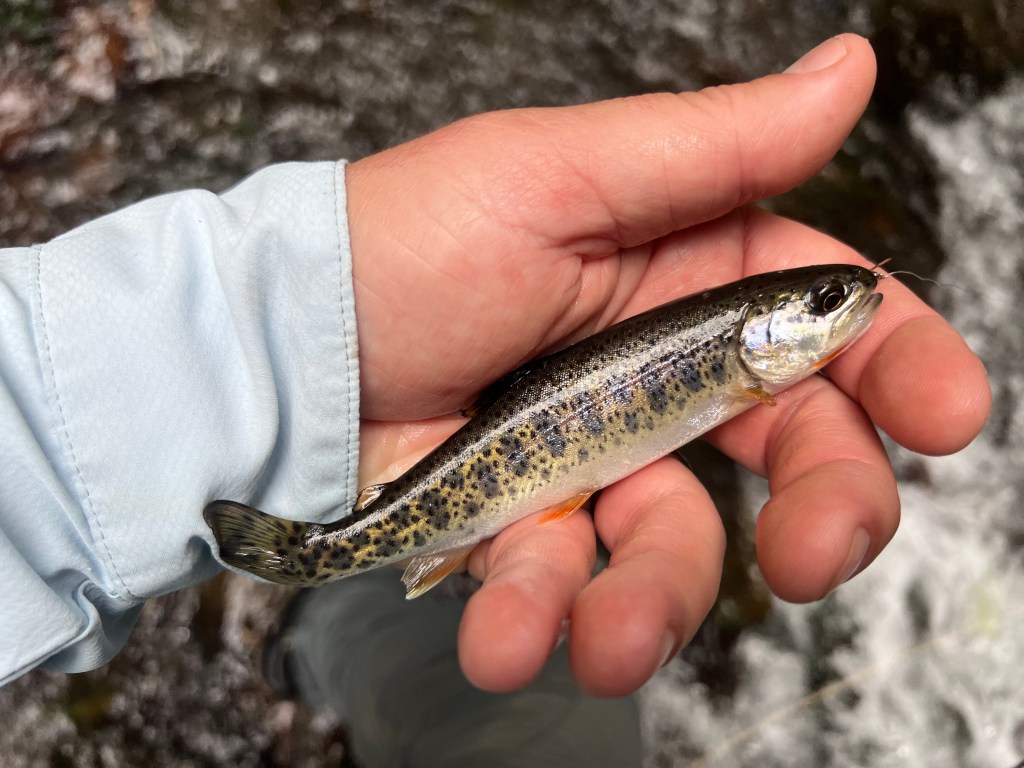
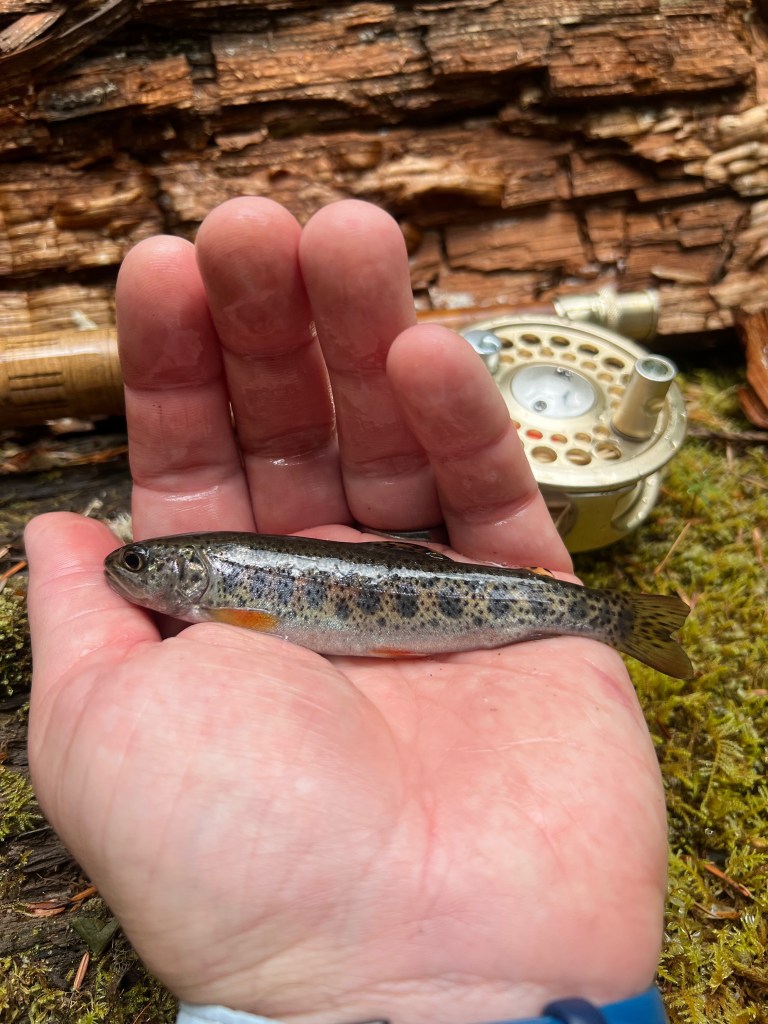
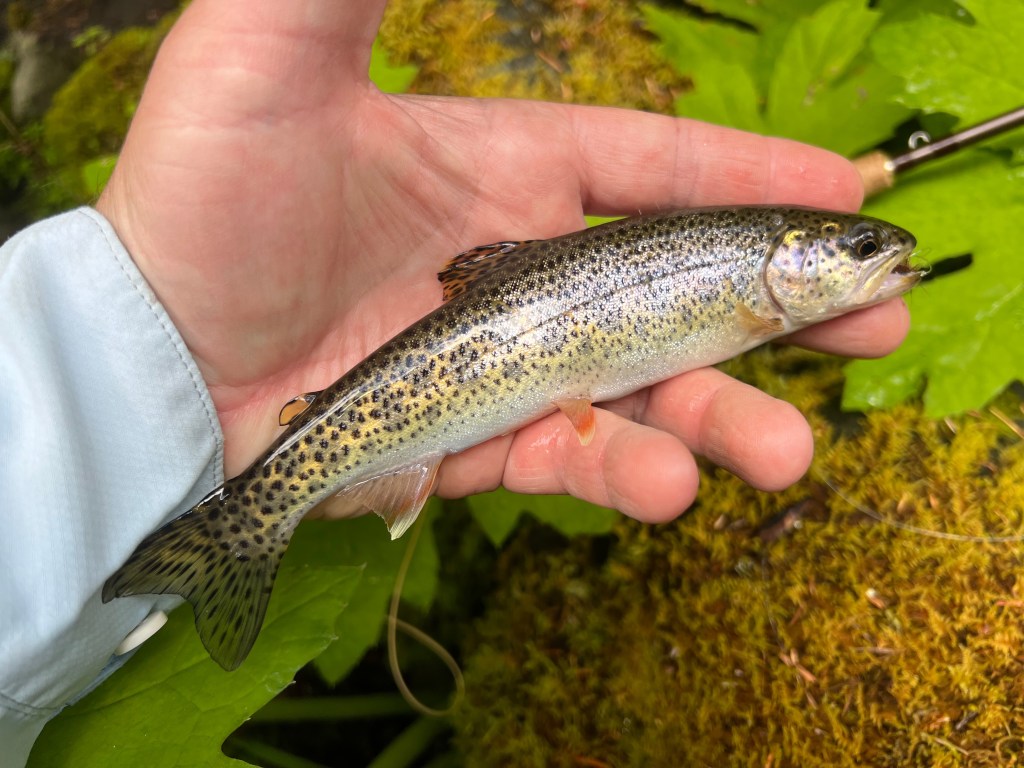
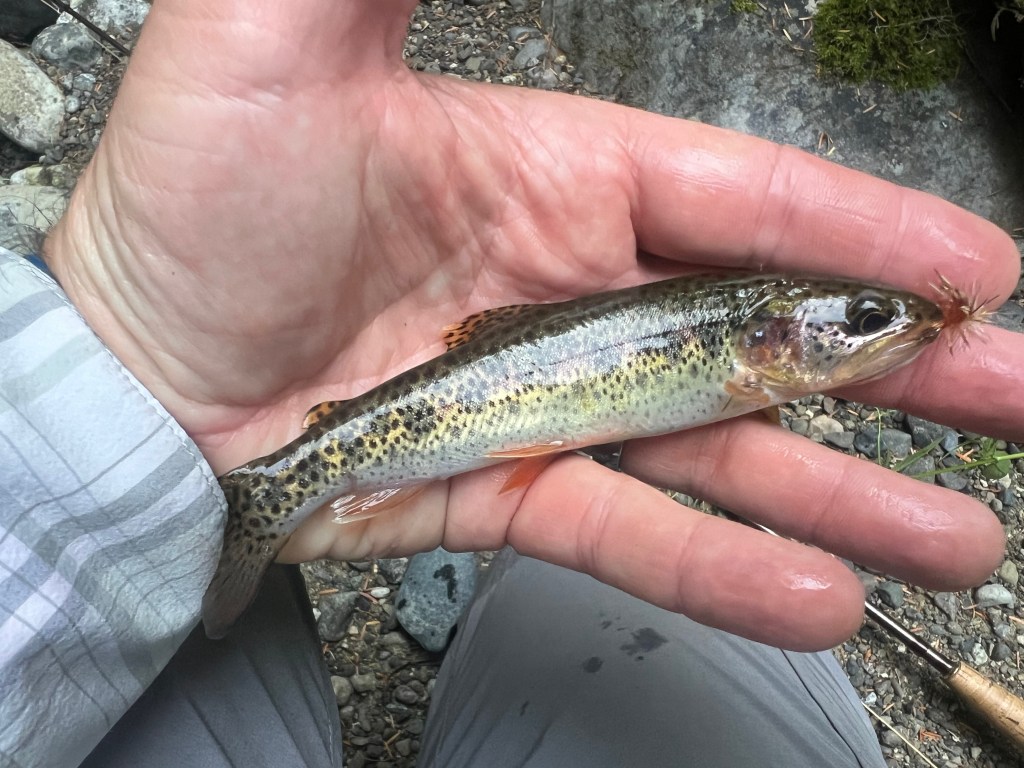
I happened to pop into the creek just upstream of a sharp bend where a large amount of woody debris was stacked up. This was purely by accident, but it worked out in my favor, as everything I know about trout tells me that there were some tucked under this timber pile. It didn’t take long to entice a couple of willing trout out from their hidey hole.

I got a great fight from the second fish, he was probably the largest trout I’d caught on the trip so far. It was a great way to start the day.

We caught a few fish here and there, but the fishing wasn’t stellar, which is usually how it works when you catch fish in the first spot you try. It’s some sort of fisherman’s law that in the moment we refuse to believe in, but as the day progresses you remember. God has a great way of keeping you humble like that. Still, it was an absolutely beautiful creek to have spent a day on. When we met back up with the trail that ran along the creek we were ready to head out.

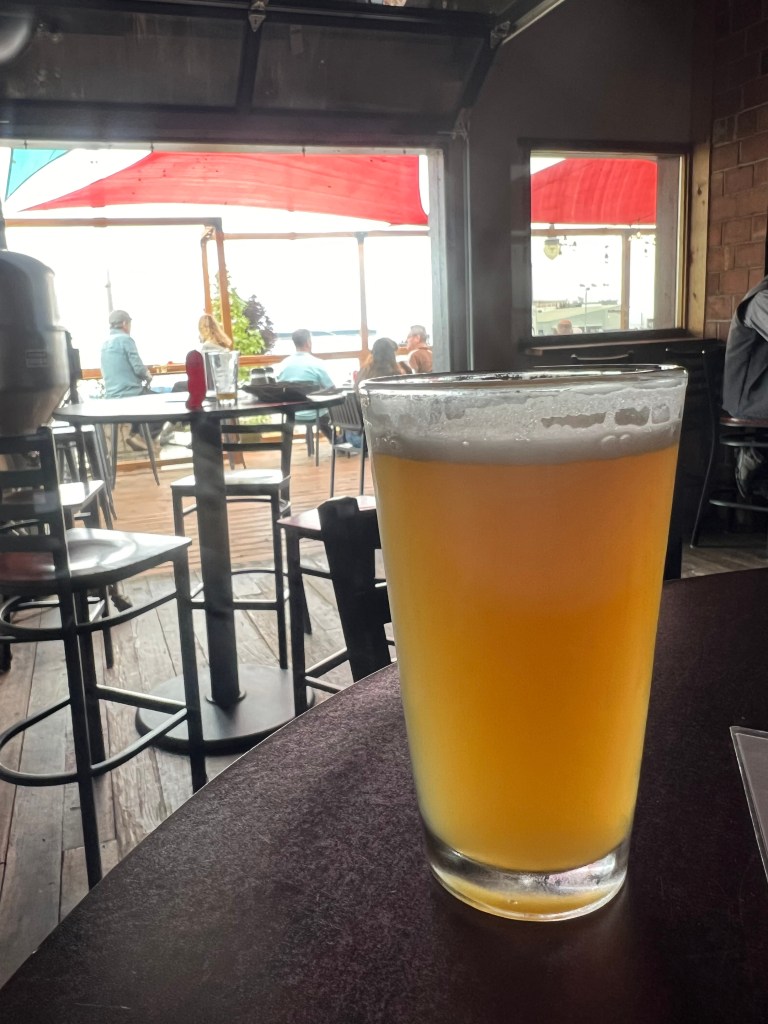
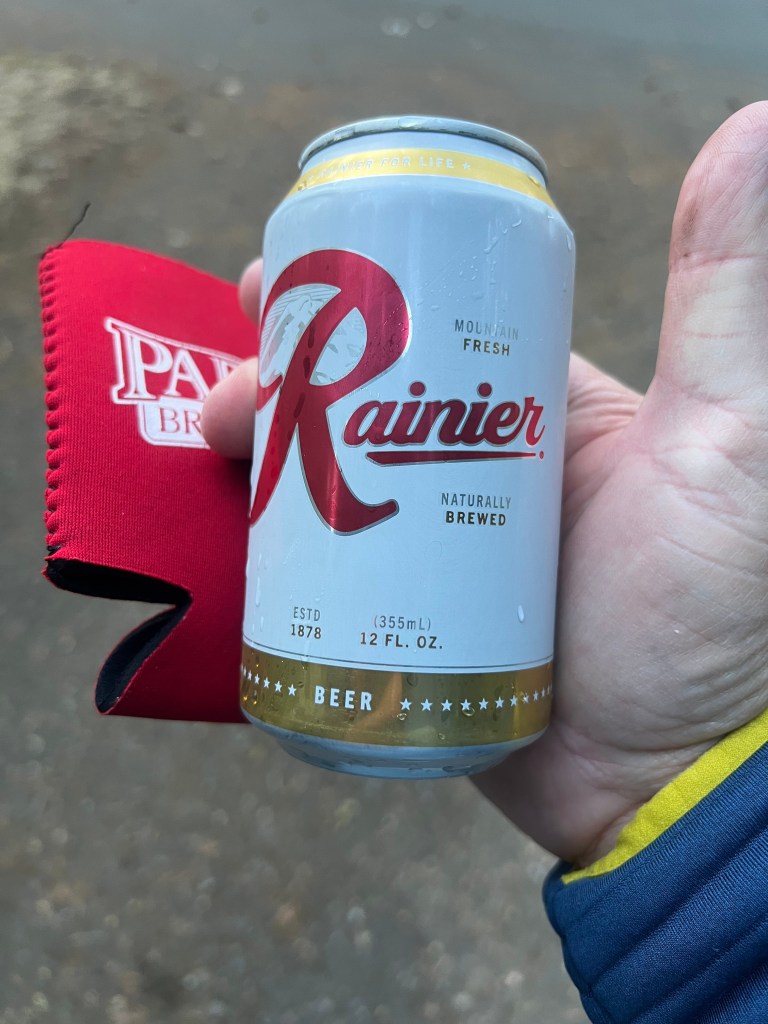
On our way back to camp we stopped in at Waters West fly shop in Port Angeles and got a little more local intel on the fishing – the guy working the front desk was super nice and helpful, it sounded like another angler in the shop at the time had himself a day on another river not far from where we were at. It was another positive fly shop experience, definitely check them out if you’re up that way. We then headed over to Barhop Brewing where, both, the pizza and the beer were awesome. I had left us enough time to try once more for a sea-run cutthroat at some beach access on our way back, but we decided the better option was more beer back at the camp.

Blake and I took a trip last August up to the Olympic peninsula in Washington. We weren’t in search of steelhead, or salmon, but rather coastal cutthroat trout. Obviously, a salmon, or steelhead, would have been pretty badass to catch, but I really just wanted to experience fishing a temperate rainforest – or at least on the fringes of one – and catch the oldest form of cutthroat trout. I’m also not interested in taking trips to not catch fish, so steelhead aren’t high on the priority list as of right now.

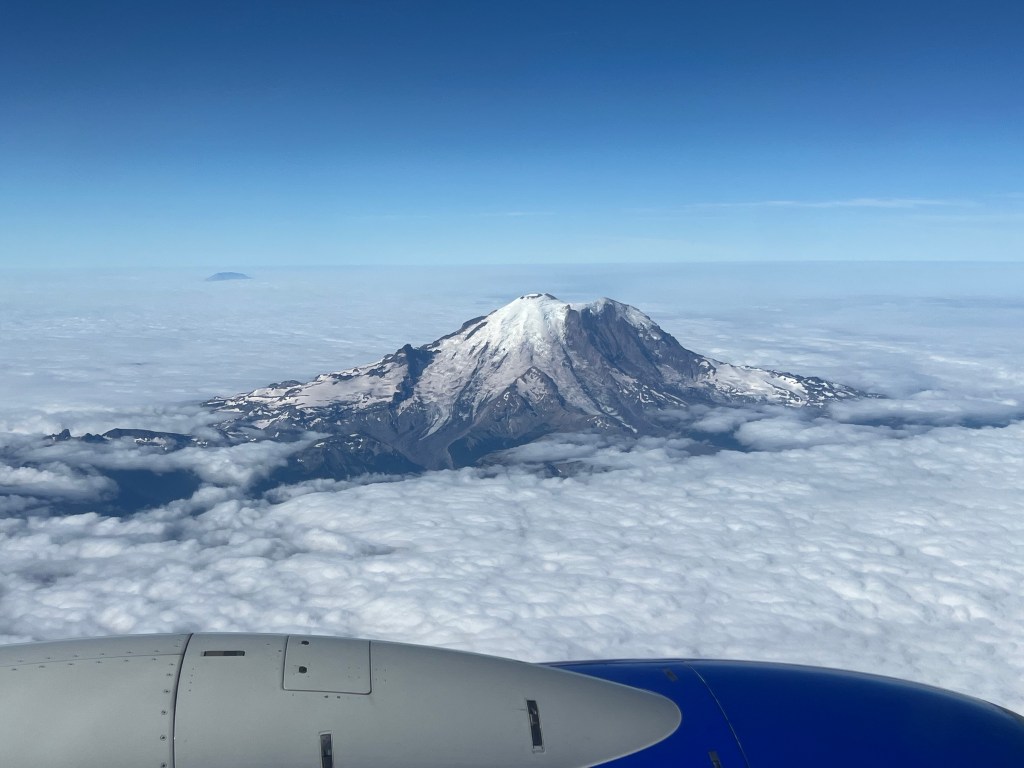
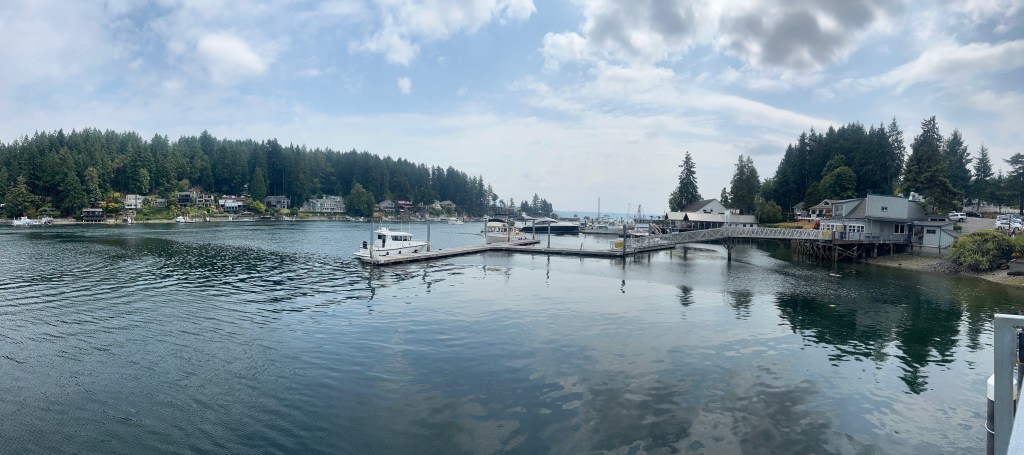
We got a pretty good look at Mt. Rainier on the flight into Seattle – this was my first time going to Seattle so this was a pretty cool site to see from the plane – a dormant volcano rising above the clouds. We picked up our Turo rental and headed to Gig Harbor – where we had lunch and made a stop at Gig Harbor Fly Shop. The young guy working was nice and as helpful as he could be being that they weren’t located on the Olympic peninsula so he didn’t get that way too often. The big takeaway for us was that he made it sounds like catching resident coastal cutthroat wouldn’t be too hard so long as we were on streams that had them. This is pretty much how it goes with native blueline fish everywhere, which is one reason I like them so much, they’re always hungry and generally not that picky. Lunch was good too and Gig Harbor was a cool little seaside town, but we weren’t staying long as we wanted to set up camp and try and get out and fish before it got dark.

For this trip we decided to set up camp in one spot and just venture out from there. Our home base for the trip was Sequim Bay State Park. I picked that spot because I figured camping in the rainshadow part of the Olympic peninsula was probably a good idea and we weren’t that far from streams on the northern and eastern side of the peninsula. I was a little worried that being so close to the highway we’d hear road noise all night, but that wasn’t an issue at all. It was a beautiful little park, right on Sequim Bay, and ended up being a great spot for the whole trip. After we set up camp we set out for the Olympic NF to get some time on the water that evening.

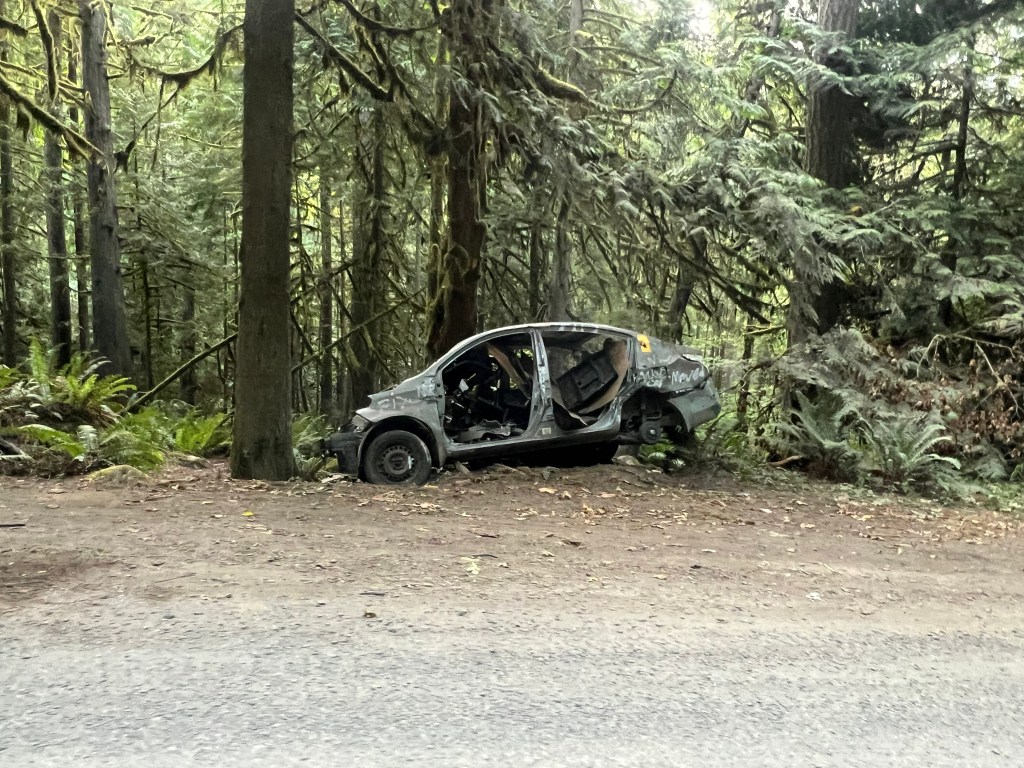
I’m so used to having to go high in elevation to fish for trout that these Olympic peninsula trout were throwing me off in my planning because that wasn’t the case here. We didn’t need to go high in elevation as they also live in the estuaries – they’re found throughout the entire system. That’s a wild concept to someone from the south, lol. So we drove into the national forest and headed for a creek we were told had them, parked at the first spot I could find, then hiked down to the creek. In hindsight I may have wanted to be a bit more discerning when it came to parking spots, as there was a small RV parked in a spot much further ahead, but I was eager to fish, and wasn’t sure the parking/hike-in situation further up. One would think seeing a burned out car right when you cross the forest service boundary would be a deterrent, but man I was itching to get on the water!
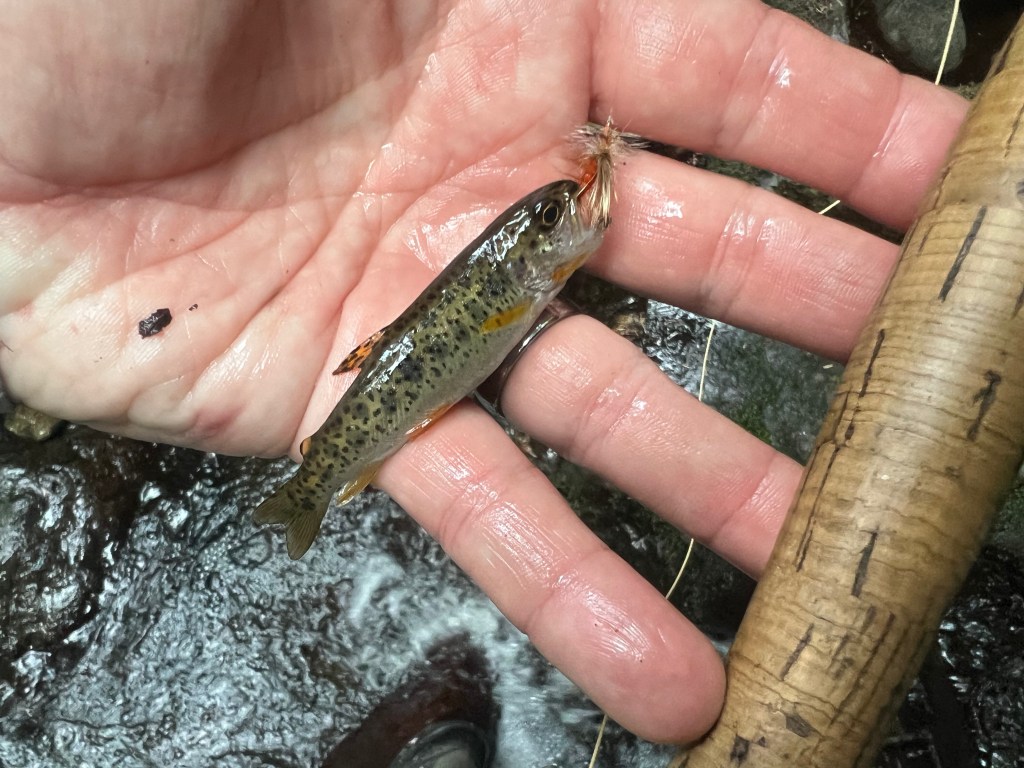
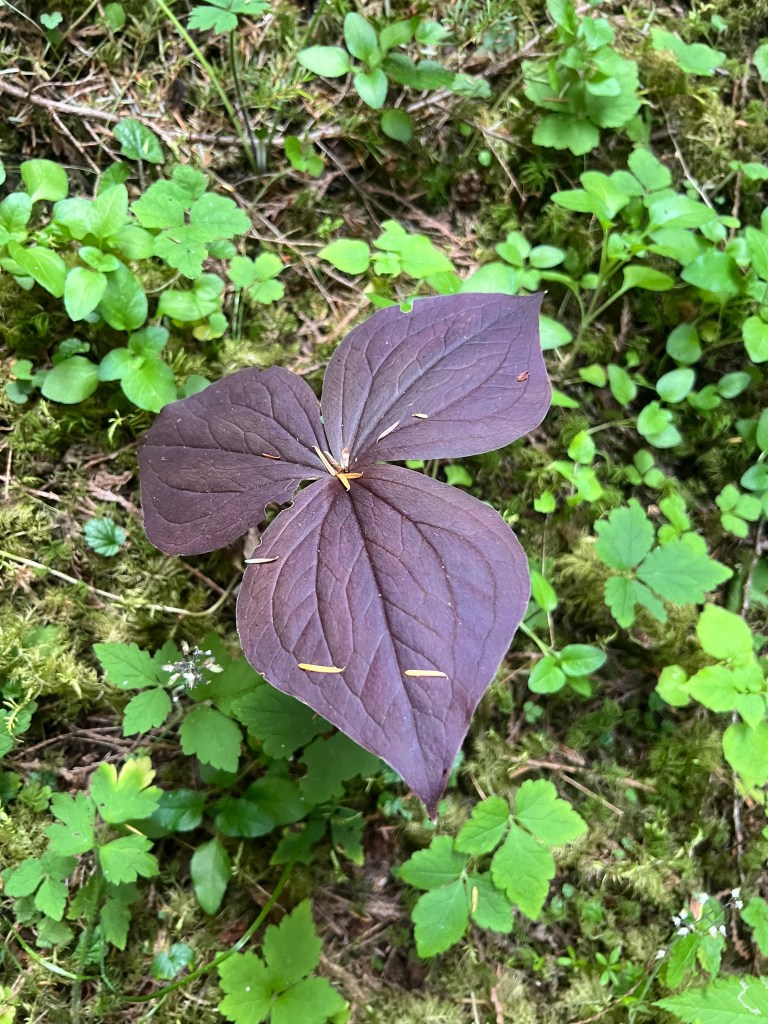
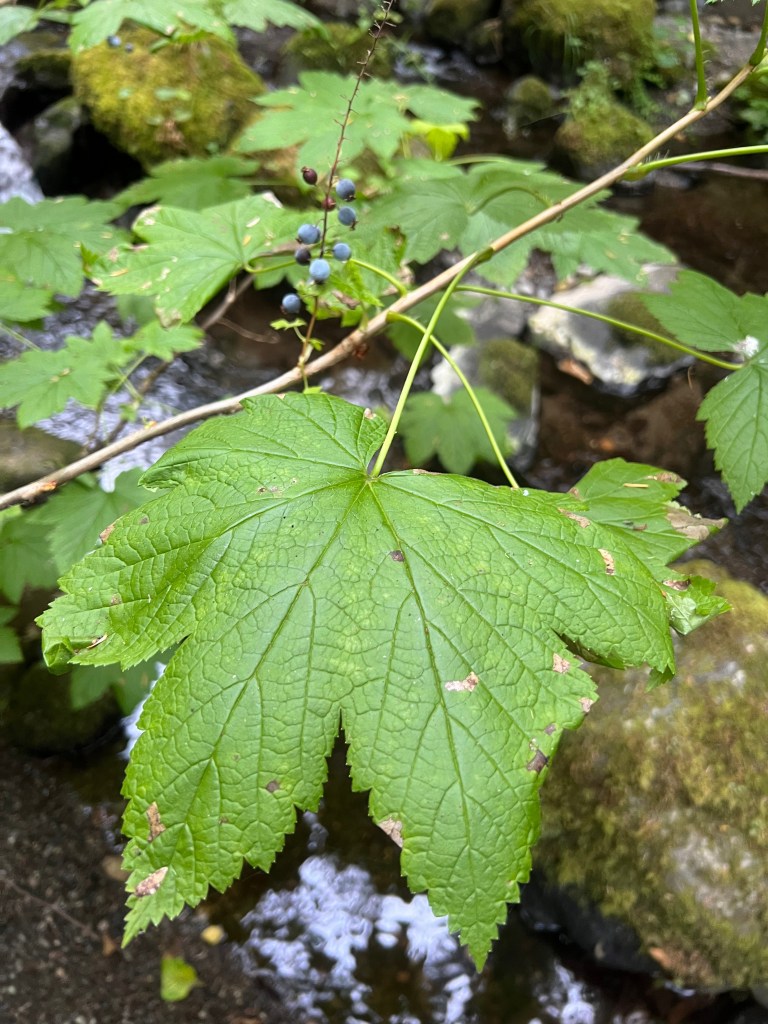
When we made it down to the creek it was pretty clear this was going to be some tight, technical fishing. The water was pretty low and clear as well. This seems like pretty typical late summer conditions in any mountain range. Honestly the creek didn’t seem that different than those you fish in North Georgia, so I really didn’t feel too out of place here. The forest felt different though – the plants were certainly different than what you’d see down south. The forest floor was porous too – bushwhacking in meant stepping through the ground in places – that’s how much organic material was on the ground, kinda wild stuff.

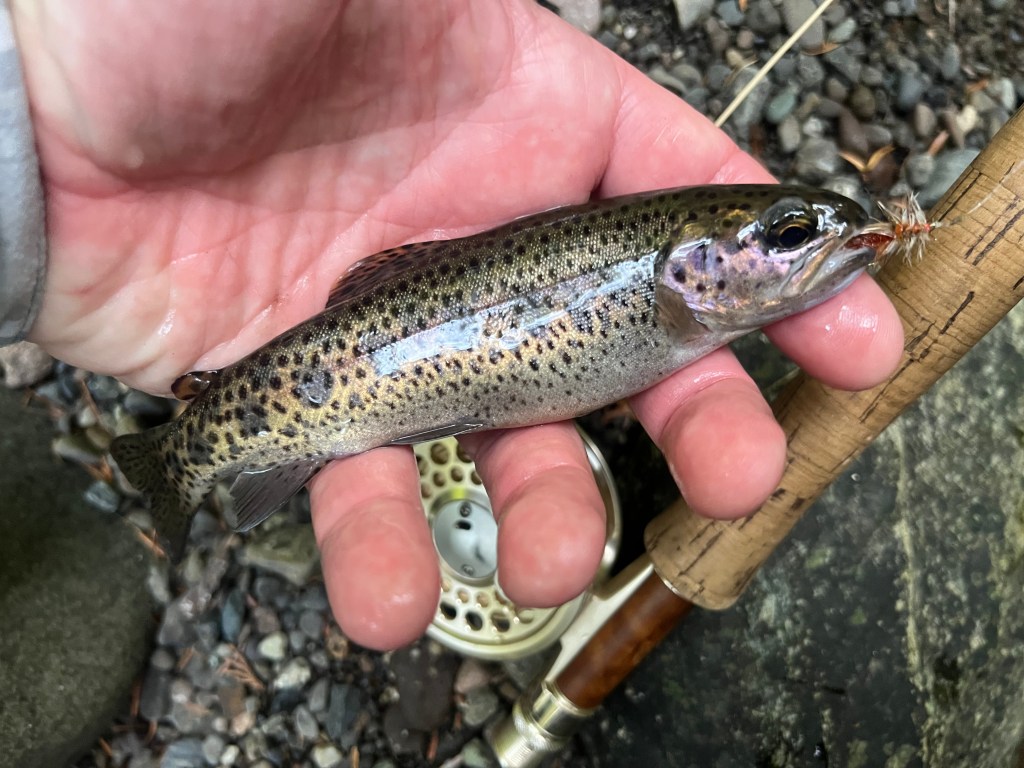
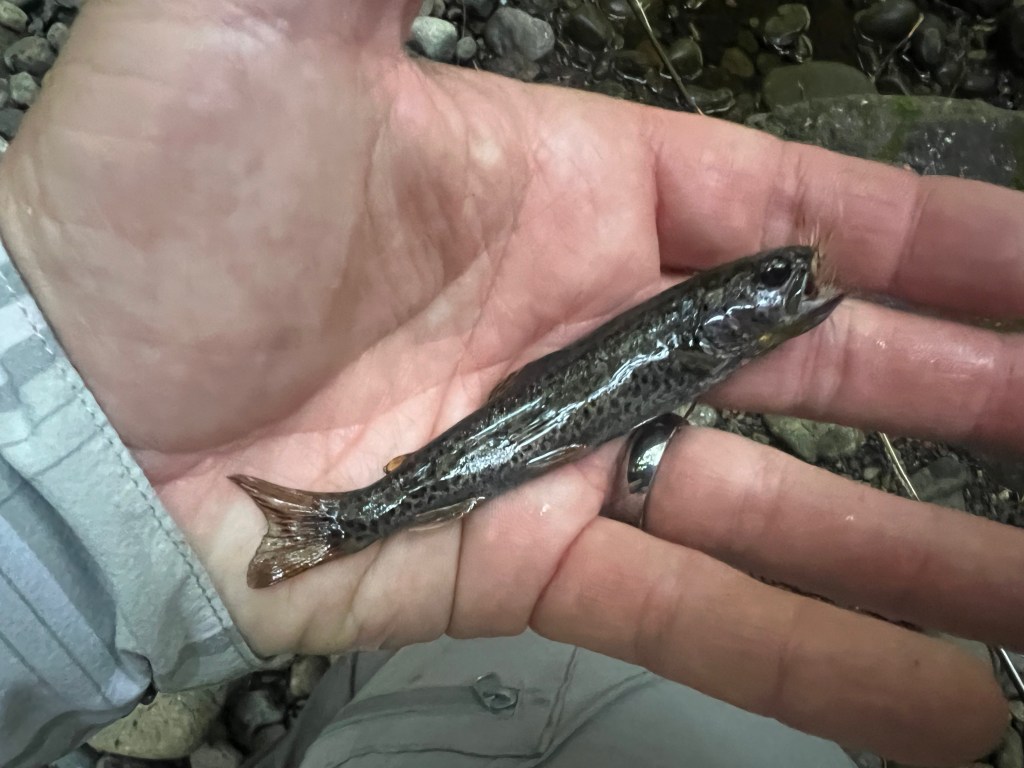
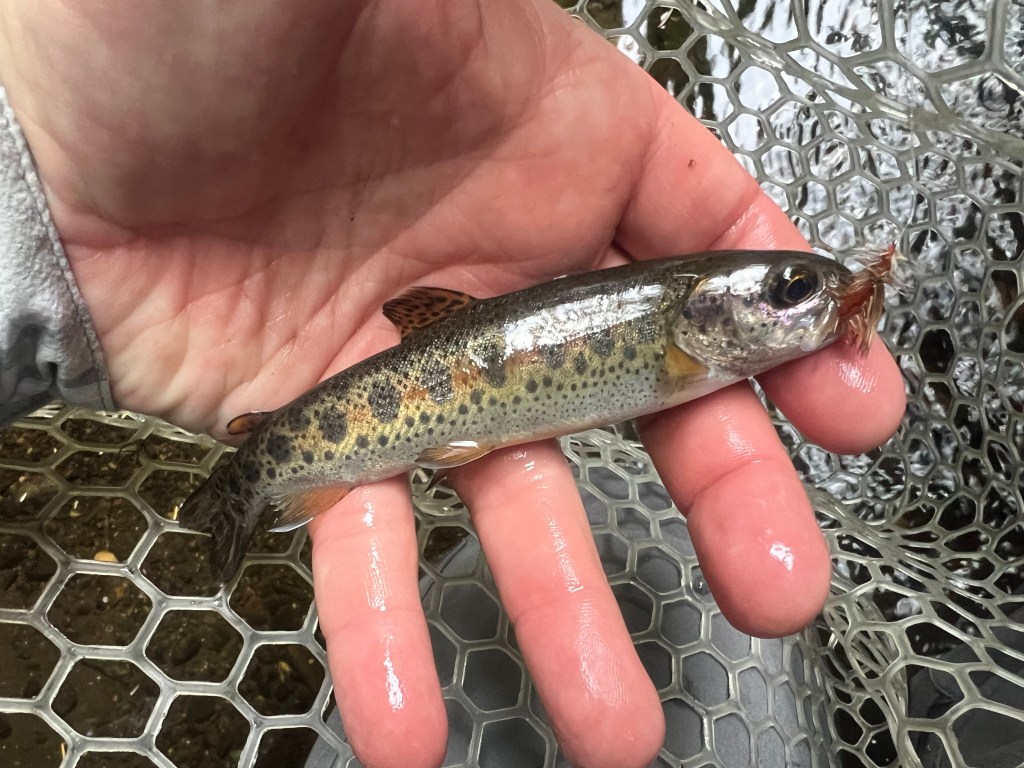
I caught a little trout pretty early on, that I think was a coastal cuttroat, then followed it up with a slightly bigger fish, but I honestly couldn’t tell you if it was a pure coastal cutt, or if there was some rainbow trout genetics here. I followed that up with another small salmonid that I honestly don’t know what it was – I’m just realizing this now as I’m looking back at the pictures, lol. There were lots of little fish here, but catching something is always better than catching nothing, so I was pretty happy about fish rising to take dries.

The stream elevation started to increase and with that the waterfall/pool complexes did as well, but we made it to a section of the creek that just really weirded us out. We started noticing a bunch of homemade shelters on the side of the hill and there were some obviously well worn paths around this part of the creek. I even found a stash of supplies. I was guessing we had made it below where the RV was parked. Seeing as how it was getting late anyway and we weren’t really interested in making new friends with anyone who may call this spot home, we decided to hike out. The easiest route out would take us right up to where the RV was parked, which in hindsight probably wasn’t very smart on our part, but thankfully no one was outside. As we passed Blake pointed out the Narcan packaging sitting out on their camp table ready to be put to use! It really did feel a lot like North Georgia up here after all, lol.

We caught some fish and made it back to the campsite without issue – so first day was a success. Tomorrow we’d try to catch some “no doubter” resident coastal cutts, hopefully a little bit farther away from civilization.