Archive

Tag Archives: Rio Grande cutthroat trout

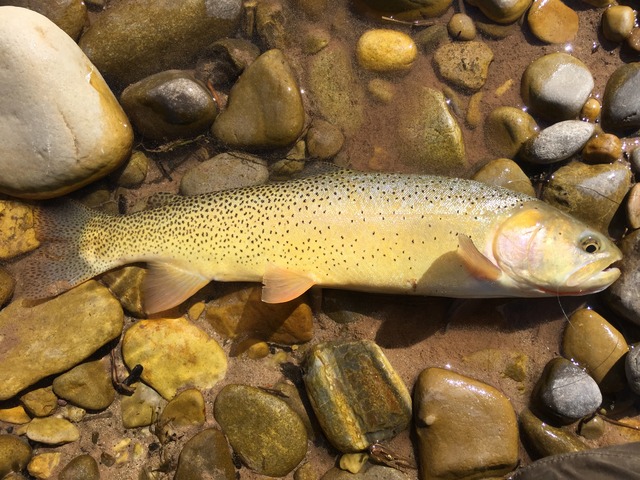
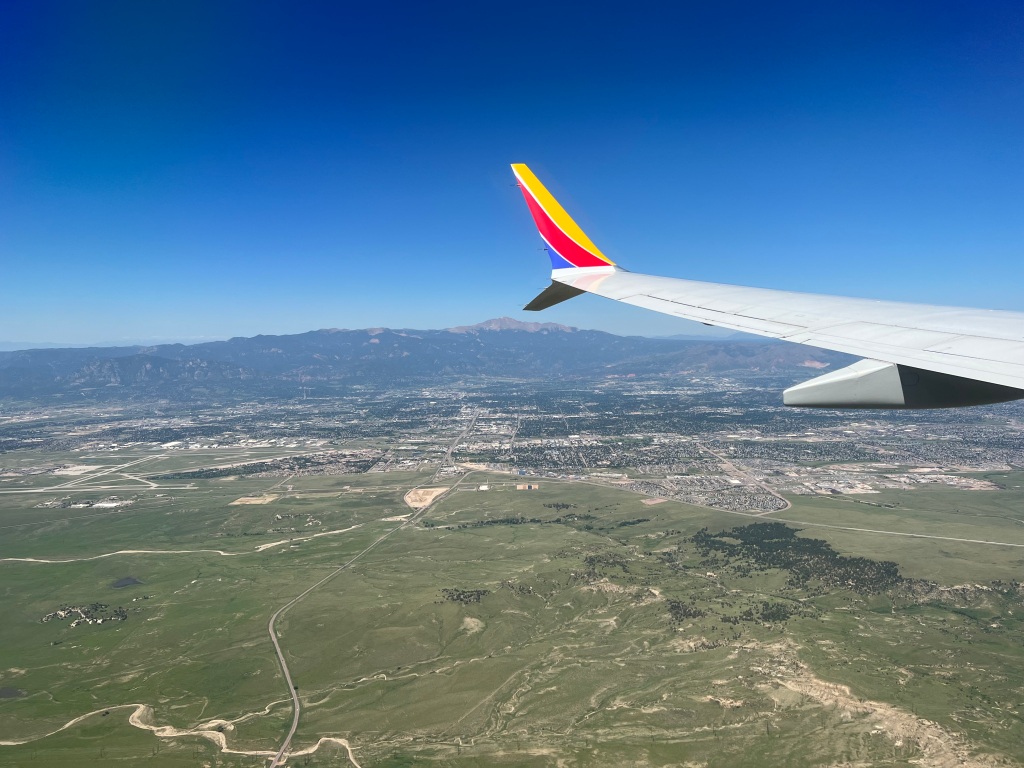
Blake and I flew into Colorado Springs in July to target Rio Grande cutthroat trout and finish out the New Mexico trout challenge we started a couple years ago in the southern part of the state with the Gila trout.

I used a mix of sources to plan this trip out, but New Mexico Game & Fish and the Western Native Trout Initiative make it very easy to find where you need to go to target these fish. I’ll be very honest and admit that it takes some of the fun out of it with how free and available information is to find these days. This is not necessarily a complaint because the more people that care about the fish the better and the only way to really care about something is to experience it, so in that way the available knowledge is appreciated, but the process just isn’t the hunt that it used to be. I can pretty much figure out in a night what use to take me weeks. It’s still rewarding to put in the effort to travel out and catch something you’ve only seen online, I don’t think that will ever change.

We started our day with a stop at The Drift Fly Shop in Pueblo and the guy working behind the counter couldn’t have been any nicer. He wasn’t able to give us much intel on the area we were headed, but he was very pleasant and engaging. We stopped at another shop later in our trip that was in the area we were fishing and we didn’t get that same feeling. It was pretty much just a big circle jerk of guides who looked at us like we just broke into the place. There was one young guy that sold us flies who at least tried. I just hate when fly shops give me bad vibes, I mean we all enjoy the same thing, why would my presence put you off? Fly shops can go either way in my opinion and if you’ve got a good local one take advantage of it.

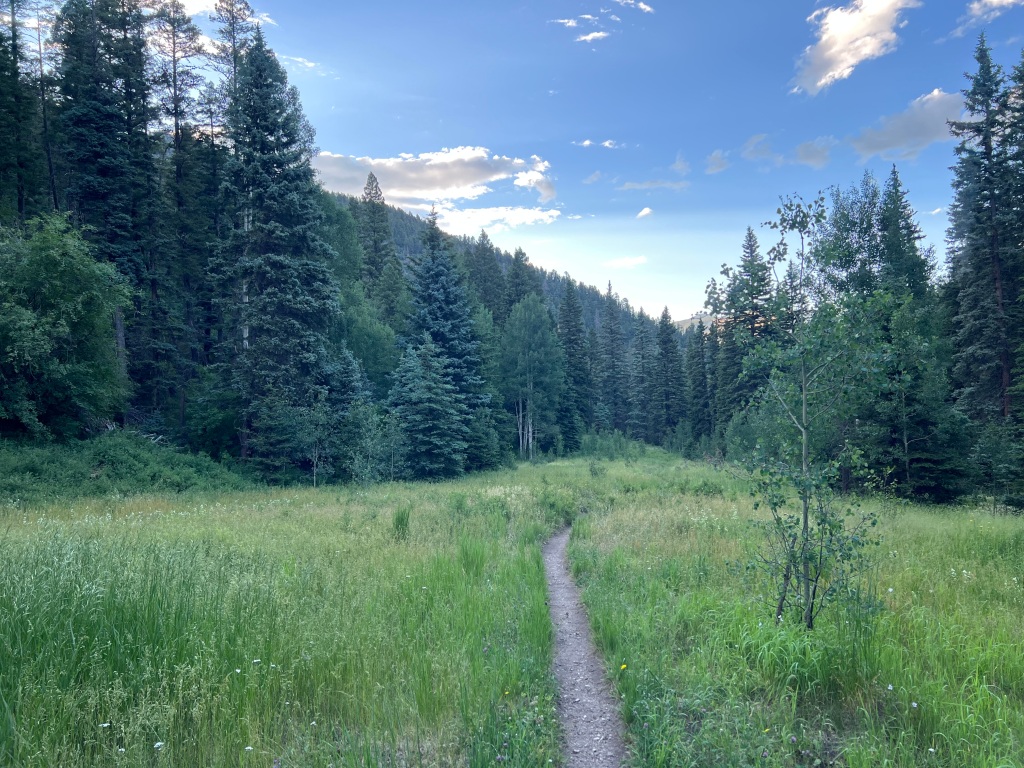
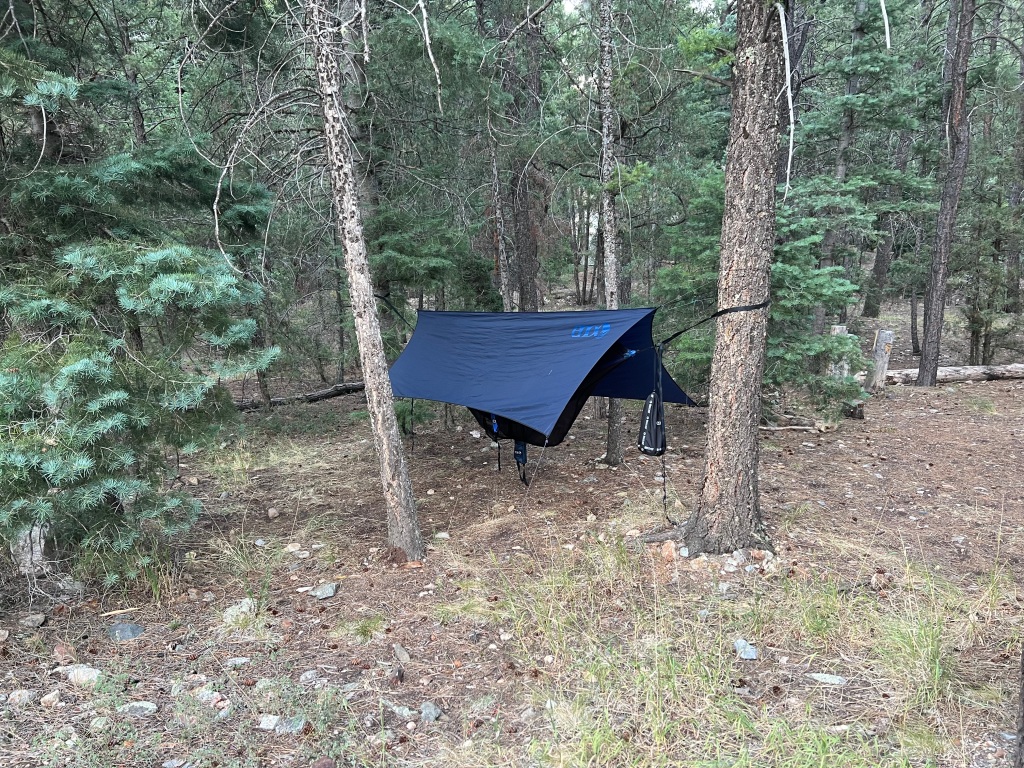
After the customary Wal-Mart stop for supplies we continued onto our destination, which was in northern New Mexico, where we set up camp and then hit the nearby trailhead to hopefully take us to some RGCTs on day one. The drive was a pretty one; I’ve never been to the southern Rockies, it’s such an interesting mix of mountains and desert. We passed dust devils, prairie dogs, and pronghorn on our drive, and I loved every bit of it!
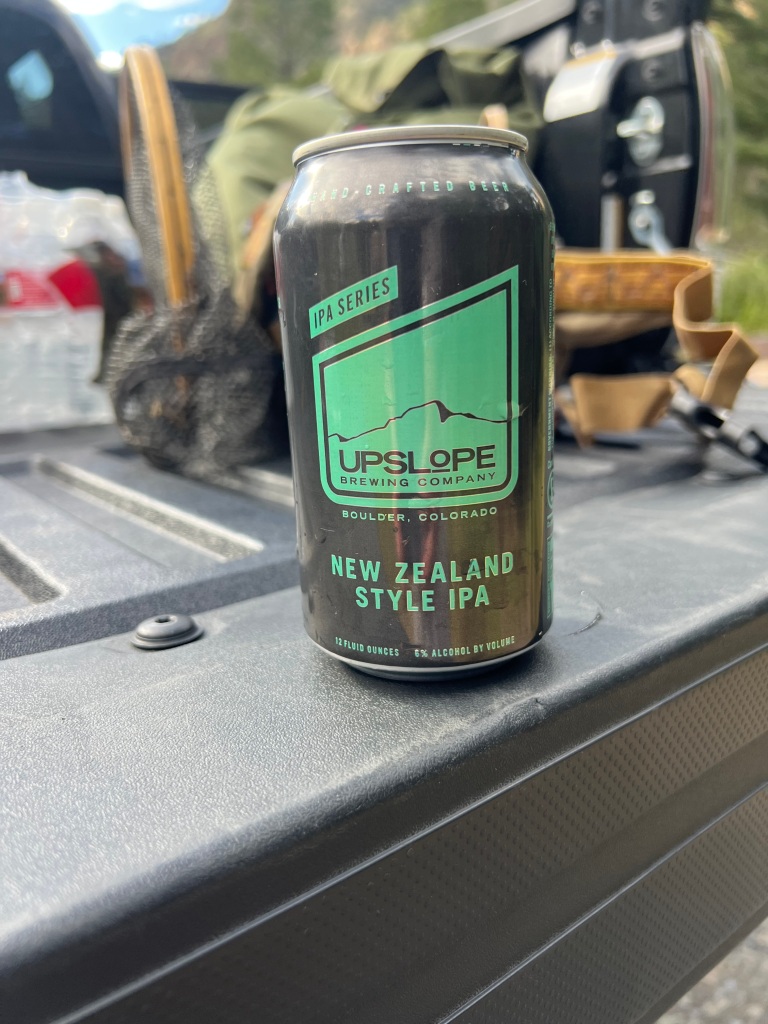
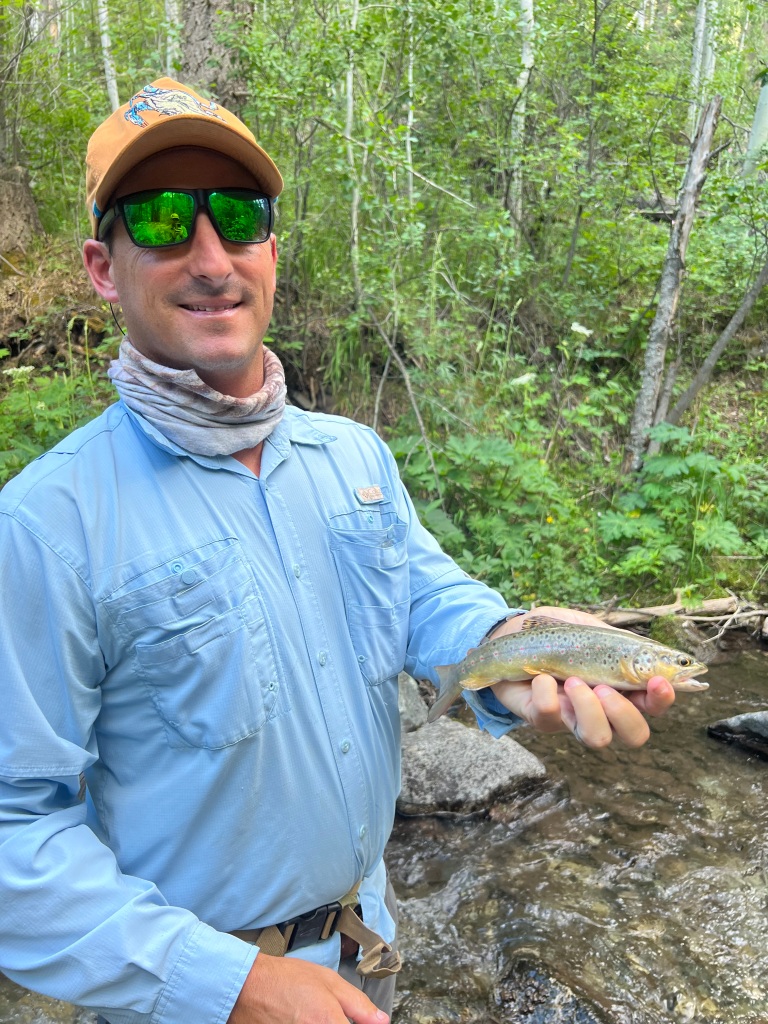
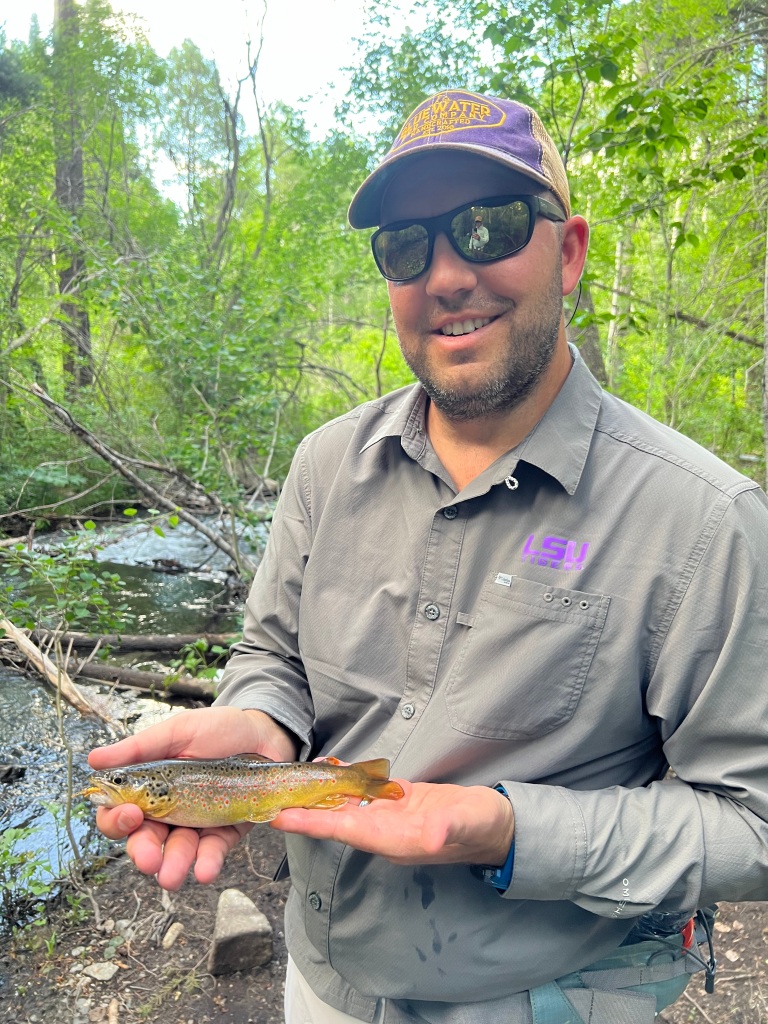
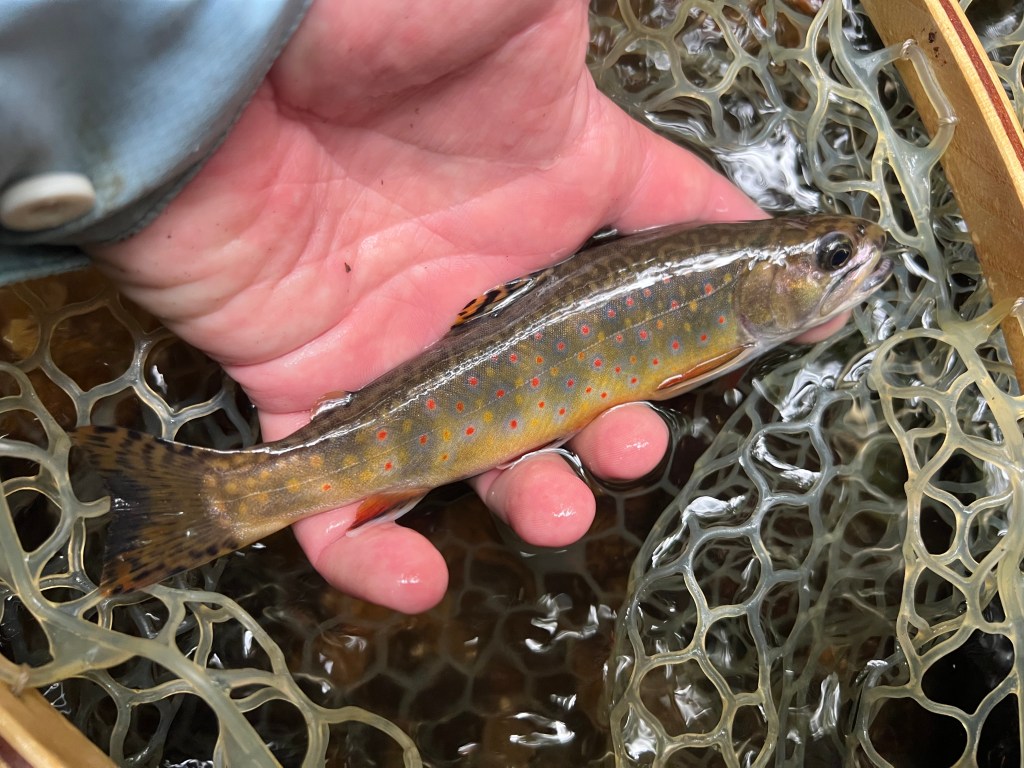
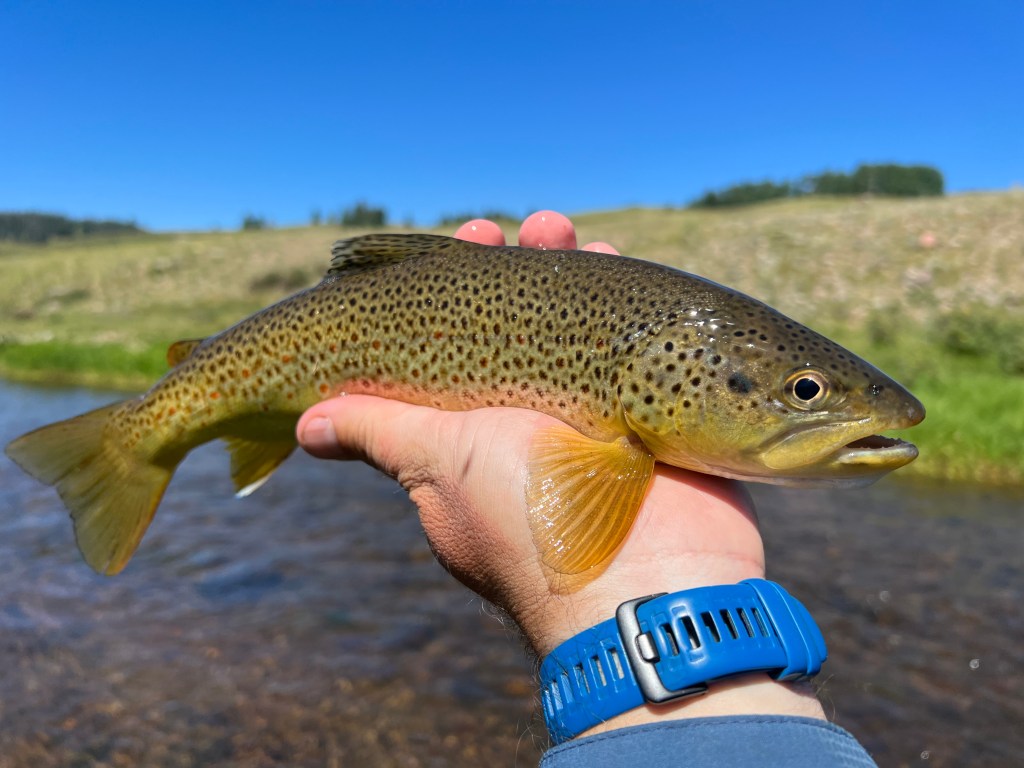
It did not take long at all to catch a fish. In fact the first hole I stopped in a brown whacked my dry. I think Blake’s experience was similar. It’s been customary for us to take a picture with the first fish just in case we never catch another, so we put check marks next to a New Mexico brown trout on pretty quickly on day one.
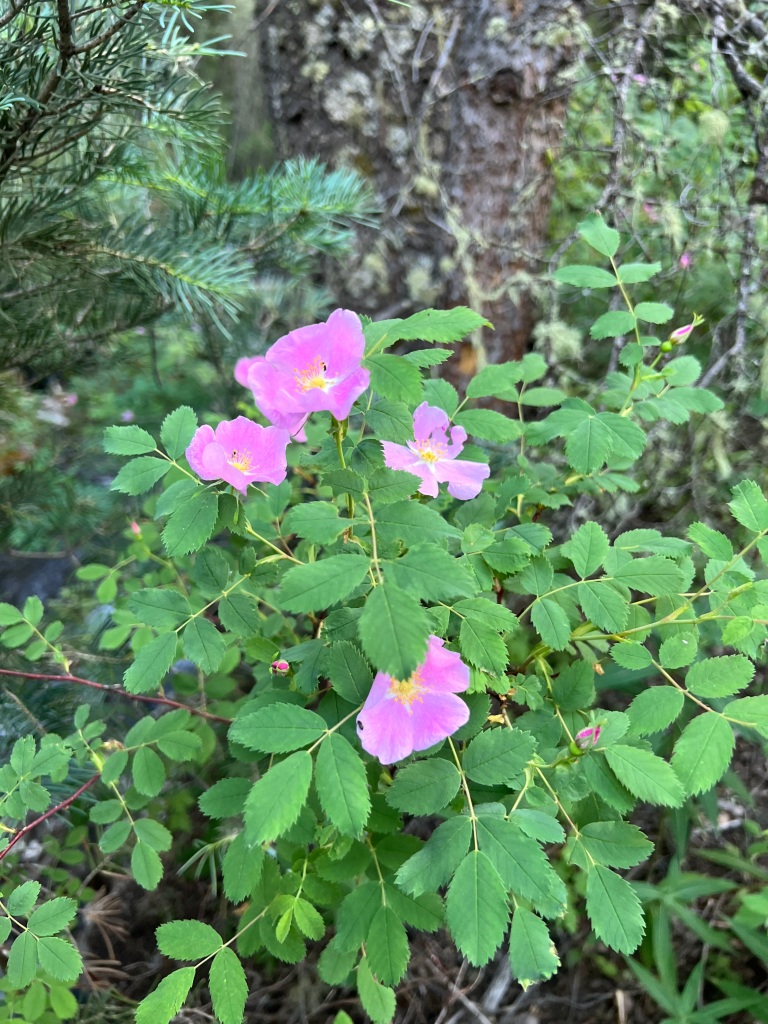
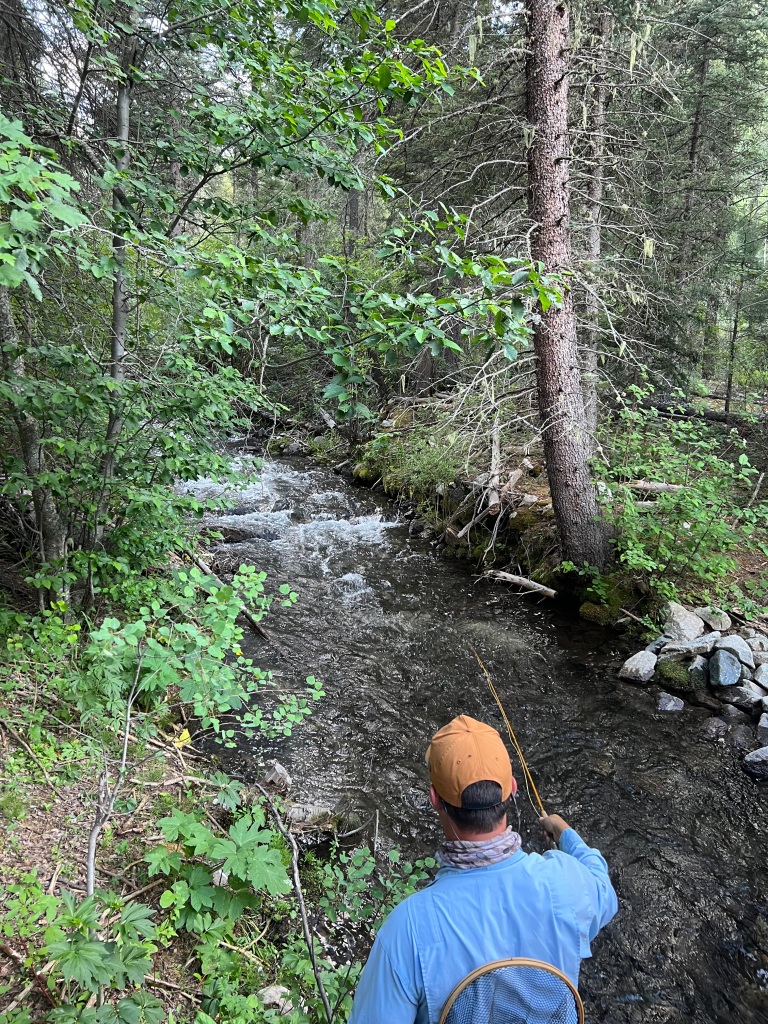
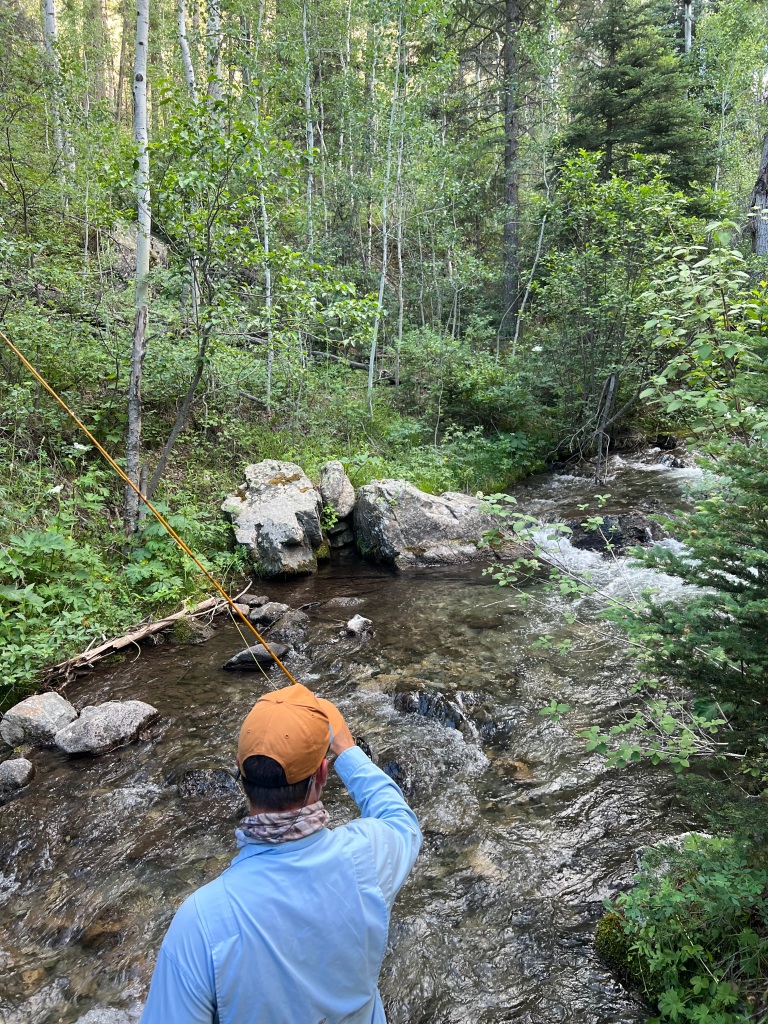
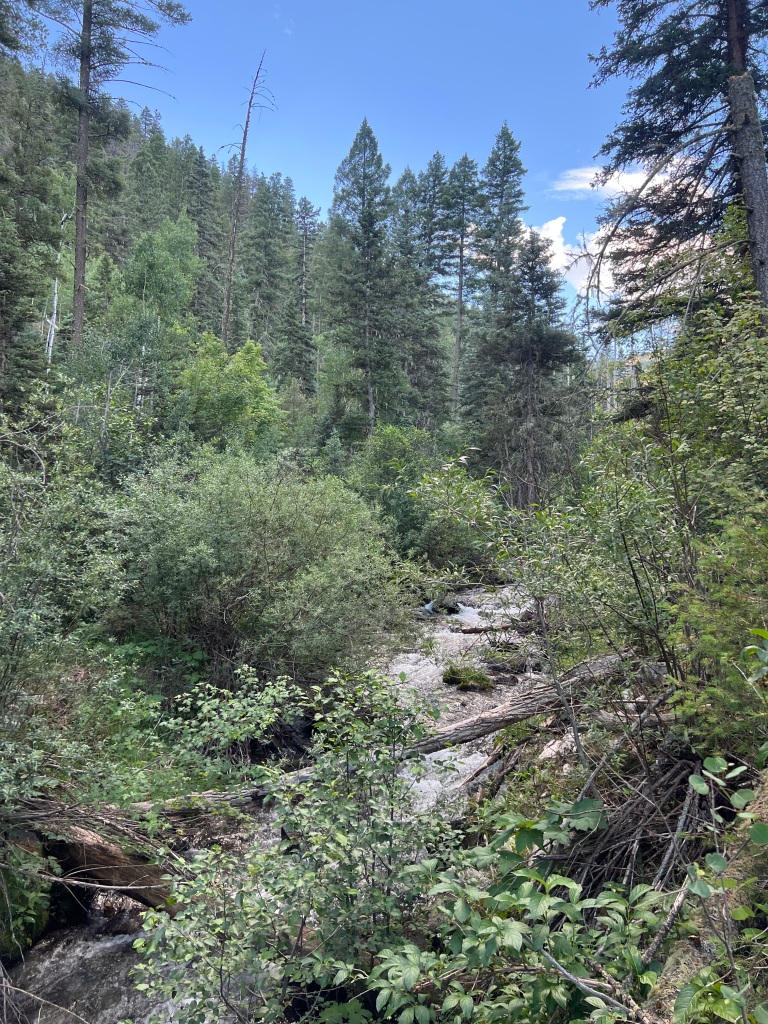
The stream was a tight one with a pretty good amount of elevation change and a healthy amount of brown trout. If you could find a place to get a cast off you generally had a really good shot at catching a fish, they were there, casting to them was just tough. North Georgia prepared us for this though! If you can fish a blueline up there you can fish a blueline anywhere.
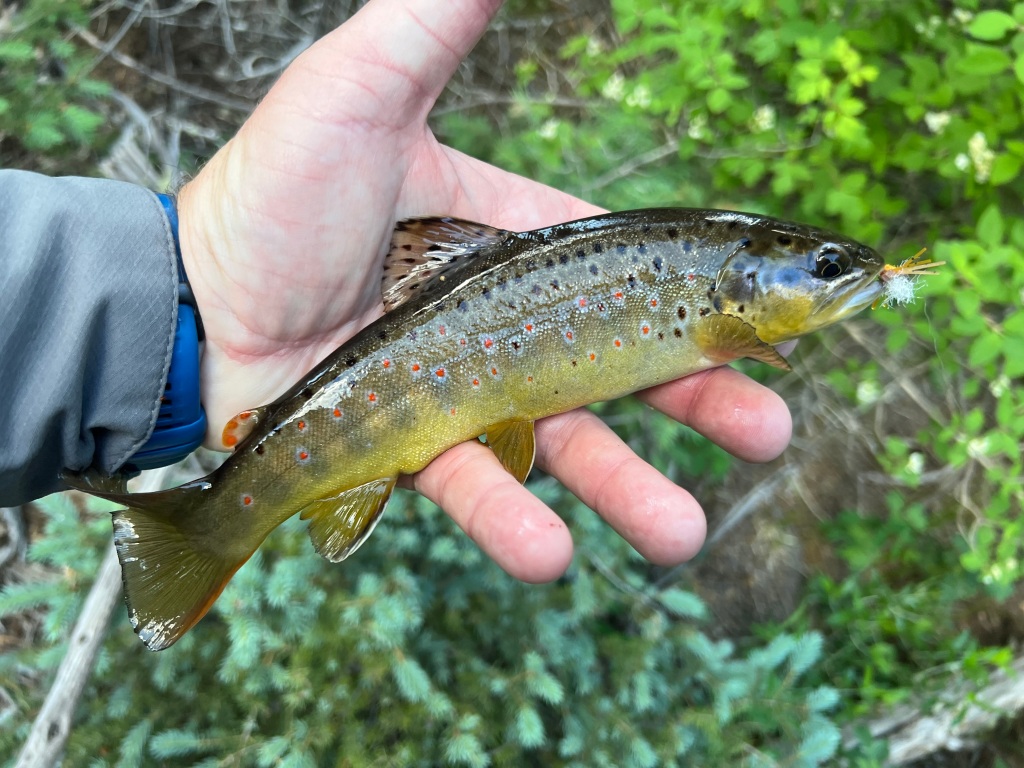
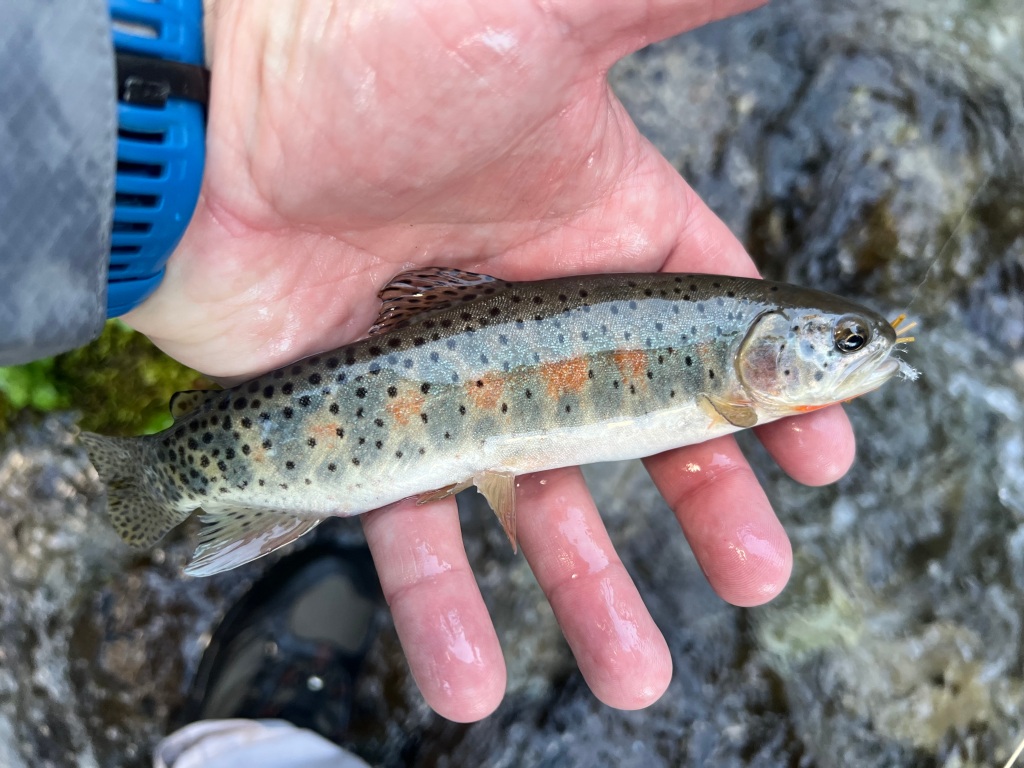
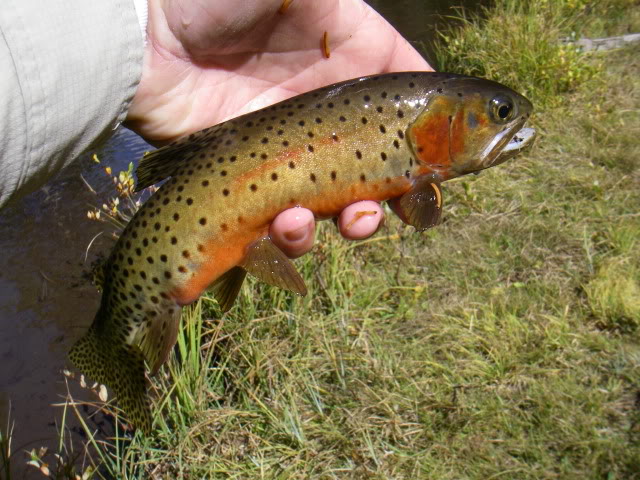
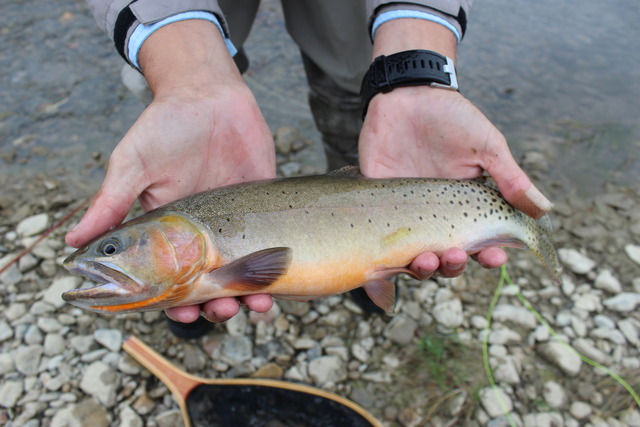
I vaguely recalled a barrier on this stream in my research and we hiked the approximate distance I thought it was from the trailhead, but we did fish a fair amount below it to start. We ended up finding the actual barrier falls on the hike back out, but as you can see above, I was able to find a Rio Grande cutthroat trout somewhere above it – my first one!

We quit fishing not long after that fish simply because we ran out of daylight. It’s been a while since I’ve hiked out of somewhere in the dark but this was one of those days. We probably covered more ground than we should have, especially on day one, but I was fueled by adrenaline and excitement, it would have been tough to pull me off the water otherwise.
Edit Page

The salmonids are in family Salmonidae, which has 10-11 genera that is divided into 3 subfamilies; Coregoninae(whitefish), Thymallinae(grayling), and Salmoninae(char/trout/salmon). Living in the Southeast you have access to a very limited amount of salmonids and I’ve caught the 3 that occur in Georgia.  The brook trout is the only native trout species in Georgia and it is actually a char. 

Updated, December 2025: I made my first trip out West in September of 2012 to Colorado and caught several “greenback” cutthroat trout in Rocky Mountain National Park – or what were considered greenback trout at the time.  Made another trip out West in August of 2013 to Teton and Yellowstone National Parks where I picked up another cutthroat species and mountain whitefish.  In August of 2015 I was able to complete the Wyoming Cutt Slam, picking up Wyoming’s four native cutthroat species (they do have a fifth, the Westslope, that is not required for the slam).  In July of 2017 I completed the Utah cutthroat slam, which didn’t necessarily add any new species to the list, but I was able to add Bonneville cutthroat outside of the Bear River drainage and Bear River cutthroat, which some consider genetically distinct. In June of 2021 I made it out to Arizona and New Mexico to catch Apache and Gila trout in their native range. In August of 2022 I made it up to northern Idaho and caught several Westslope cutthroat in their native range. In July of 2023 I made a northern New Mexico/southern Colorado trip and caught lots of Rio Grande cutthroat in their native range.  Finally, in August of 2025 I made it out to the Olympic peninsula of Washington and caught coastal rainbow trout in their native range, coastal cutthroat, southern Dolly Varden, as well as the genetically distinct Lake Crescent cutthroat trout.

Dr. Robert Behnke is the man when it comes to salmonid knowledge. Pick up his book if you want to learn more about this particular family, “Trout and Salmon of North America”. Another great resource is Gary Marston’s Native Trout Fly Fishing blog, he has a Trout and Salmon species page with pictures and information of all those that he has caught (which may be all that are found in the U.S.). Gary’s trip reports are a good read as well, he has had some epic road trips to catch trout in their native range.

Trout found in the Southeastern United States

Salvelinus fontinalis – Brook trout

IMGP5747

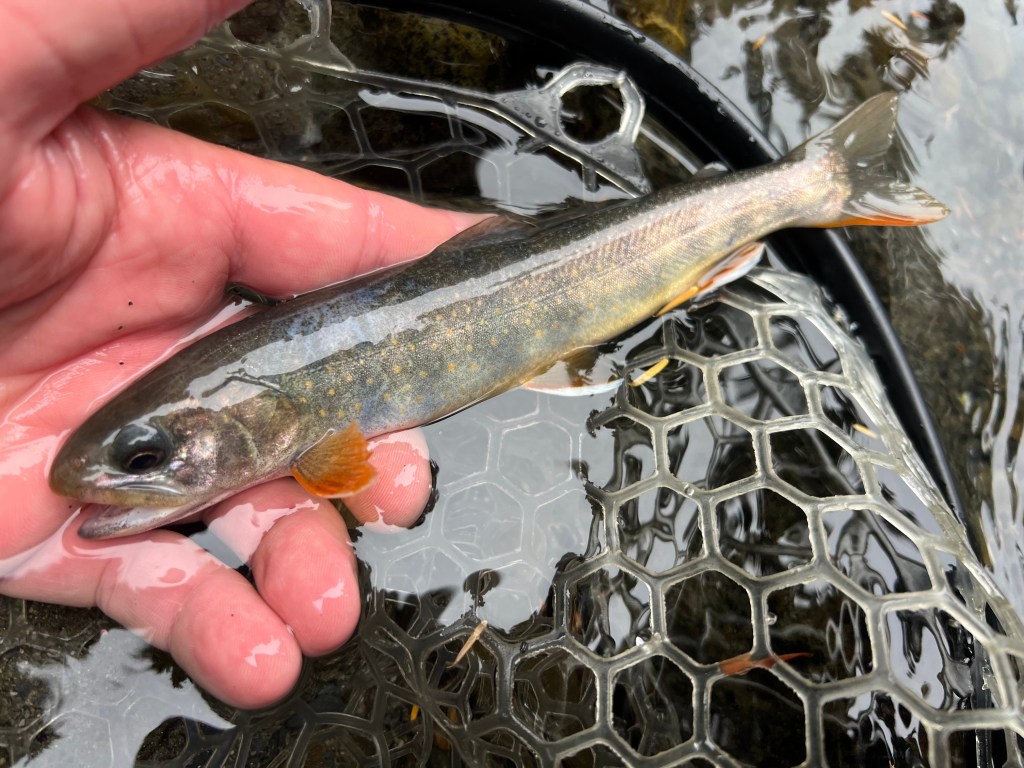
Brook trout are the first native trout species I ever encountered as they do live in Georgia.

Salmo trutta – Brown trout

IMGP5730

Brown trout are not native to North America.

Oncorhynchus mykiss – Rainbow trout

IMGP5637

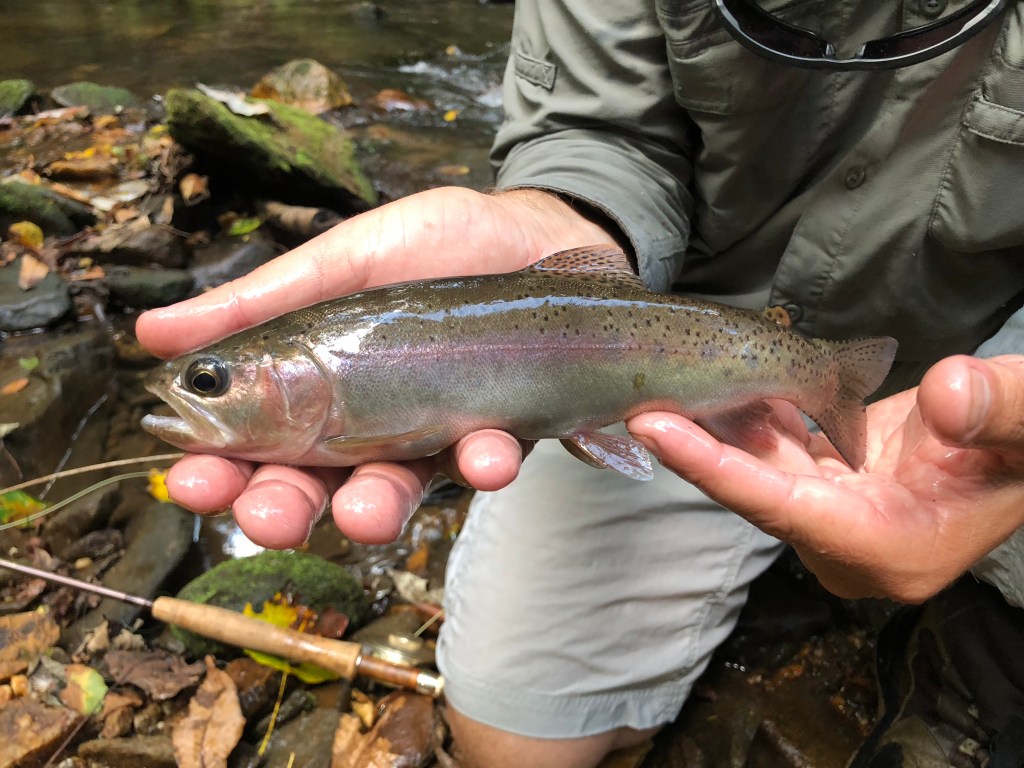
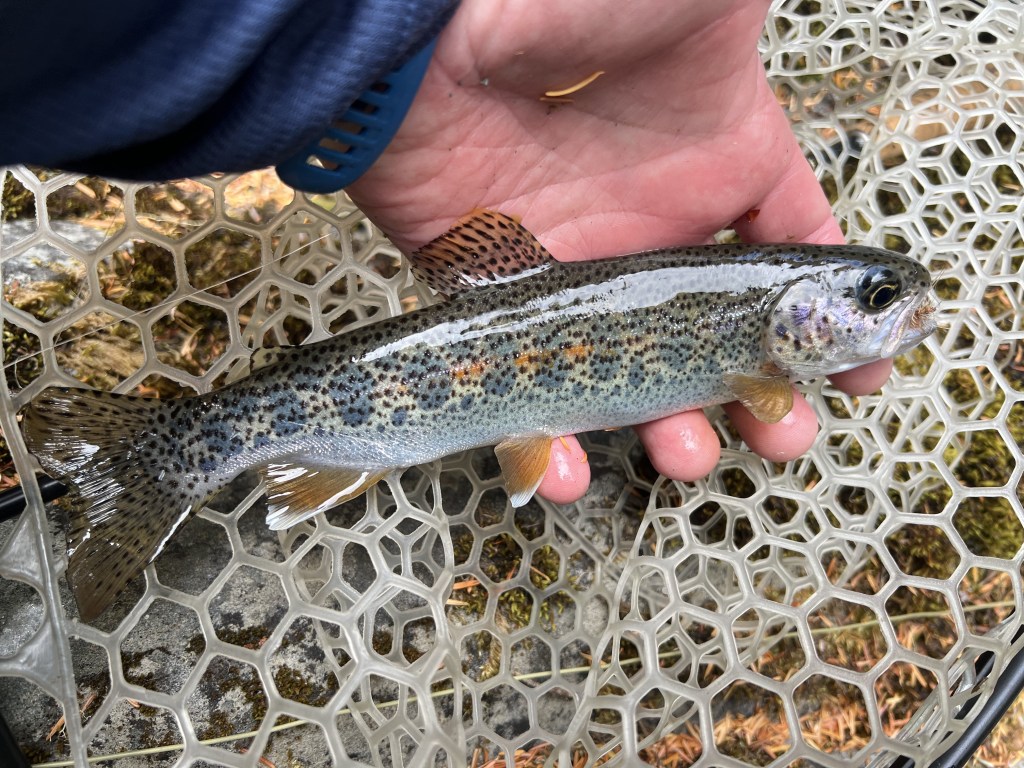
The first trout species I ever caught, happy to say that I have now caught them in their native range too!

Western Native Trout

Oncorhynchus apache –  Apache trout

Oncorhynchus gilae –  Gila trout

Cutthroat Trout

Western native trout range map source: Coyote Gulch blog

Oncorhynchus clarkii clarkii – Coastal cutthroat trout

According to Wikipedia, the coastal cutthroat trout occurs in four distinct forms. A semi-anadromous or sea-run form is the most well known. Freshwater forms occur in both large and small rivers and streams and lake environments – pictured above is the stream resident freshwater form.  The historic native range of the coastal cutthroat trout extends south from the southern coastline of the Kenai Peninsula in Alaska to the Eel River basin in Northern California.

Oncorhynchus clarkii clarkii crescentii – Coastal cutthroat trout – Lake Crescent form

Oncorhynchus clarki stomias – Greenback cutthroat trout

IMGP7693

At the time this fish was considered a greenback, but it’s more likely that it isn’t after genetic research determined that the true greenback was limited to only one stream, outside of it’s native range, in Colorado.  Work has been done to re-establish populations throughout it’s native range and hopefully I’ll have the opportunity to fish for a true greenback cutt.  Their historic range is pretty much in the state of Colorado on the Front Range, with some watersheds slipping into Wyoming. They are found in the headwaters streams of the South Platte and Arkansas River drainages.

Oncorhynchus clarki pleuriticus – Colorado River cutthroat trout

IMG_2922

Their historic range is headwaters streams in the Green and Colorado Rivers, as far south as the San Juan River, west of the Continental Divide.  They are currently limited to a few small headwater streams of the Green and upper Colorado rivers in Colorado, Utah, and Wyoming, including the Escalante River drainage in southern Utah.

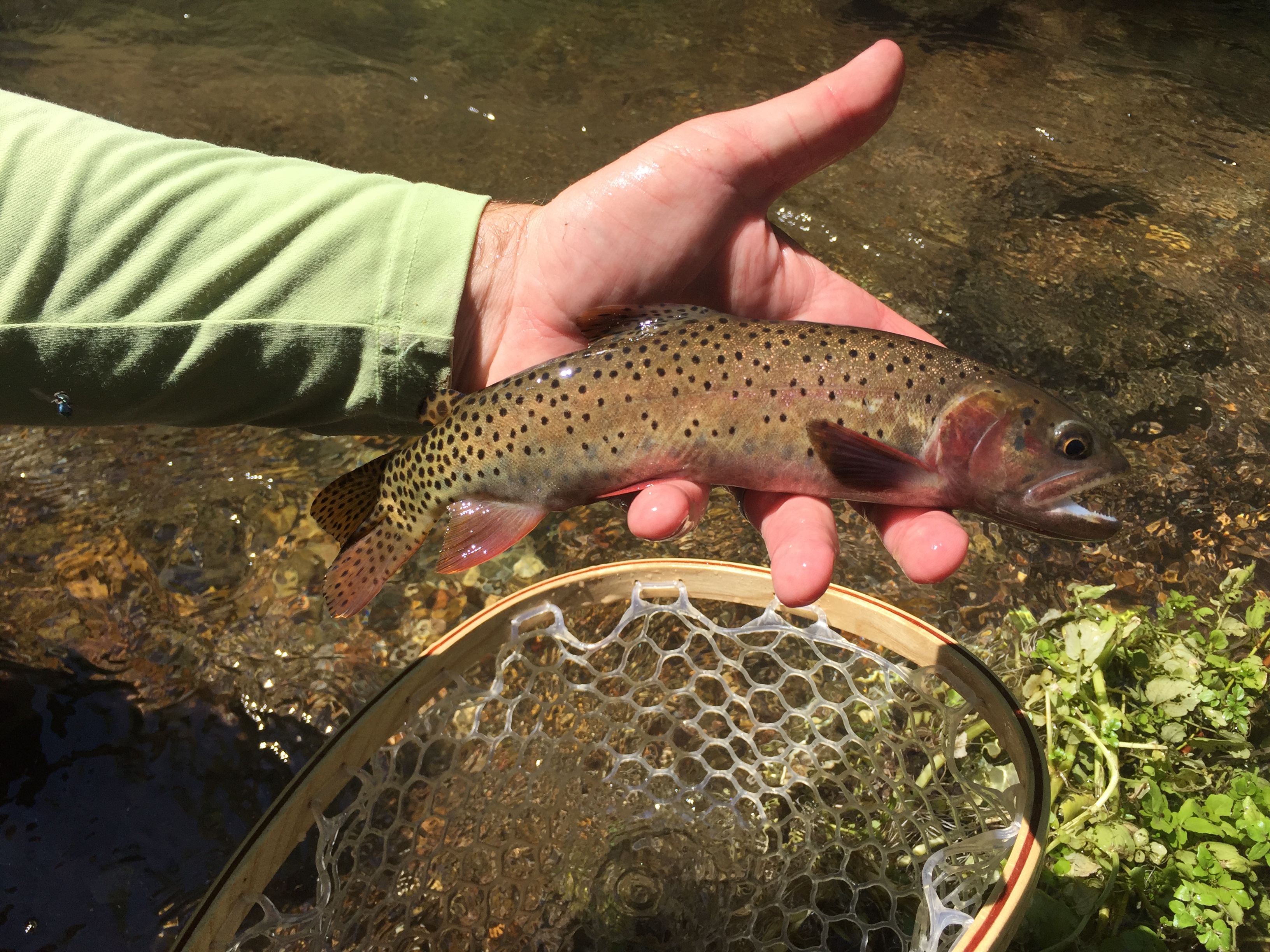
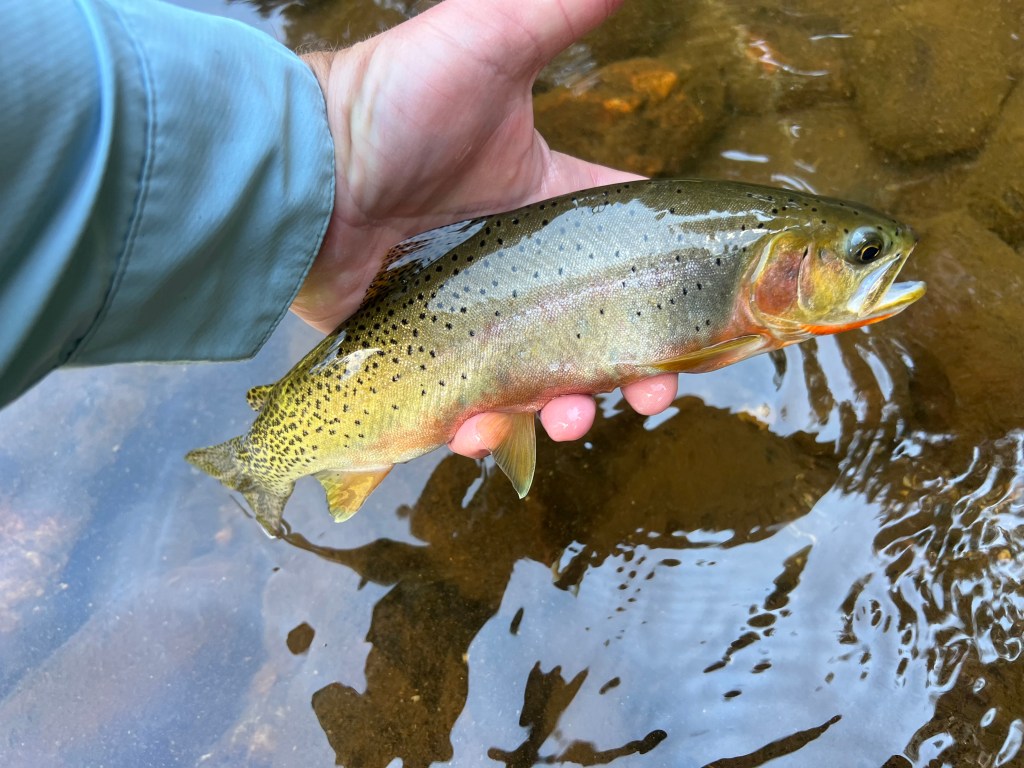
Oncorhynchus clarkii virginalis – Rio Grande cutthroat trout

This image has an empty alt attribute; its file name is img_8375.jpg

Their historic range is headwater streams in the Pecos and Rio Grande watersheds in Colorado and New Mexico.

This image has an empty alt attribute; its file name is riogrande_cutt.png

Oncorhynchus clarkii utah – Bonneville cutthroat trout

IMG_2871

Their historic range is pretty much in the state of Utah, with some watersheds slipping into Wyoming, Idaho, and Nevada.

Oncorhynchus clarkii utah – Bonneville cutthroat trout – Bear River strain

IMG_2727

They are found in the headwaters streams of the Bear River.  No range map was given from NatureServe or the USGS for the Bear River cutthroat trout, but they are native to the Bear River and it’s tributaries, including Bear Lake.

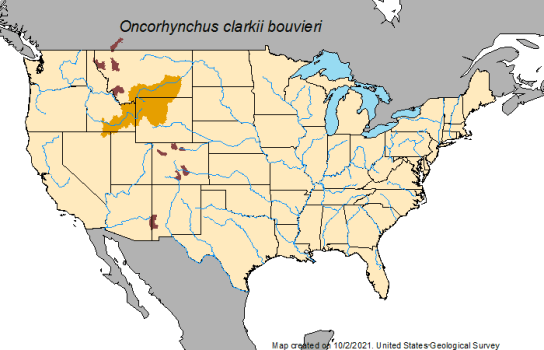
Oncorhynchus clarkii bouvieri – Yellowstone cutthroat trout

IMG_5982

Their historic range is the Yellowstone River drainage in Montana and Wyoming and the Snake River drainage in Wyoming and Idaho.  Their current range overlaps with that of the Finespot in the Snake River drainage above Shoshone Falls.

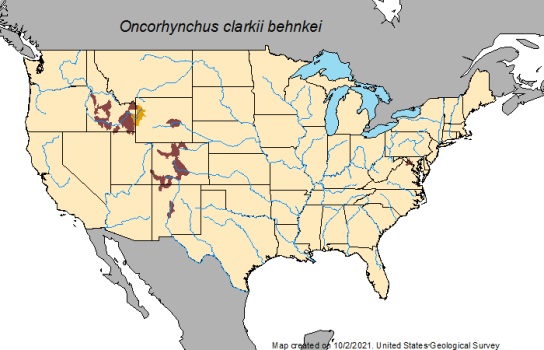
Oncorhynchus clarkii behnkei – Finespotted Snake River cutthroat trout

IMG_6017

Their historic range overlaps the Yellowstone cutt in the states of Wyoming and Idaho. They are found in the headwaters streams of the Snake River, particularly the South Fork.

Oncorhynchus clarkii lewisi – Westslope cutthroat trout

This image has an empty alt attribute; its file name is img_4158.jpg

According to Wikipedia, Westslope cutthroat trout are native in northern Idaho’s and British Columbia’s upper Columbia River system and northern tributaries of the Snake River. East of the Continental Divide in Alberta and Montana, Westslope cutthroat trout are native to the upper Missouri, Milk and North Saskatchewan rivers. In Montana, the historic range extended east to the mouth of the Judith River and south into the Madison, Gallatin and Jefferson river systems. Isolated populations of Westslope cutthroat trout exist in upper tributaries of the John Day River in the Strawberry Mountains of Oregon and Columbia River tributaries along the eastern side of the Cascade Range in Washington. Isolated populations exist in the Fraser River basin in British Columbia.

This image has an empty alt attribute; its file name is westslope.png

Other Native Salmonids

Salvelinus malma – Southern Dolly Varden

According to Gary Marston, the Southern subspecies of Dolly Varden are native to coastal watersheds from the Susitna River, Alaska south to the Quinault River, Washington.

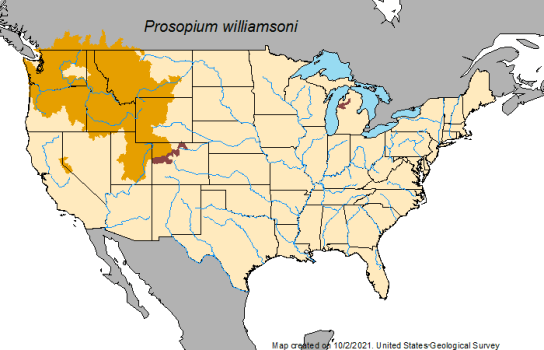
Prosopium williamsoni – Mountain whitefish

IMG_3009

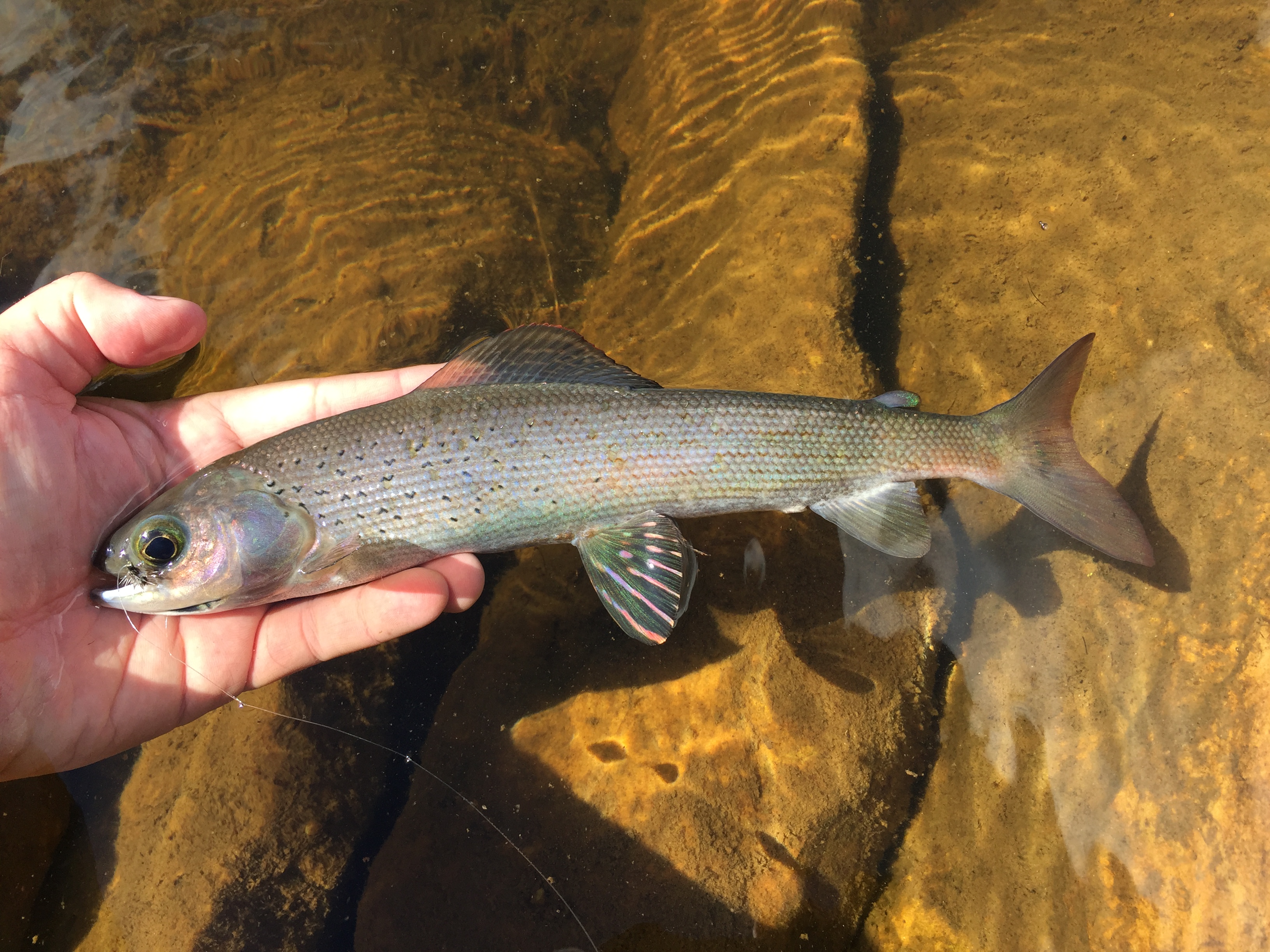
Thymallus arcticus – Arctic grayling

IMG_3039