Archive

Tag Archives: Fishing

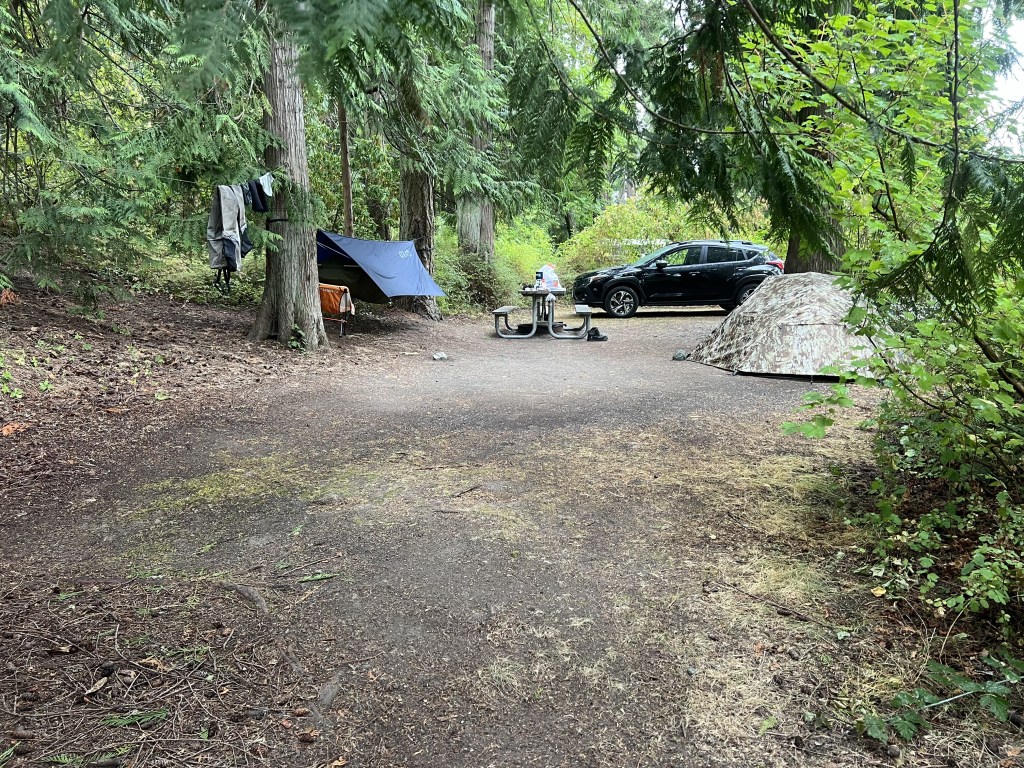
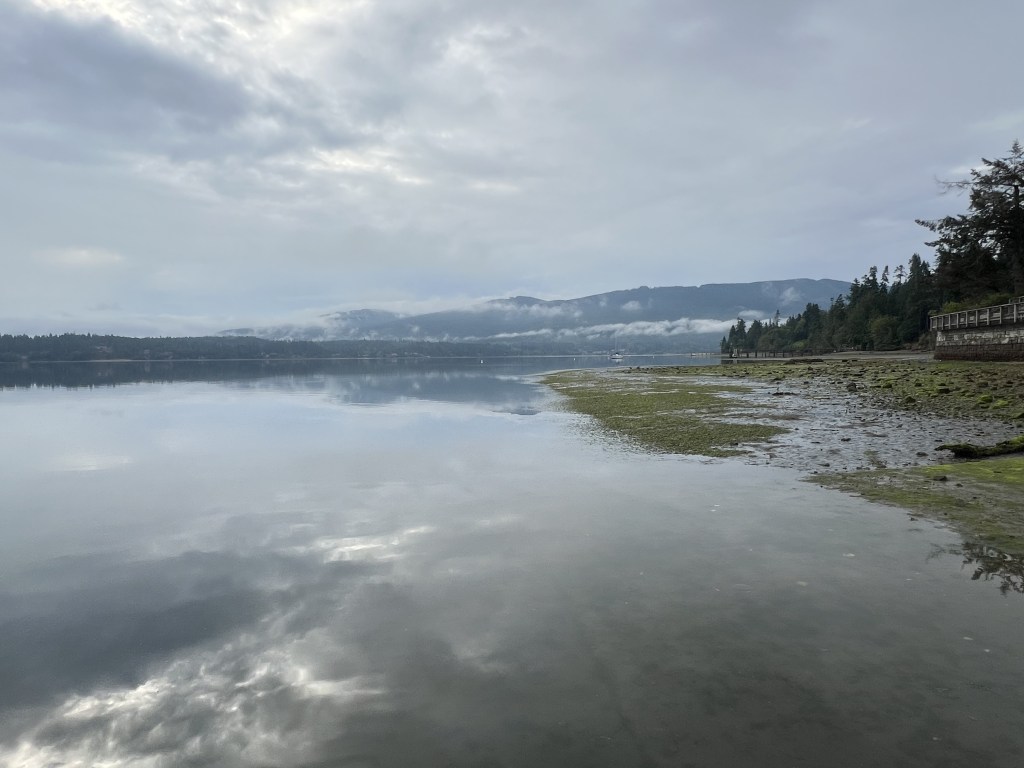
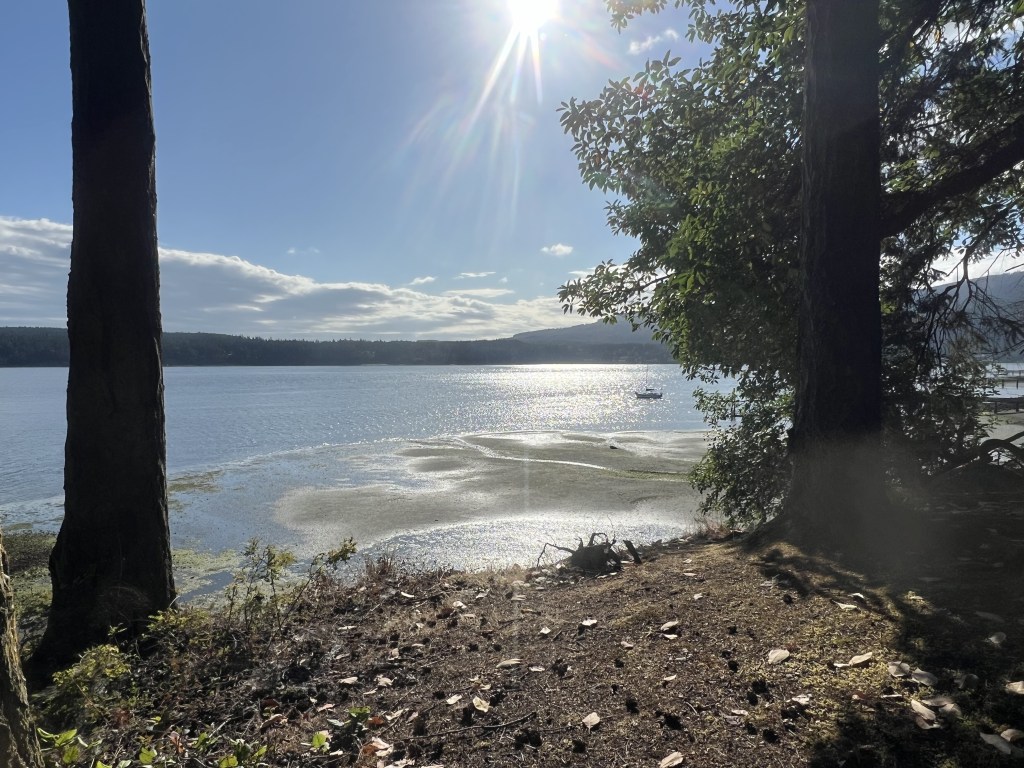
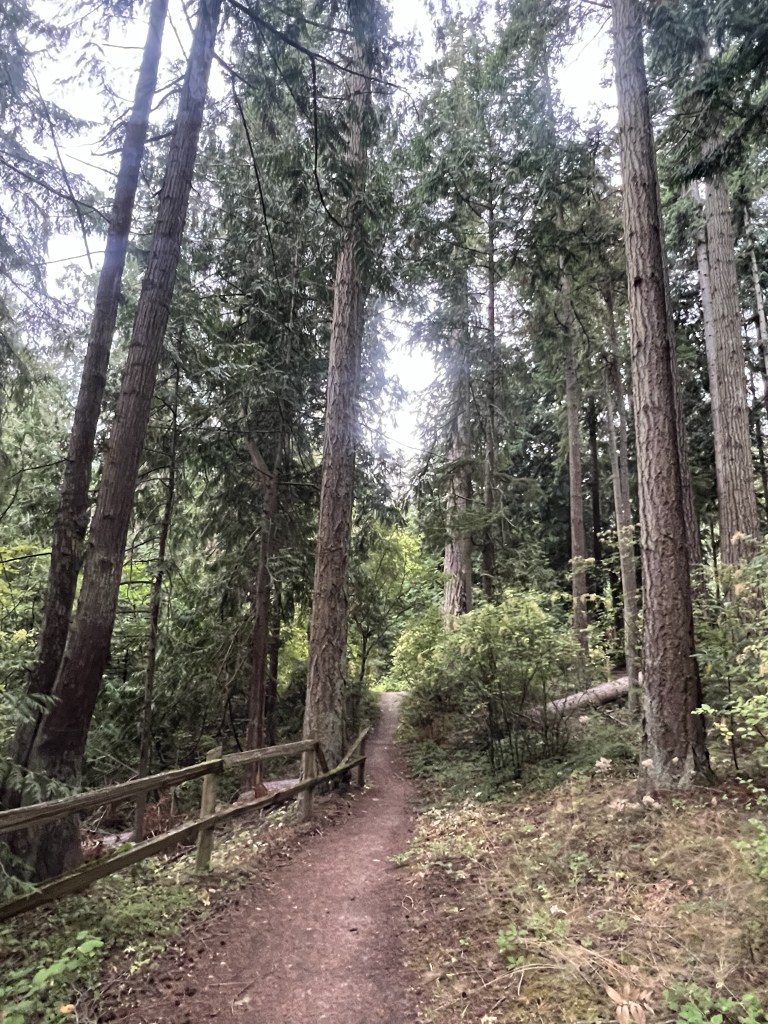
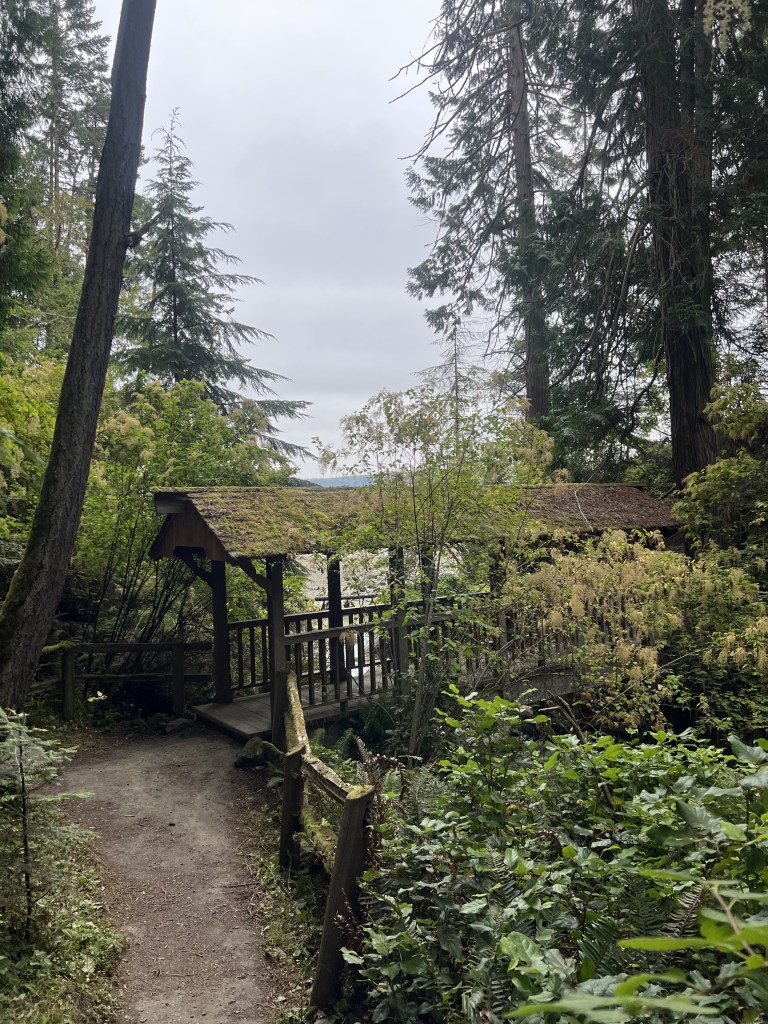
I wanted to take a moment to highlight our base of operations for our Washington trip. Sequim Bay State Park was a neat little spot, right off Hwy 101, not far from the city of Sequim. Not the most remote spot we’ve ever stayed at as we typically take advantage of our National Forest system campgrounds, but it was hard to pass on the location here for venturing to points west and southeast. It’s located in the rain shadow on the Olympic peninsula, which is kind of ideal if you don’t like all your stuff getting wet while camping.

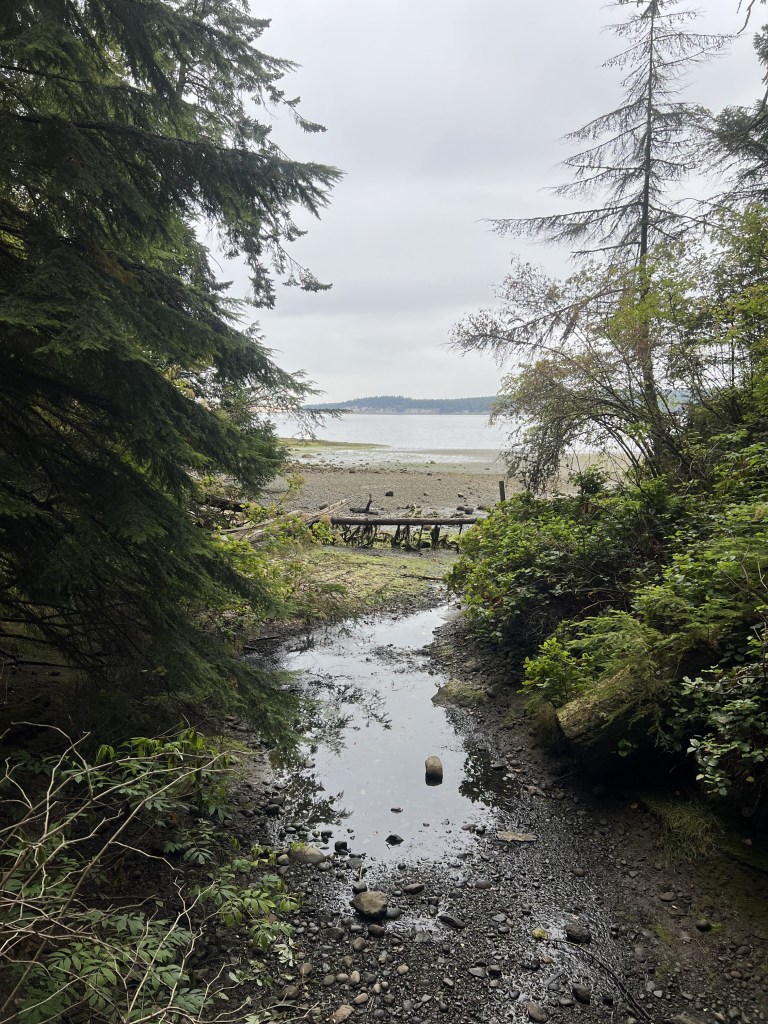
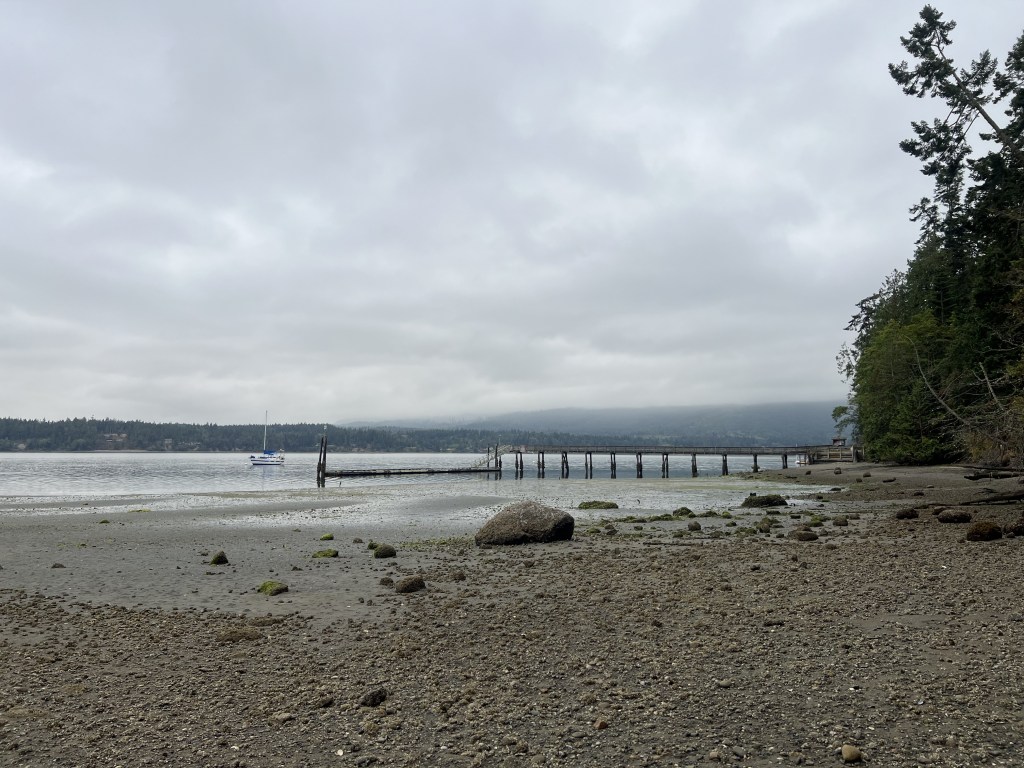
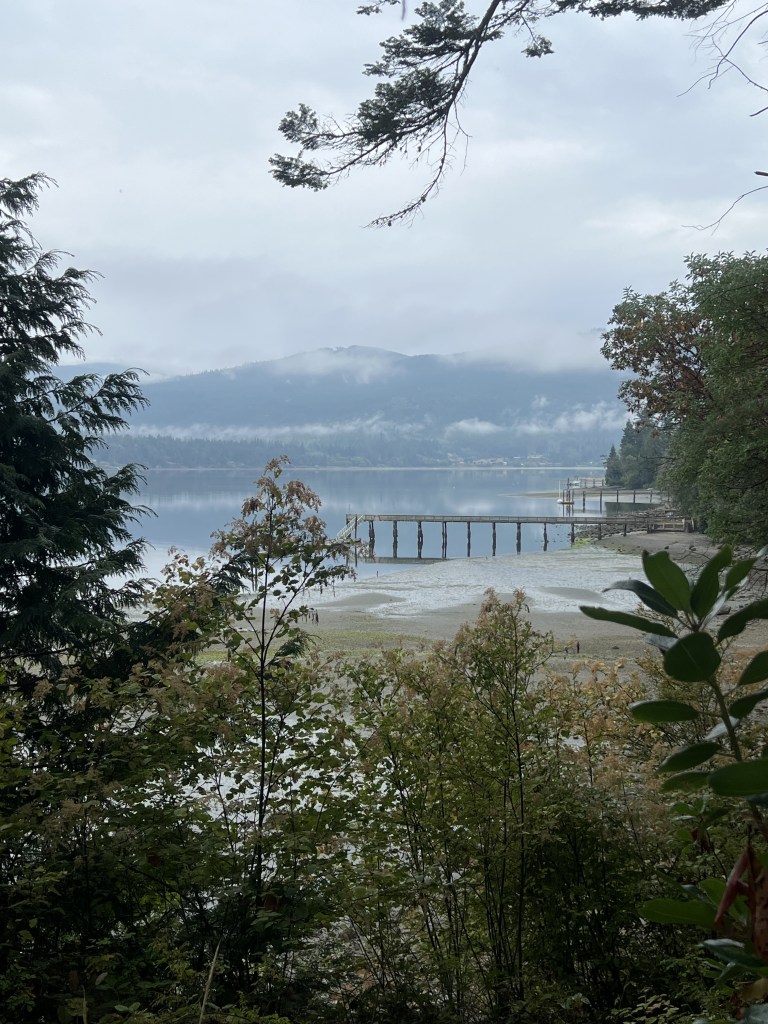
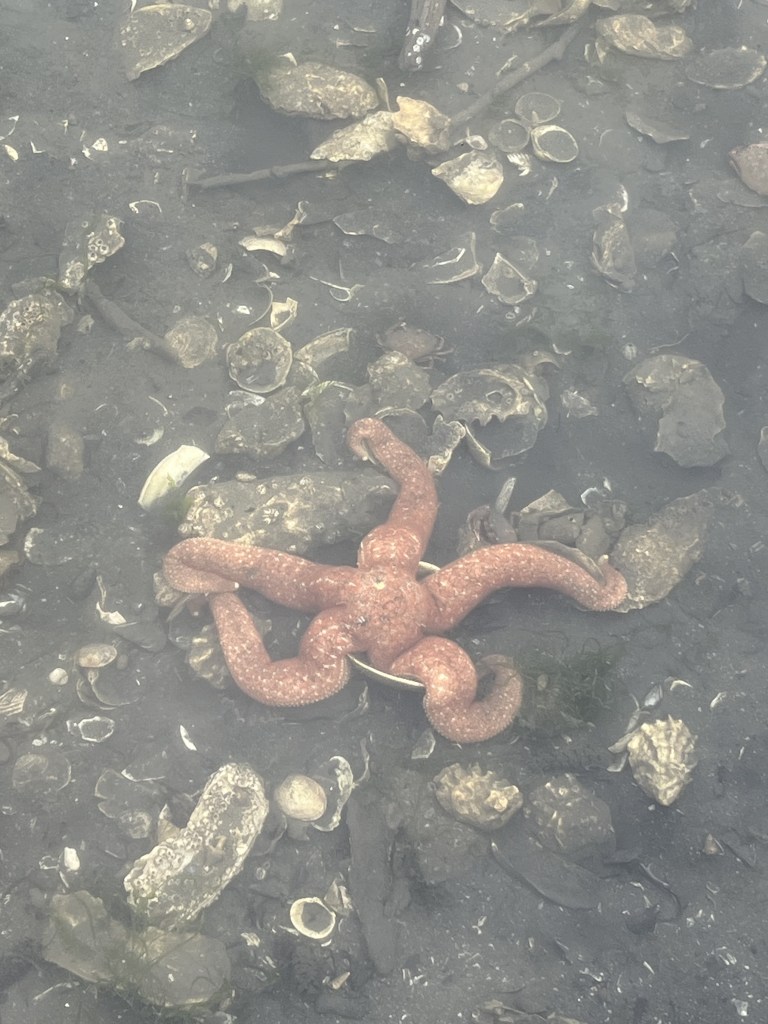
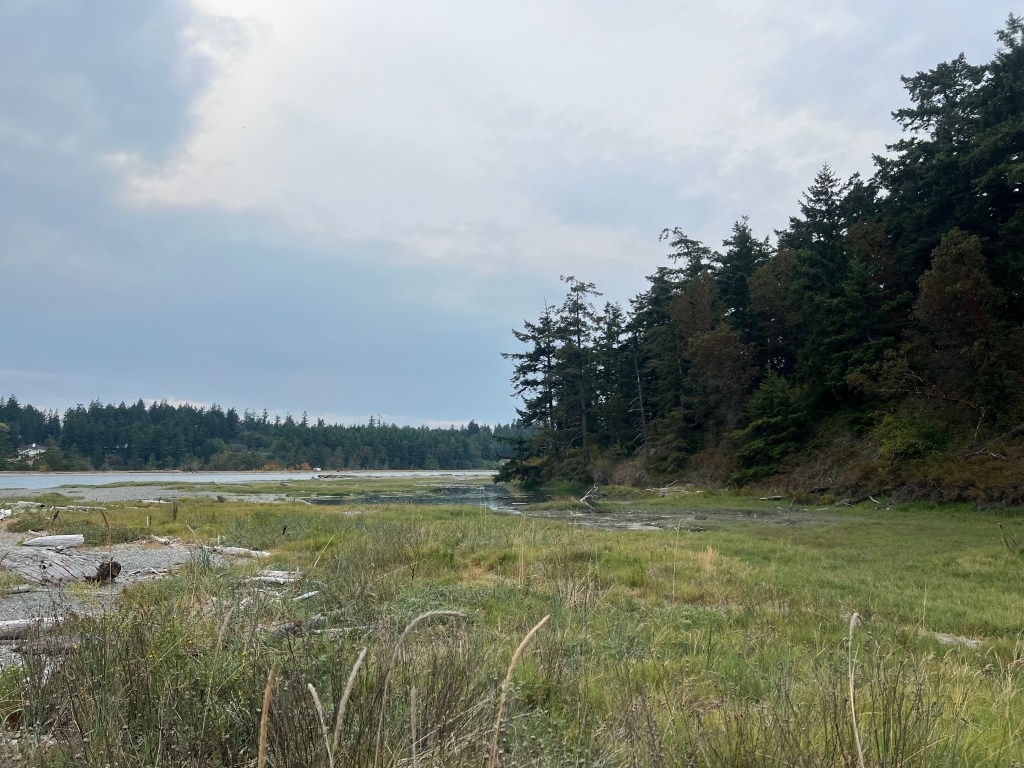
When I booked it I was a little worried it would be loud with highway noise since it is right off the road, but it really was not at all – very quiet and peaceful. It was nice to wake up early in the morning and just walk around. The Pacific northwest is so vastly different than the Gulf south so there was a lot to take in. There’s a little trail that runs down to Sequim Bay, which was cool to go check out during low tide periods.
I also wanted to thank and shoutout Gary Marston of Native Trout Fly Fishing. A lot of my interest in seeking out the unique species of native trout stems from two folks primarily. One being Gary, and the other was Dr. Robert J. Behnke, who wrote the definitive book on American trout species, “Trout and Salmon of North America”. If you fly fish in the US and don’t own this book, do yourself a favor and go buy it now. It is a beautiful coffee table style book. It is so wonderfully researched and put together that I wish there was a book like it for other families of fish I care about, like the black basses. It was published in 2002, right as I was coming out of high school and getting interested in fly fishing. I learned a ton from that book and it showed me that there was a whole lot more than just rainbow, brown, and brook trout. It also showed me there was a passionate group of anglers and researchers devoted to our native trout, because I wasn’t alone in being inspired by the book.

Gary’s website for me, picked up where Dr. Behnke’s book left off, and carried that knowledge I gained from the book and pushed it even further, as he was pretty much doing what I had wanted to and was chasing down all the trout found in Dr. Behnke’s book and documenting them. His road trips were the stuff of legend in my eyes and I always looked to reading about them. I love the dedication to documenting these species by drainage and documenting phenotypes of extinct species, like the Alvord trout. It’s fascinating stuff. When I knew we were headed to Washington state, I reached out to Gary, and he was a huge help in the planning of this trip. He gave a lot of tips and advice and pointed us in the right direction when I was putting everything together.

Since I brought it up, I have to add a third influence of mine in terms of my interest in native trout, and this ties back into Dr. Behnke’s book. Joseph Tomelleri’s art work is absolutely essential to the book, and without it, I don’t know that the desire to seek these fish out is triggered in me. His fish jump off the pages, the work is exceptional. His attention to detail is unmatched in my mind. It’s just absolutely stunning artwork. Go check it out for yourself at Americanfishes.com. He does more than just trout and salmon too – he shows love to the bass and sunfish too!
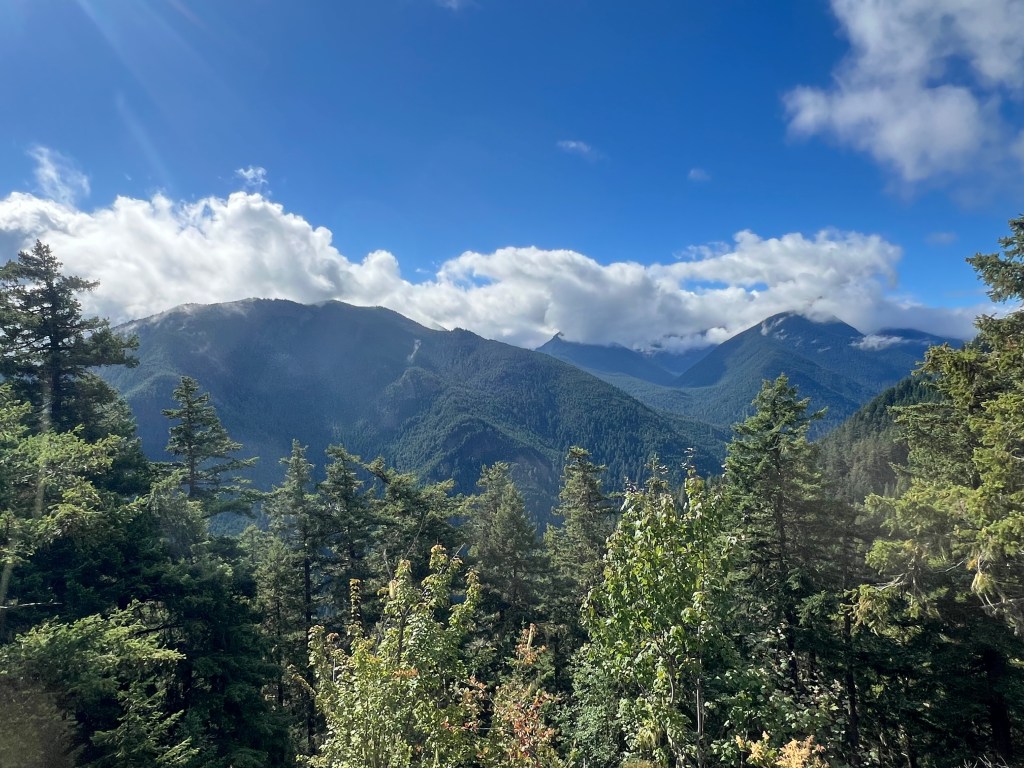
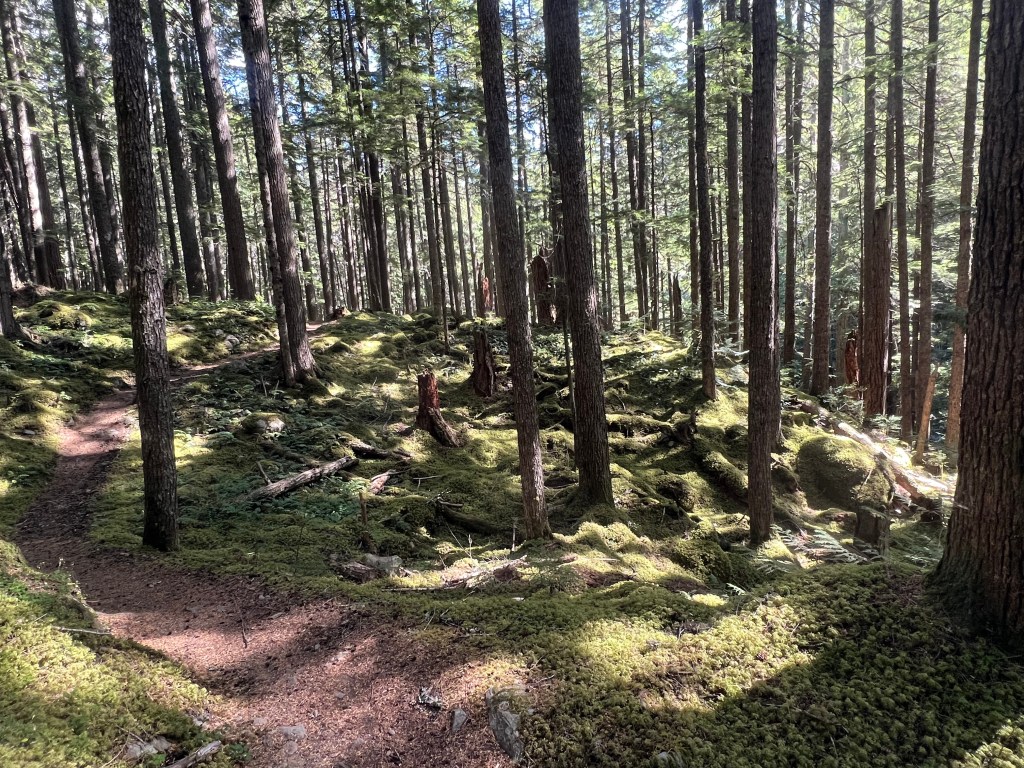
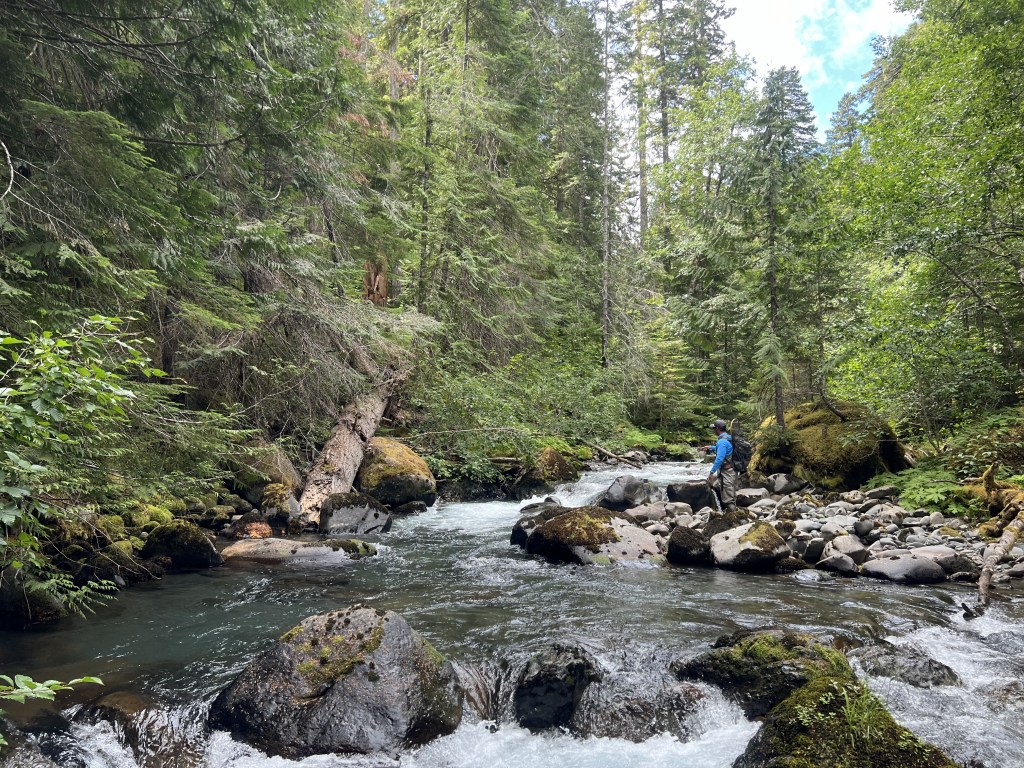
For our last day of fishing we opted to gain some elevation and head into the mountains. The target wasn’t going to be coastal cutthroat today, but rather coastal rainbow trout. We were unlikely to run into any big steelhead, but were told there would be resident fish in this stream. I don’t know that I’ve ever caught rainbow trout in their native range, I’ve caught them pretty much everywhere else that I’ve fished for trout, so today was the day.

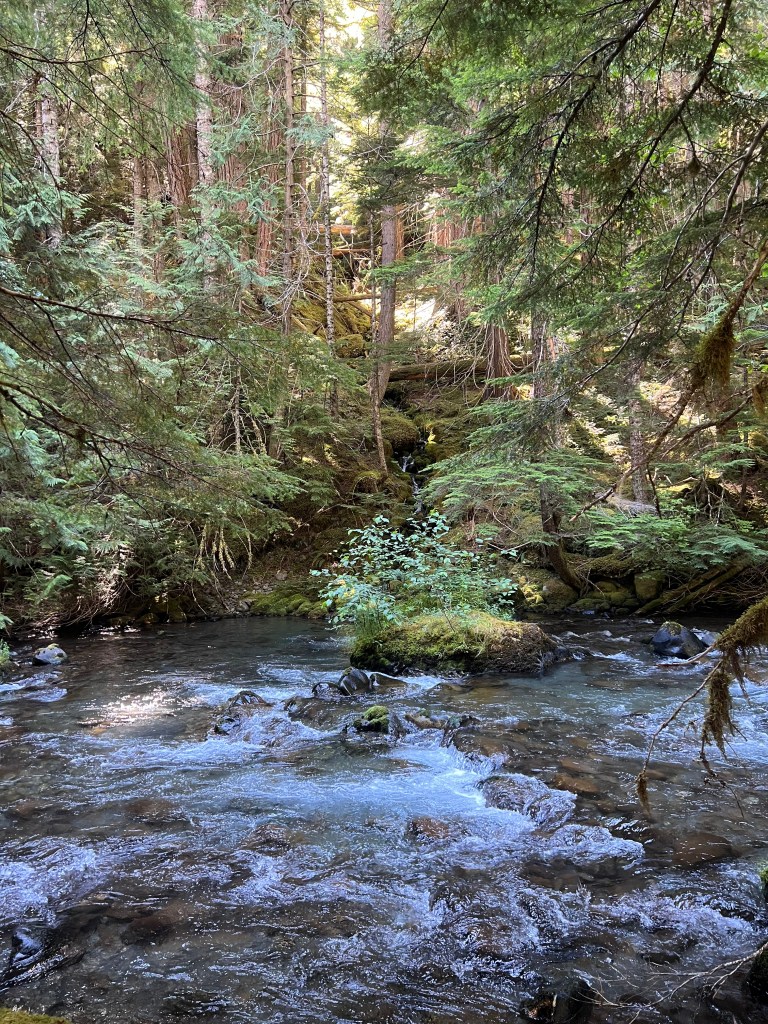
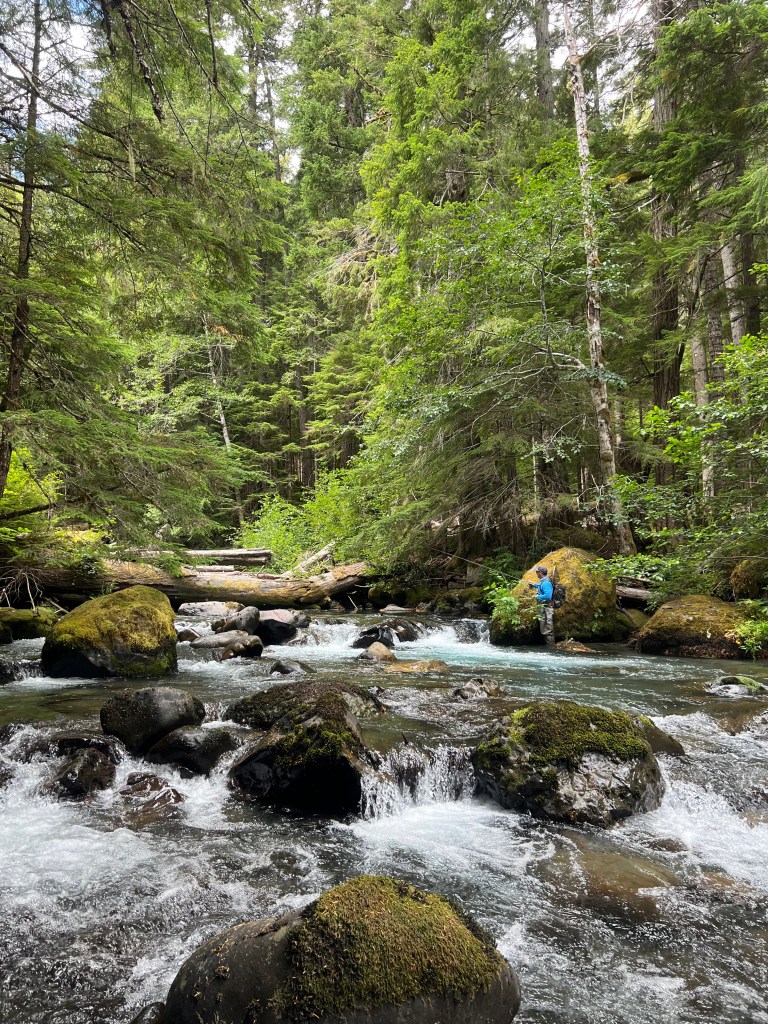
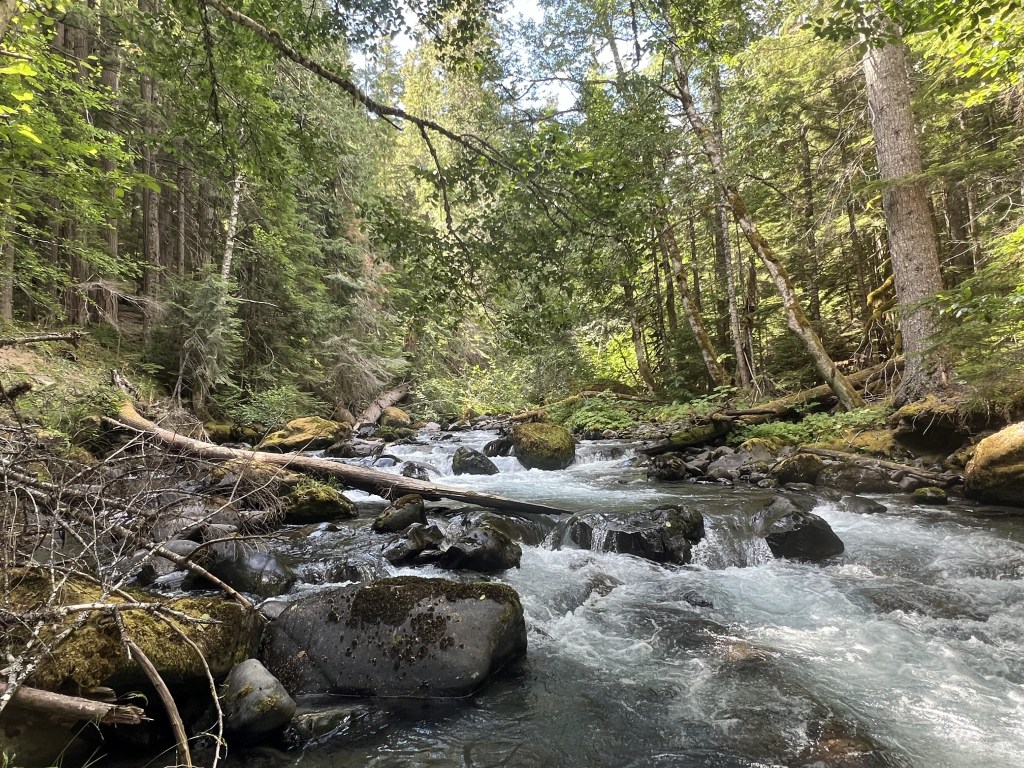
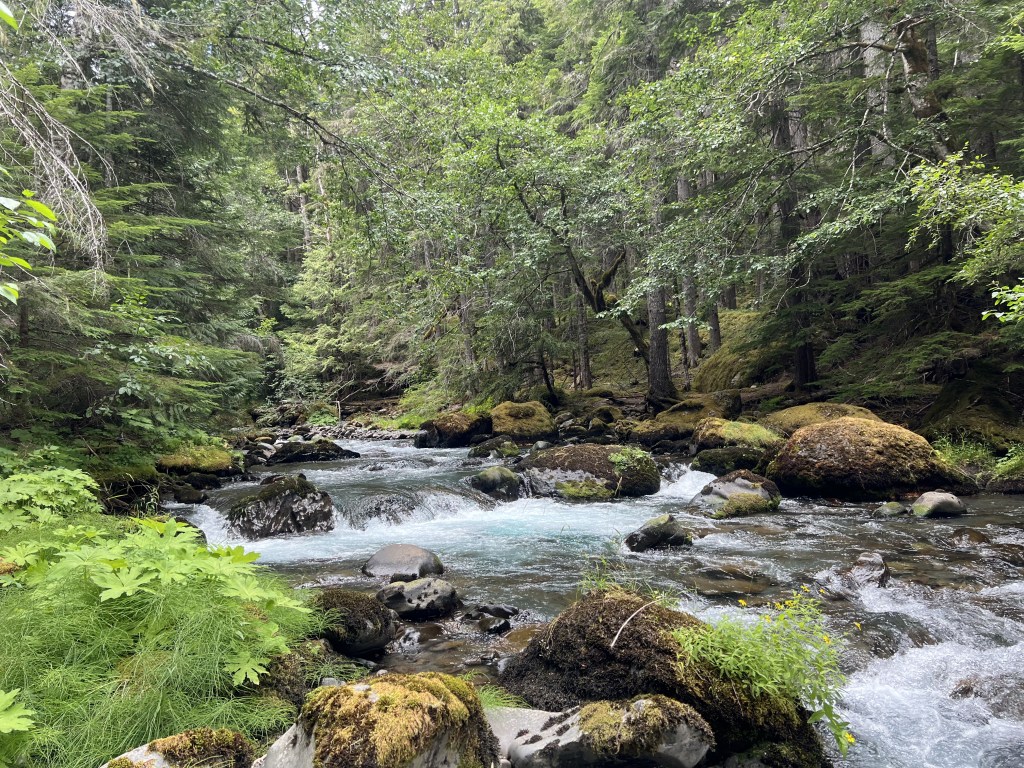
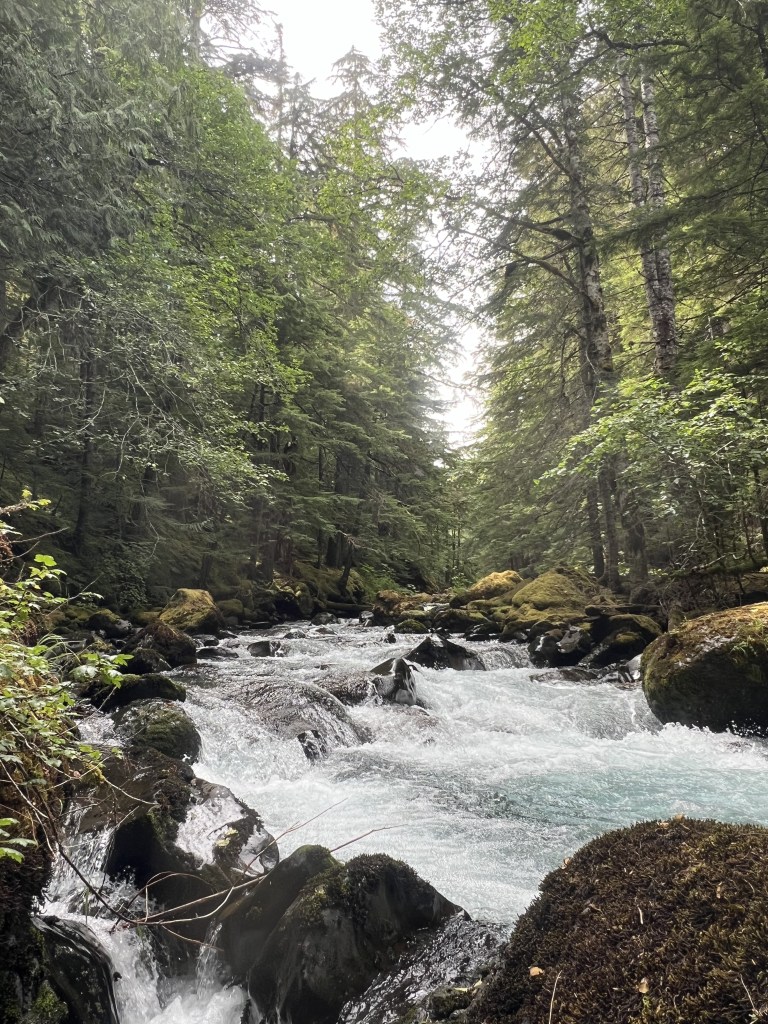
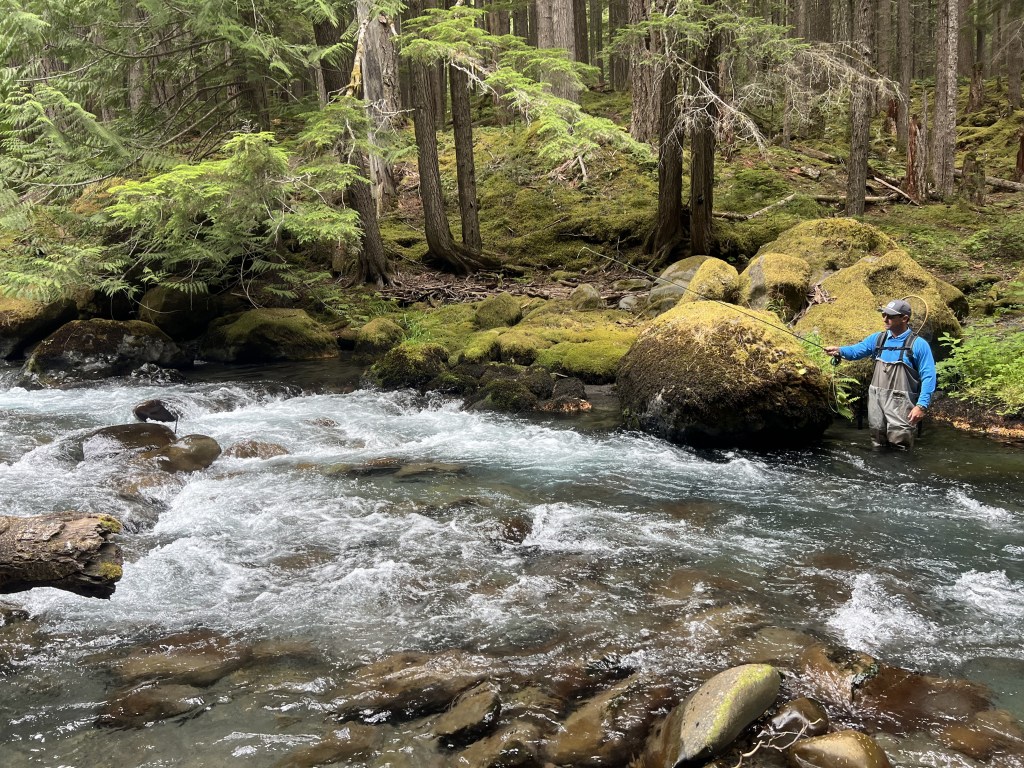
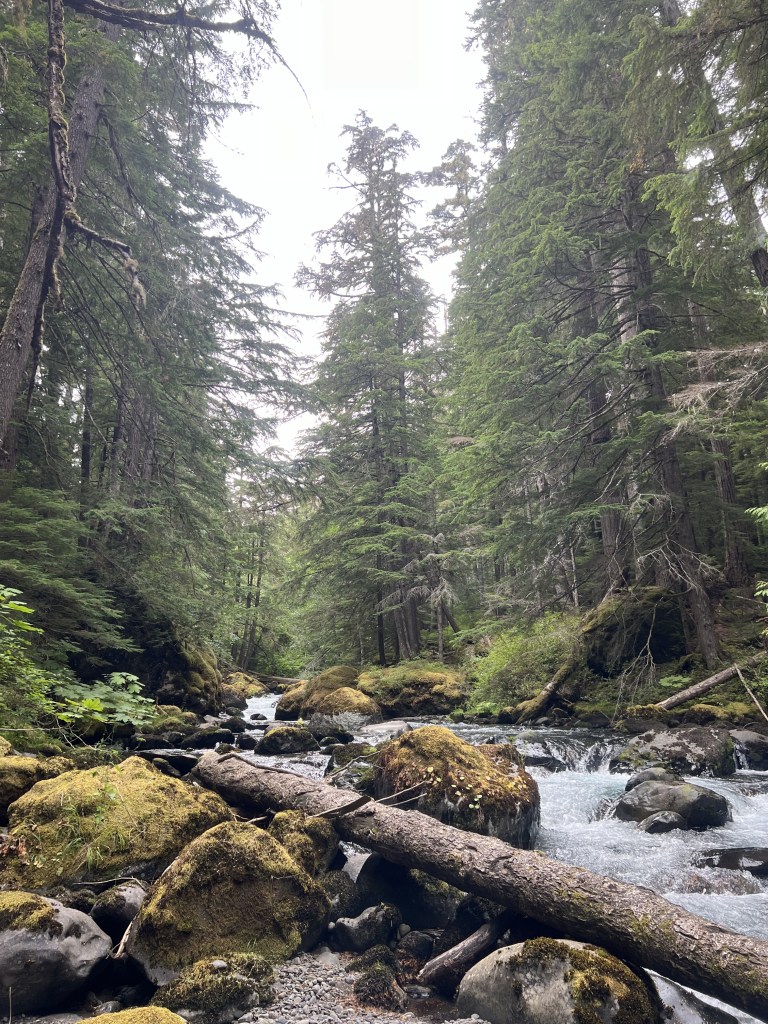
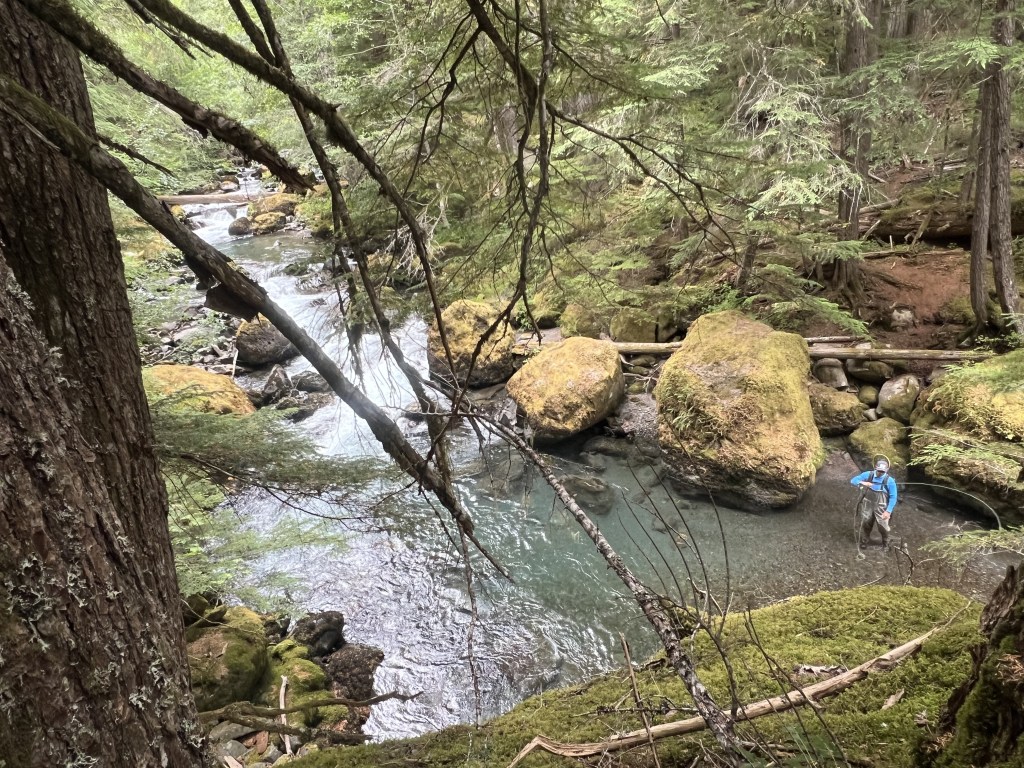
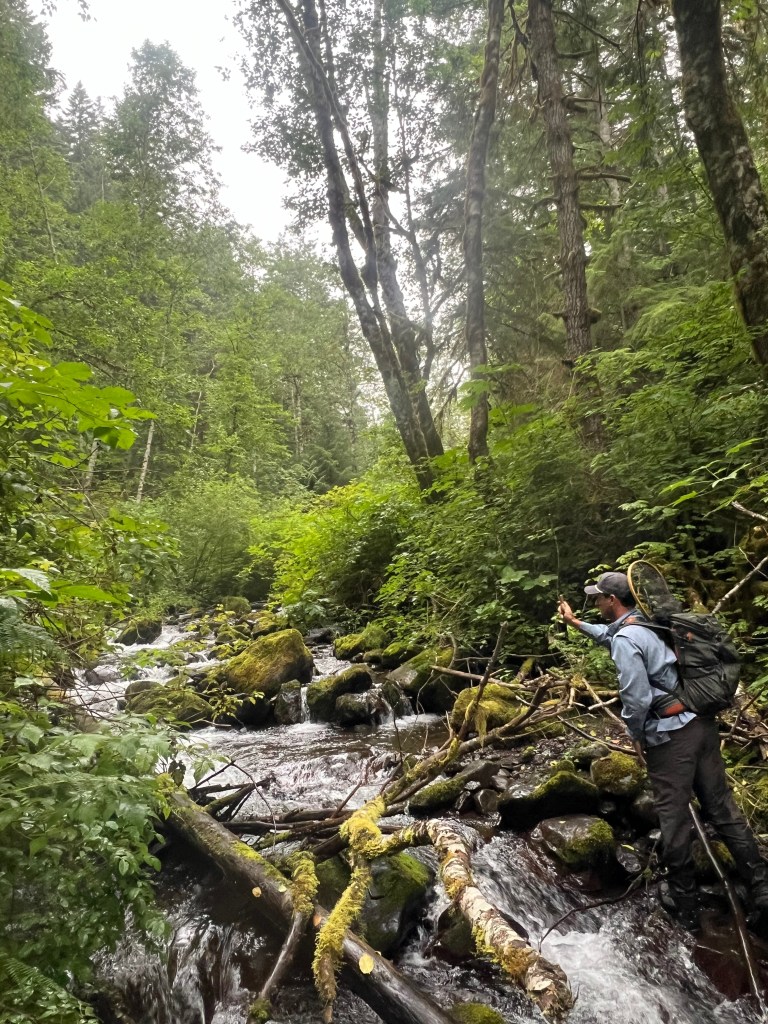
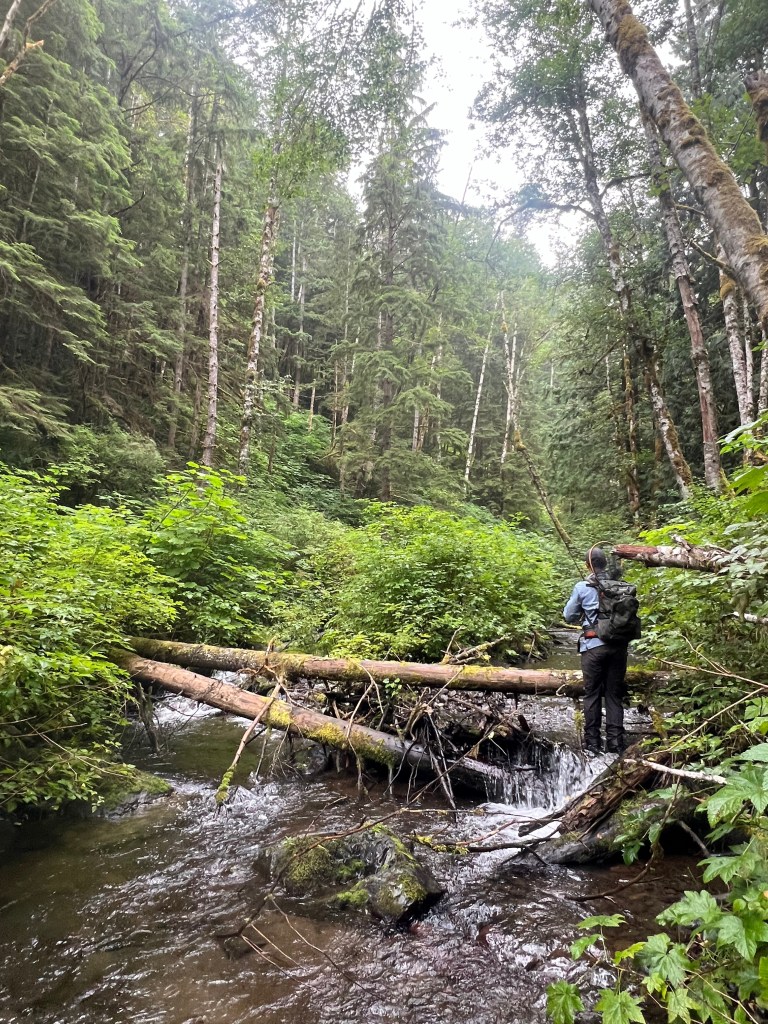
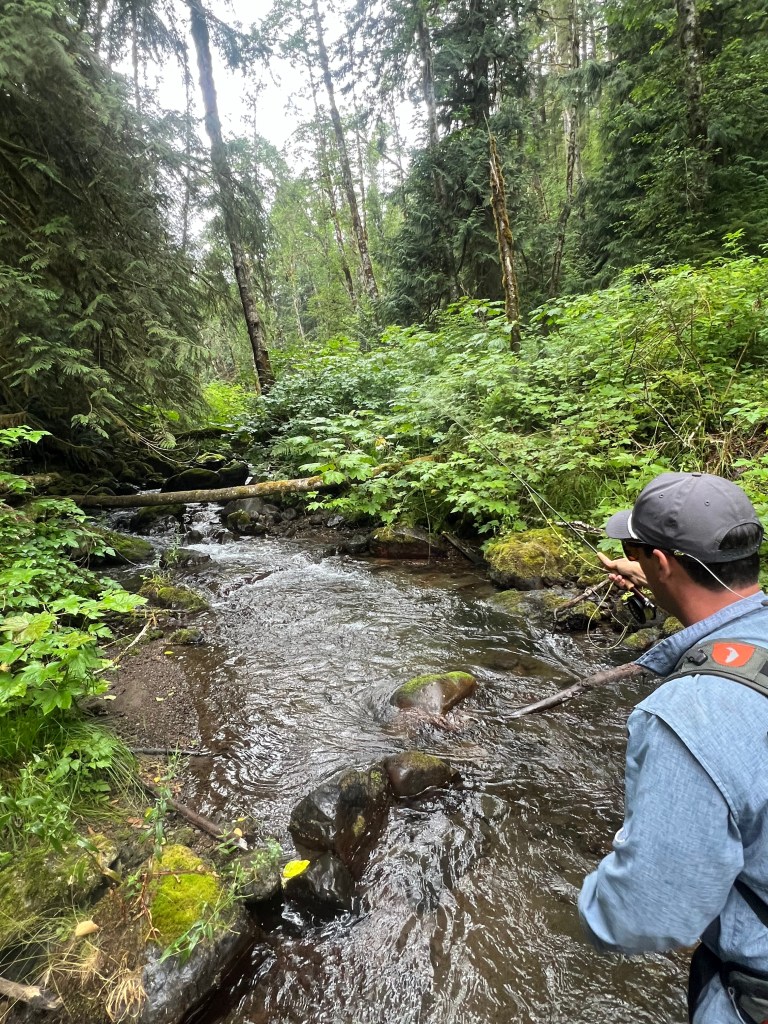
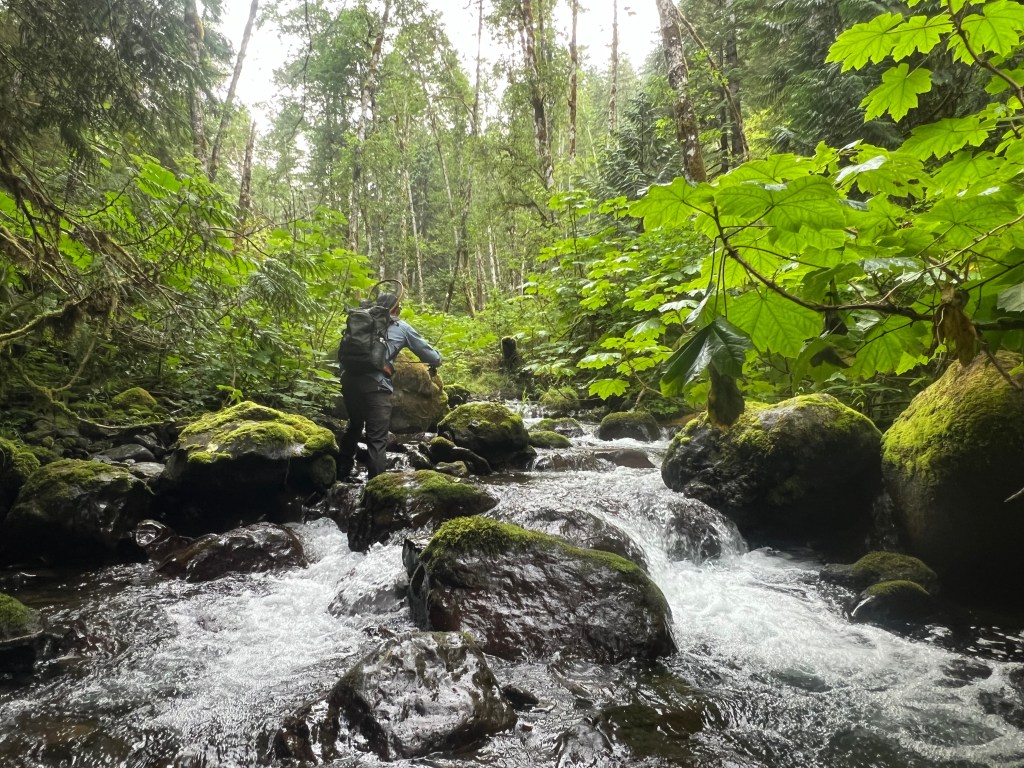
The river we fished had a trail that ran alongside it which made access pretty easy – we just parked at the trailhead and hiked as far as we were willing and then got in and started fishing. The river was crystal clear and the water was super cold – much colder than the last few days of fishing. It also had more volume than I was expecting, which was actually pretty nice, but made crossing it a little dicey in spots. It was a wide enough stream where Blake could stick to one side and I to another and we could kind of work it together as we moved upstream – really an ideal width.

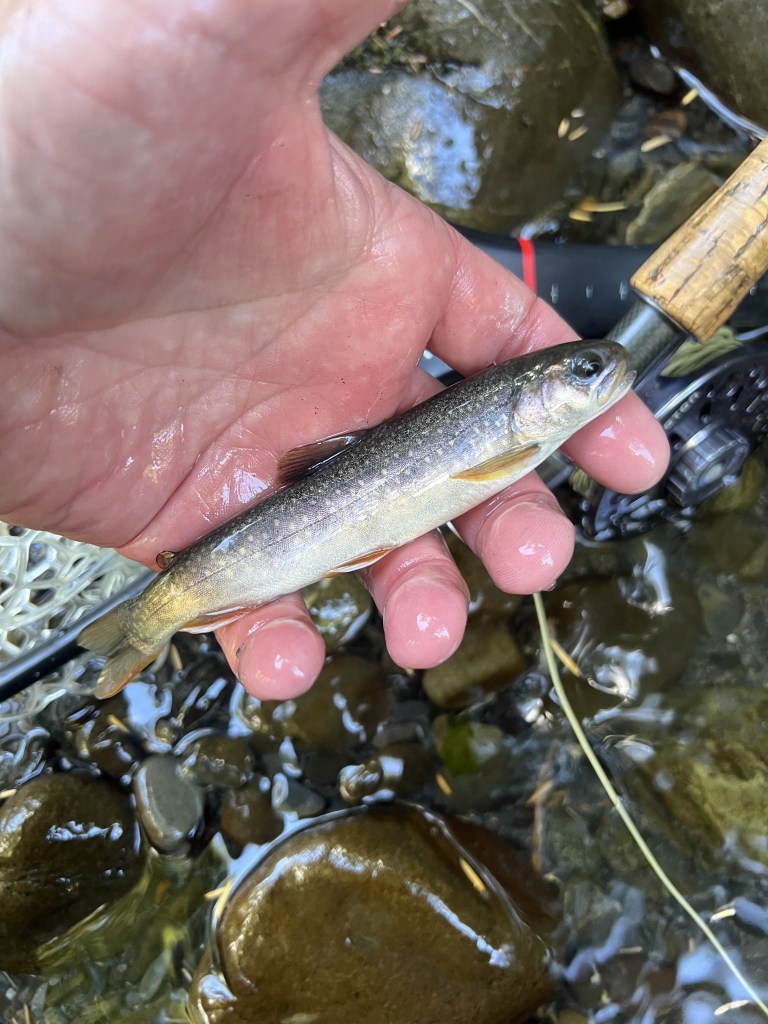
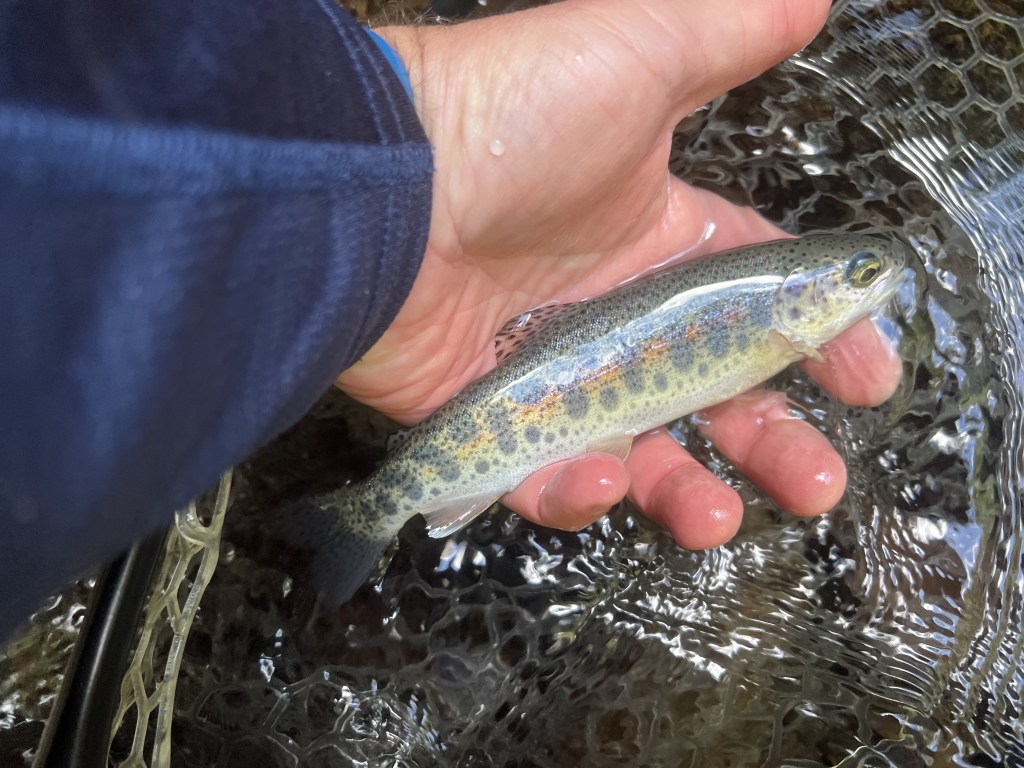
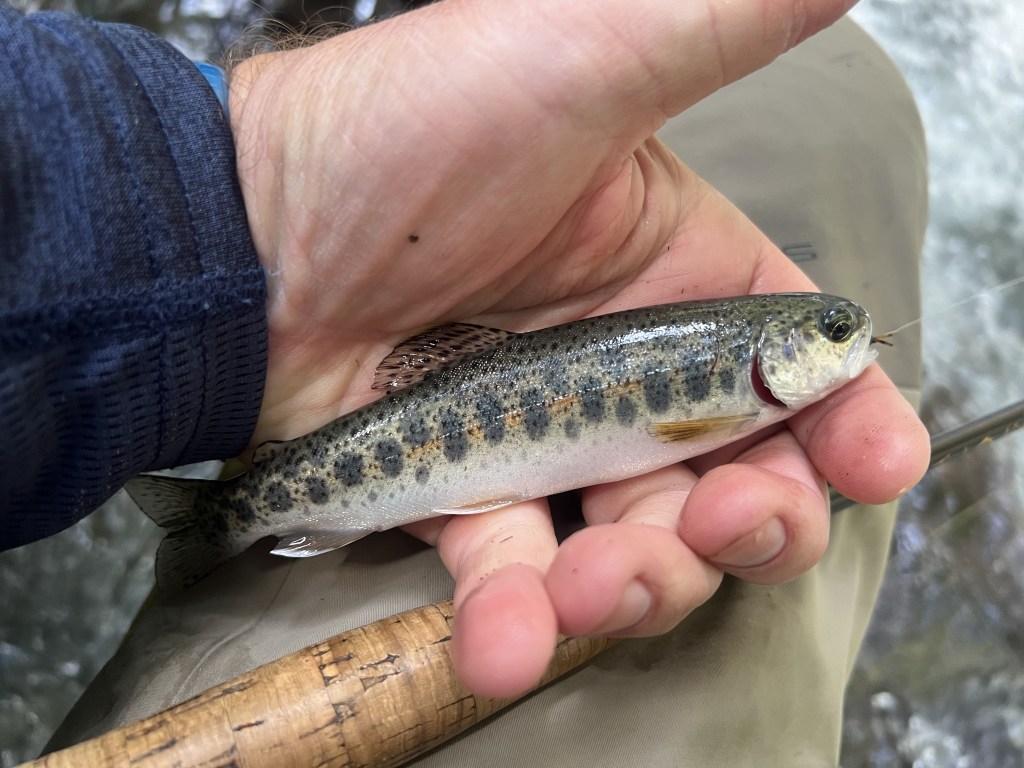
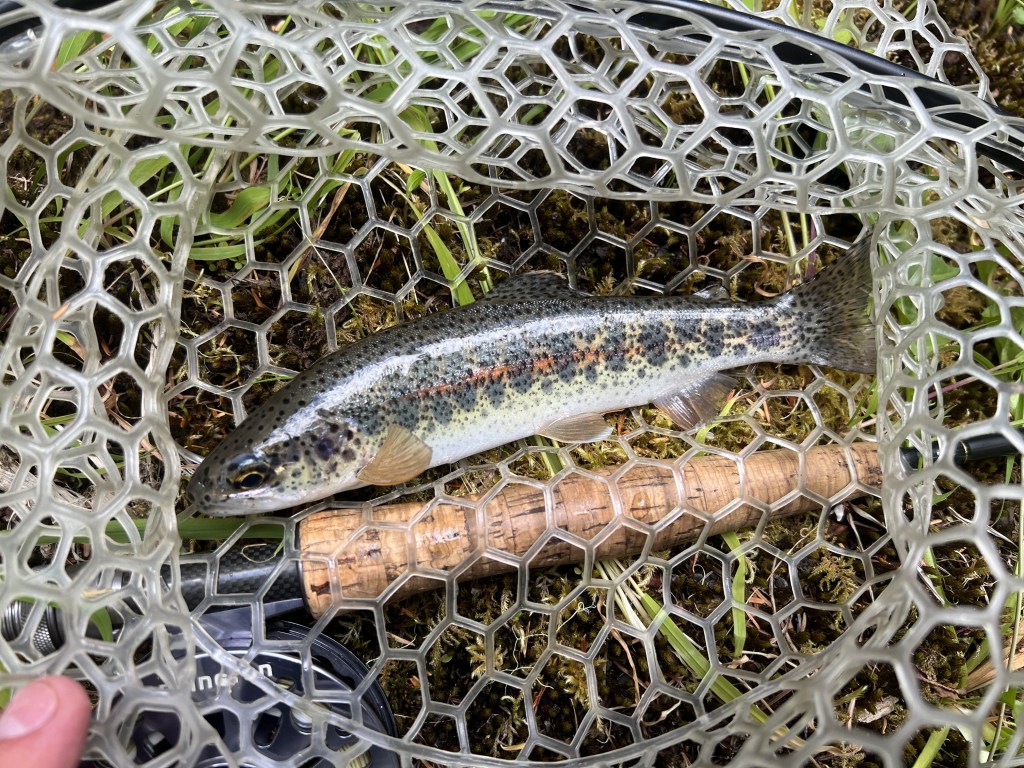
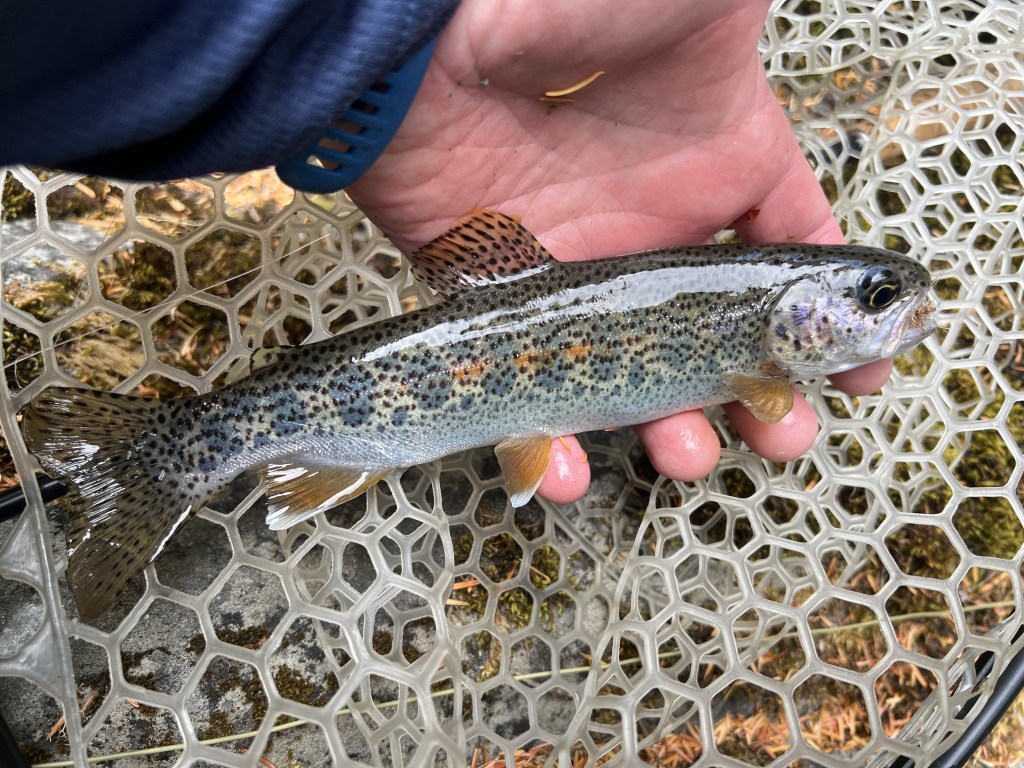
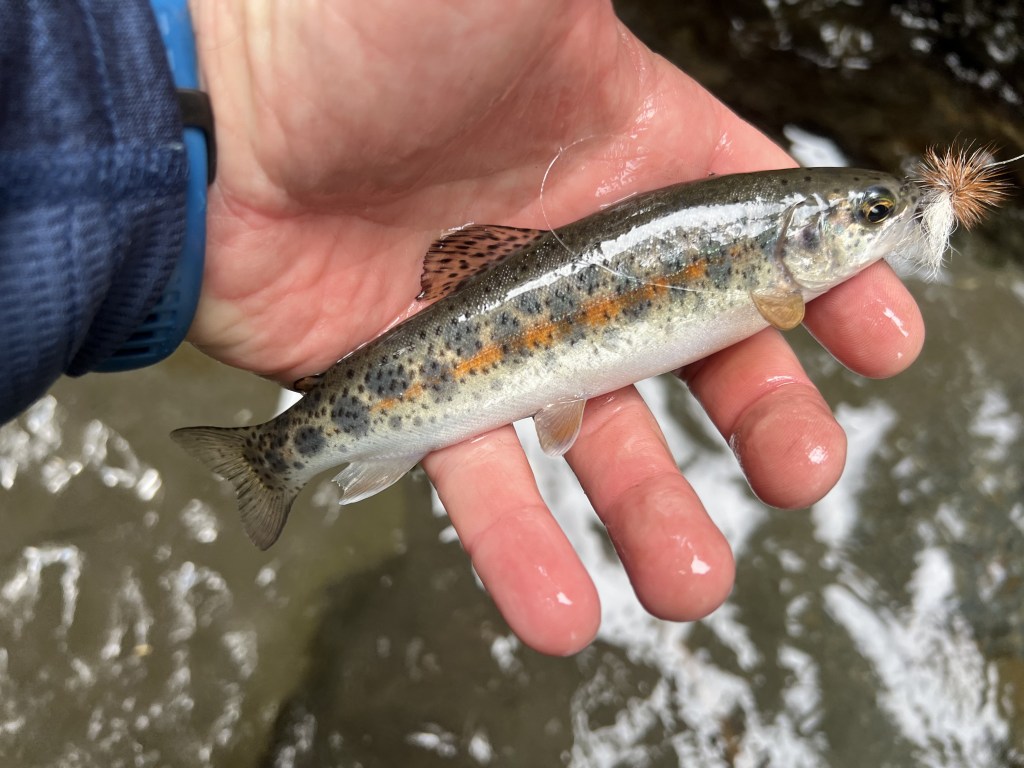
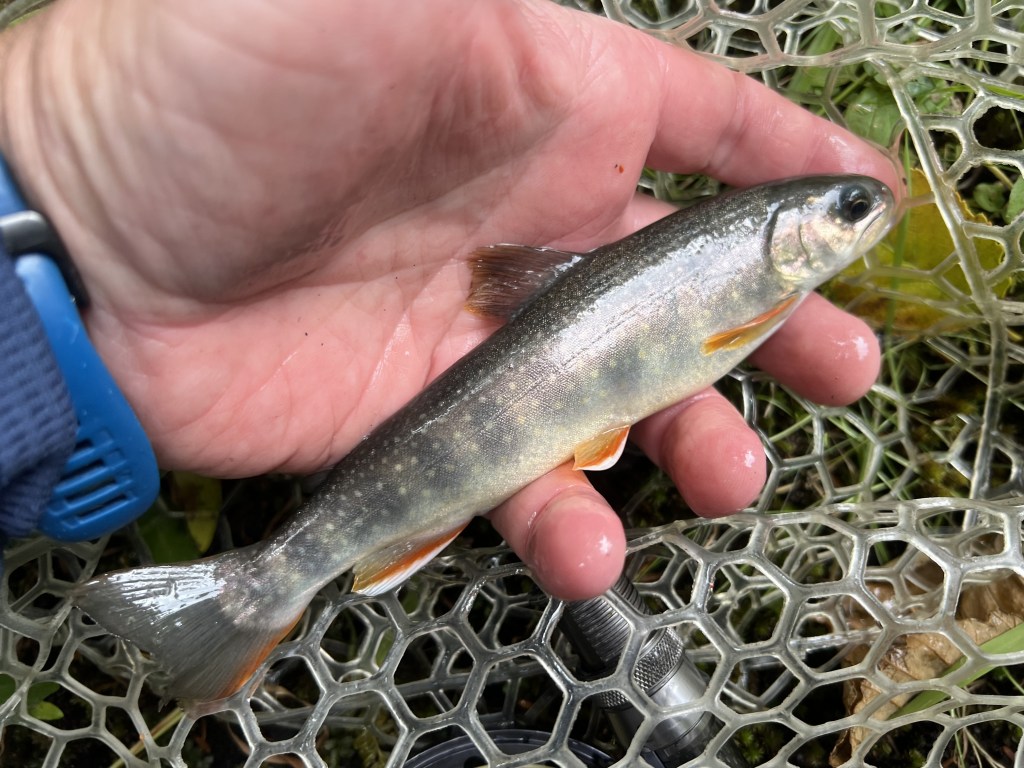
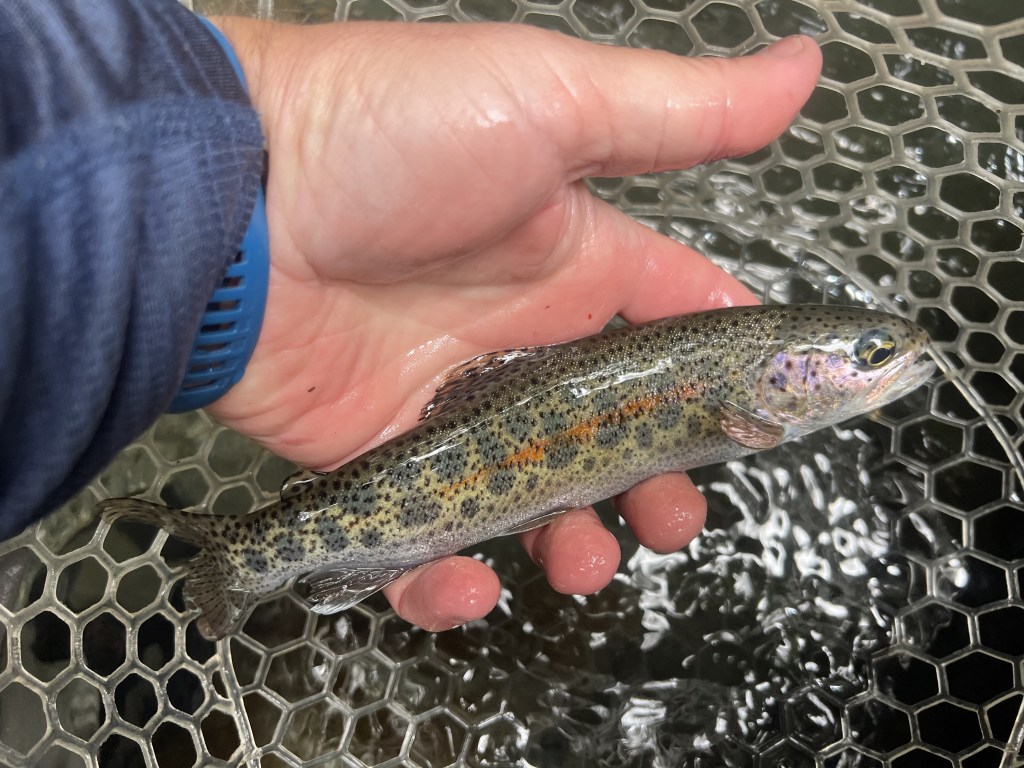
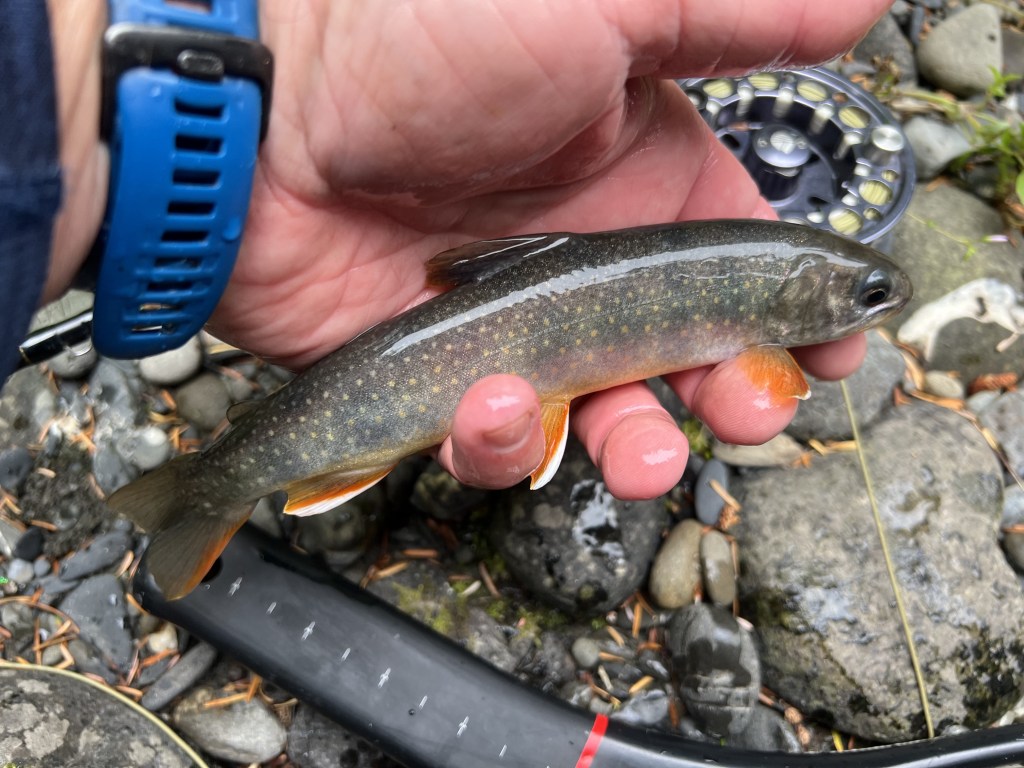
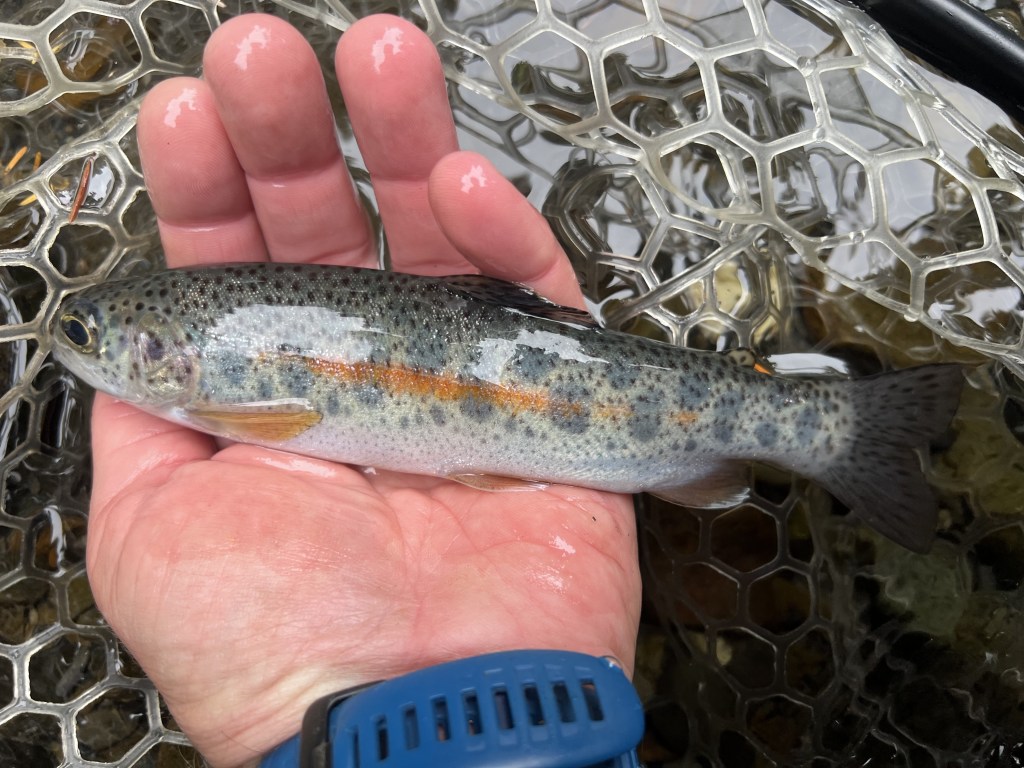
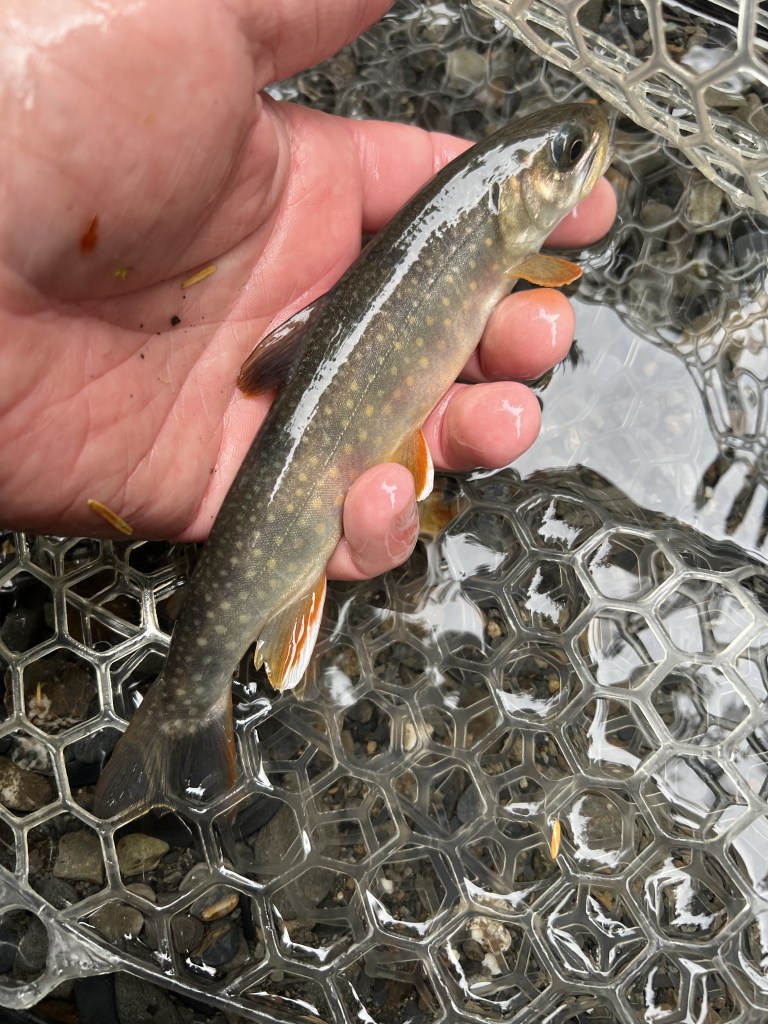
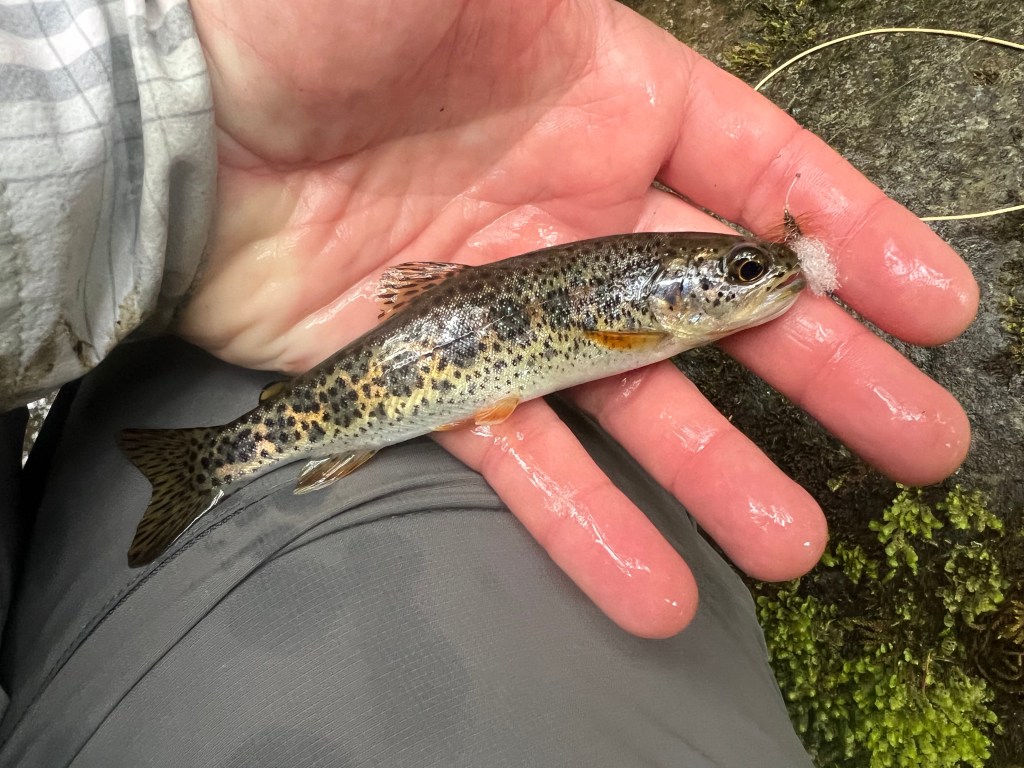
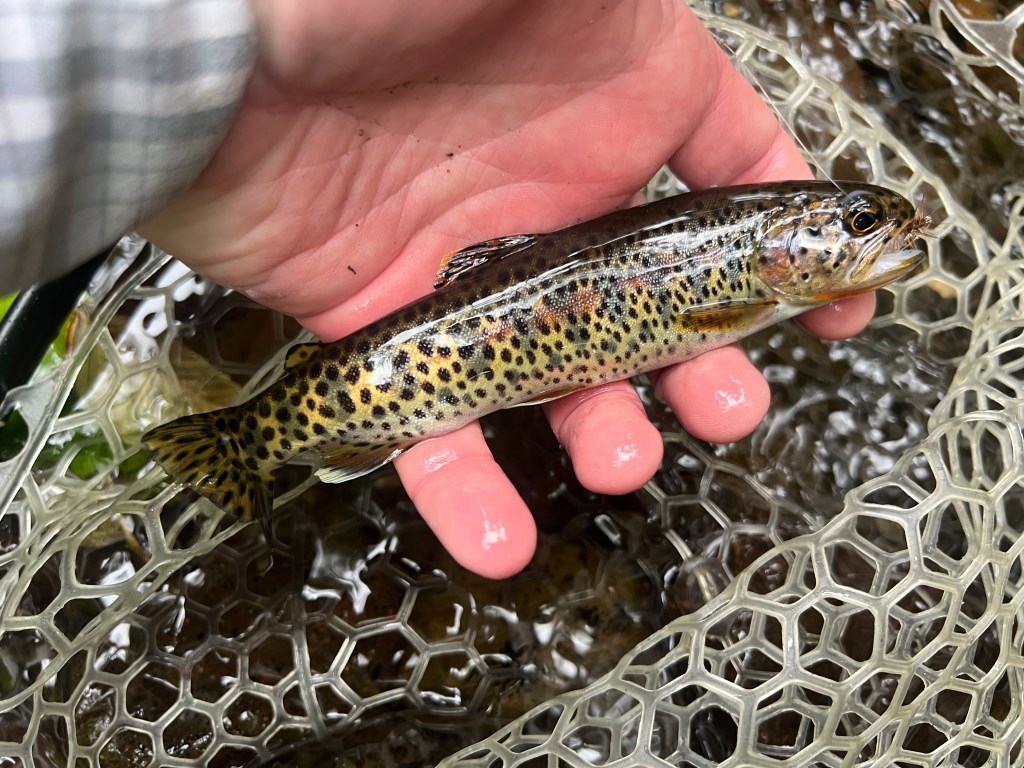
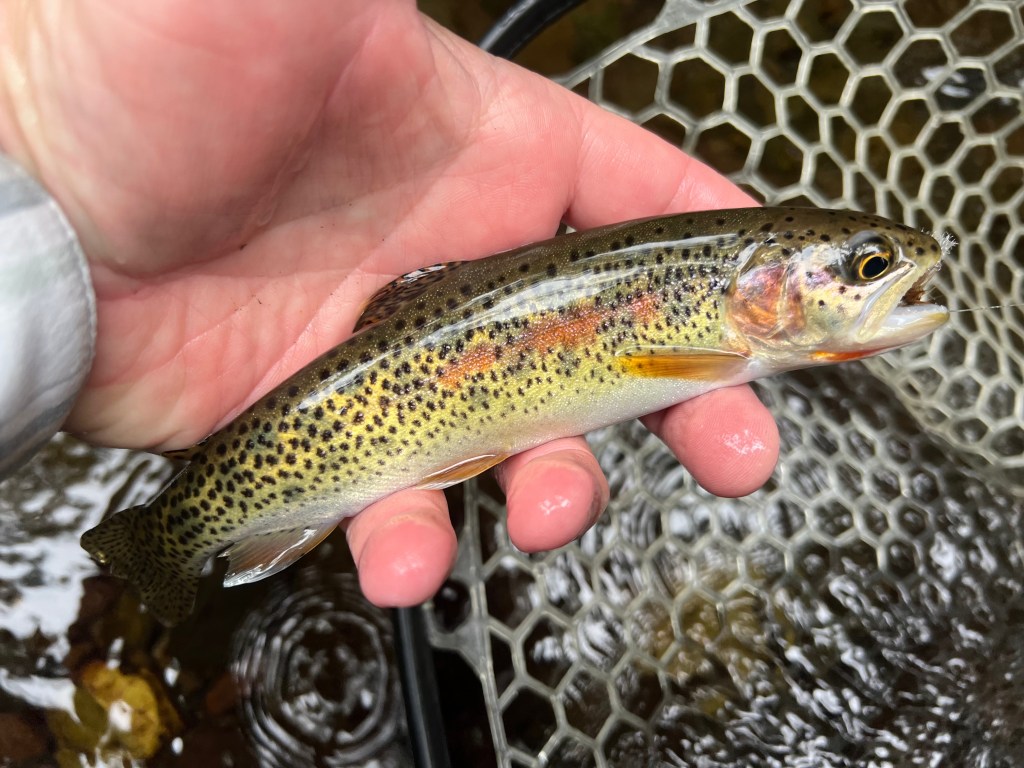
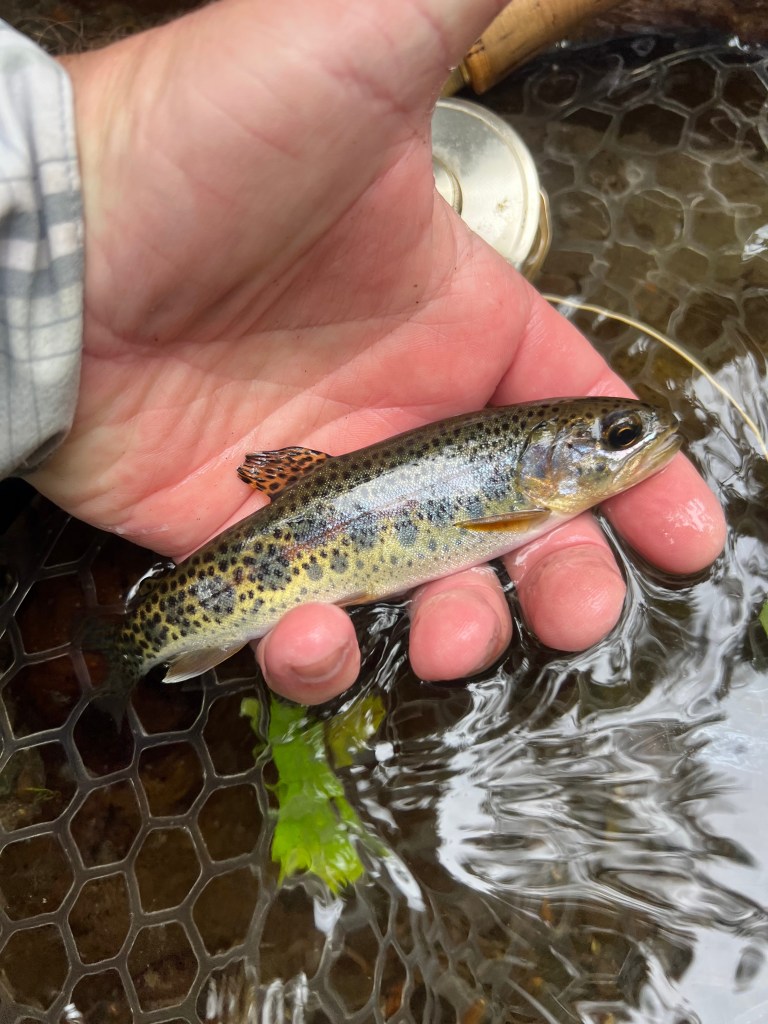
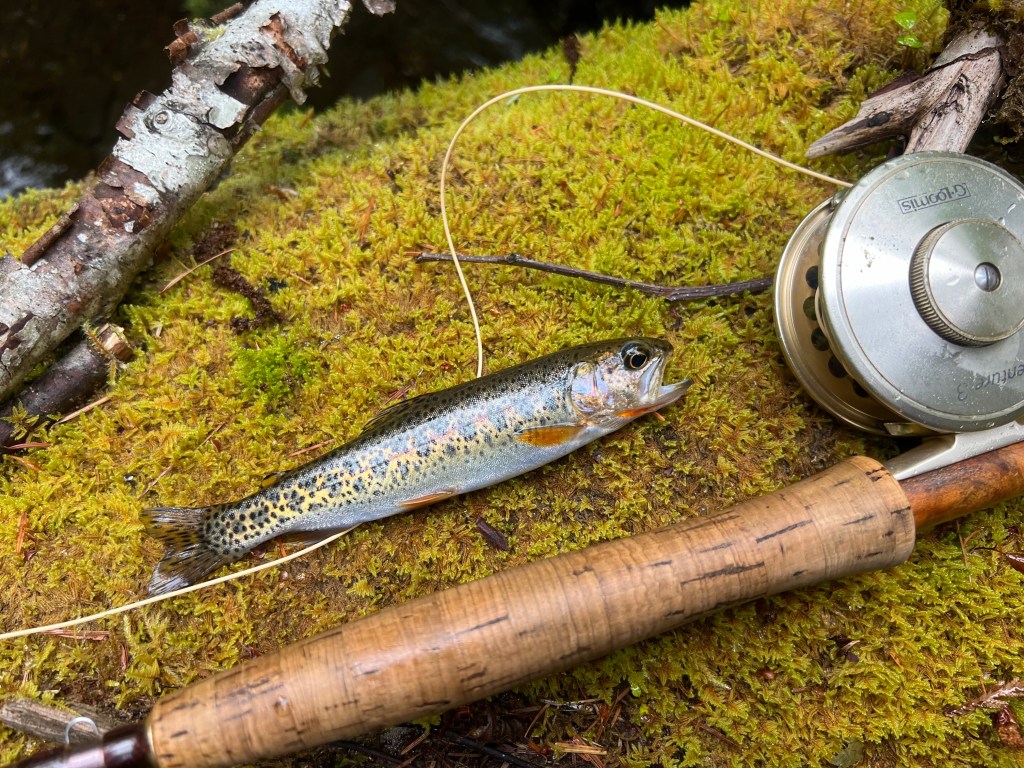
It didn’t take long to start catching fish and the first fish I caught was not actually a coastal rainbow, but another species entirely. As I’ve learned from Gary Marston, it was a southern subspecies of Dolly Varden. Not what we came for, but a delightful bycatch! My first Dolly and really my first char of any kind from the Pacific. Pretty sweet to find them here as well. I followed it up with a tiny rainbow and then the small one you see photographed above.
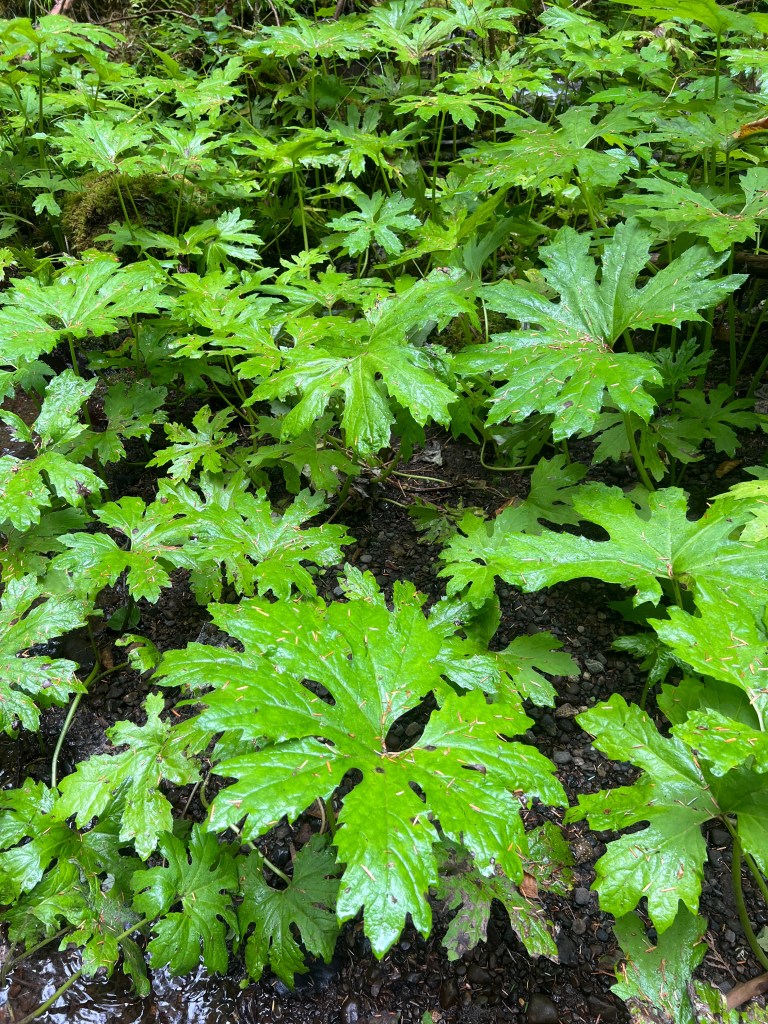
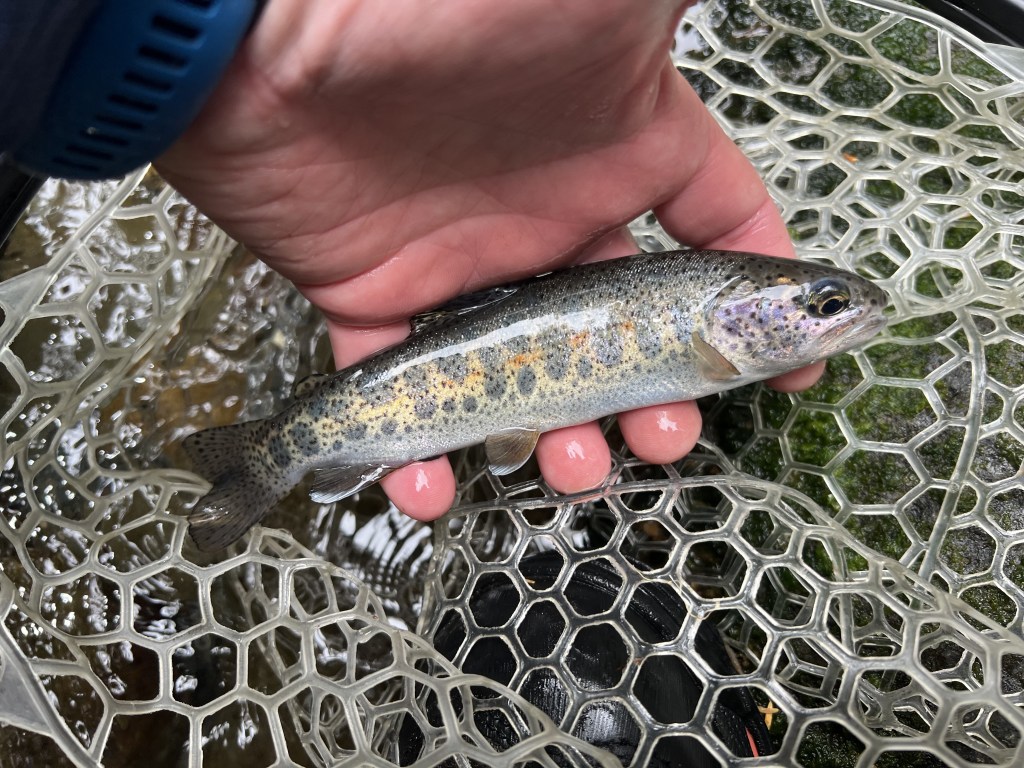
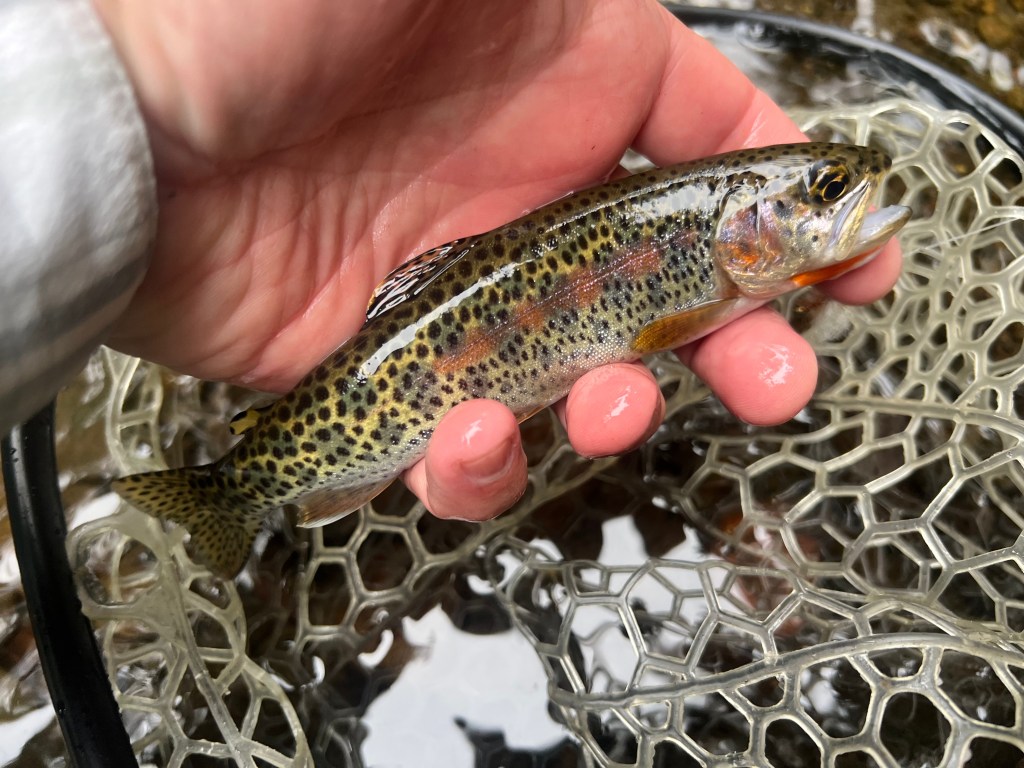
The stream had a lot of elevation gain in this section so there was quite a bit of fast water with intermittent pools and long runs. It was very productive water – a lot of fun to fish. The rainbows were gorgeous – and yes, they did remind me of the wild rainbows we have in North Georgia. These rainbows had more black pepper sprinkles on them though.

We fished dry dropper rigs and ended up catching a few more Dolly Varden on nymphs as we made our way upstream, but rainbow trout were definitely the predominate species on both flies. It was a great river to end our trip on – such a beautiful place to fish.

The Olympics were a great destination to go bluelining. I may have to make it back up to do some steelhead or salmon fishing in the future. Not enough time to do it all, and we barely scratched the surface of the Olympic Peninsula. We were able to catch a few different species on our trip and I got to see another part of our great country that I hadn’t before. I’m slowly checking off states and species in the Western Native Trout Challenge. The WNTC has taken me to some awesome places that I likely would not have visited, or at least fished, had it not been a thing. I’m glad we gave the Wyoming Cutt Slam a shot so many year’s ago, it’s been a lot of fun participating in the many other slams and challenges we’ve come across as states and organizations realize how much fun these programs are, and how important they are to the education and conservation of native fish species across the country.

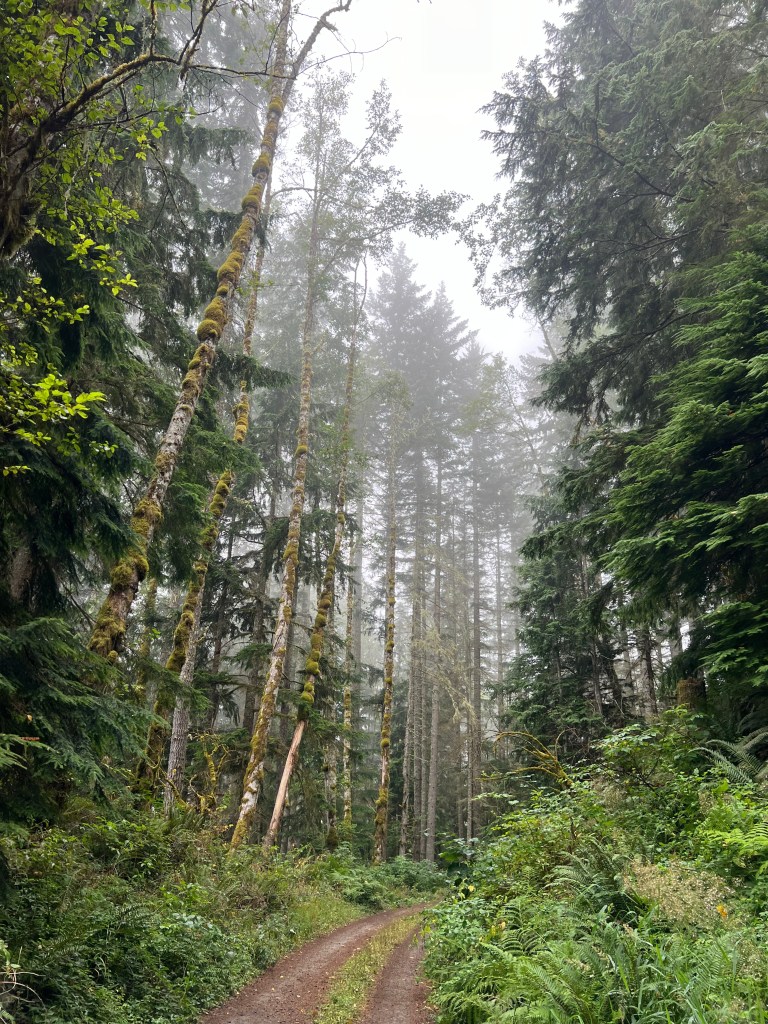
We headed out the next morning to a more remote location in the Olympic National Forest for another shot at coastal cutthroat trout. It was pretty cool to experience an early morning walk through a foggy temperate forest as we made our way upstream to where we wanted to start fishing. The stream was small, not as tight as the one from the day prior, but it still had that North Georgia feel to it. I hate to keep making comparisons of the Olympic peninsula to the southern Appalachians, but there were a lot of similarities to me – at least in the part of the peninsula we had been fishing. Both probably receive a similar amount of annual rainfall.

Throwing a trude style dry fly I was able to pick up a few small trout pretty early on. Much like yesterday, my first couple of fish didn’t really look that different from a lot of wild rainbows I’ve caught in the past. The one you see above was my third and it had a distinctive orange slash under it’s throat – this one I knew was a coastal cutthroat.

The creek we were on was full of timber – which is awesome for native trout. I’ve actually worked on some aerial photography projects for work in the last few years where folks are assessing the amount of timber they have in their rivers from the imagery we are providing them. It was pretty cool to see that in action – albeit in a different watershed entirely, but the same state at least.

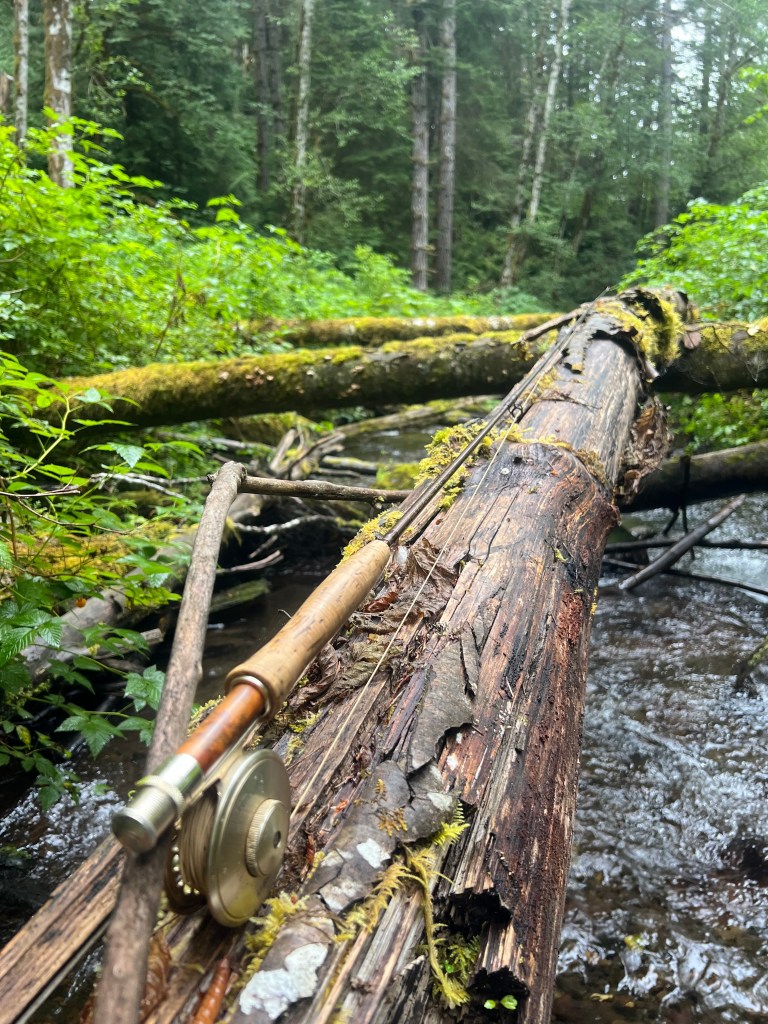
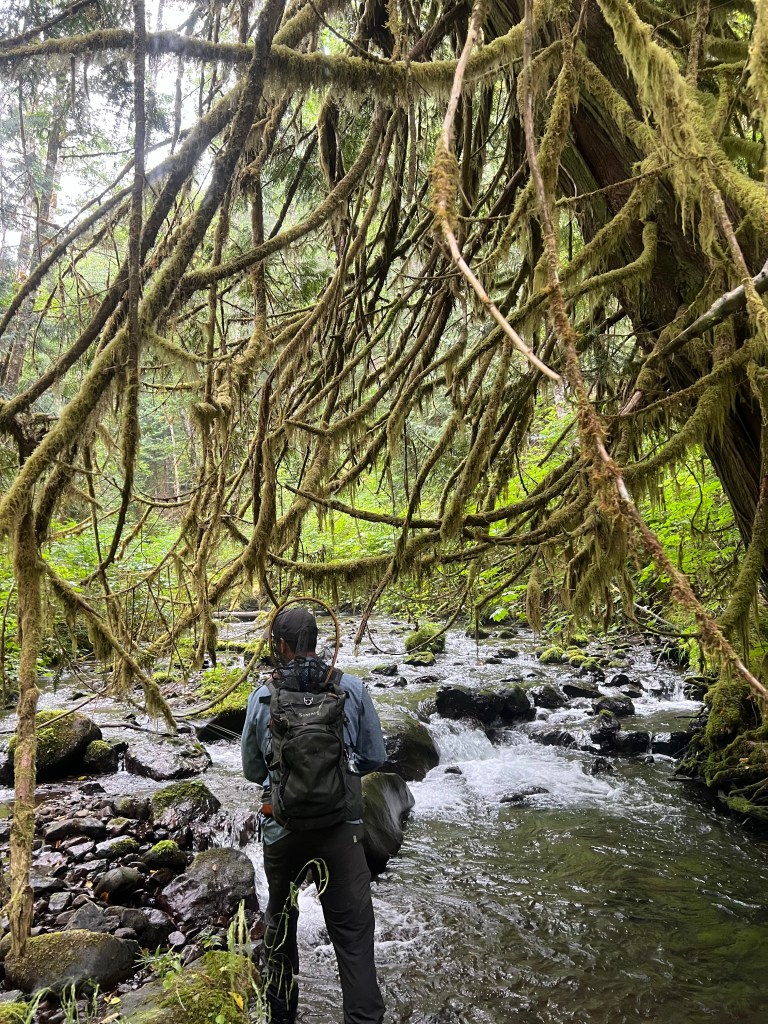
The creek was a pretty cool, some spots were too narrow to really fish effectively due to the overgrowth, other spots were wider and we could fish those pretty well. There wasn’t a ton of room for a backcast on any stretch, but a backcast is generally unnecessary on small streams like this. The moss that covered everything was awesome – really gave it that Dagobah feel, lol. There are tons of interesting things you come across when you fish new environments – the little bubble ring that rotated in perpetuity was certainly one of them.

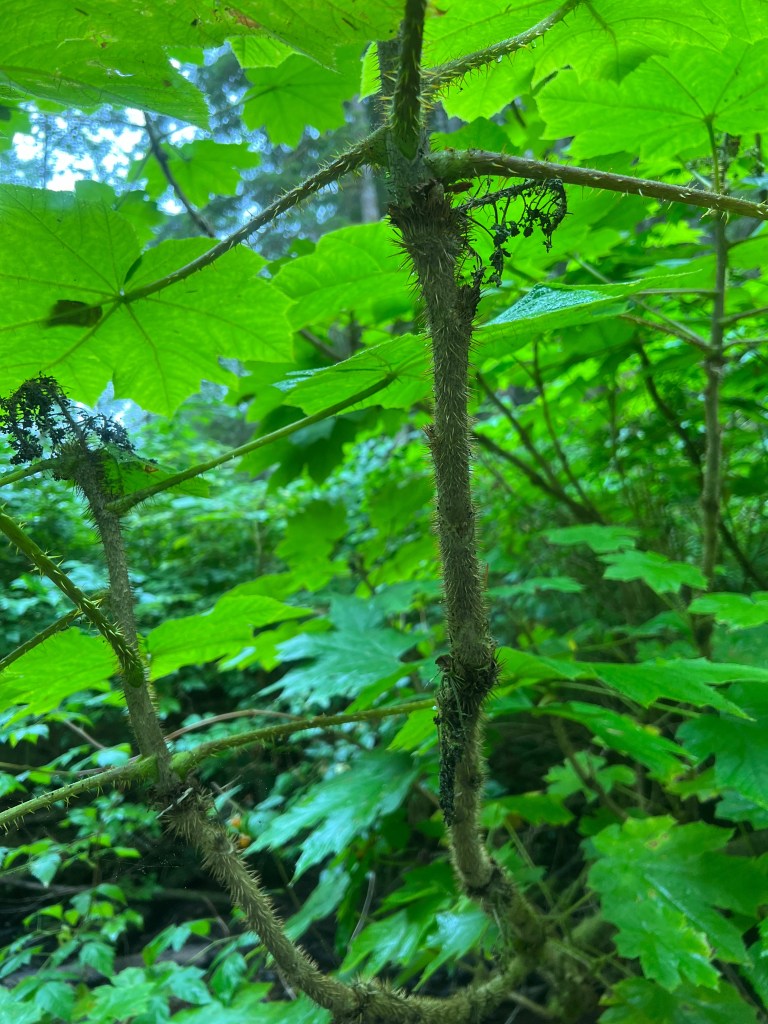
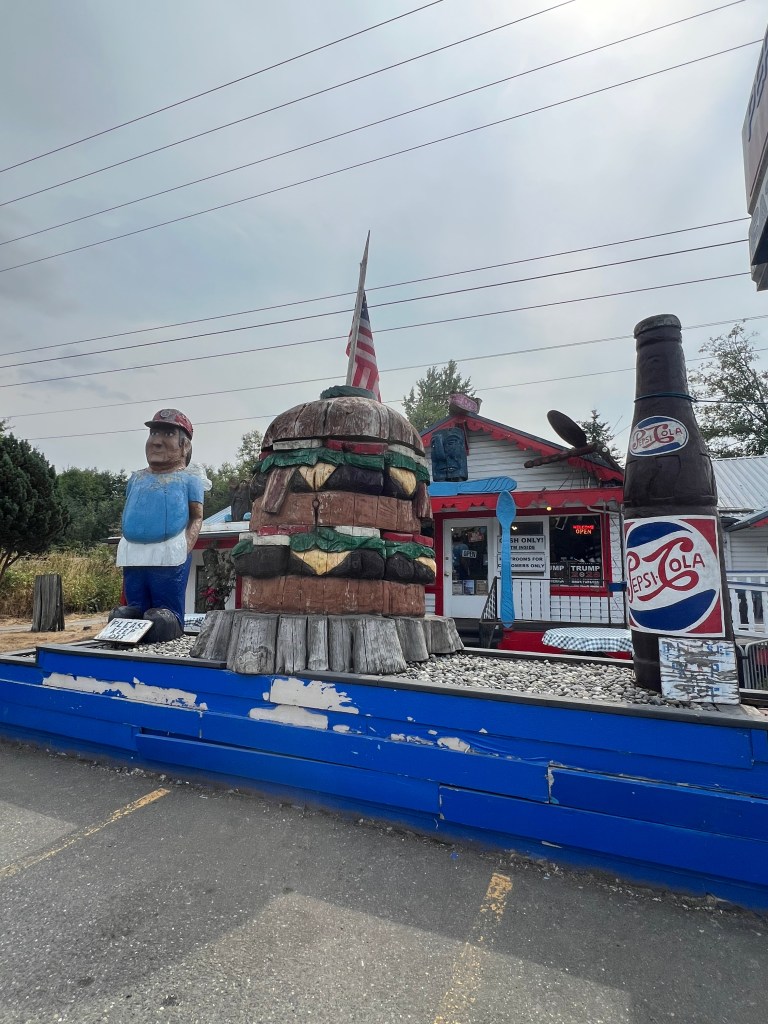
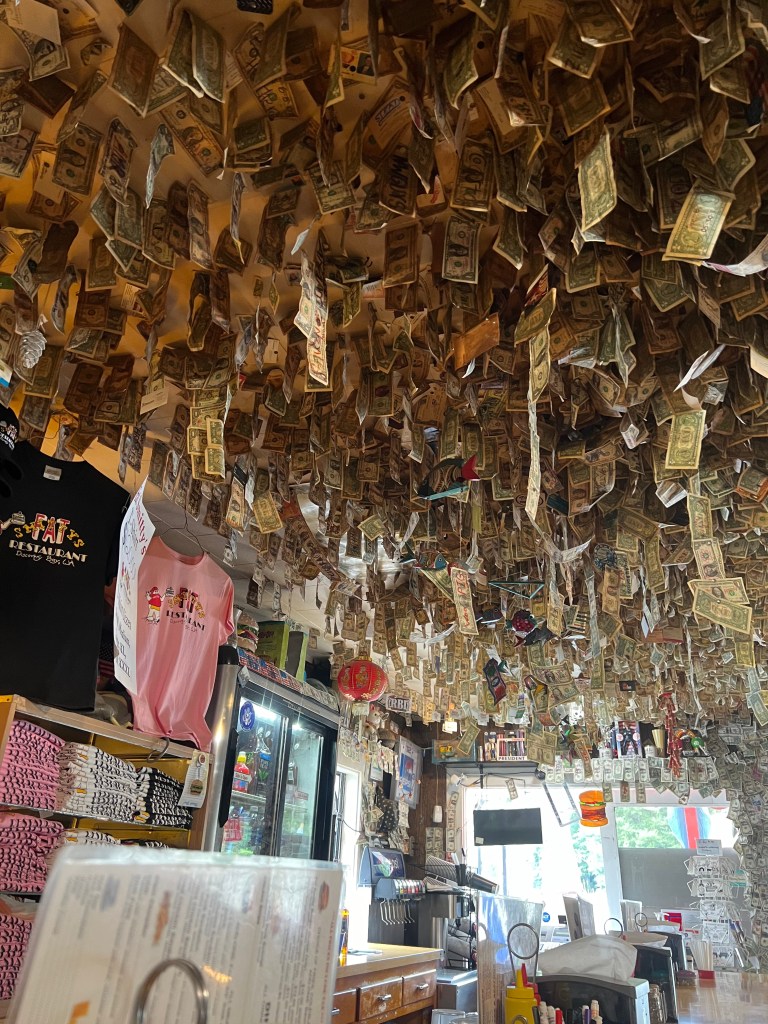
Coastal cutthroat were caught – mission accomplished – and the scenery was top notch. We were catching enough fish to keep us fishing, but I wouldn’t say the fishing was light’s out. Eventually we made it to a section of stream where the devil’s club kind of took over and was going to make wading through or walking around quite the adventure, so we opted to head back to the car and break for lunch. We had lunch at a cool little burger joint, Fat Smitty’s, in Discovery Bay – it may have been cash only – I don’t remember exactly, but the burger and shake hit the spot after a morning on the water.

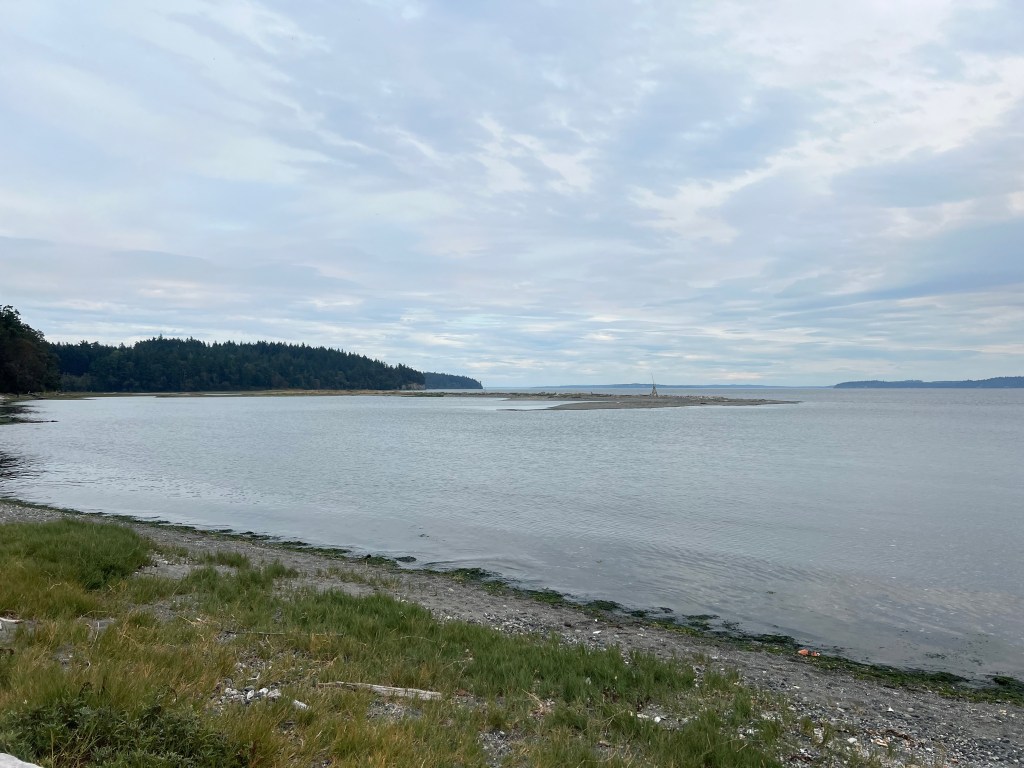
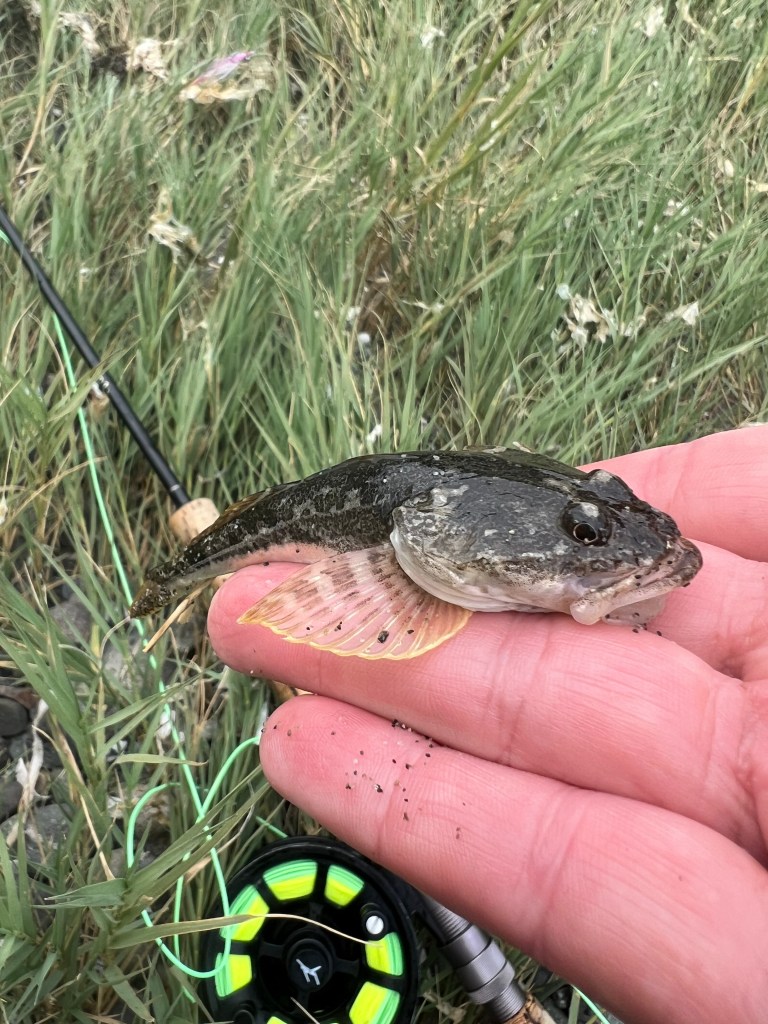
After the burger I felt like we should probably give the sea-run version of coastal cutthroat a try, that’s one thing that makes coastal cutthroat so unique, their ability to occupy multiple habitat types, so we headed towards a beach access. Theoretically, this also put salmon in play for us – which was an exciting thought. This was actually a year where pink salmon were in Puget Sound and the Hood Canal, so there was an outside chance we run into one. Apparently they are only in every other year. I picked a beach where I knew the tide would be moving – it was more of a pass than open water. When we arrived the water was moving alright – it was probably moving a little too fast for us to fish it effectively. There was lots of debris being pulled through the area, especially sea grass, so it wasn’t the easiest place to fish. We gave it the ole college try though and thankfully I was able to avoid the skunk and caught a few a Pacific staghorn sculpin – at least that’s what I think they are, I could be wrong. No luck on the cutthroat or salmon front however.

No luck at this spot and no confidence that we even knew how to pick a good beach, so we called it a day and headed back to camp. I would be remiss if we had not given it a shot, but I also knew that PNW beach fishing wasn’t really what we went up there for. It was cool to give it a try though and I liked being able to make the comparison to the beach fishing we have on the Gulf coast for our version of sea trout. Just like the streams, different, but the same…..if that makes any sense.