Well we made it to Colorado, saw some crazy murals in the Denver airport, stopped at a badass fly shop on the way to Estes, ate a kick ass burger at Oskar Blues (good beer too), and even managed to squeeze in some fishing time in the Park before it got dark on us. Elk are everywhere around here, even in town. It was a good day.
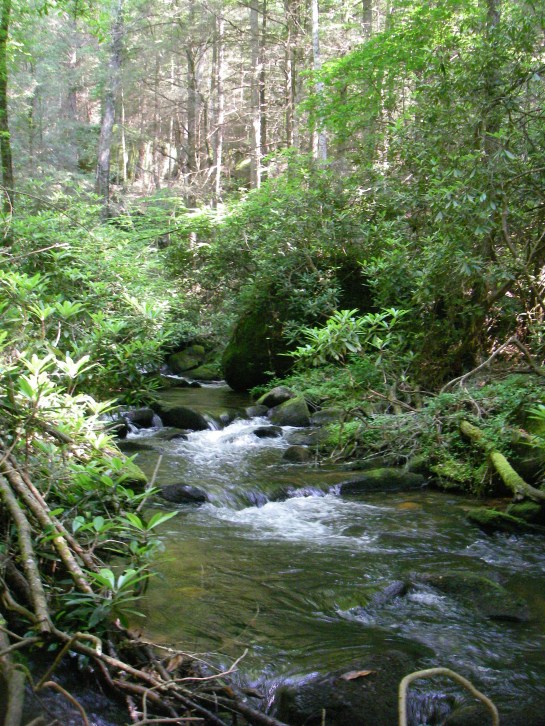
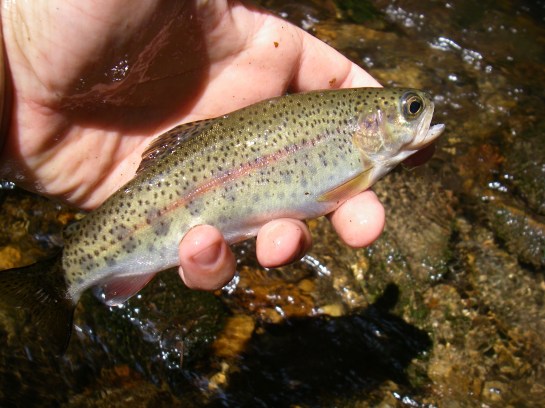
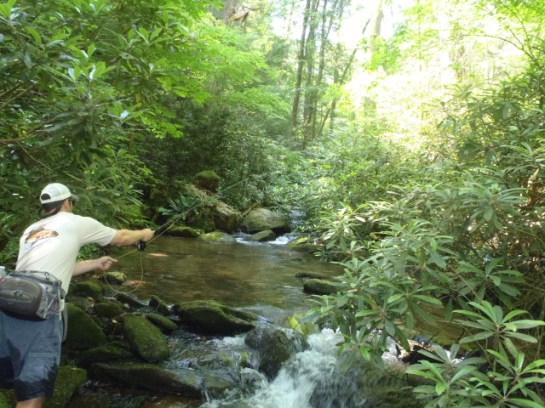
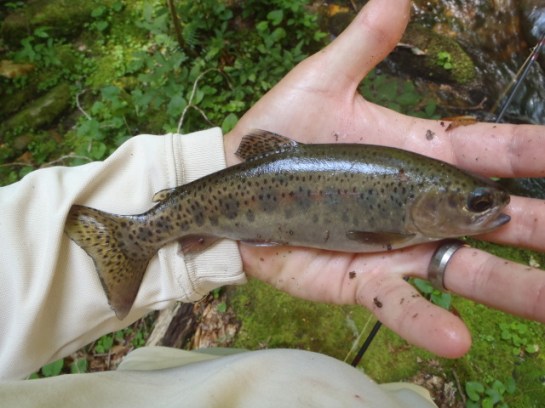
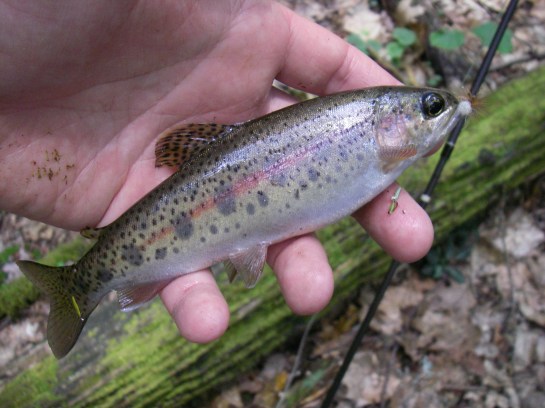
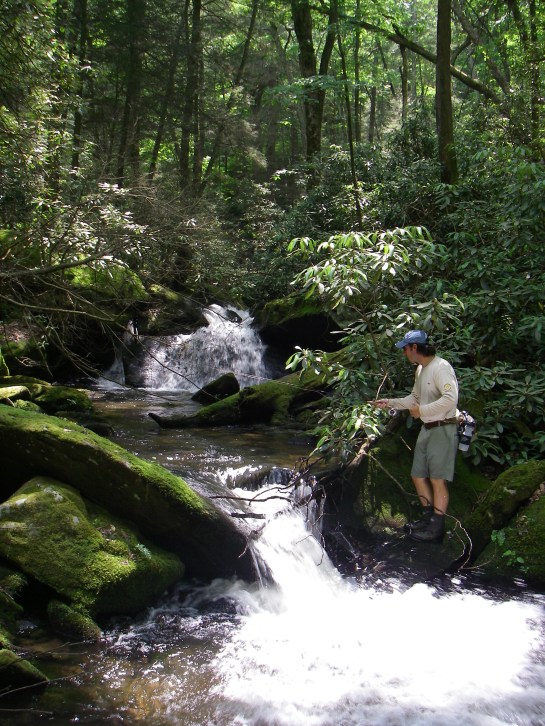
On day three of our trip we headed to my favorite creek in Georgia. This creek has wild rainbows, browns, and brookies, true slam water. In order to get a slam though we were going to have to cover a lot of ground – on foot and in the water. We parked where the creek emptied into some bigger water, then hiked up a mile or so, before dropping down into the creek. It didn’t take long to start catching rainbows. Nice fat, healthy ones at that.
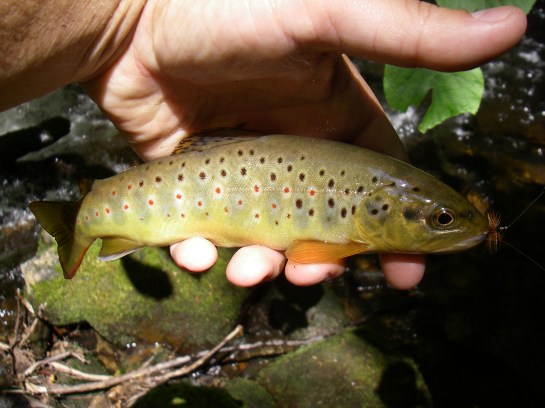
Then we got into the browns. In fact as we worked further upstream, they became more prevalent, to the point where there was a section that they were the dominant species we caught. Rainbows were definitely more numerous throughout the total stream though. Around this same time Blake got stung or bit by something right above his eye on the eyebrow. Best guess is yellow jacket, but throughout the rest of the day that eye started to swell up. He hung in there and fished on though, nothing we could really do about it, and he wasn’t having an allergic reaction. We documented the swelling with pictures. I must say, it is somewhat amusing to go through them almost a week later.
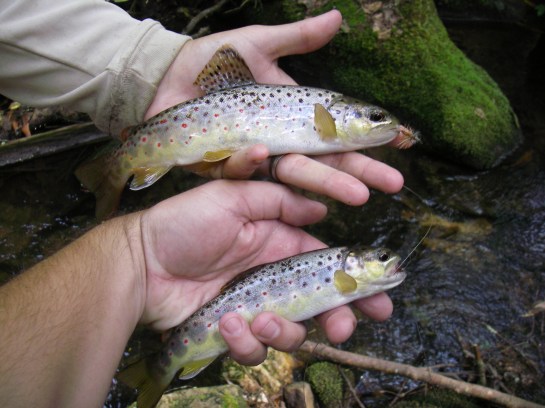
We came to a nice big pool in the creek under a small set of falls, Blake made a drift to the left, toward the bank and caught a nice brown. I jump there while he is taking the fish off and make the same drift, bam, another brown on. Hardly ever see two browns living in the same spot. Blake makes a third drift through the spot, wham, another brown on. This one was the biggest. I still had mine in my hand, so we got a shot of the double. Three browns, one hole. Go figure.
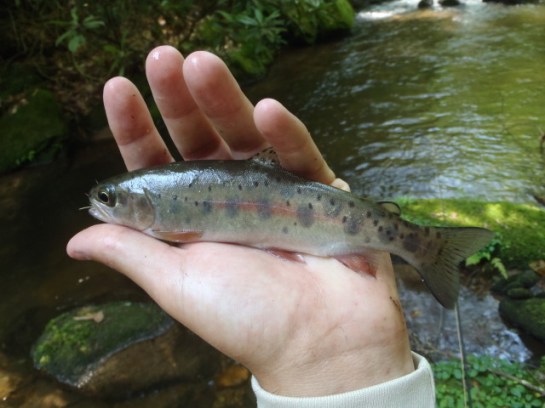
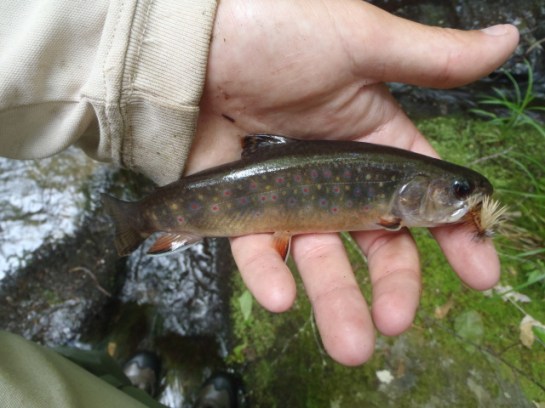
After the mother brownie hole it was on to catch the brookies. Blake had actually gotten a smaller one earlier that must have washed down, but we were still catching sporadic rainbows and it was getting late in the day, so we started bypassing some good water to gain elevation and get above the barrier falls. We weren’t that far below the barrier falls, so it wasn’t long before we were into the brookies. We didn’t stay in brookie country too long, just long enough to catch a handful each. The swelling around Blake’s eye had moved into his cheek and we faced a 2+ mile hike back to the truck.
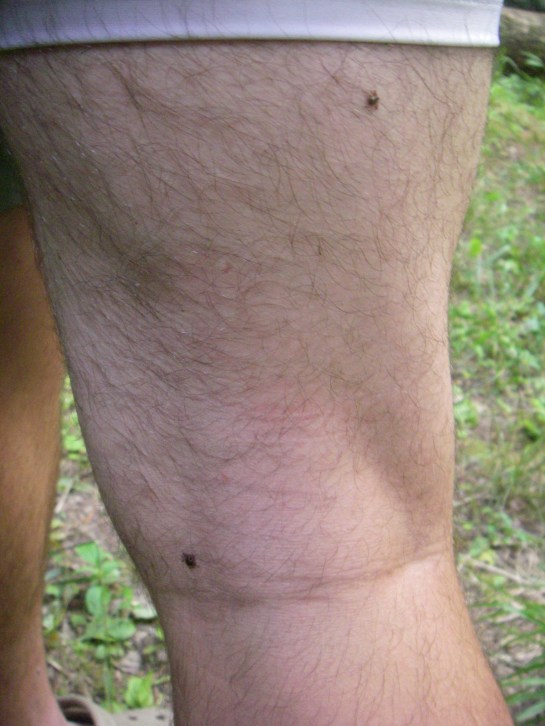
The hike out was nice, all downhill, the rhododendron were starting to bloom in the higher elevations. We even came upon a black bear as we were walking. It was a small one, off in the woods, I got a good glimpse of him before he scampered off. It marks only the second time I have seen one in the Georgia wilderness. He left me no time to get a picture. When we got back to the truck, we sat on the tailgate to cool off and have a beer. As we took our boots and gravel guards off one of noticed a tick, which prompted us to check the rest of our bodies. Well, between the two of us, we ended up pulling nine off of our legs. None were embedded, in fact a few were even crawling, we must have picked them up on the hike out. So watch out in North Georgia, it is tick season.
The salmonids are in family Salmonidae, which has 10-11 genera that is divided into 3 subfamilies; Coregoninae(whitefish), Thymallinae(grayling), and Salmoninae(char/trout/salmon). Living in the Southeast you have access to a very limited amount of salmonids and I’ve caught the 3 that occur in Georgia. The brook trout is the only native trout species in Georgia and it is actually a char.
Updated, December 2025: I made my first trip out West in September of 2012 to Colorado and caught several “greenback” cutthroat trout in Rocky Mountain National Park – or what were considered greenback trout at the time. Made another trip out West in August of 2013 to Teton and Yellowstone National Parks where I picked up another cutthroat species and mountain whitefish. In August of 2015 I was able to complete the Wyoming Cutt Slam, picking up Wyoming’s four native cutthroat species (they do have a fifth, the Westslope, that is not required for the slam). In July of 2017 I completed the Utah cutthroat slam, which didn’t necessarily add any new species to the list, but I was able to add Bonneville cutthroat outside of the Bear River drainage and Bear River cutthroat, which some consider genetically distinct. In June of 2021 I made it out to Arizona and New Mexico to catch Apache and Gila trout in their native range. In August of 2022 I made it up to northern Idaho and caught several Westslope cutthroat in their native range. In July of 2023 I made a northern New Mexico/southern Colorado trip and caught lots of Rio Grande cutthroat in their native range. Finally, in August of 2025 I made it out to the Olympic peninsula of Washington and caught coastal rainbow trout in their native range, coastal cutthroat, southern Dolly Varden, as well as the genetically distinct Lake Crescent cutthroat trout.
Dr. Robert Behnke is the man when it comes to salmonid knowledge. Pick up his book if you want to learn more about this particular family, “Trout and Salmon of North America”. Another great resource is Gary Marston’s Native Trout Fly Fishing blog, he has a Trout and Salmon species page with pictures and information of all those that he has caught (which may be all that are found in the U.S.). Gary’s trip reports are a good read as well, he has had some epic road trips to catch trout in their native range.
Trout found in the Southeastern United States
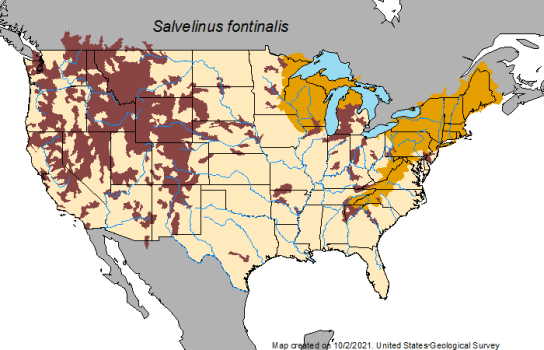
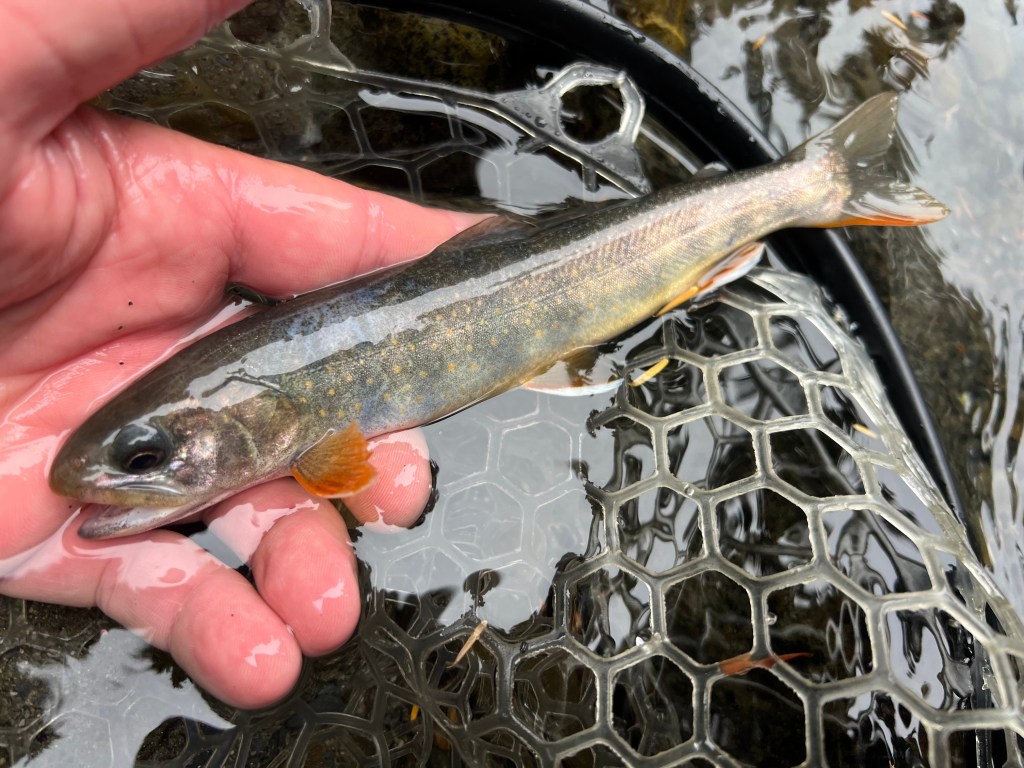
Salvelinus fontinalis – Brook trout
Brook trout are the first native trout species I ever encountered as they do live in Georgia.
Salmo trutta – Brown trout
Brown trout are not native to North America.
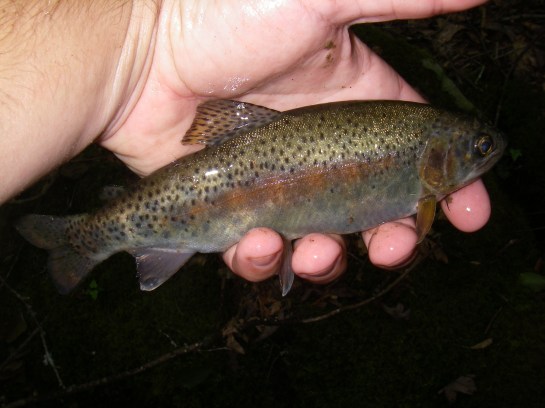
Oncorhynchus mykiss – Rainbow trout
The first trout species I ever caught, happy to say that I have now caught them in their native range too!
According to Wikipedia, the coastal cutthroat trout occurs in four distinct forms. A semi-anadromous or sea-run form is the most well known. Freshwater forms occur in both large and small rivers and streams and lake environments – pictured above is the stream resident freshwater form. The historic native range of the coastal cutthroat trout extends south from the southern coastline of the Kenai Peninsula in Alaska to the Eel River basin in Northern California.
Oncorhynchus clarkii clarkii crescentii – Coastal cutthroat trout – Lake Crescent form
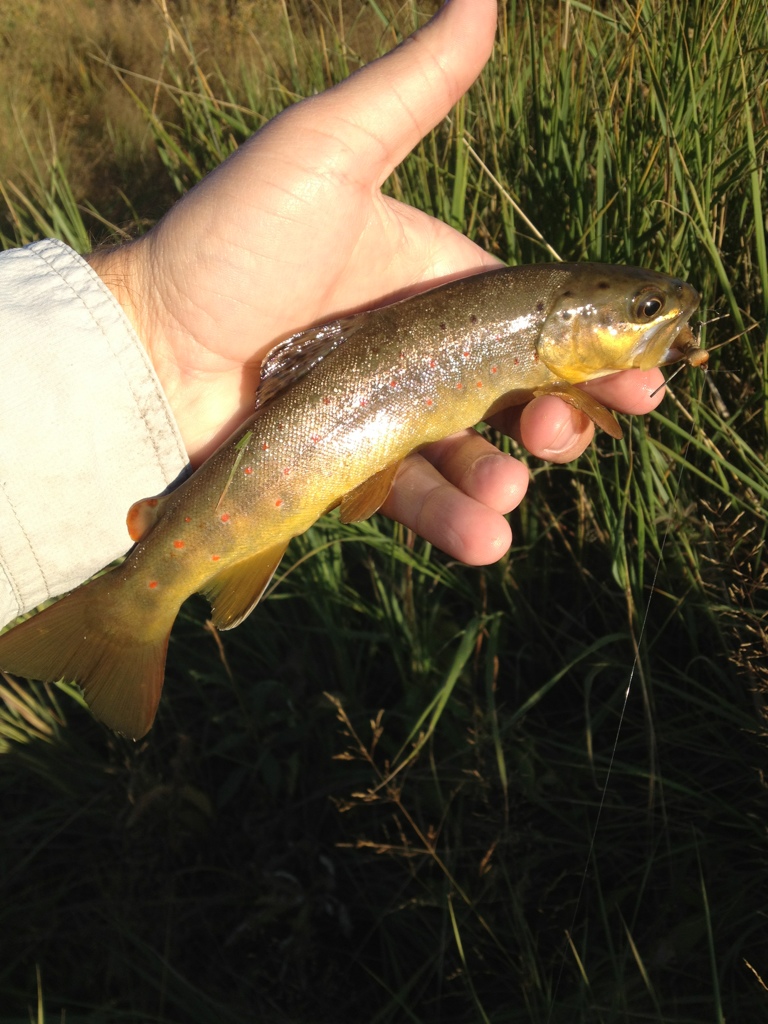
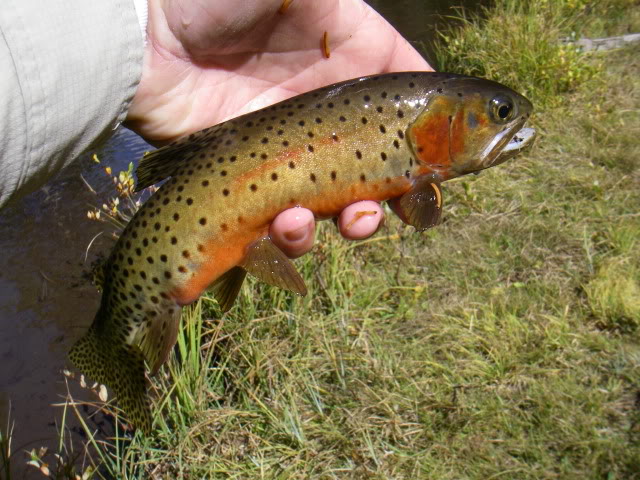
At the time this fish was considered a greenback, but it’s more likely that it isn’t after genetic research determined that the true greenback was limited to only one stream, outside of it’s native range, in Colorado. Work has been done to re-establish populations throughout it’s native range and hopefully I’ll have the opportunity to fish for a true greenback cutt. Their historic range is pretty much in the state of Colorado on the Front Range, with some watersheds slipping into Wyoming. They are found in the headwaters streams of the South Platte and Arkansas River drainages.
Oncorhynchus clarki pleuriticus – Colorado River cutthroat trout
Their historic range is headwaters streams in the Green and Colorado Rivers, as far south as the San Juan River, west of the Continental Divide. They are currently limited to a few small headwater streams of the Green and upper Colorado rivers in Colorado, Utah, and Wyoming, including the Escalante River drainage in southern Utah.
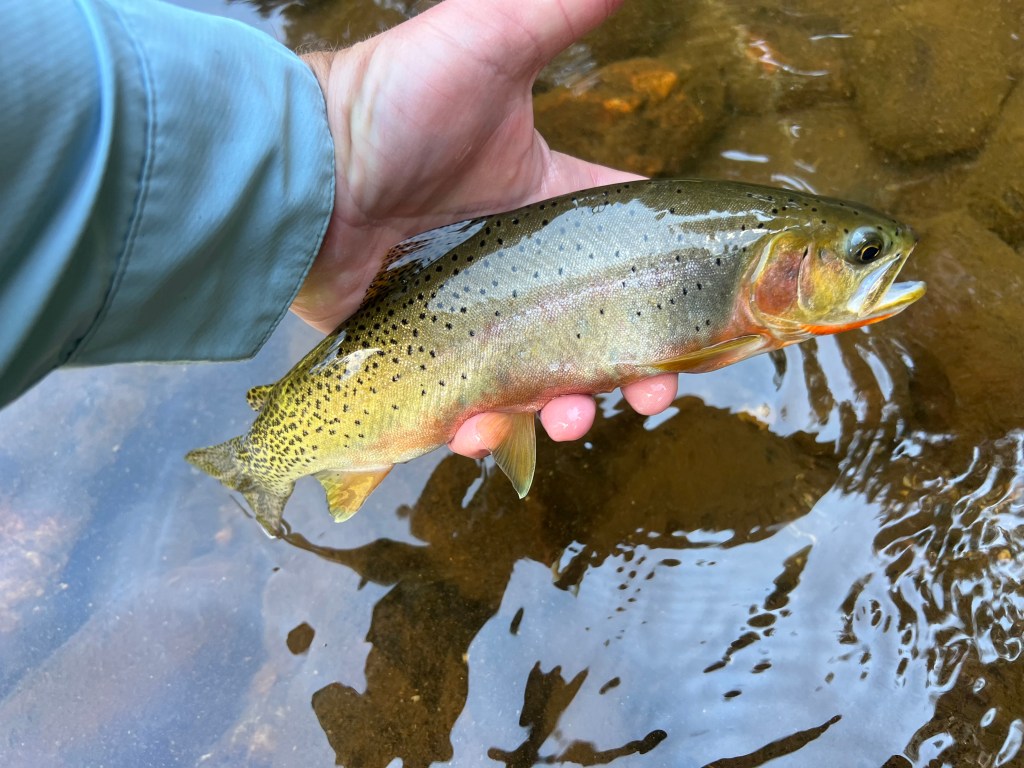
Oncorhynchus clarkii virginalis – Rio Grande cutthroat trout
Their historic range is headwater streams in the Pecos and Rio Grande watersheds in Colorado and New Mexico.
They are found in the headwaters streams of the Bear River. No range map was given from NatureServe or the USGS for the Bear River cutthroat trout, but they are native to the Bear River and it’s tributaries, including Bear Lake.
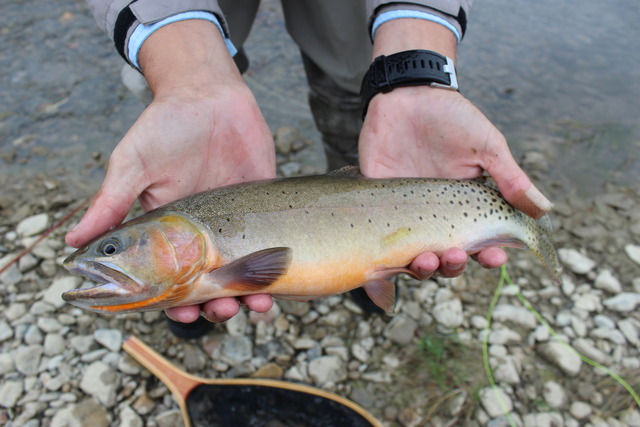
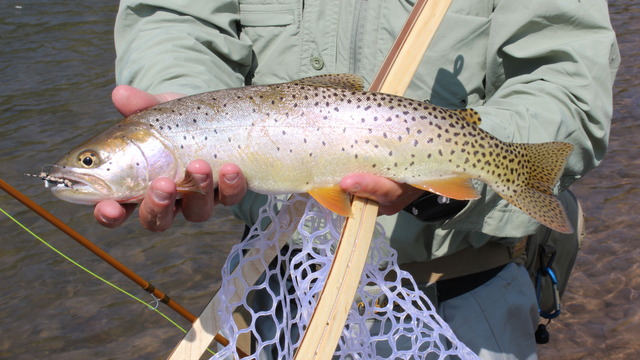
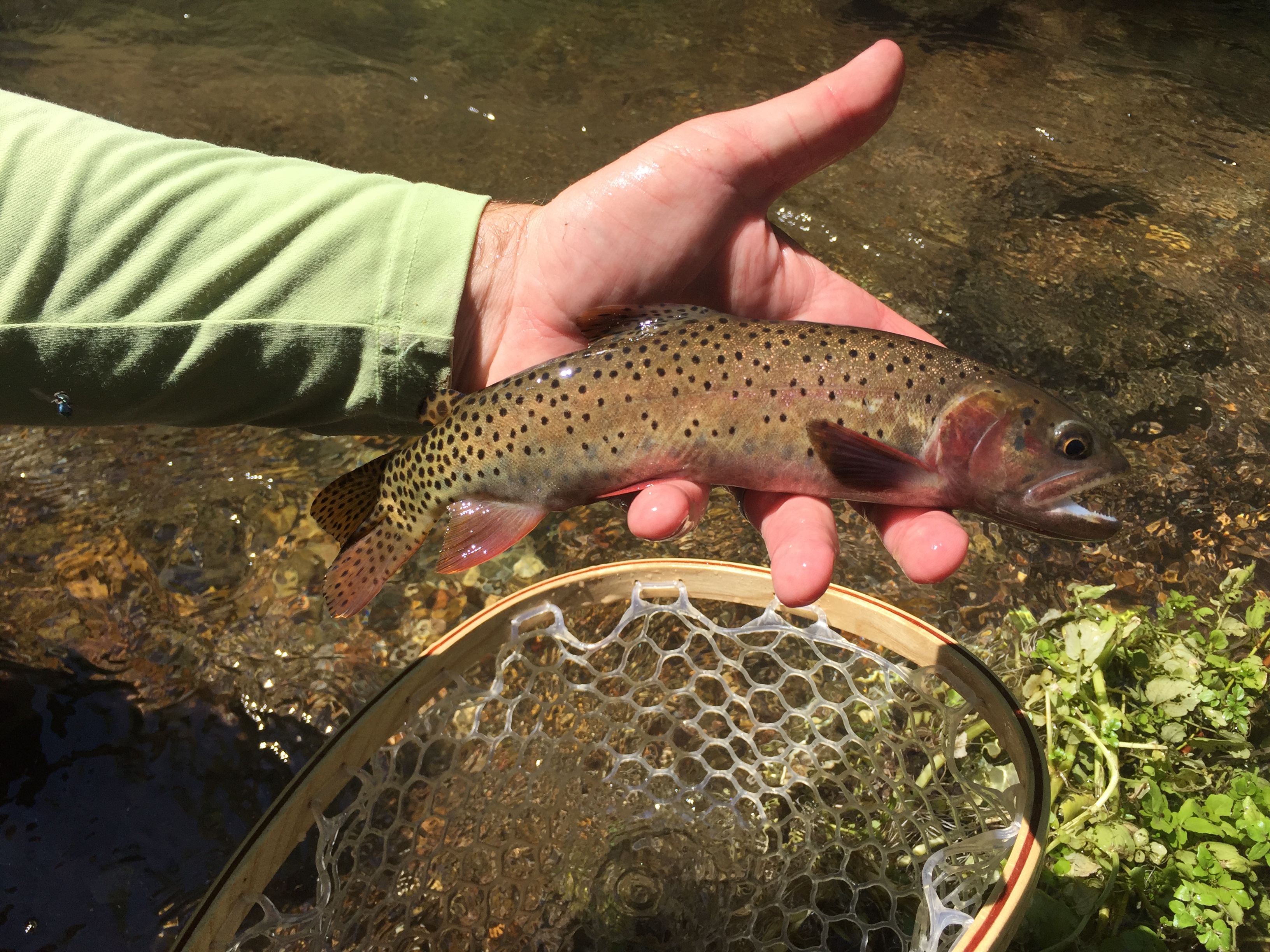
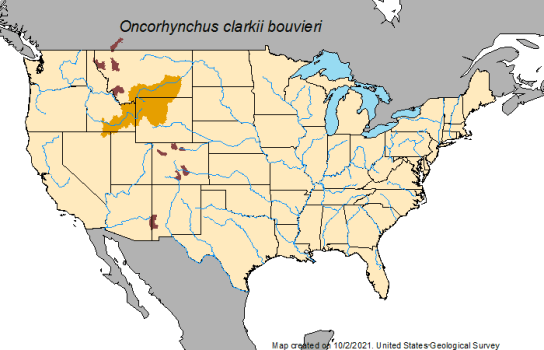
Their historic range is the Yellowstone River drainage in Montana and Wyoming and the Snake River drainage in Wyoming and Idaho. Their current range overlaps with that of the Finespot in the Snake River drainage above Shoshone Falls.
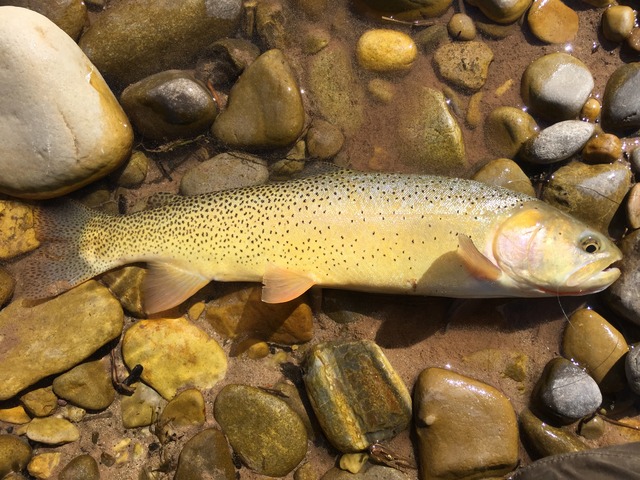
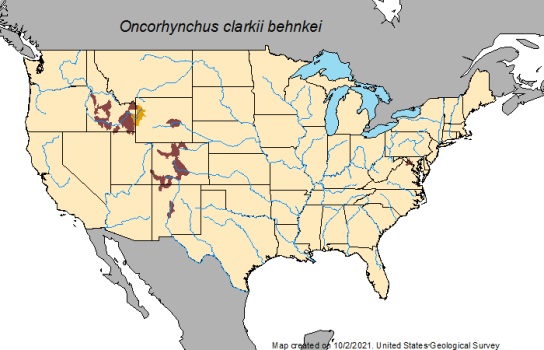
Oncorhynchus clarkii behnkei – Finespotted Snake River cutthroat trout
Their historic range overlaps the Yellowstone cutt in the states of Wyoming and Idaho. They are found in the headwaters streams of the Snake River, particularly the South Fork.
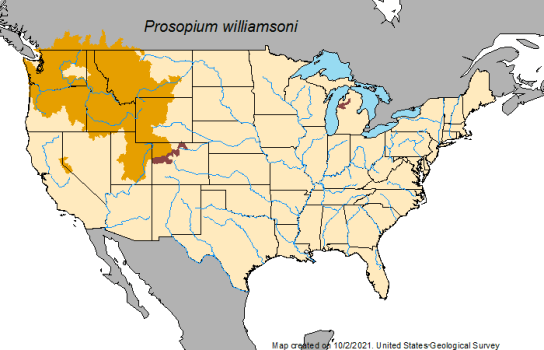
According to Wikipedia, Westslope cutthroat trout are native in northern Idaho’s and British Columbia’s upper Columbia River system and northern tributaries of the Snake River. East of the Continental Divide in Alberta and Montana, Westslope cutthroat trout are native to the upper Missouri, Milk and North Saskatchewan rivers. In Montana, the historic range extended east to the mouth of the Judith River and south into the Madison, Gallatin and Jefferson river systems. Isolated populations of Westslope cutthroat trout exist in upper tributaries of the John Day River in the Strawberry Mountains of Oregon and Columbia River tributaries along the eastern side of the Cascade Range in Washington. Isolated populations exist in the Fraser River basin in British Columbia.
Other Native Salmonids
Salvelinus malma – Southern Dolly Varden
According to Gary Marston, the Southern subspecies of Dolly Varden are native to coastal watersheds from the Susitna River, Alaska south to the Quinault River, Washington.



























 Mountains to Marsh