Archive

Fishing

Edit Page

The salmonids are in family Salmonidae, which has 10-11 genera that is divided into 3 subfamilies; Coregoninae(whitefish), Thymallinae(grayling), and Salmoninae(char/trout/salmon). Living in the Southeast you have access to a very limited amount of salmonids and I’ve caught the 3 that occur in Georgia.  The brook trout is the only native trout species in Georgia and it is actually a char. 

Updated, December 2025: I made my first trip out West in September of 2012 to Colorado and caught several “greenback” cutthroat trout in Rocky Mountain National Park – or what were considered greenback trout at the time.  Made another trip out West in August of 2013 to Teton and Yellowstone National Parks where I picked up another cutthroat species and mountain whitefish.  In August of 2015 I was able to complete the Wyoming Cutt Slam, picking up Wyoming’s four native cutthroat species (they do have a fifth, the Westslope, that is not required for the slam).  In July of 2017 I completed the Utah cutthroat slam, which didn’t necessarily add any new species to the list, but I was able to add Bonneville cutthroat outside of the Bear River drainage and Bear River cutthroat, which some consider genetically distinct. In June of 2021 I made it out to Arizona and New Mexico to catch Apache and Gila trout in their native range. In August of 2022 I made it up to northern Idaho and caught several Westslope cutthroat in their native range. In July of 2023 I made a northern New Mexico/southern Colorado trip and caught lots of Rio Grande cutthroat in their native range.  Finally, in August of 2025 I made it out to the Olympic peninsula of Washington and caught coastal rainbow trout in their native range, coastal cutthroat, southern Dolly Varden, as well as the genetically distinct Lake Crescent cutthroat trout.

Dr. Robert Behnke is the man when it comes to salmonid knowledge. Pick up his book if you want to learn more about this particular family, “Trout and Salmon of North America”. Another great resource is Gary Marston’s Native Trout Fly Fishing blog, he has a Trout and Salmon species page with pictures and information of all those that he has caught (which may be all that are found in the U.S.). Gary’s trip reports are a good read as well, he has had some epic road trips to catch trout in their native range.

Trout found in the Southeastern United States

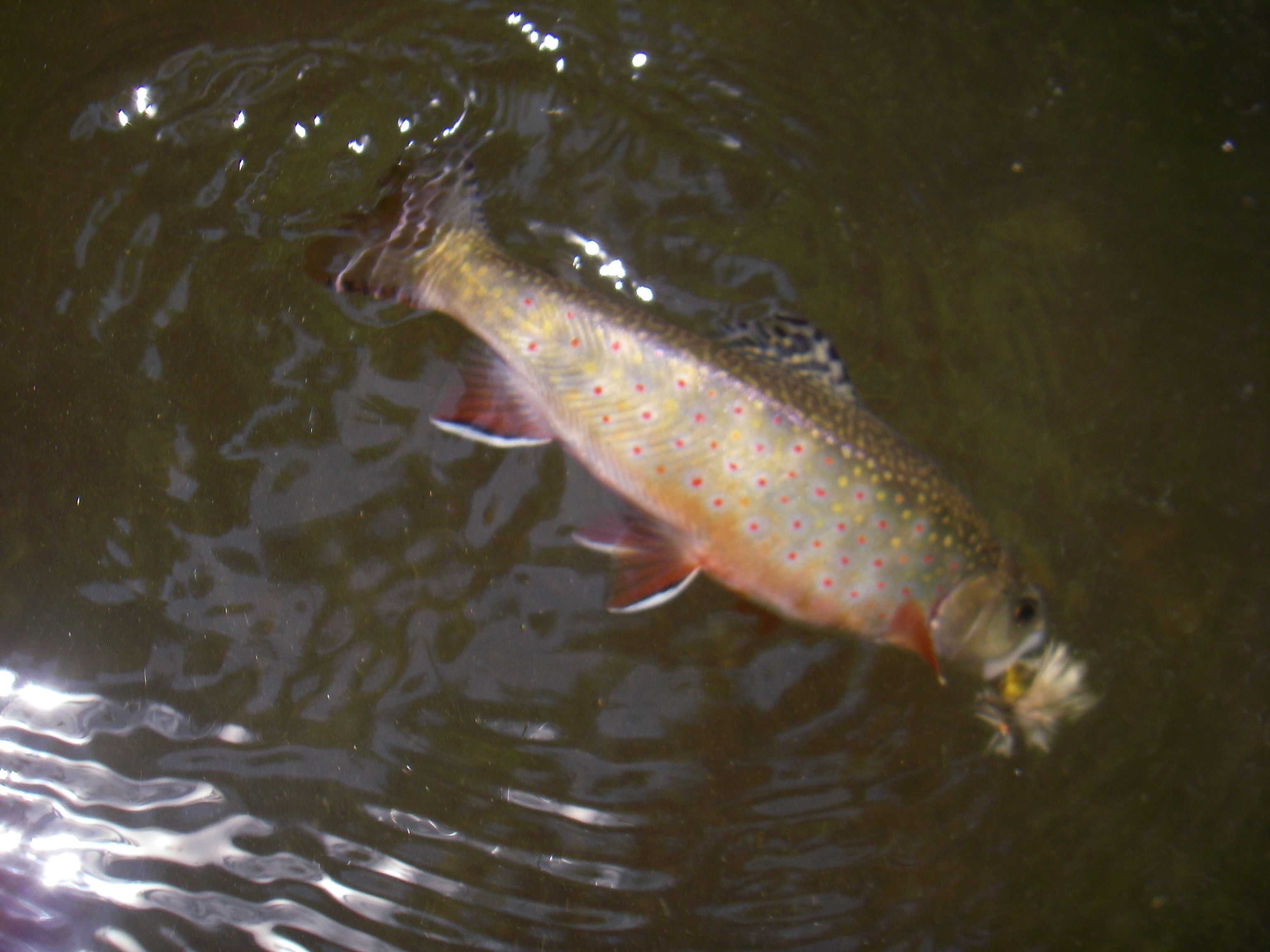
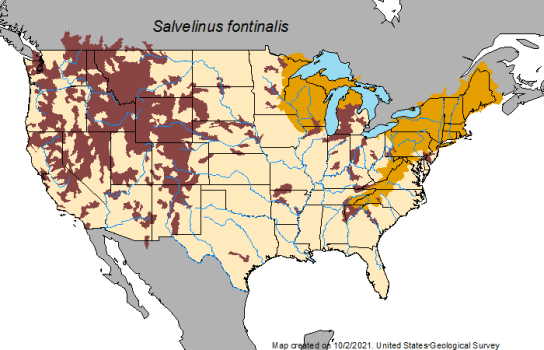
Salvelinus fontinalis – Brook trout

IMGP5747

Brook trout are the first native trout species I ever encountered as they do live in Georgia.
Salmo trutta – Brown trout

IMGP5730

Brown trout are not native to North America.

Oncorhynchus mykiss – Rainbow trout

IMGP5637

The first trout species I ever caught, happy to say that I have now caught them in their native range too!

Western Native Trout

Oncorhynchus apache –  Apache trout

Oncorhynchus gilae –  Gila trout

Cutthroat Trout

Western native trout range map source: Coyote Gulch blog

Oncorhynchus clarkii clarkii – Coastal cutthroat trout

According to Wikipedia, the coastal cutthroat trout occurs in four distinct forms. A semi-anadromous or sea-run form is the most well known. Freshwater forms occur in both large and small rivers and streams and lake environments – pictured above is the stream resident freshwater form.  The historic native range of the coastal cutthroat trout extends south from the southern coastline of the Kenai Peninsula in Alaska to the Eel River basin in Northern California.

Oncorhynchus clarkii clarkii crescentii – Coastal cutthroat trout – Lake Crescent form

Oncorhynchus clarki stomias – Greenback cutthroat trout
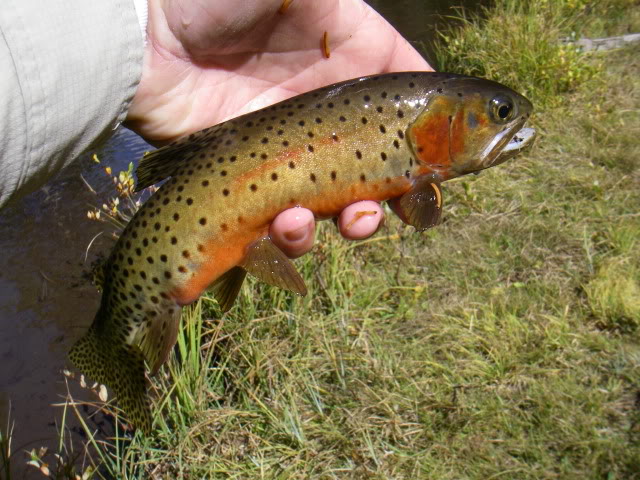
IMGP7693

At the time this fish was considered a greenback, but it’s more likely that it isn’t after genetic research determined that the true greenback was limited to only one stream, outside of it’s native range, in Colorado.  Work has been done to re-establish populations throughout it’s native range and hopefully I’ll have the opportunity to fish for a true greenback cutt.  Their historic range is pretty much in the state of Colorado on the Front Range, with some watersheds slipping into Wyoming. They are found in the headwaters streams of the South Platte and Arkansas River drainages.

Oncorhynchus clarki pleuriticus – Colorado River cutthroat trout
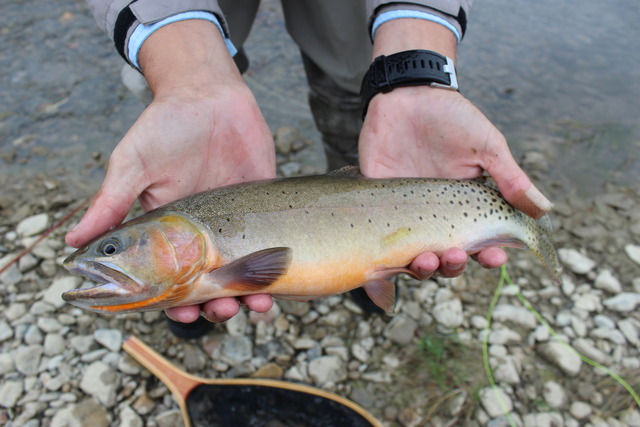
IMG_2922

Their historic range is headwaters streams in the Green and Colorado Rivers, as far south as the San Juan River, west of the Continental Divide.  They are currently limited to a few small headwater streams of the Green and upper Colorado rivers in Colorado, Utah, and Wyoming, including the Escalante River drainage in southern Utah.

Oncorhynchus clarkii virginalis – Rio Grande cutthroat trout

This image has an empty alt attribute; its file name is img_8375.jpg

Their historic range is headwater streams in the Pecos and Rio Grande watersheds in Colorado and New Mexico.

This image has an empty alt attribute; its file name is riogrande_cutt.png

Oncorhynchus clarkii utah – Bonneville cutthroat trout
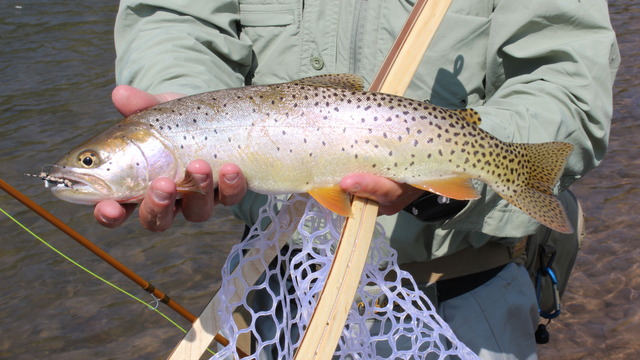
IMG_2871

Their historic range is pretty much in the state of Utah, with some watersheds slipping into Wyoming, Idaho, and Nevada.

Oncorhynchus clarkii utah – Bonneville cutthroat trout – Bear River strain
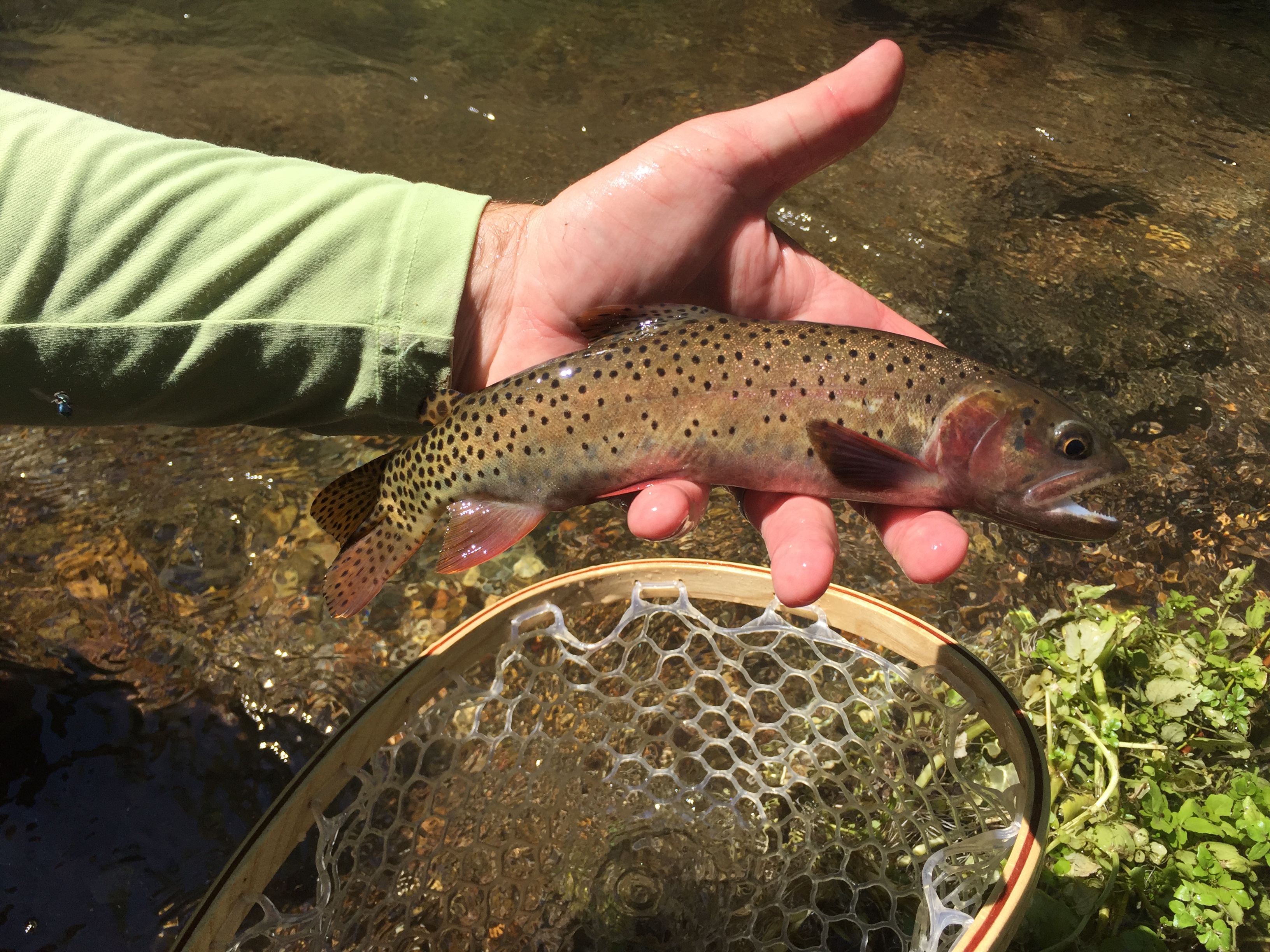
IMG_2727

They are found in the headwaters streams of the Bear River.  No range map was given from NatureServe or the USGS for the Bear River cutthroat trout, but they are native to the Bear River and it’s tributaries, including Bear Lake.

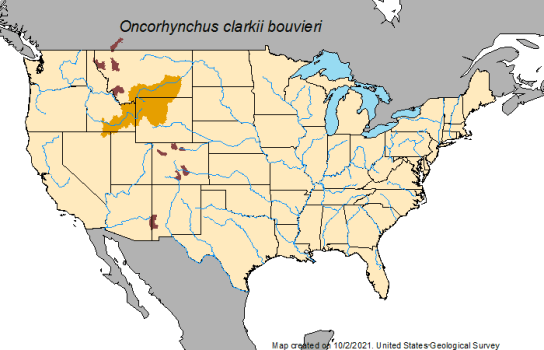
Oncorhynchus clarkii bouvieri – Yellowstone cutthroat trout

IMG_5982

Their historic range is the Yellowstone River drainage in Montana and Wyoming and the Snake River drainage in Wyoming and Idaho.  Their current range overlaps with that of the Finespot in the Snake River drainage above Shoshone Falls.
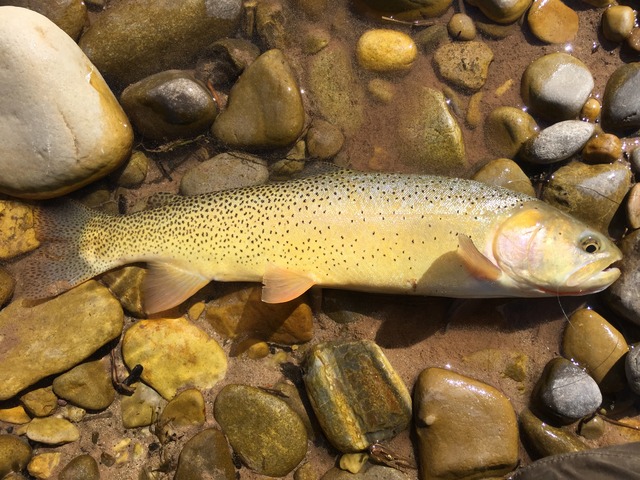
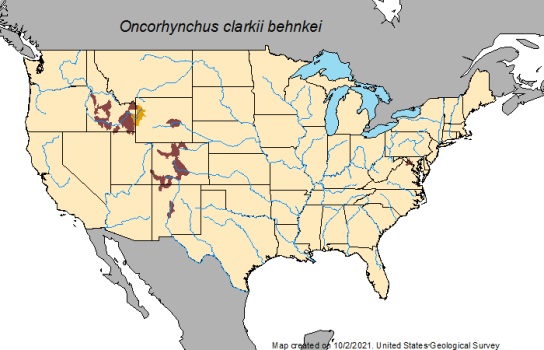
Oncorhynchus clarkii behnkei – Finespotted Snake River cutthroat trout
IMG_6017

Their historic range overlaps the Yellowstone cutt in the states of Wyoming and Idaho. They are found in the headwaters streams of the Snake River, particularly the South Fork.
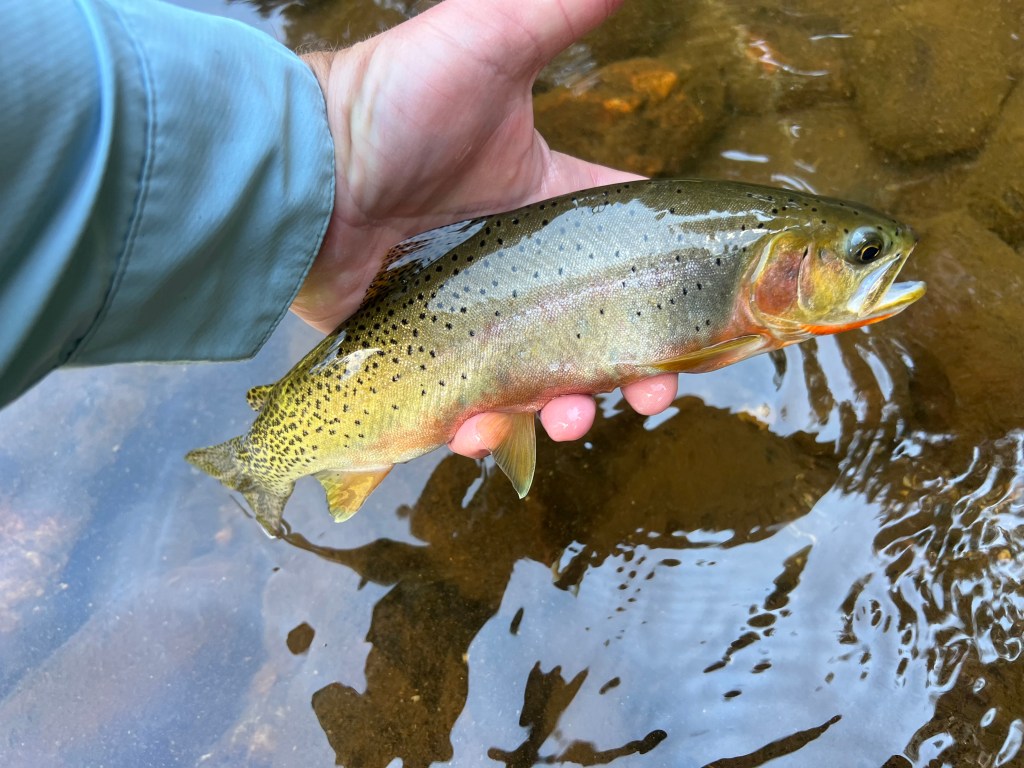
Oncorhynchus clarkii lewisi – Westslope cutthroat trout
This image has an empty alt attribute; its file name is img_4158.jpg

According to Wikipedia, Westslope cutthroat trout are native in northern Idaho’s and British Columbia’s upper Columbia River system and northern tributaries of the Snake River. East of the Continental Divide in Alberta and Montana, Westslope cutthroat trout are native to the upper Missouri, Milk and North Saskatchewan rivers. In Montana, the historic range extended east to the mouth of the Judith River and south into the Madison, Gallatin and Jefferson river systems. Isolated populations of Westslope cutthroat trout exist in upper tributaries of the John Day River in the Strawberry Mountains of Oregon and Columbia River tributaries along the eastern side of the Cascade Range in Washington. Isolated populations exist in the Fraser River basin in British Columbia.

This image has an empty alt attribute; its file name is westslope.png

Other Native Salmonids

Salvelinus malma – Southern Dolly Varden
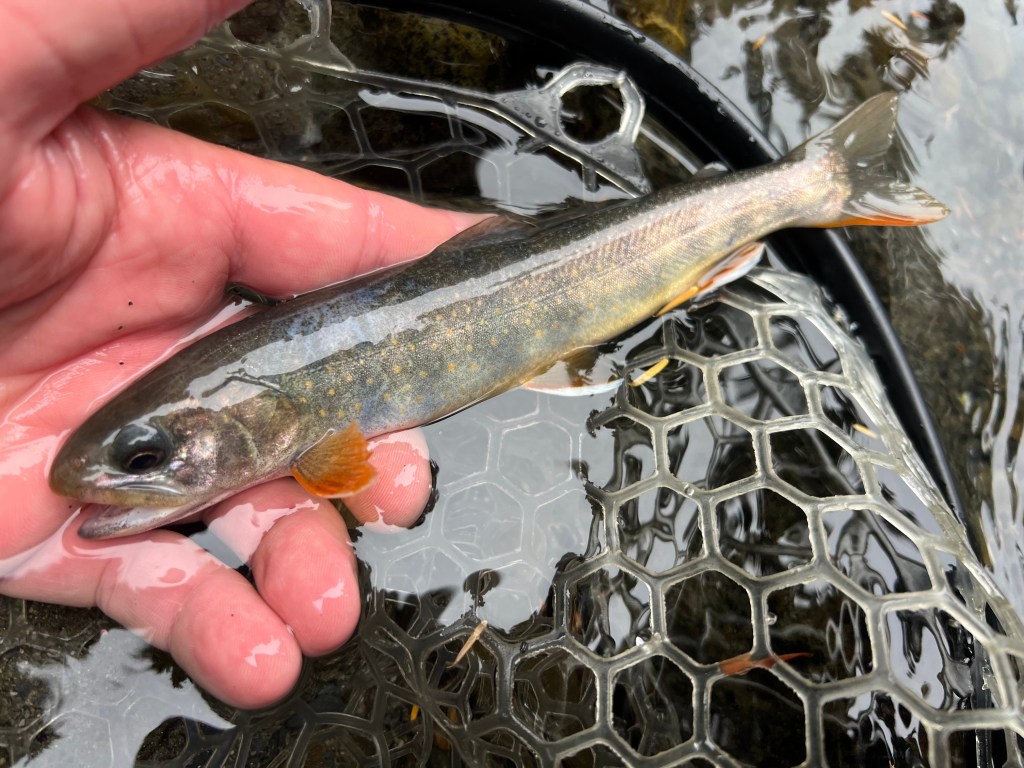
According to Gary Marston, the Southern subspecies of Dolly Varden are native to coastal watersheds from the Susitna River, Alaska south to the Quinault River, Washington.

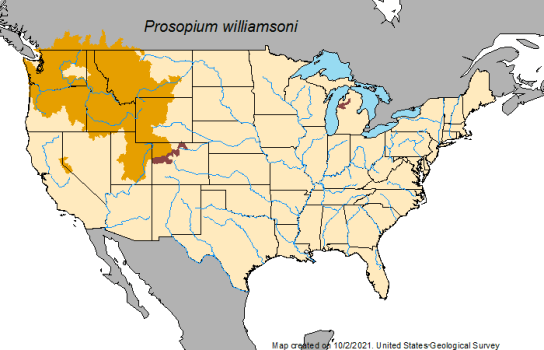
Prosopium williamsoni – Mountain whitefish

IMG_3009

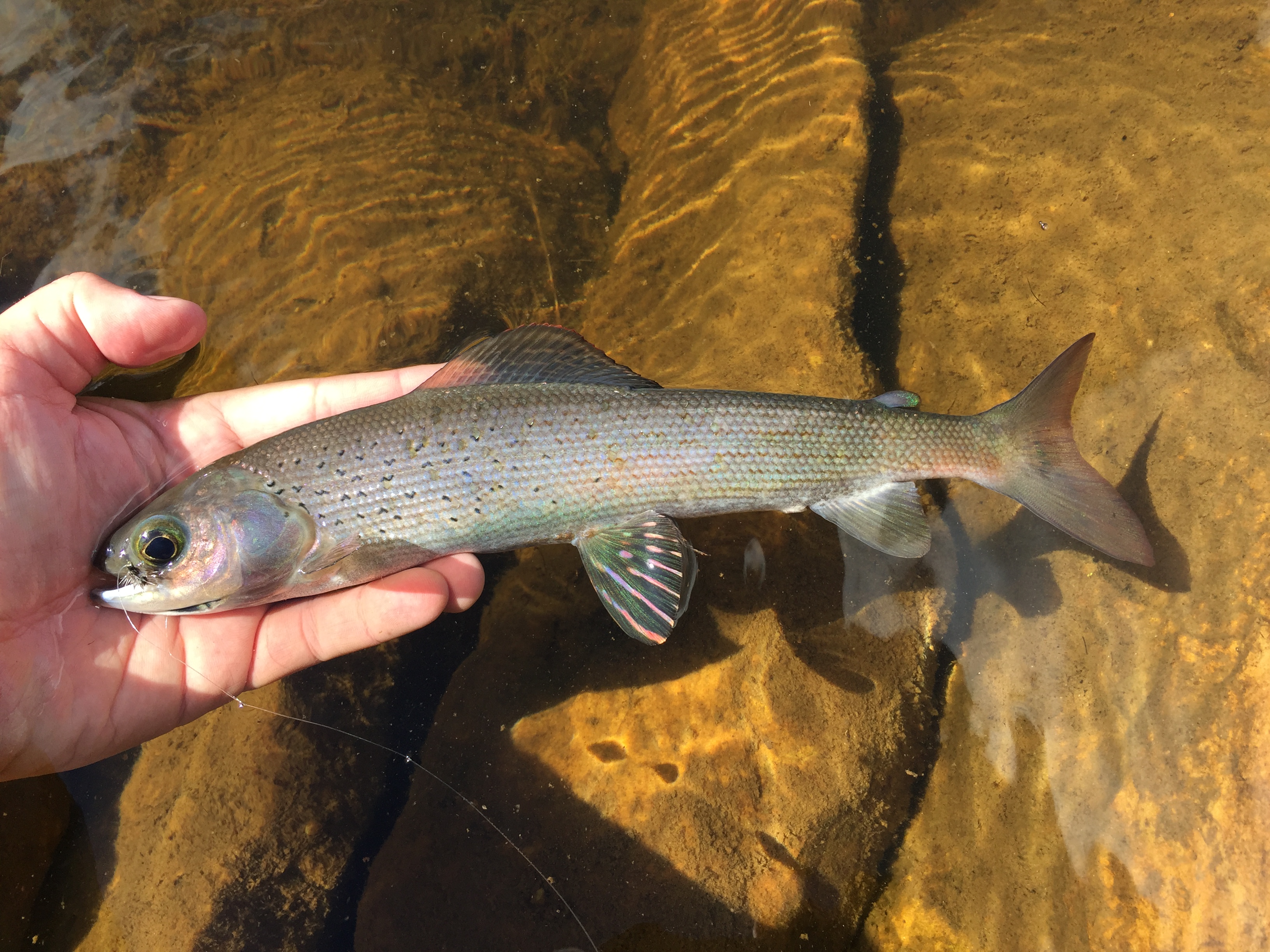
Thymallus arcticus – Arctic grayling
IMG_3039

I wanted to put together a total list of fish species I’ve caught, just to try and keep a running tab.  Hopefully it will continue to grow as I fish more new waters.  I think I get just as excited catching new species as I do catching truly big fish.  I’m not on any kind of mission to catch a certain number of species, I just think it will be interesting to maintain and revisit the list from time to time.  It should also help to serve as a place to ID a fish that you’ve caught, but have no idea what it is.  Of course, I’m not a biologist, so take what I post with a grain of salt, most of my knowledge comes from experience, and the internet.  In time I will add other freshwater fish from different families, then move on to saltwater, but for now here are the sunfishes.  

Warning to some though, things are about to get nerdy. I’ll separate each species according to it’s taxonomy.  Today I’ll start in freshwater with the sunfishes, family Centrarchidae, which has 8 genera, and 34 species native to North America. So far I’ve caught 21 of them.  It helps to live in the Southeastern U.S. if you want to catch a variety of sunfish.

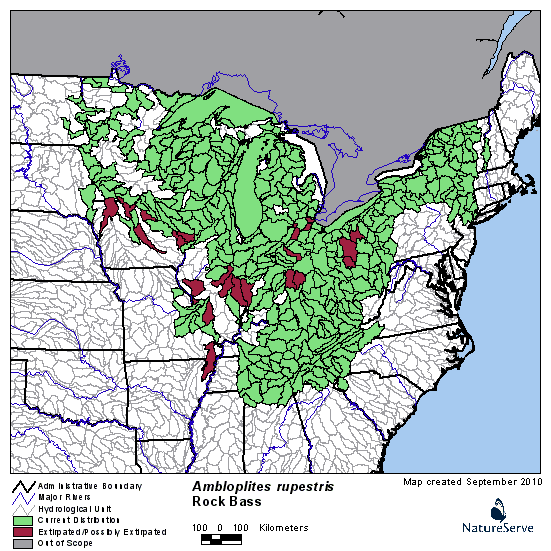
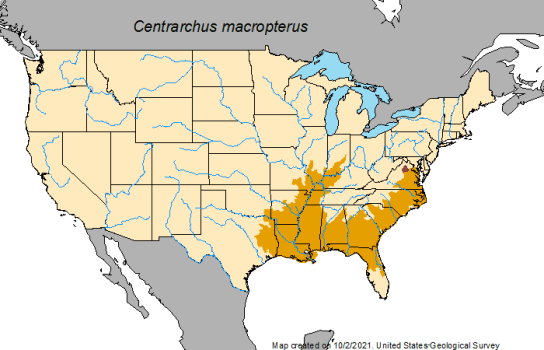
Where possible I’ll put up a picture and a distribution map of those that I’ve caught. Click the map for more information about that particular species. The distribution maps come from the original NatureServe Explorer or the USGS Nonindigenous Aquatic Species site. Both are pretty good resources for finding information on specific plants and animals.  I did not produce these distribution maps so I can’t confirm their complete accuracy, but I do trust they are mostly accurate.

Update, June 2018: Both of Lance Coley’s articles on black bass species have gone the way of the do-do.  Tim Bonvechio and Patrick Cooney have a pretty good article on black bass up on The Fisheries Blog highlighting the 9 species that the scientific community are in agreement on.  Work is being done to add more and those are mentioned in the article as well, so be sure to check it out. 

Update, April and August 2021: I added a few new-to-me species this year and updated range maps for species that didn’t have one or where the range map info was old and outdated

Ambloplites – Rock Bass

Ambloplites ariommus – Shadow bass

IMGP4880

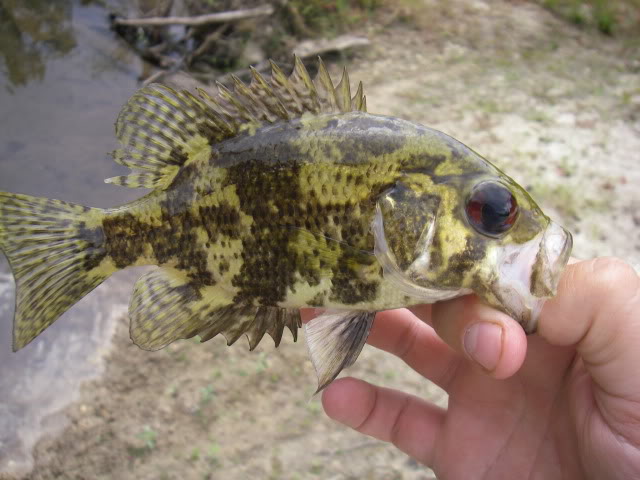
Ambloplites rupestris – Rock bass

IMGP0816

Centrarchus – Flier

Centrarchus macropterus – Flier

Lepomis – Sunfish

Lepomis auritus – Redbreast sunfish

IMGP0450

Lepomis cyanellus – Green sunfish

IMGP0447

Lepomis humilis – Orangespotted Sunfish

Lepomis gulosis – Warmouth

IMGP5604

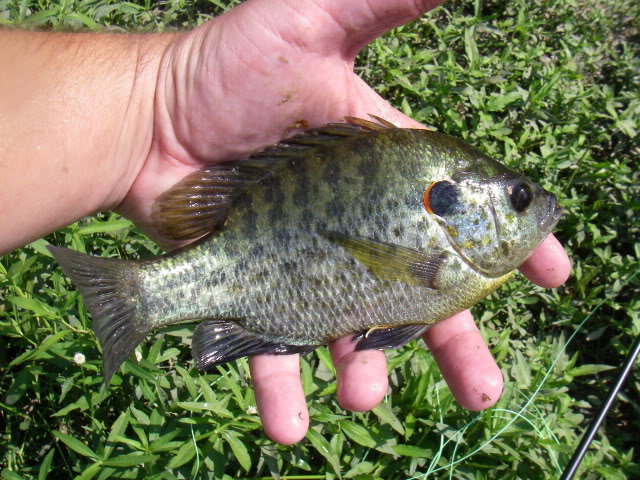
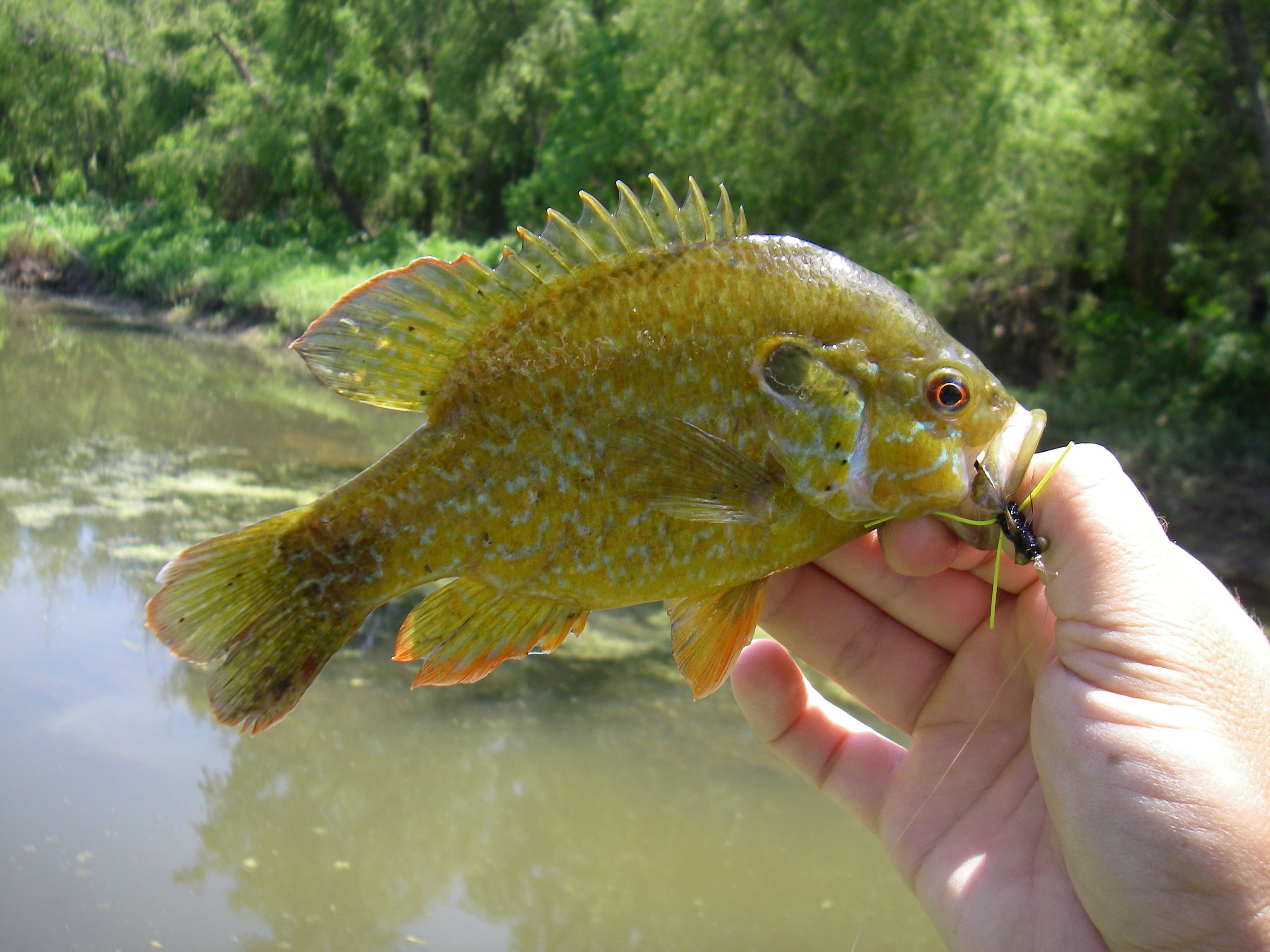
Lepomis macrochirus – Bluegill

IMGP6182

Lepomis marginatus – Dollar sunfish

IMG_8956
dollar_sunfish

Lepomis megalotis – Longear sunfish

IMGP4363

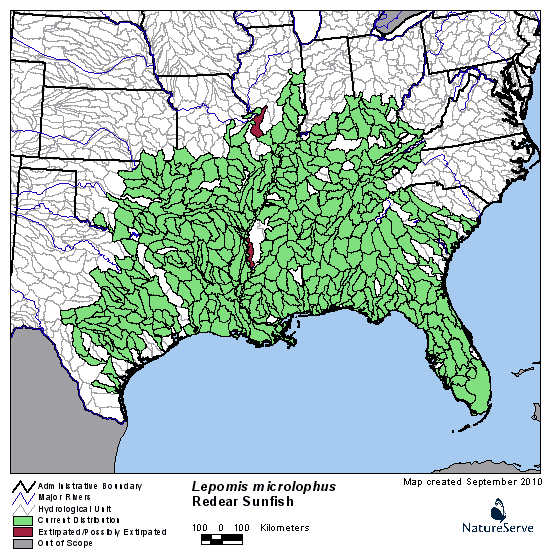
Lepomis microlophus – Redear sunfish

IMGP5611

Lepomis miniatus – Redspotted sunfish

IMGP4366

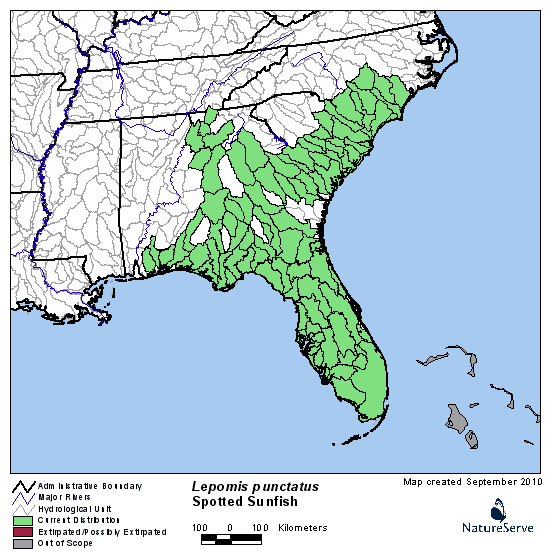
Lepomis punctatus – Spotted sunfish

Micropterus – Black Bass

Redeye Bass

Micropterus cahabae – Cahaba bass (formerly Redeye bass, from the Cahaba River drainage)

20180506_095017

Micropterus chattahoochee – Chattahoochee bass (formerly Redeye bass, from the Chattahoochee River drainage)

IMG_7278

Micropterus coosae – Redeye(Coosa) bass (Redeye bass from the Coosa River drainage)

IMG_5322

Micropterus sp. cf. M. coosae – Bartram’s bass (formerly Redeye bass, from the Savannah River drainage)

IMG_7463

Micropterus sp. cf. M. coosae – Altamaha bass (formerly Redeye bass, from the Altamaha River drainage)

20180920_104839

Micropterus tallapoosae – Tallapoosa bass (formerly Redeye bass, from the Tallapoosa River drainage)

IMG_5262

Micropterus warriorensis – Warrior bass (formerly Redeye bass, from the Black Warrior River drainage)

107-0759_IMG

Smallmouth Bass

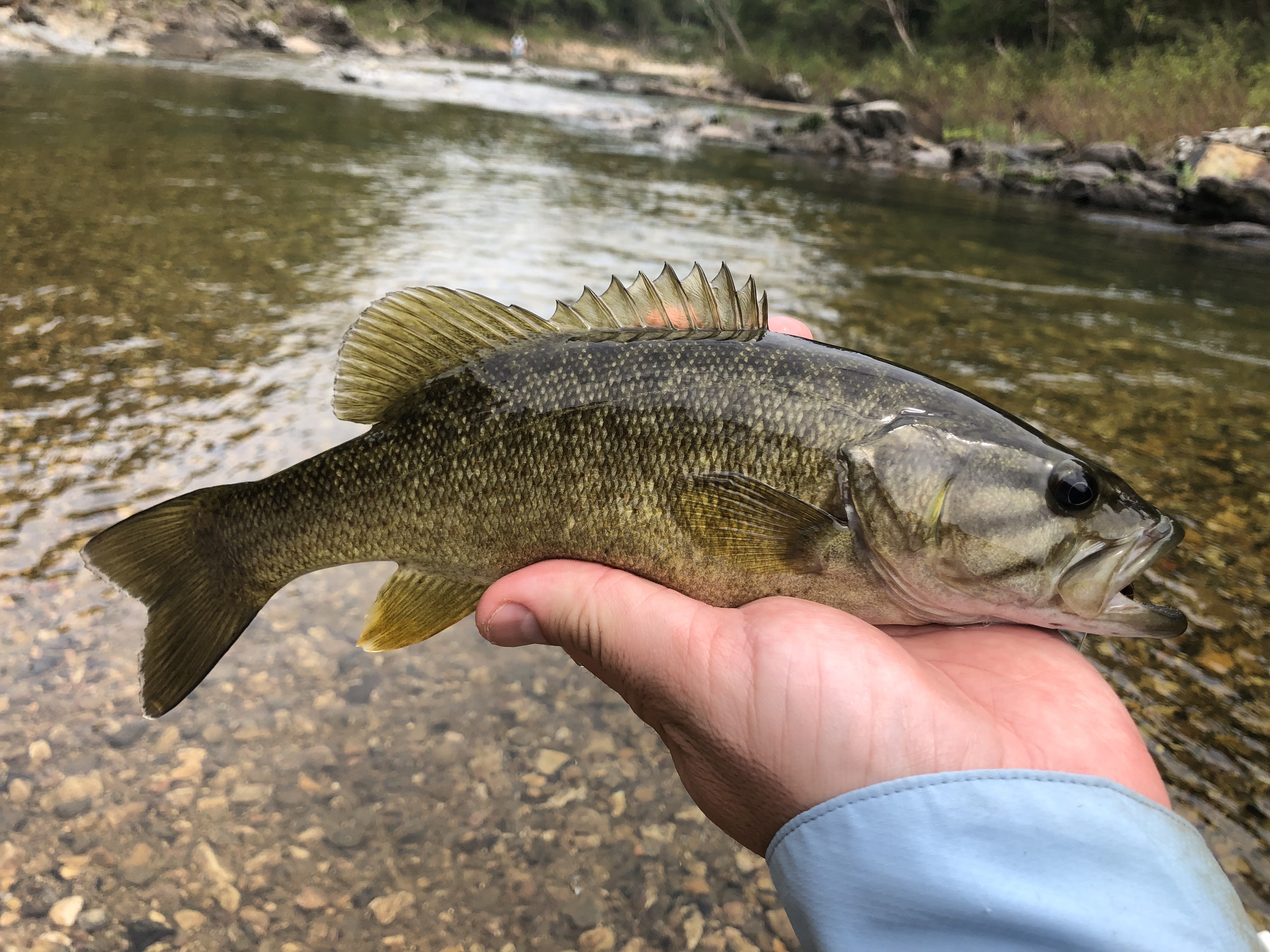
Micropterus dolomieu dolomieu – (Northern) Smallmouth bass

107-0740_IMG

Micropterus dolomieu velox – Neosho Smallmouth bass

IMG_0759

Micropterus sp. cf. dolomieu velox – Ouachita Smallmouth bass

IMG_0644

Largemouth Bass

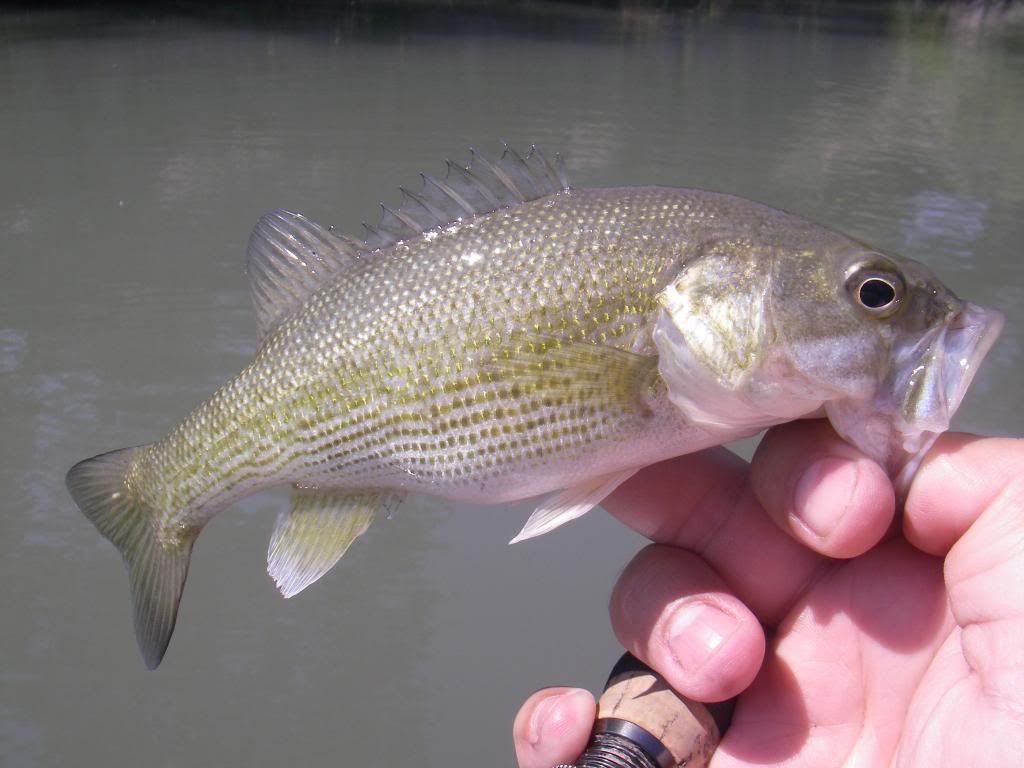
Micropterus salmoides – (Northern) Largemouth bass

img_9937

The Other Black Basses

Micropterus cataractae – Shoal bass

IMG_7497
shoalbass

Micropterus treculii – Guadalupe bass

IMGP8191
guadalupe_bass_range

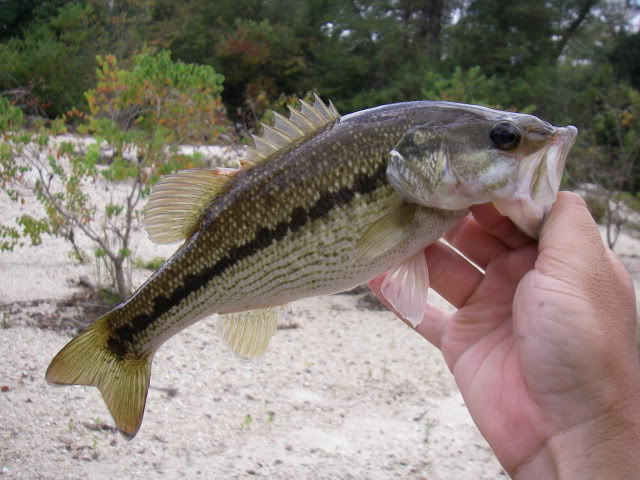
Micropterus hensalli – Alabama bass (formerly Spotted bass, of the Mobile River drainage)

IMGP3996

Micropterus punctulatus – Spotted bass (Kentucky)

IMGP4903

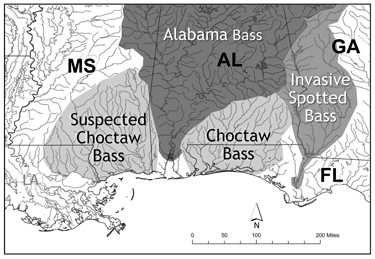
Micropterus haiaka – Choctaw bass

img_8660
choctaw_bass_map

The newest member of the black bass family as discovered by biologists with the Florida Fish and Wildlife Conservation Commission.  Their range falls in between the Alabama bass and the Shoal bass in Gulf draining streams on the Florida panhandle and in Alabama.

Pomoxis – Crappie

Pomoxis annularis – White crappie

IMGP3967

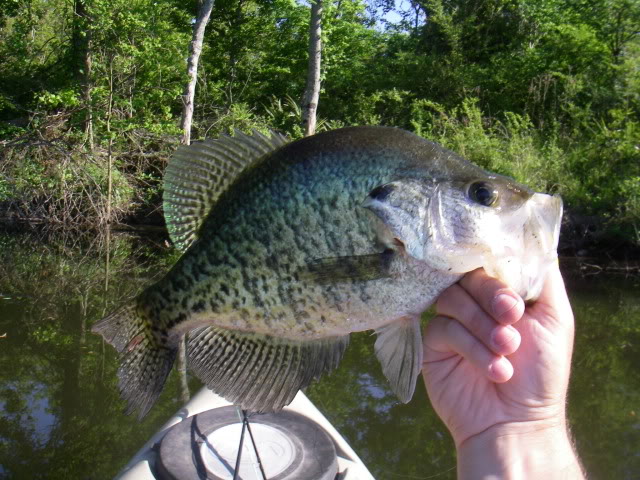
Pomoxis nigromaculatus – Black crappie

IMGP5276

I’m a little late to the party when it comes to the “year in review” type posts, but it is always fun to look back and see how last year went. Click on the pictures to get a more detailed trip report with more pictures.

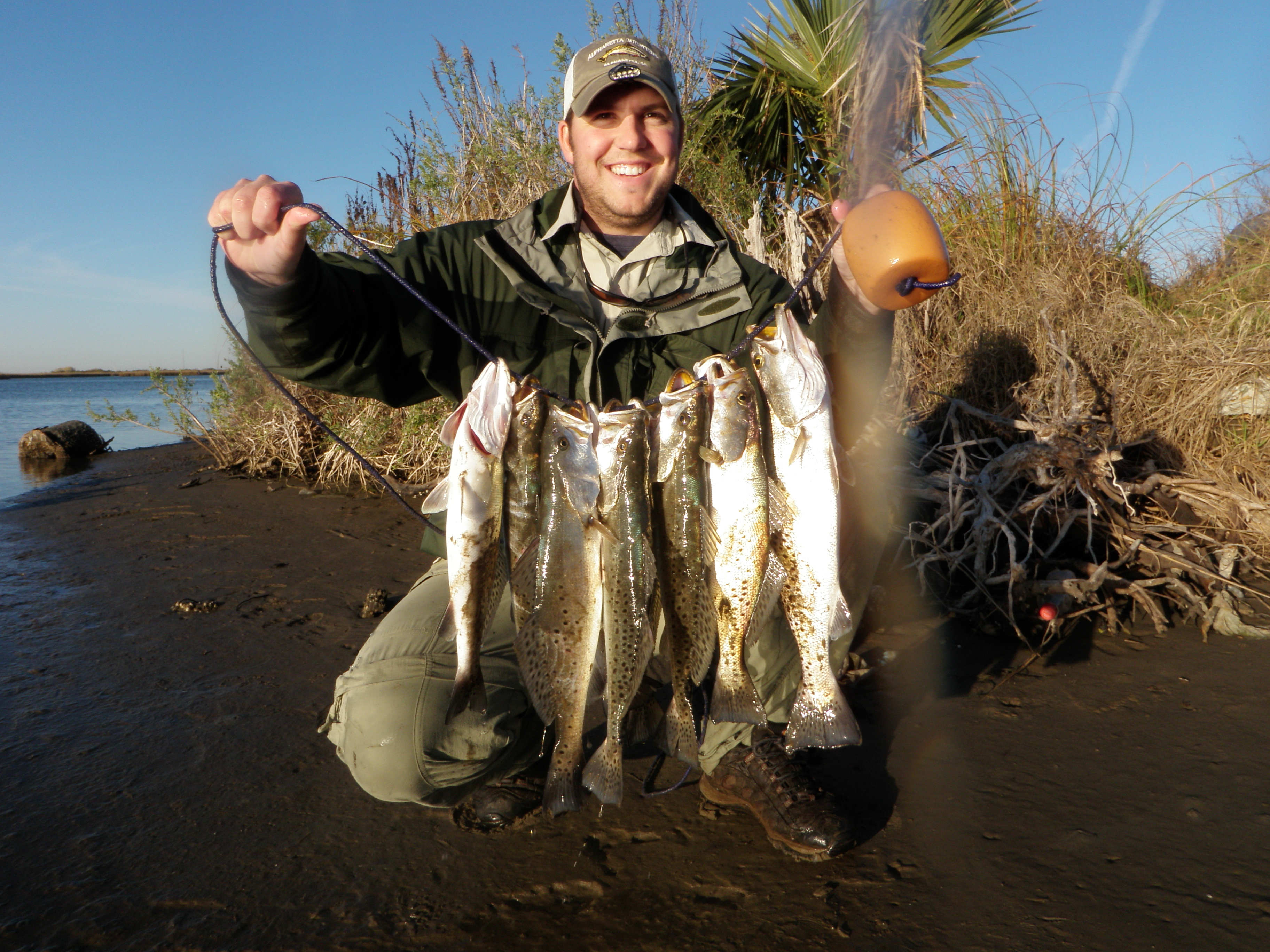
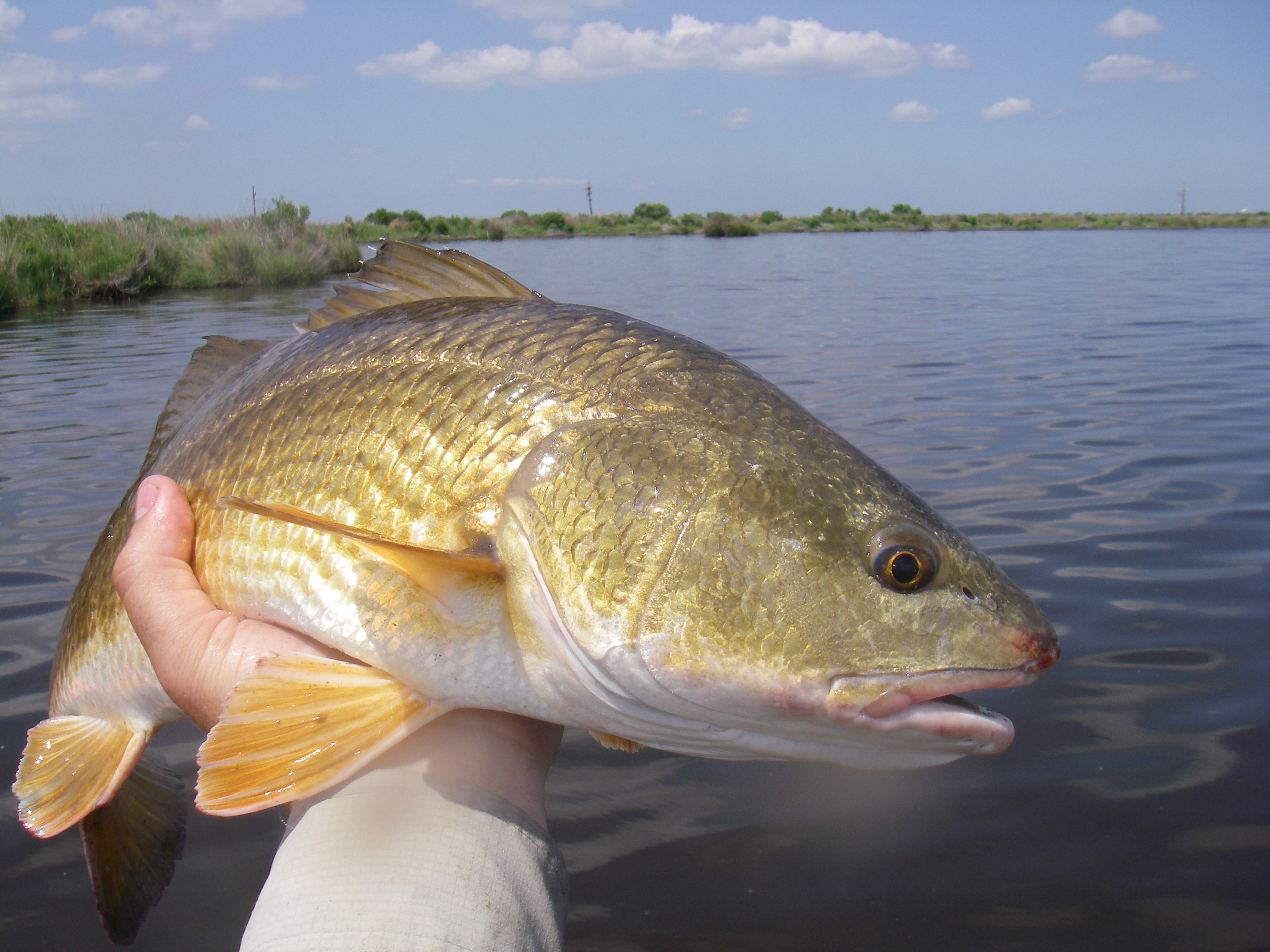
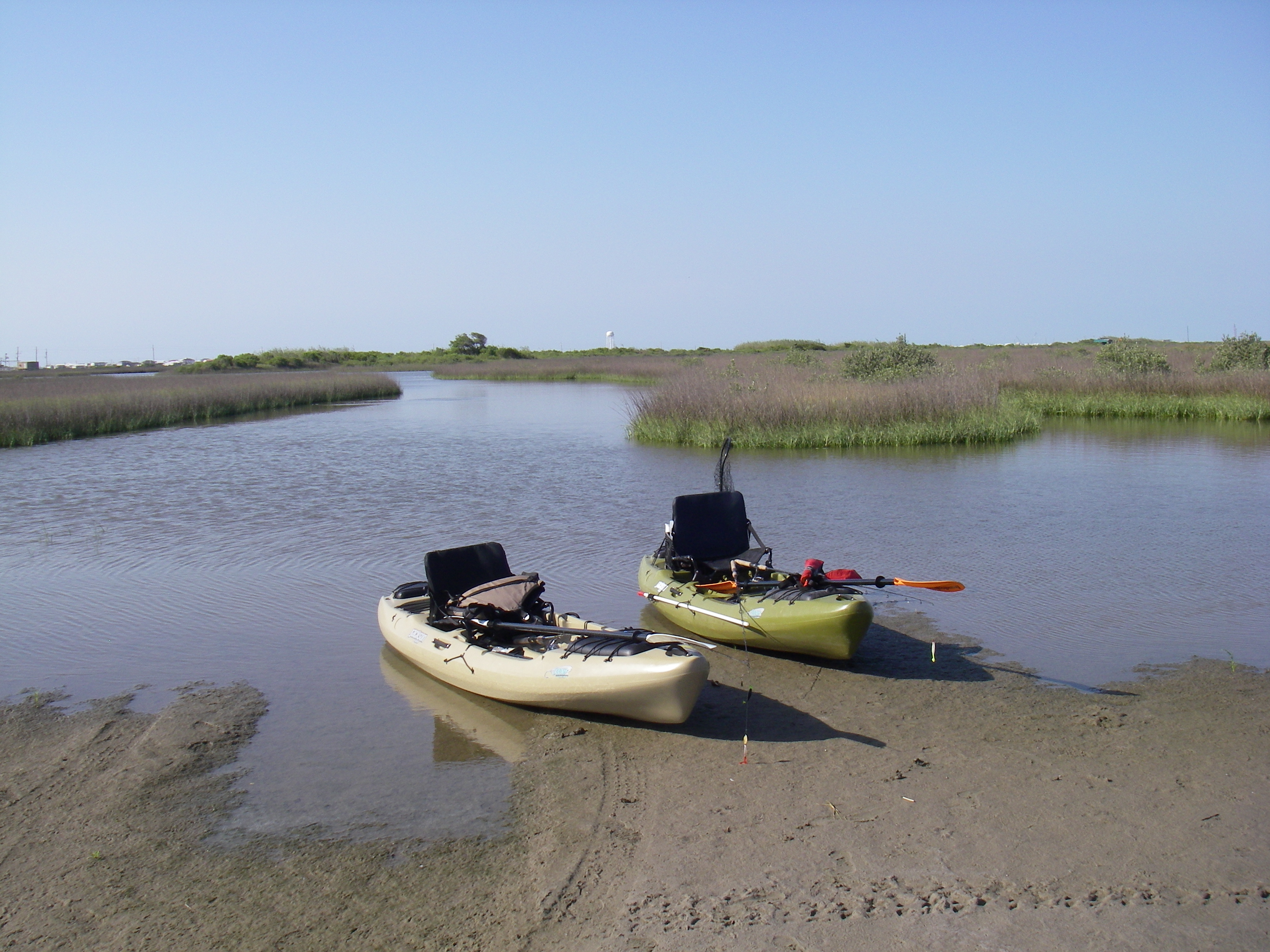
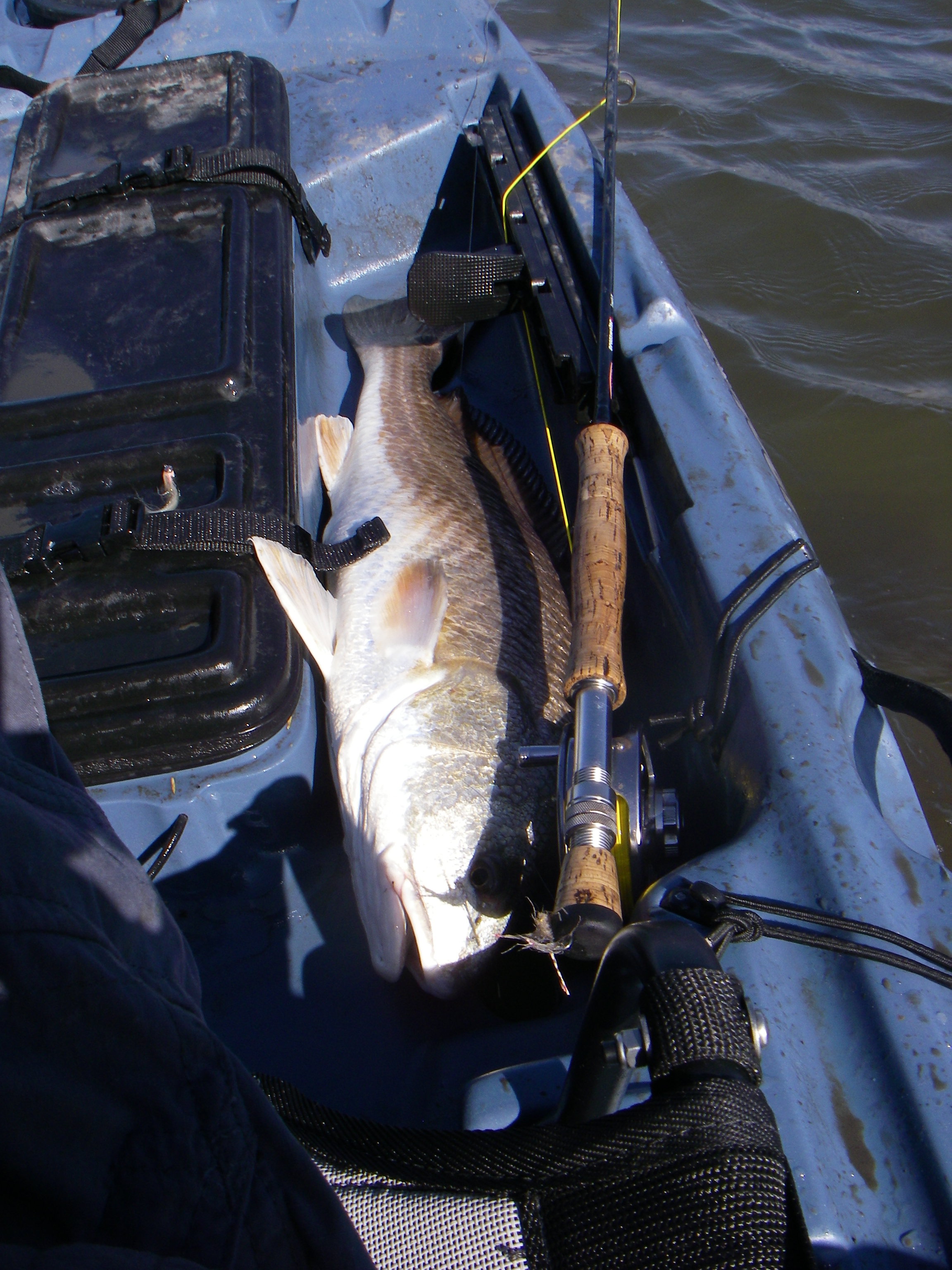
January – Made a trip to the coast with Brendan in the new Coosa, picked up some specks and a couple nice reds.

OLYMPUS DIGITAL CAMERA

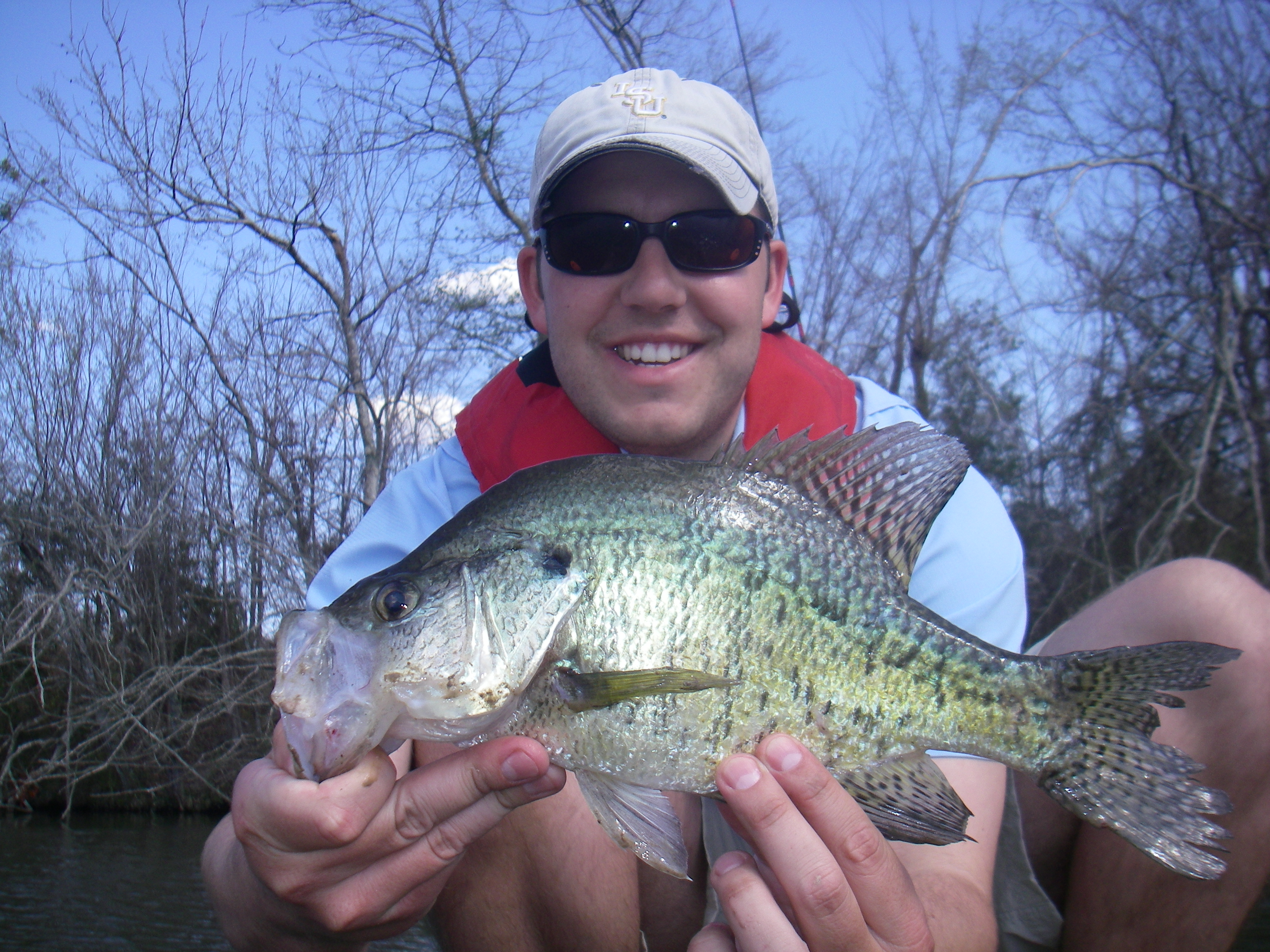
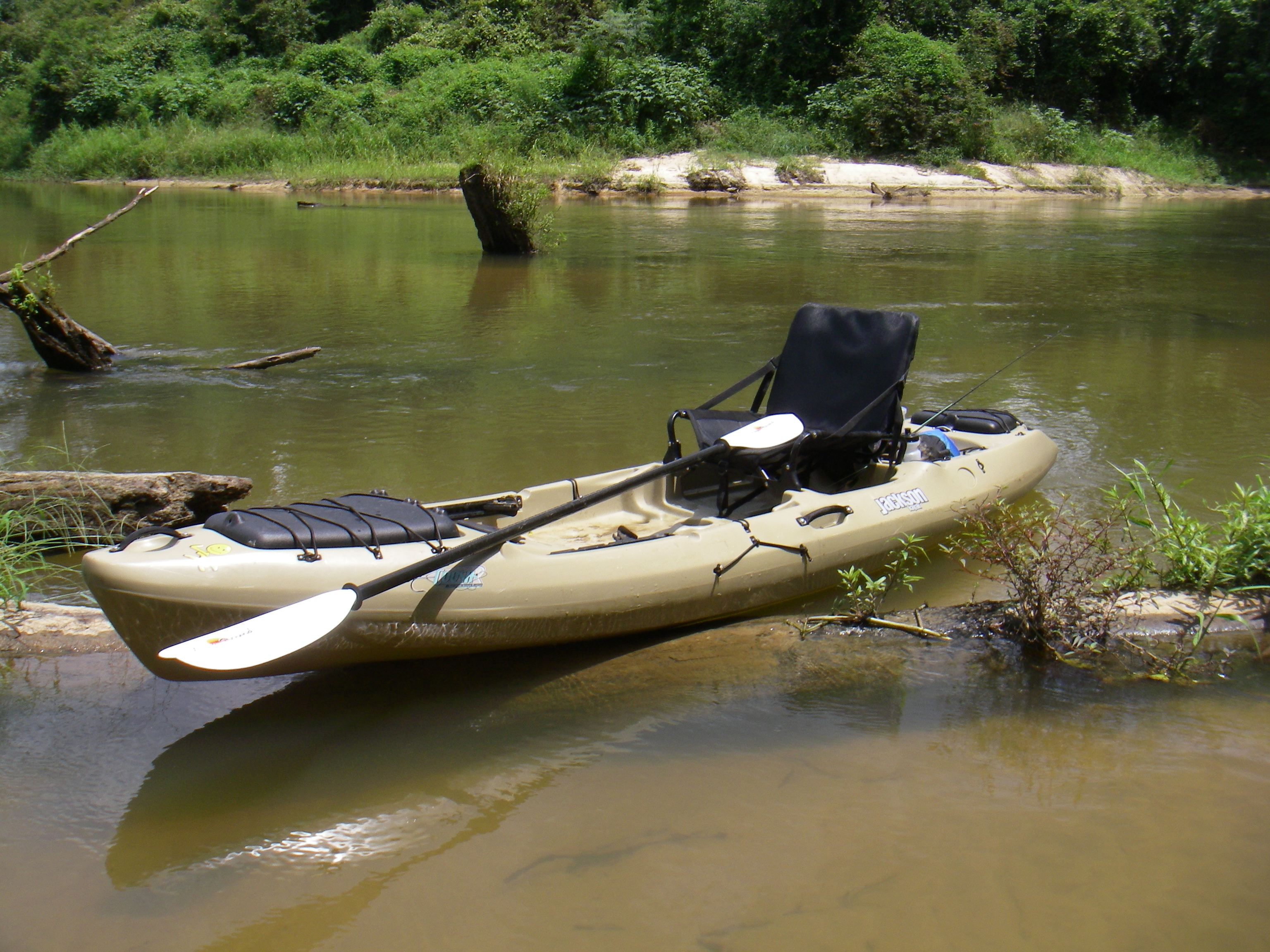
February – Caught some big sacalait in a pond I found on Google Earth, then took a road trip to the Everglades/10,000 islands area of Florida to fish with the Jackson Kayak fishing team. There I had my first encounter with snook and juvenile tarpon.

IMGP5234

IMGP5265

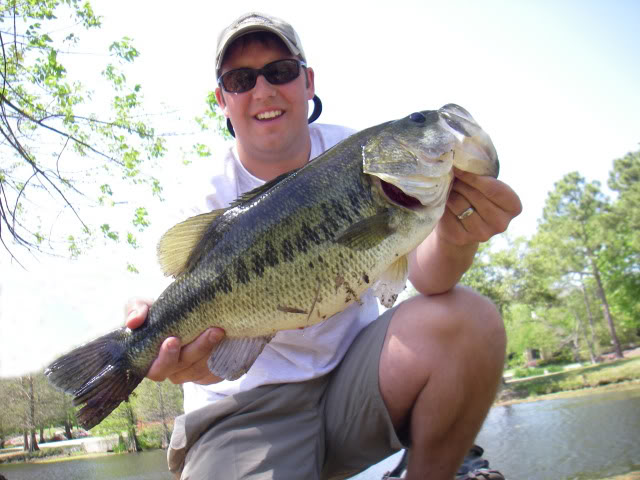
March – Started wade fishing local creeks again catching spotted bass and hitting local ponds picking up LMB. Managed my biggest to date on the fly at 5.5 lbs.

bass_nobuilding

April – Hit the marsh for some more redfish action and had a pretty good day early on in April. Later that month some friends from Alabama came down and it was downright awful. Then took a trip out to Destin with Barret in hopes of hooking up with some cobia on the fly, but the fog made sight fishing conditions very poor. We did catch some nice bluegill and LMB in a coastal dune lake though.

IMGP5525

May – Fished a drainage ditch that looked promising every time I drove over it, I ended up catching 7 different species, it was like I was back in the Everglades. Ended the month with a bang fishing with Blake in North Georgia catching wild trout on dry flies.

IMGP5593

IMGP5746

June – Picked back up with wade fishing local streams for spotted bass. Fished more local ponds and City Park in New Orleans, which was piggybacked on a trip to the marsh for reds. Also had a great time in Grand Isle with Kurt and his family/friends catching specks and shrimp in the surf. Looking forward to that this year.

IMGP5775

July – Probably my most active month, which included local creek trips looking for that elusive record spot (still haven’t found it), a trip to Callaway Gardens with one family and Grayton Beach with another, throw in a trip to the marsh with Blake and the Grand Isle Tarpon Rodeo at the end of the month. Amanda and I were road weary toward the end there. It was a lot of fun though.

IMGP5807

IMGP5865

IMGP5885

IMGP5891

IMGP5931

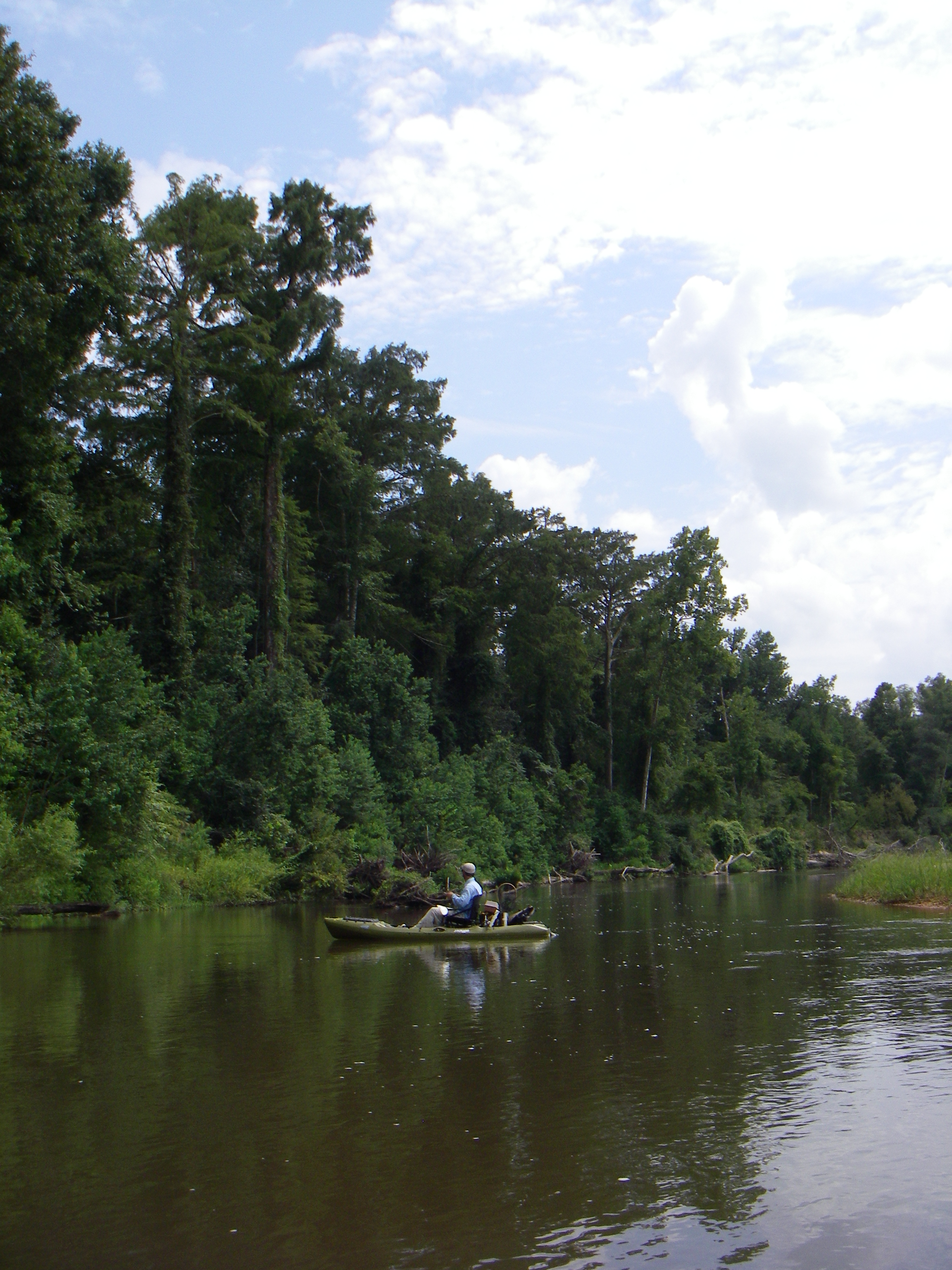
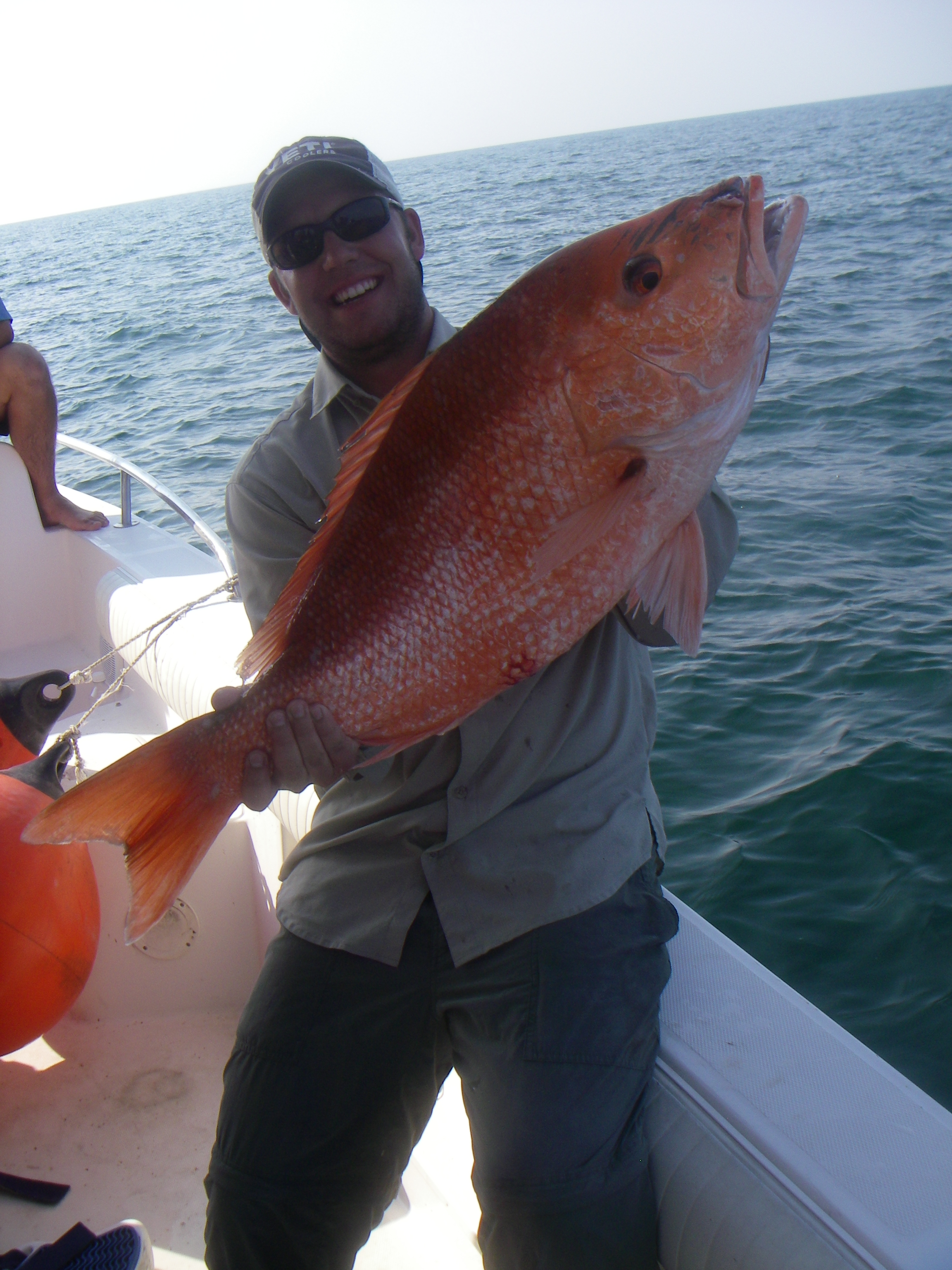
August – Had not done a float trip all year, so I did a couple float trips on two of our local Florida parish rivers. Remembered why I loved them so much and caught my personal best spotted bass on the fly, still shy of 2lbs though. Later that month went offshore with Kurt and friends for his bachelor party. Caught some of the biggest red snapper in my life while Kurt pulled in AJ after AJ, good times were had by all.

IMGP5971

IMGP6031

IMGP6072

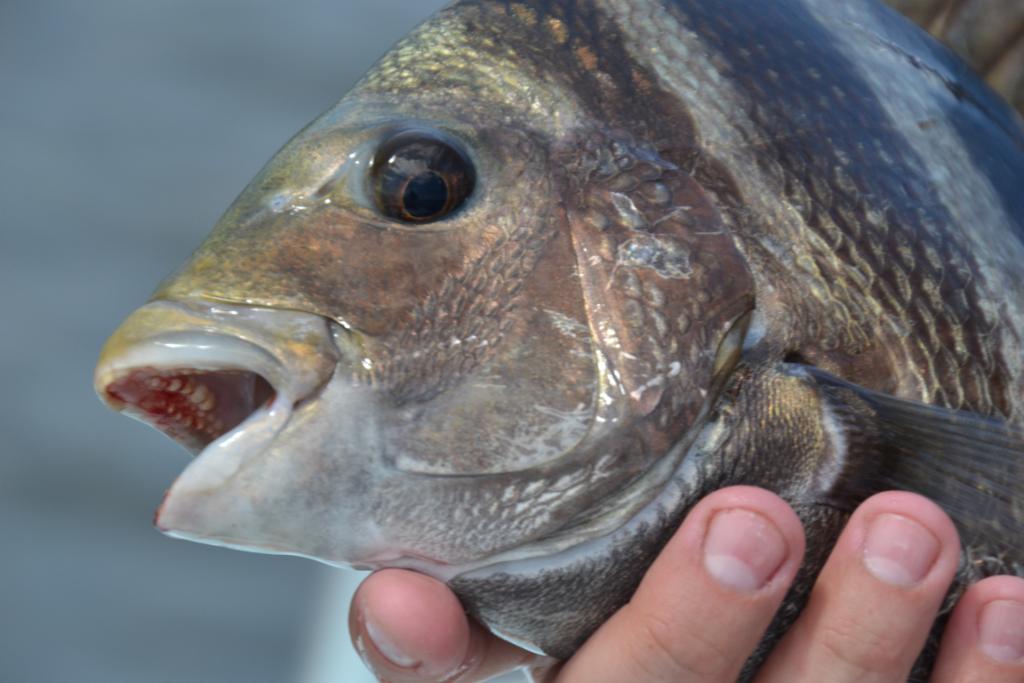
September – Fished with Barret off of his skiff one weekend, had a blast catching reds and sheepshead. Starting to get dialed in on the sheepshead on the fly, they are picky buggers. We also sold our condo and moved to a rental house on a pond where I proceeded to wax the bluegill and LMB on the fly.

5

October – Continued waxing of the fish in the backyard pond, but also did a couple wade trips to local creeks. One, not really that local, is probably my favorite water in Louisiana. Fished it with Blake late in the month. Also did a road trip to the Smokies, taking advantage of LSU’s away game in Knoxville against Tennessee. Did’t give myself a whole lot of time to fish, but took advantage of the few hours I squeezed in with a nice rainbow. Love the Smokies.

IMGP6199

IMGP6212

IMGP6339

November – Surprisingly void of fishing trips. LSU football took high priority this month. I know I fished in the backyard more, but beating Alabama was the highlight of November.

IMGP6387

December – The Cuda arrived and I took her on a few trial runs down to the coast. One a mothership trip with Barret’s skiff was fun, but didn’t yield as many fish as hoped. The next day I found myself on the front of Barret’s boat feeling like I’d never picked up a fly rod in my life. Redemption will be sought out this year.

IMGP6621

IMGP6622

I enjoyed the hell out of 2011. I can only hope that 2012 is half as much fun as 2011 was. I caught a bunch of new species, fished a lot of new places, and have enjoyed my first full year on the JK fishing team. I’m estimating at least 40 days on the water last year, whether that be in a kayak, wading, bank fishing, or on a boat. That is just over 10% of the year, not too bad, I’m happy with that. For 2012 I would really just like to continue getting out there and fishing new places, catching more variety, and trying some new techniques. Hopefully I’ll fit some more road trips in (North Georgia is turning into an annual Memorial Day trip, plus I’ve already got Cape San Blas penciled in for July) and learn some more local water that is new to me. I’ve got my eye on the roughfish for 2012, more brownlining may be in my future. We’ll see….